AI image
Interior exempts NPR-A winter oil exploration from environmental assessments
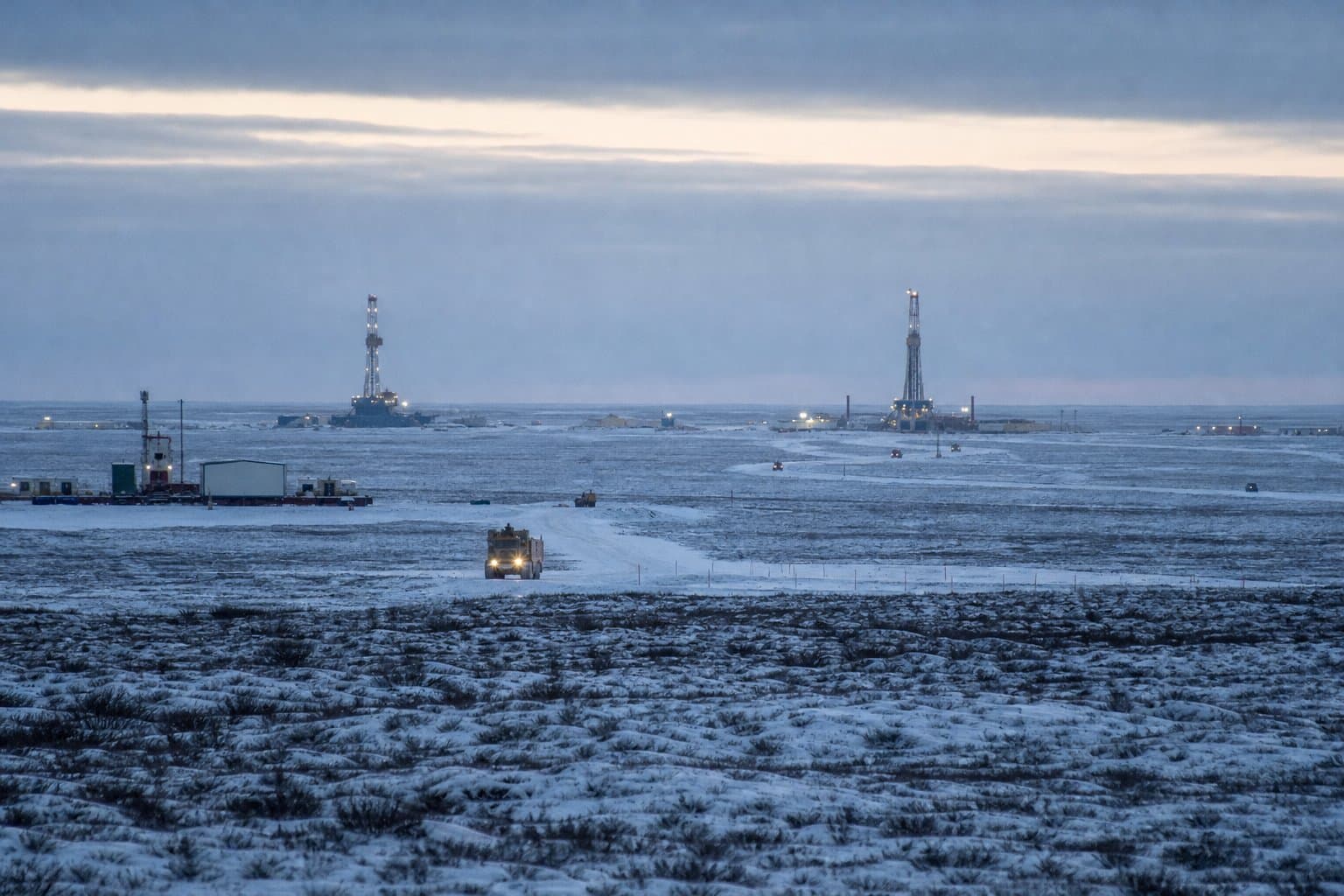
Starting Friday, Oct. 9, the Interior Department lets the Bureau of Land Management approve winter oil and gas exploration in the National Petroleum Reserve in Alaska, a roughly 23 million-acre North Slope reserve, without an environmental assessment. The exclusion covers the Nov. 1-May 1 winter season.
It covers seismic surveys, ice roads and snow routes, ice pads and camps, water withdrawals, exploration and delineation wells, flow tests, well plugging and next-summer helicopter cleanup, with no cap on wells or seismic survey size.
Interior Deputy Assistant Secretary Troy Finnegan signed the notice, which says: "Improving the efficiency of environmental review is especially important in the NPR-A, where seasonal restrictions and severe weather can constrain when oil and gas companies can pursue construction and operations as authorized by the BLM."
BLM's 106-page substantiation report, posted Sept. 8, reviewed 47 environmental assessments for winter exploration since 2000. All ended in findings of no significant impact or no new significant impact. "BLM's analysis concluded that all WOGE projects were successfully completed without any significant environmental impacts," it says. It calls a yearly well limit "unnecessary." BLM once approved 15 wells in one decision. The largest past ConocoPhillips programs used up to 545 people, 23 ice pads, more than 100 miles of ice road and 256 million gallons of water.
It also says industry presence "contributes to sociocultural stress, particularly in Nuiqsut, where residents report consultation fatigue." Winter work during peak furbearer hunting season can change wildlife movement and hunter behavior, it adds, though minimally and short-term.
Interior's list of extraordinary circumstances that still require an assessment names public health, cultural resources, refuge lands, wetlands, migratory birds and other ecologically significant areas, listed species, historic properties, sacred sites, and highly uncertain or precedent-setting effects. Subsistence is not on that list. BLM will check each approval against it on a checklist. Permits must still follow operating procedures requiring subsistence plans with local advisors, avoidance of known travel routes and camps, and local government consultation. Neither document says whether past projects' federal subsistence evaluation will continue.
ConocoPhillips' 2025-26 program near Nuiqsut, the last approved the old way, covered four new wells, two pluggings and a seismic survey over about 300 square miles. BLM took comment for seven days last November and got 1,075 comments, 12 substantive. "This seven-day public comment period is inadequate because of the importance of the resources potentially impacted and the complexity of this proposal," wrote Nauri Simmonds, executive director of Sovereign Iñupiat for a Living Arctic. A comparable project now would skip both steps absent extraordinary circumstances.
Interior said it consulted the White House Council on Environmental Quality. Its NEPA rules, finalized in February, require no public comment on new exclusions.
The exclusion is separate from BLM's proposed 60-day production pad approval rule, open for comment until Nov. 9. Records do not show which applications are pending this winter or whether any will use the exclusion.
Source: Interior Department, Interior lets BLM approve winter oil exploration in the NPR-A without an environmental assessment, effective Oct. 9.
Made by our human newsroom with AI. How humans and AI work here · Grow with our newsroom
Stay informed. Support what matters.
Free, permanent access to local news you can verify. Subscribe to support Walter AlaskaNews and go ad-free.
Related Coverage
BLM Rule Would Cut NPR-A Pad Approvals to 60 Days, Limit Hunting
Alaska News · 3w ago
BLM rule would let NPR-A operators waive subsistence conditions without public notice
Alaska News · 1mo ago
A proposed rule would cut years of NPR-A oil review down to 60 days
Alaska News · 1mo ago
A federal rule would let NPR-A drilling spread pad by pad, skipping environmental study
Alaska News · 3w ago
Written comments on Willow drilling and injection rules are due Tuesday unless a Nov. 4 hearing is held
Alaska News · 6d ago
Comments
Sign in to leave a comment.
No comments yet. Be the first to share your thoughts.