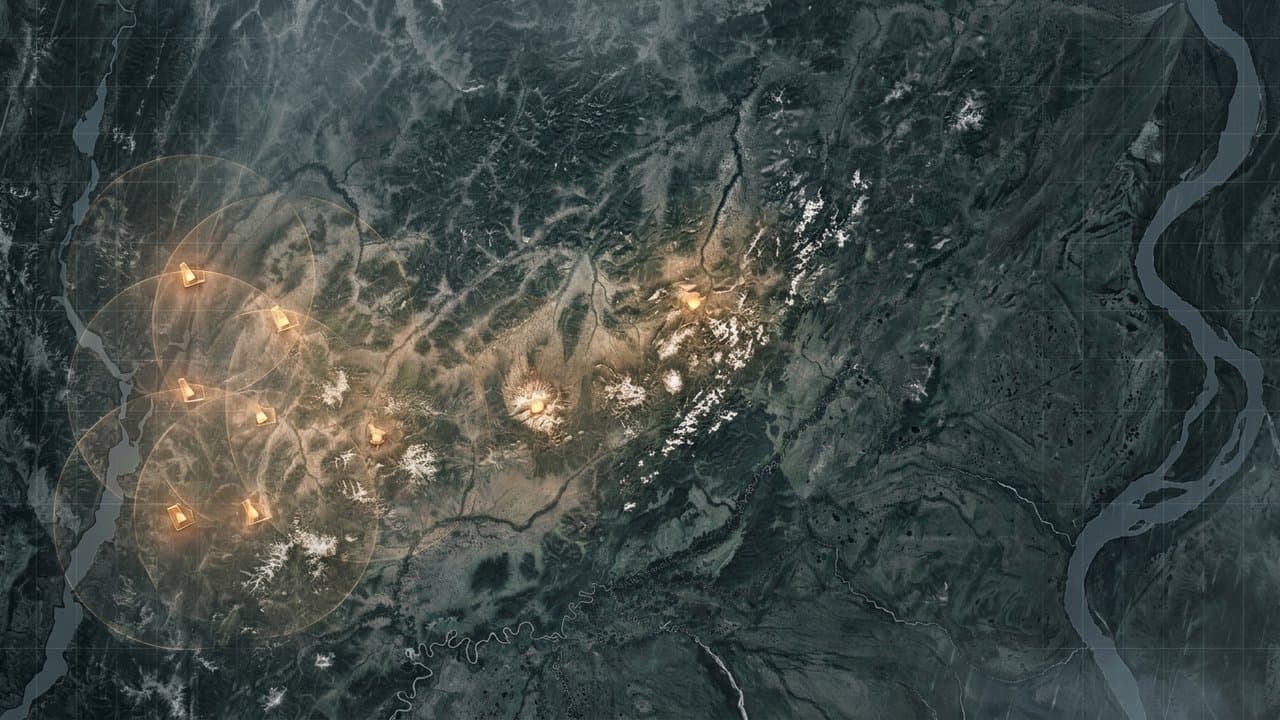
Editorial map (Gemini + Google Maps)
A federal rule would let NPR-A drilling spread pad by pad, skipping environmental study
A federal proposal would let oil development spread across the National Petroleum Reserve-Alaska pad by pad, with each new drilling site clearing the way for the next — and letting companies skip the years-long environmental study that opening a new pad requires today.
Right now, approving a new oil pad in the reserve triggers a project-level environmental review that the Bureau of Land Management says takes three to five years. Under the rule BLM published this month, a pad could bypass that case-by-case study and go straight to permitting — and get a decision within 60 days — as long as it sits within 25 miles of existing permanent oil infrastructure.
The rule would expand its own reach over time, because infrastructure built after it takes effect also counts as an anchor. Each new pad, road or pipeline would extend the 25-mile zone where the next pad can be fast-tracked. BLM describes the result plainly — it "enables a gradual westward progression of development from existing NPR-A facilities." In effect, drilling could walk deeper into the reserve over time, each step widening the ground open to the next, without the individual environmental review that applies now.
The proposal wouldn't remove all oversight. Applications would still face eligibility and completeness checks, have to meet other legal requirements, and could carry site-specific conditions, including some meant to protect subsistence. What it eliminates is the standalone environmental analysis for each qualifying pad. BLM set the qualifying distance at 25 miles after finding that radius would let five companies qualify, versus three at 15 miles — and it's asking for public input on whether that limit is right.
The stakes fall on four North Slope communities the government identifies as feeling the effects of reserve development: Nuiqsut, Atqasuk, Wainwright and Utqiagvik. The rule document includes no response from tribes or Alaska Native corporations; BLM says it offered consultation and will continue to.
The proposal came at the oil industry's request — the Alaska Oil and Gas Association petitioned for it in May — and follows a busy year in the reserve: a December decision opened about 18.6 million of its roughly 22.8 million acres to leasing, and a March sale drew more than $163 million in high bids. BLM expects the rule to carry an economic effect of $100 million or more a year.
Public comment on the proposal is open through Nov. 9. The environmental analysis chapters covering the rule's actual consequences and cumulative effects, though, won't be released until the final version — after the comment period has closed.
Source: Bureau of Land Management, Bureau of Land Management: National Petroleum Reserve in Alaska Production Site Development.
Made by our human newsroom with AI. Reviewed by Cale Green. How humans and AI work here · Grow with our newsroom
Stay informed. Support what matters.
Free, permanent access to local news you can verify. Subscribe to support Maggie AlaskaNews and go ad-free.
Related Coverage
A proposed rule would cut years of NPR-A oil review down to 60 days
Alaska News · 1mo ago
BLM Rule Would Cut NPR-A Pad Approvals to 60 Days, Limit Hunting
Alaska News · 1mo ago
BLM rule would let NPR-A operators waive subsistence conditions without public notice
Alaska News · 1mo ago
Written comments on Willow drilling and injection rules are due Tuesday unless a Nov. 4 hearing is held
Alaska News · 3w ago
Three virtual hearings this week will take comments on BLM's Arctic fast-track
Alaska News · 1mo ago
Comments
Sign in to leave a comment.
No comments yet. Be the first to share your thoughts.