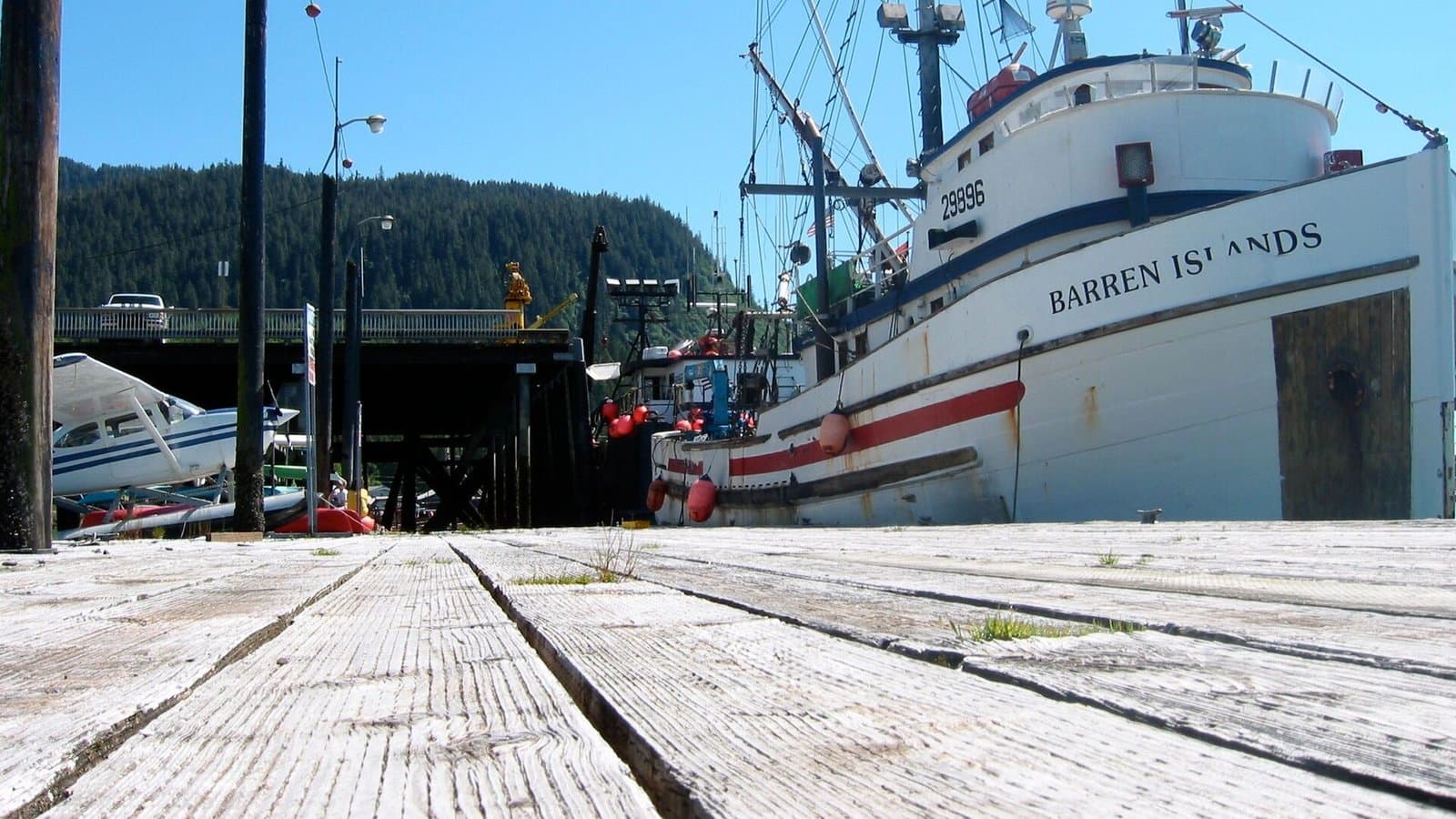
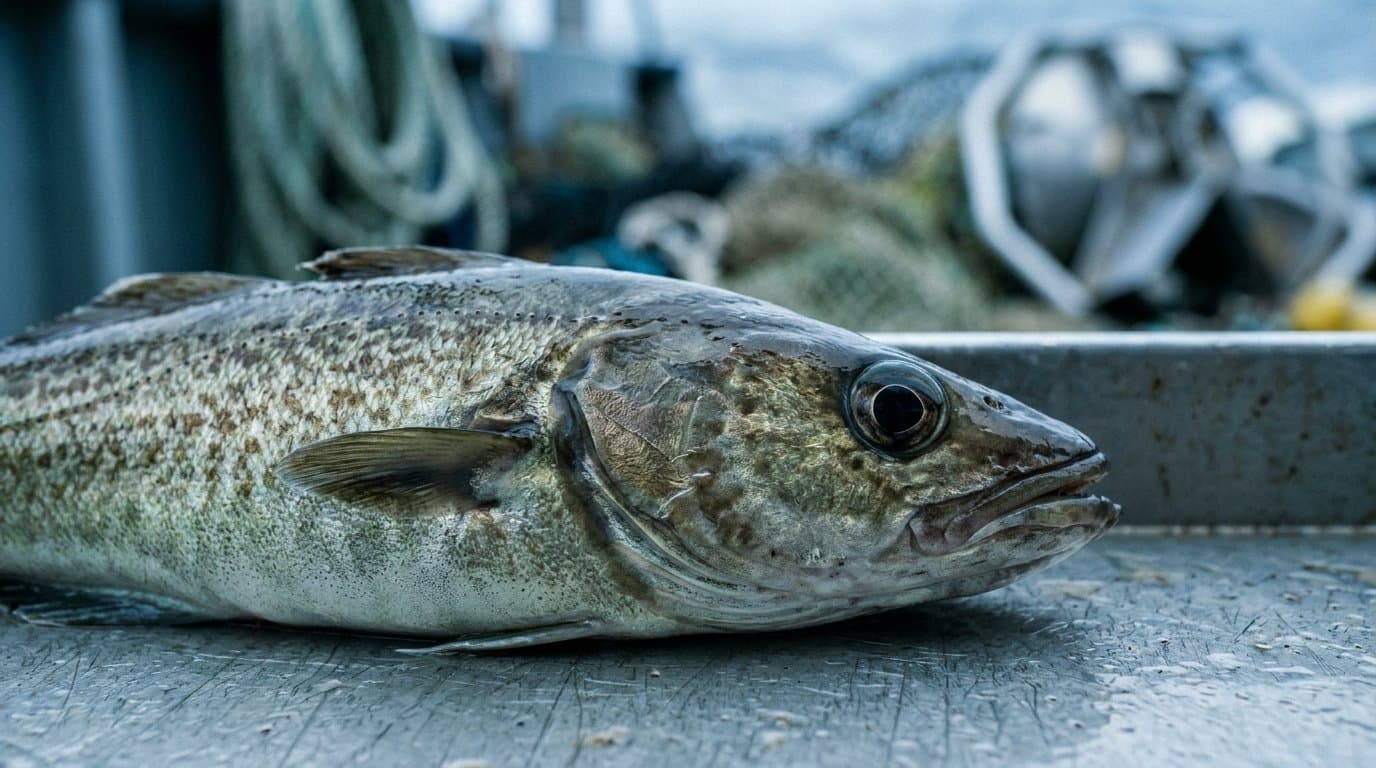
Photo: James Crippen via Wikimedia Commons · Photo source · Public domain
Groundfish boats' earnings rose 9% in 2025 as their share of value held near a historic low
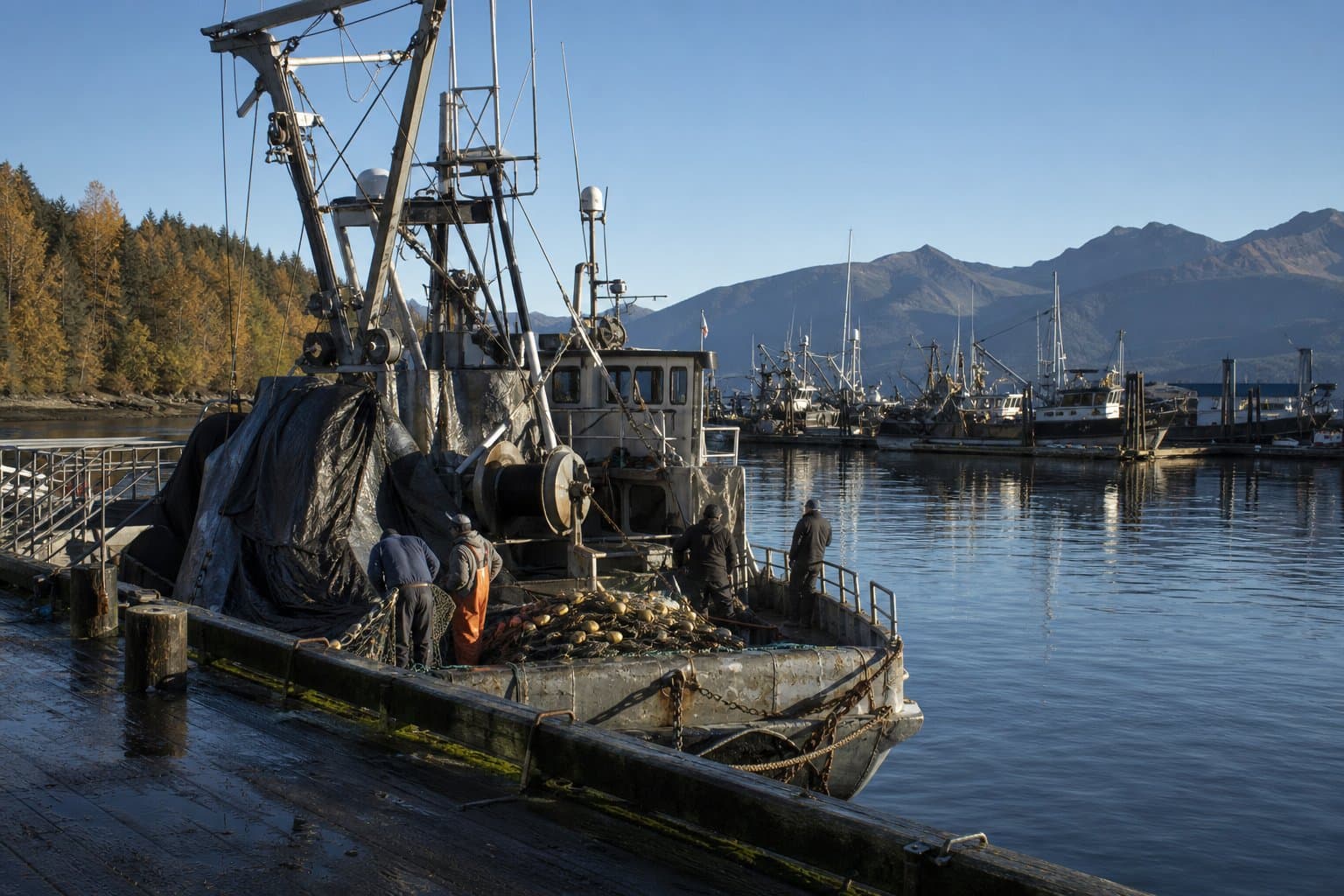
Boats that fished for pollock, cod and other groundfish off Alaska were paid $777 million at the dock last year, 9% more than in 2024. But for the second year in a row, they got only about 30 cents of every dollar the fish brought after processing, near a historic low, federal economists reported.
NOAA Fisheries economist Russel Dame presented the figures Monday to scientists who advise the North Pacific Fishery Management Council, which sets catch limits for federal waters off Alaska. The council is set to adopt next year's groundfish limits at its Dec. 4-9 meeting in Anchorage.
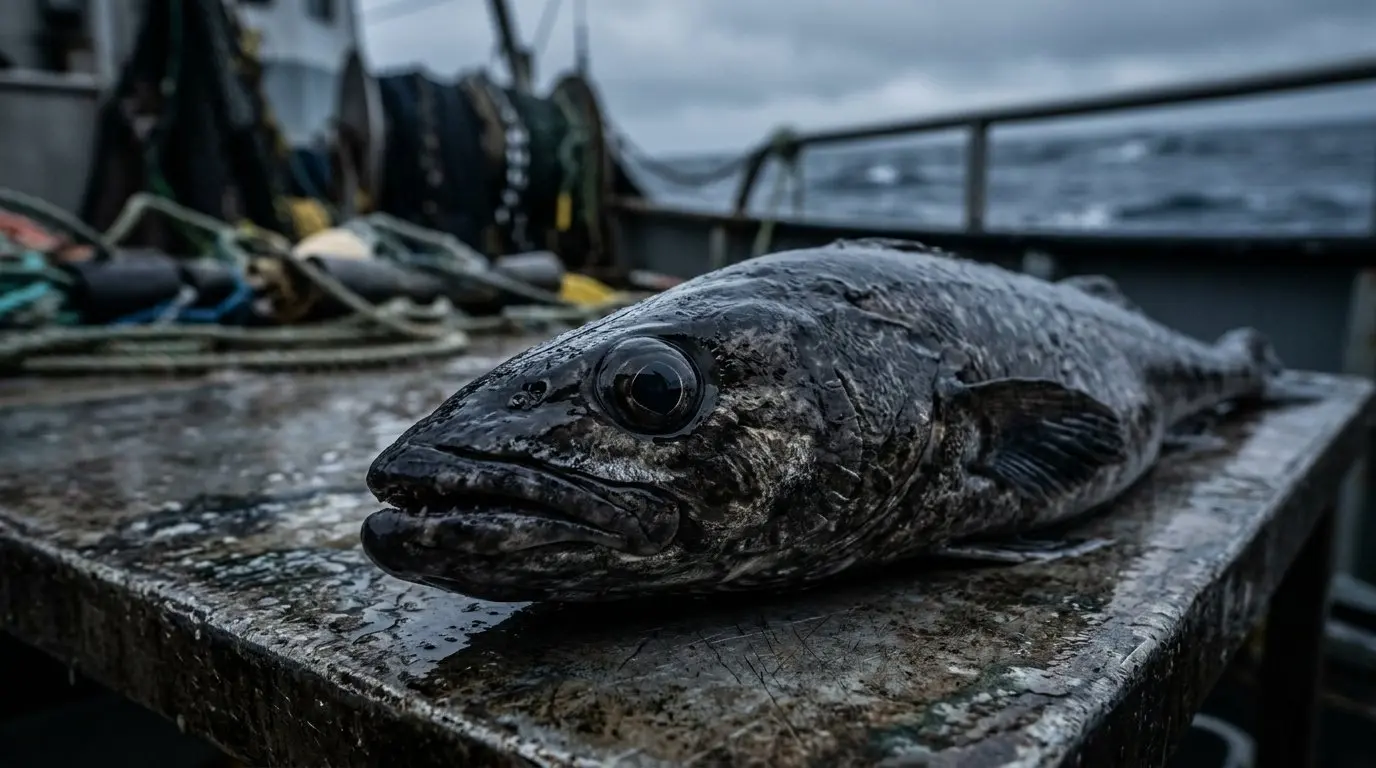
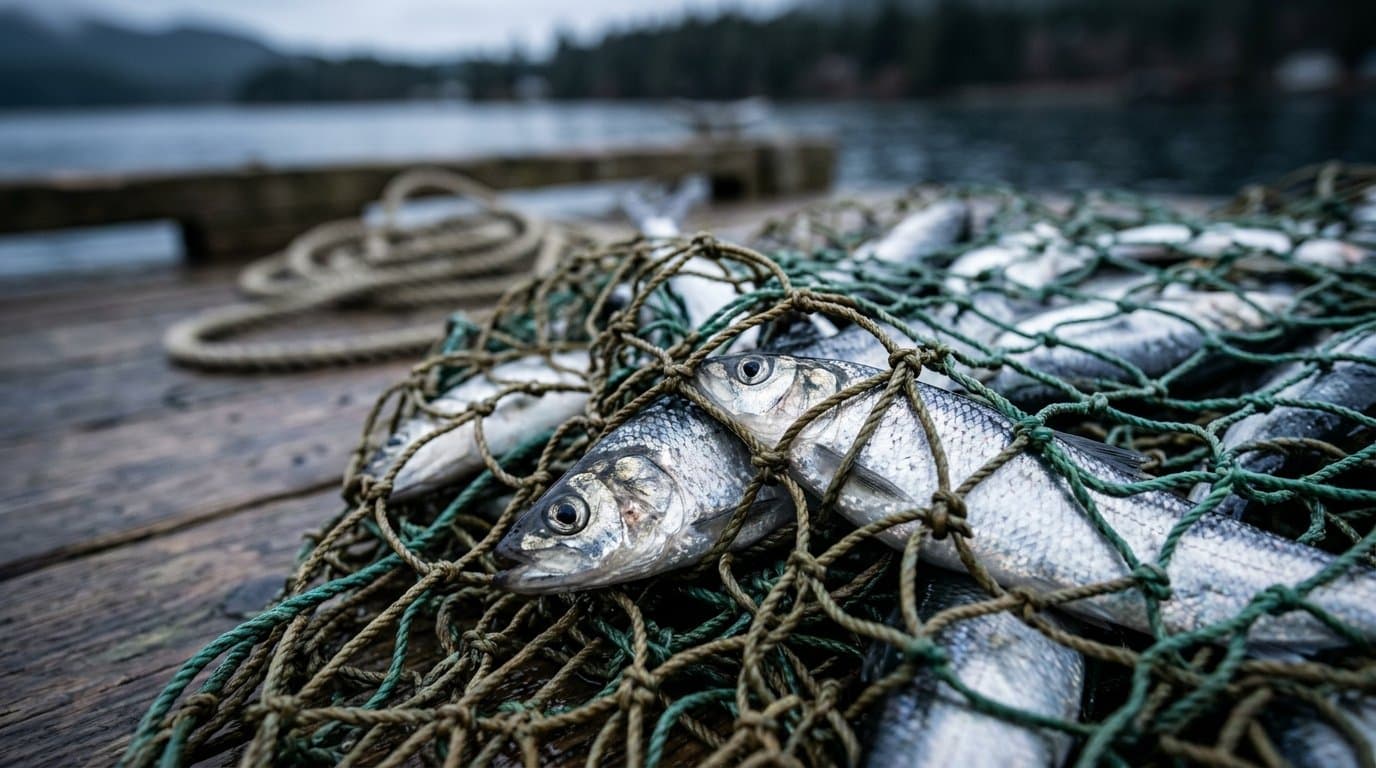
Groundfish include pollock, the whitefish in fish sticks and fast-food sandwiches, as well as Pacific cod, sablefish, also called black cod, and flatfish such as sole. Boats kept 4.4 billion pounds of them last year, up 2%, according to the economists' brief.
Most of the boats' gain came from better prices. Pacific cod brought in $42 million more than in 2024, and sablefish $21 million more. The brief ties that partly to a shrinking supply elsewhere: catch limits for Barents Sea cod, which competes with Pacific cod, have dropped sharply in back-to-back years, and processors turned to frozen Alaska Pacific cod or similar whitefish instead.
Pollock dropped. Its catch rose 2%, but its price fell 6%, and boats earned $15 million less for it. Russia kept exporting frozen pollock at near-record levels in 2025, which likely helped push pollock prices down, the brief says.
Even with the gain, dockside earnings were 4% below the 2020-2024 average of $811 million.
After processing, Alaska groundfish brought $2.6 billion at their first sale, up 8%. Of that, the boats' share stayed at about 30%. The economists said the gap may be tied to market factors such as higher processing overhead or rising costs for supplies.
The brief also points to exchange rates. The real effective exchange rate for Alaska seafood exports, a measure of how expensive they are for foreign buyers, leveled off in 2025 but remains at a historic high, making Alaska seafood more expensive than competing seafood and other proteins, the brief says.
The number of catcher processors, ships that catch and process fish at sea, fell to 47, the fewest since records began in 2003. The number of catcher vessels, which deliver their fish to processors, rose to 519 from a record low in 2024.
Vessels whose owners live outside Alaska took about 73% of all groundfish dockside value in 2025, according to the full economic report. But Alaska residents' share of the value delivered to shore-based processors is at its highest since 1998.
Groundfish made up 42% of the dockside value of all Alaska fisheries, state and federal, in 2025, down from 53% the year before.
Early 2026 sales records show higher dockside prices for Pacific cod, pollock and sablefish, which the economists say suggests final 2026 prices will be higher, too.
The economists say their numbers are context for the council as it sets catch limits, not a basis for the scientific catch recommendations that come first. All the figures are gross revenue, not adjusted for inflation.
What did you make of this story? (no account needed)
Made by our human newsroom with AI. Reviewed by Cale Green. How humans and AI work here · Grow with our newsroom ·
Get Alaska News in your inbox
Create your free account and get the day’s top stories around 6 each morning, in a few minutes’ read.
Top stories, around 6 each morning.
Stories on what you follow, on Sundays.
Source: North Pacific Fishery Management Council.









Comments
Sign in to leave a comment.
No comments yet. Be the first to share your thoughts.