
AI image
GAO urges Congress to let tribes start returning criminal jurisdiction to the feds
A federal watchdog said Monday that Congress should consider letting tribes start the process of returning criminal jurisdiction on their lands to the federal government, a step only states can take now.
The U.S. Government Accountability Office also recommended that Congress consider requiring a tribe's consent before a state makes that move on its own. Neither recommendation is binding.
The issue traces to Public Law 280, a 1953 law. In most states, federal authorities share criminal jurisdiction in Indian country with tribes. Public Law 280 handed most of that federal role to the states it names.
Alaska is one of six states named in the law, as amended. Nearly 65% of the country's 575 federally recognized tribes are in states covered by it, GAO said.
A 1968 amendment let those states offer to hand jurisdiction back to the federal government, a process called retrocession. But tribes can't start it, and states don't need tribal consent. Without changes, "the law impedes Tribes' exercise of self-determination," GAO wrote.
Under GAO's first recommendation, once the Interior secretary accepts a tribe's request, federal jurisdiction would become "exclusive as to any state," meaning the state would no longer have jurisdiction. Since 1953, the federal government has accepted retrocession from seven states.
The Bureau of Indian Affairs estimated tribes in the Lower 48 states covered by the law needed about $2.8 billion for public safety and justice from fiscal 2017 through 2021. It provided about $150 million, 5% of the need. Tribes in Public Law 280 states got less funding per capita than tribes in other states, GAO found.
The Interior Department agreed with both recommendations but warned that letting tribes start retrocession "will require additional congressional appropriations." Without them, Interior said, it wouldn't have enough money to fund tribes that take on exclusive federal jurisdiction.
Justice Department officials told GAO that studies indicate retrocession typically improves public safety, but that the transition can be hard for tribes without their own police or courts.
Leaders from two tribes told GAO retrocession enhanced their exercise of sovereignty and helped resolve problems with county law enforcement. State law enforcement officials said tribes would lose access to state police, courts and jails.
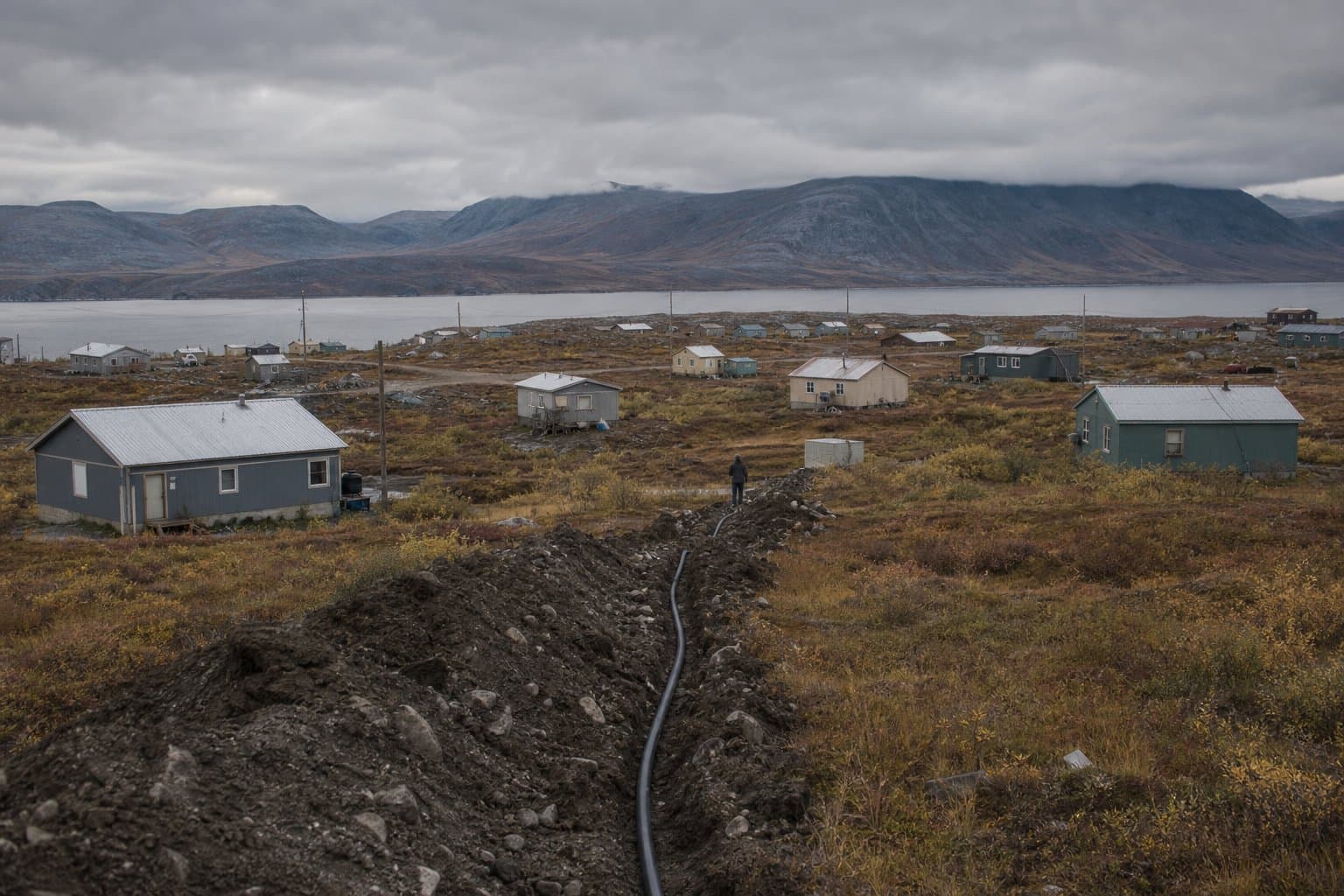
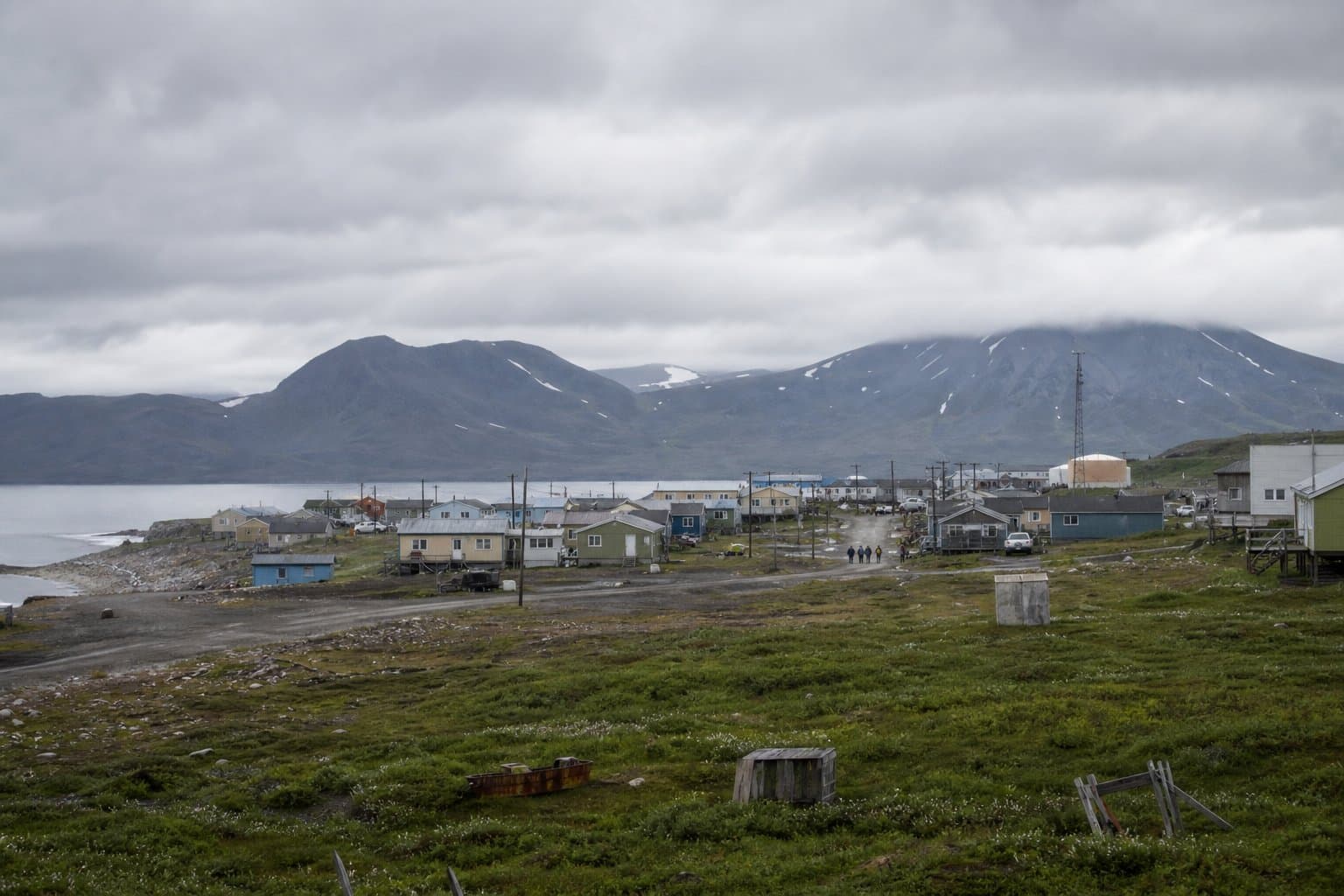
The new report covers only the Lower 48. In Alaska, the law has limited effect because the Alaska Native Claims Settlement Act of 1971 eliminated most of the state's Indian country, GAO found in a February report on Alaska tribes. That report put Alaska tribes' estimated public safety need at more than $3 billion over the same five years. The Bureau of Indian Affairs spent $59.5 million.
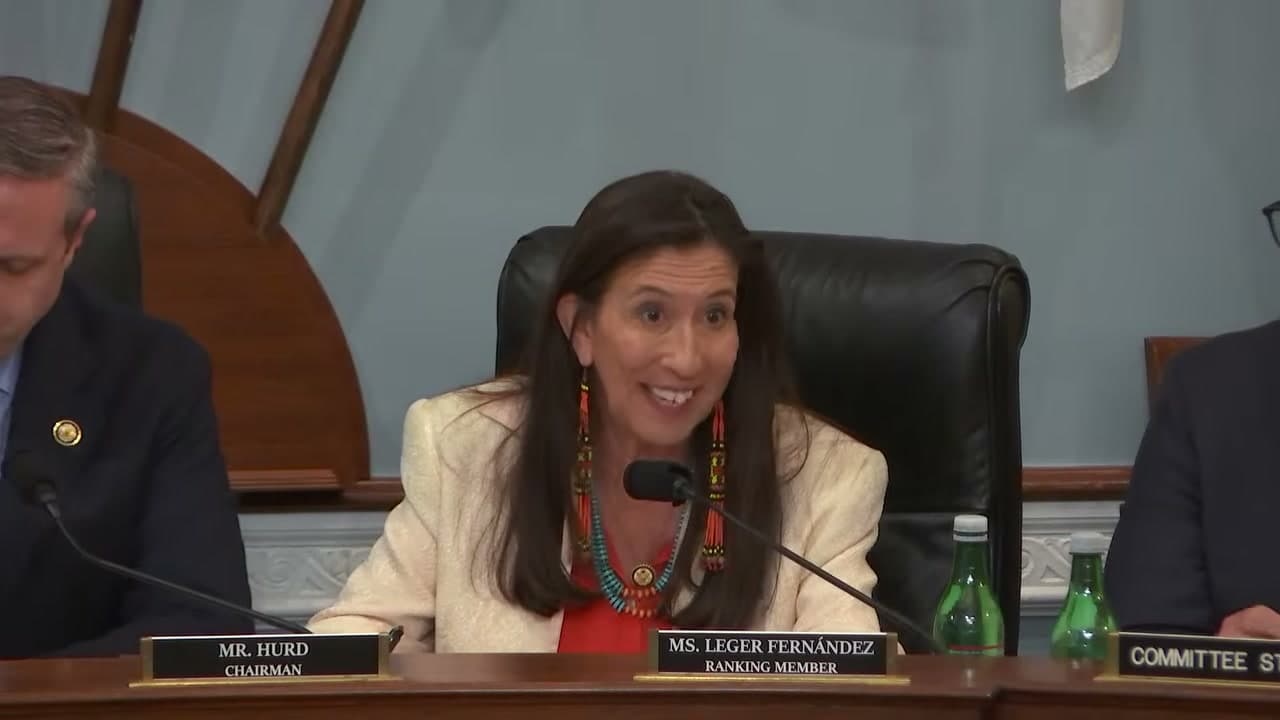
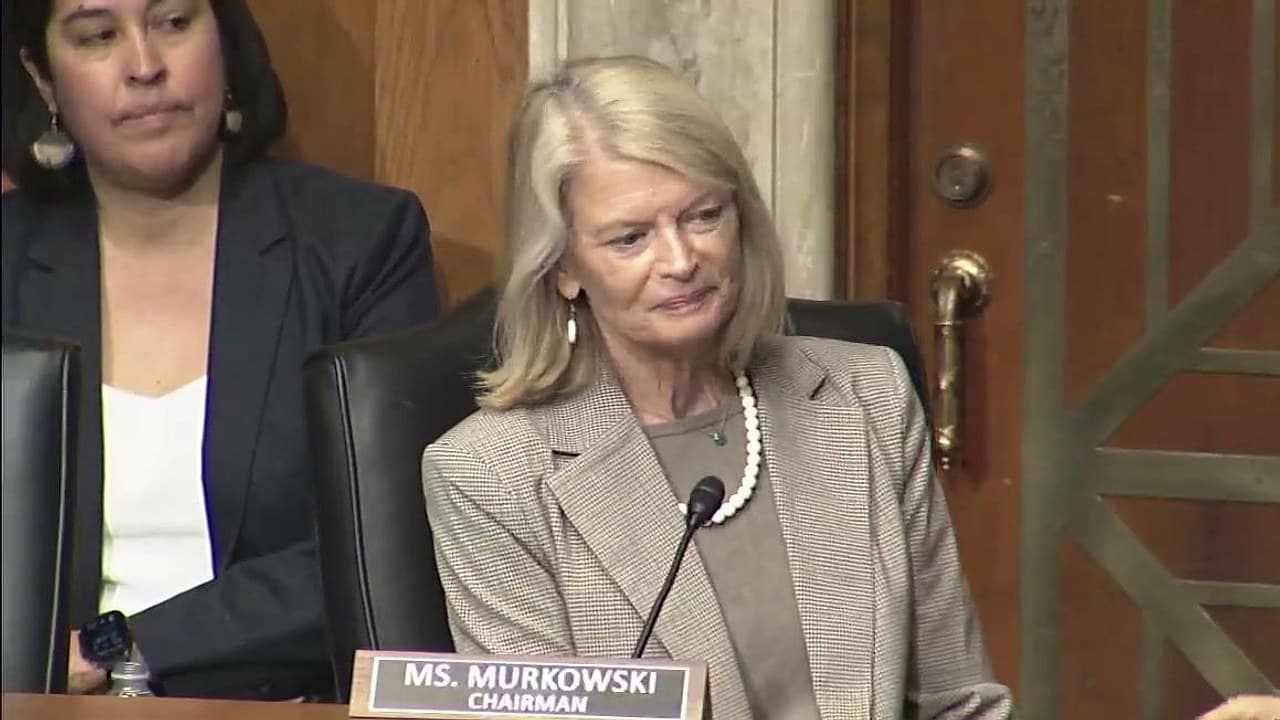
The report was requested by Sen. Lisa Murkowski, who chairs the Senate Committee on Indian Affairs, Rep. Jared Huffman, Sen. Jeff Merkley and Sen. Alex Padilla.
What did you make of this story? (no account needed)
Made by our human newsroom with AI. Reviewed by Cale Green. How humans and AI work here · Grow with our newsroom ·
Keep Alaska News free for everyone.
No paywall, ever. Members pay so everyone can read the meetings and records Alaska News covers.
Get Alaska News in your inbox
Create your free account and get the day’s top stories around 6 each morning, in a few minutes’ read.
Top stories, around 6 each morning.
Stories on what you follow, on Sundays.
Source: Government Accountability Office.







Comments
Sign in to leave a comment.
No comments yet. Be the first to share your thoughts.