Photo by Mark Stebnicki on Pexels · Photo source
Senate passes bill to speed federal permits, with both Alaska senators voting yes
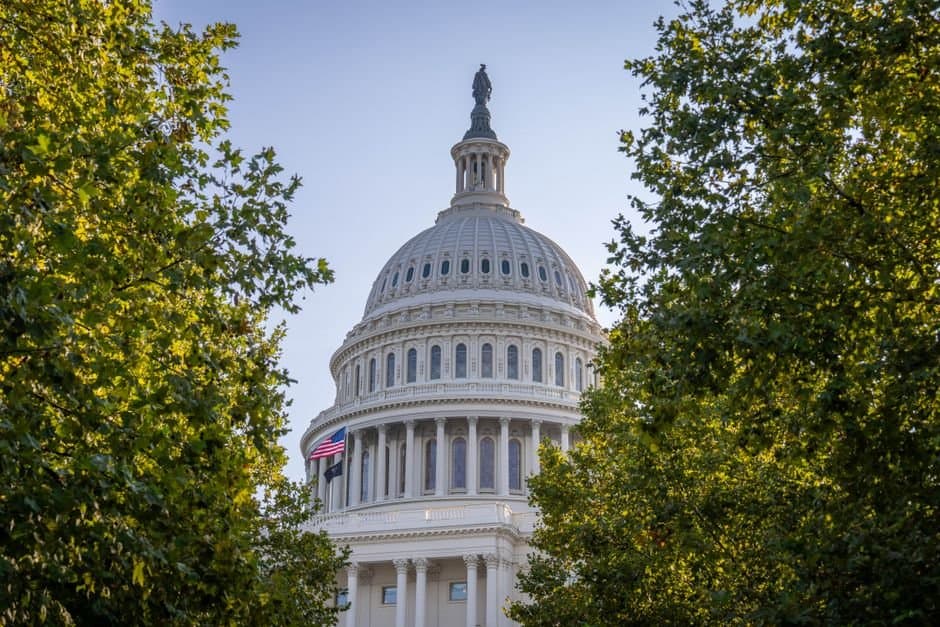
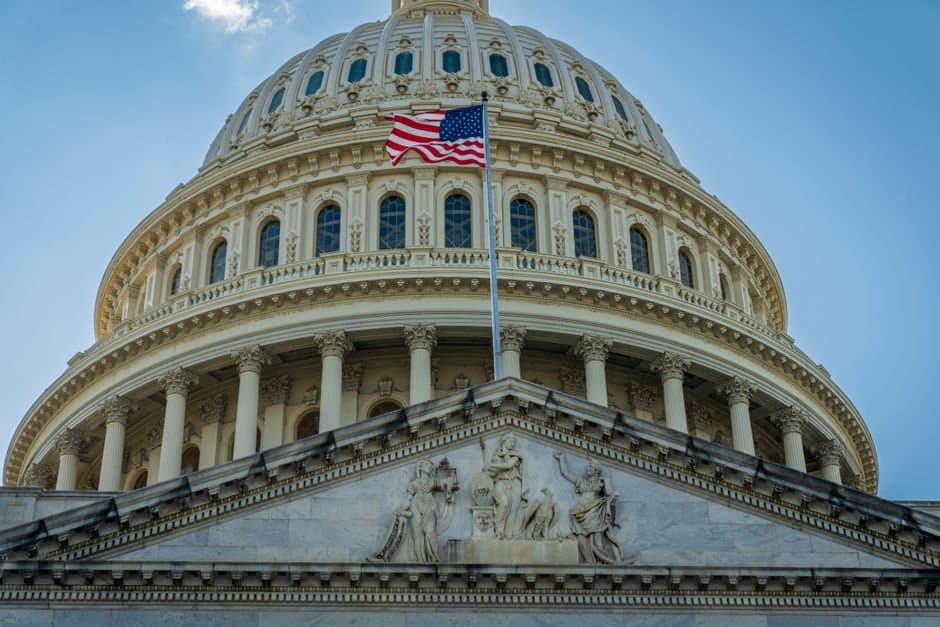
The U.S. Senate passed a bill Thursday that would change how the federal government approves mines, pipelines, power lines, roads and other projects, with both of Alaska's senators voting yes.
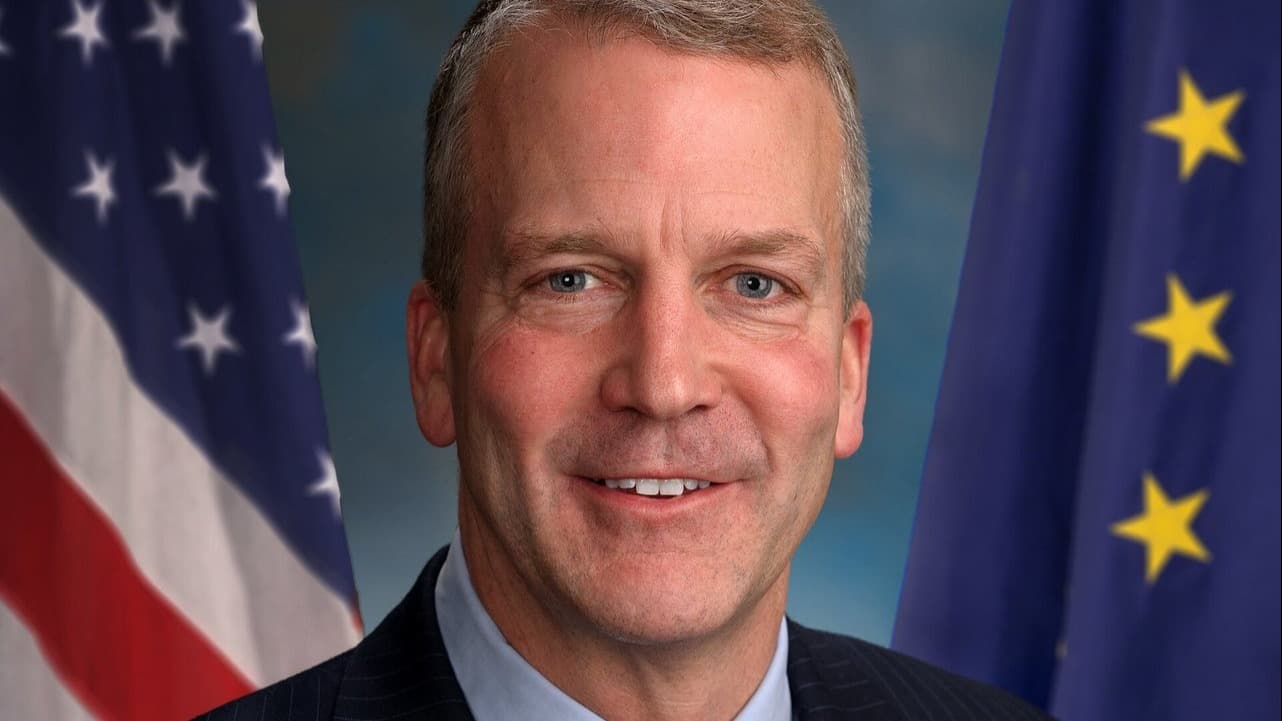
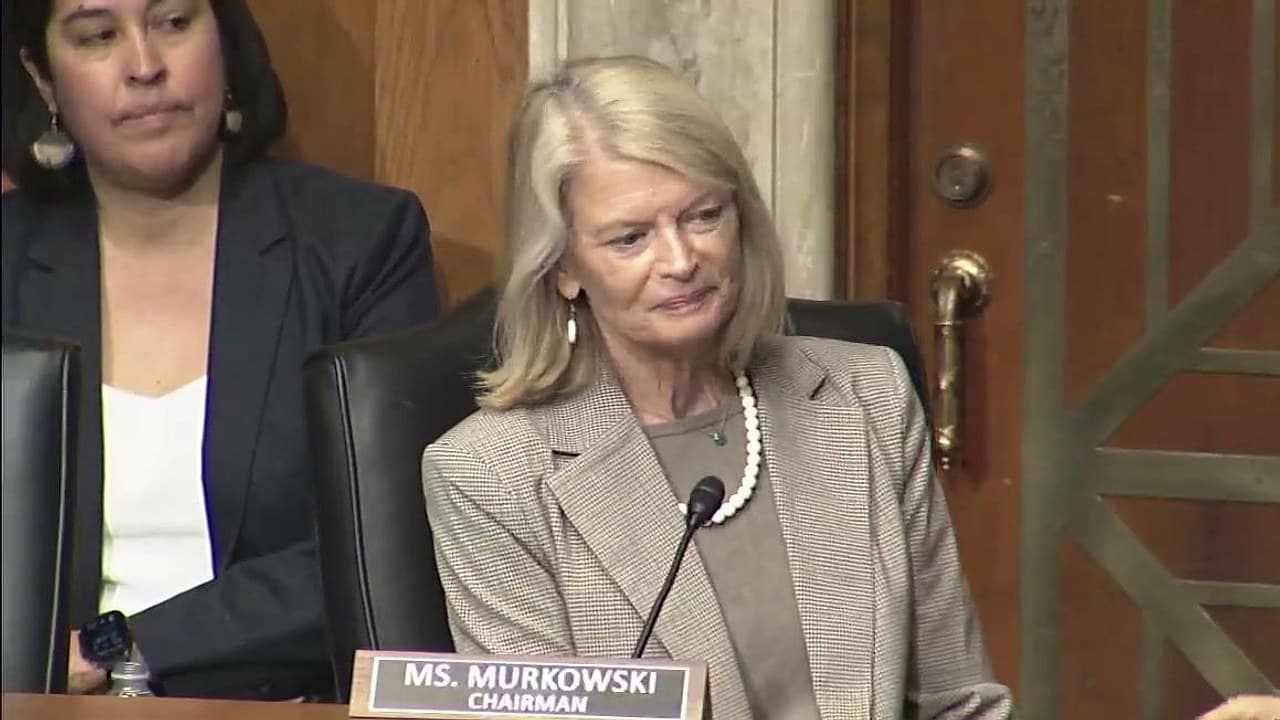
The Bipartisan American Affordability and Jobs Act passed 62-33. Sens. Lisa Murkowski and Dan Sullivan were among the 47 Republicans who voted yes, along with 15 members of the Democratic caucus.
To become law, the bill still has to pass the House in the same form before this Congress ends Jan. 3. The House is scheduled to meet on 12 more days, the last on Dec. 17.
If the House changes anything, the bill goes back to the Senate. If it doesn't pass by Jan. 3, it would have to be introduced again in the new Congress elected this month.
The bill would change the rules for projects that need federal approval, with firmer deadlines for environmental reviews, less time to sue, fewer ways for judges to stop construction and new protection for permits once they're issued.
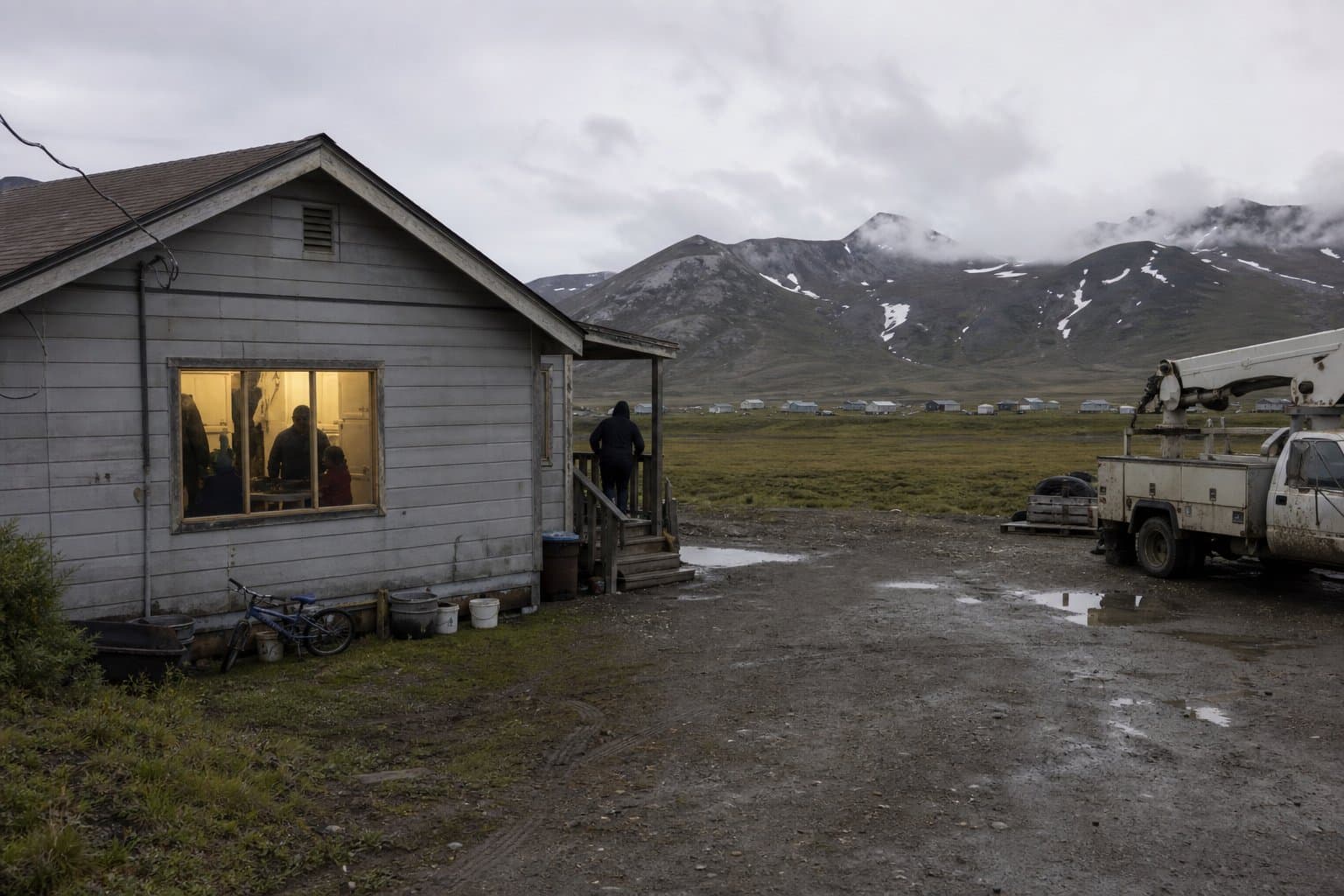
It doesn't approve any particular project, such as the Ambler Road or Alaska LNG. The rules would apply widely in Alaska, where the federal government owns about 61% of the land.
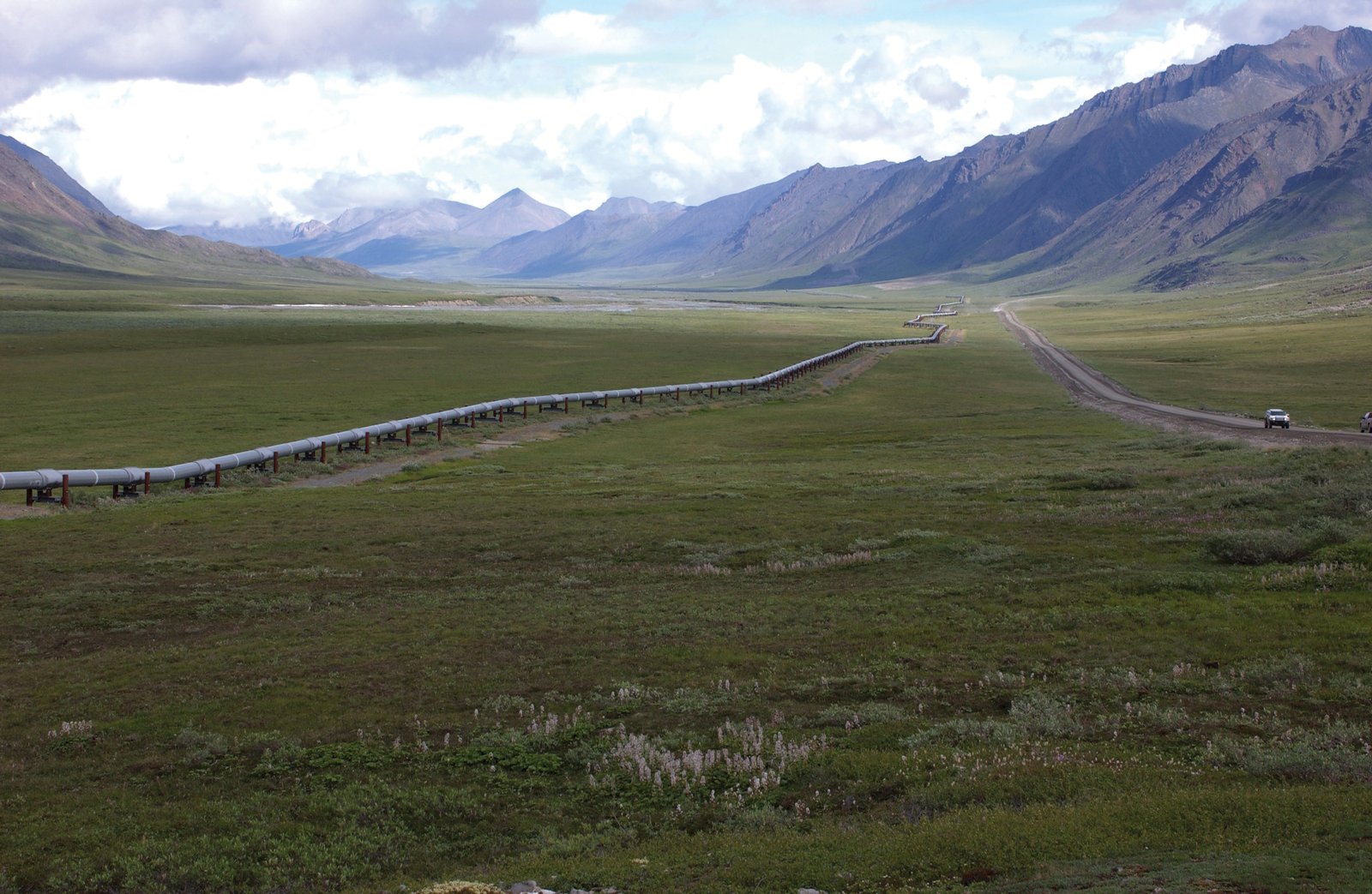
"For years, however, Alaska has been ground zero for a broken federal permitting system that traps critical infrastructure projects in years of red tape, regulatory gridlock, and endless litigation," Sullivan said in a statement Friday. He pointed to the 800-mile trans-Alaska pipeline, which he said was "built in just over three years."
His office listed the Alaska Chamber, the Alaska Miners Association and the Alaska Support Industry Alliance among the bill's supporters, along with building trades unions.
What would change
Each change in the bill is listed next to the rule today.
Lawsuits: People generally have up to six years to sue over a federal environmental review, and a judge who finds it flawed can cancel the approval. Under the bill, most challenges would have to be filed within 150 days, only by people who raised the issue during public comment, and judges generally could only send the decision back to the agency to fix while work went on.
Deadlines: Since 2023, agencies have had one year for an environmental assessment and two years for a full environmental impact statement. The bill would add consequences for missing them. Sixty days after a missed deadline, the head of the agency couldn't travel more than 25 miles from their duty station on official business until the work was done.
Permits: Once a project had all its federal permits, including permits already in effect, agencies generally couldn't revoke, suspend or reopen them, except for reasons such as fraud, a violation of law, a court order or an urgent threat. A developer could sue an agency that interfered in bad faith and collect 25% to 50% of its development and construction costs.
Water: States would have less room to deny projects in their Clean Water Act reviews, and some federal water permits would last 10 years instead of five. For future applications, the Environmental Protection Agency could use its Clean Water Act veto, the power it used against the Pebble mine in 2023, only while a permit application was pending.
Wildlife: Formal consultations over endangered species would be cut from 90 days to 60.
Power lines: Federal regulators would get more authority to approve major power lines that cross state lines, and the sponsors say large data centers would have to pay for the grid upgrades they cause. Alaska isn't connected to the Lower 48 grid, but one section names the state: the Energy Department would have to study bottlenecks in Alaska's grid and could flag an Alaska area only with the Regulatory Commission of Alaska's approval.
President Joe Biden revoked the permit for the Keystone XL oil pipeline in 2021.
This year, the federal government paid about $3.8 billion to settle with offshore wind developers whose leases the Interior Department canceled, according to the Congressional Research Service.
The bill's protection would apply to projects that have all their federal permits, whichever party holds the White House.
Tribal consultation
The bill would also rewrite Section 106 of the National Historic Preservation Act, a 1966 law, and that part has drawn objections from some Alaska tribes and Native organizations.
Section 106 requires federal agencies to consider how their projects affect historic places, and federal law requires them to consult tribes that attach religious and cultural importance to those places. It doesn't give tribes a veto.
Tlingit & Haida says the review is especially important in Southeast Alaska, noting that most Alaska tribes don't have reservations, so sacred places often sit on land the tribes don't own or control.
The bill would narrow that review. Projects whose only federal tie is a grant or loan would no longer get it at all, unless they receive more than $10 million from the U.S. Transportation Department.
Noise or a changed view wouldn't count as harm unless it directly and significantly damaged a historic place. Tribes would have 45 days to object to an agency's findings before the agency moved on, and a federal official could decide, in their "sole discretion," that other considerations outweigh historic preservation. Courts generally couldn't stop a project over a violation.
The Alaska Federation of Natives adopted a resolution at its convention last month calling for that section to be withdrawn or substantially revised.
The resolution, which came from AFN's Southeast caucus, says AFN supports timely and efficient permitting and lists its members as 192 tribes, 152 village corporations, 11 regional corporations and 11 regional nonprofits and tribal consortiums.
A convention resolution sets AFN's position; it doesn't mean each member took the same stand. Beyond AFN, the public objections Alaska News found came from Southeast and the Interior.
Nine Southeast tribes and Native organizations, including Sealaska Corporation, Sealaska Heritage Institute, Tlingit & Haida and Sitka's Shee Atiká Inc., signed an October letter to Murkowski. "Our communities need seaports, ferries, harbors, power, housing, and roads as much as any in Alaska, and we want them built," they wrote. "Section 106 gives us a voice in how that work is done."
The bill's four sponsors, two Republicans and two Democrats who lead the Senate's energy and environment committees, rewrote parts of the section Nov. 7.
The new version dropped language that would have let agencies decide whether to consult tribes when identifying historic sites, gave tribes a chance to review every finding, extended the time to object from 30 to 45 days and replaced a provision for the federal government to take over tribal preservation offices that fall behind with corrective action plans. Sen. Martin Heinrich, D-N.M., one of the sponsors, said he worked to include feedback from tribes and that the bill would "strengthen Tribal consultation."
The Institute for Progress, a Washington think tank that supports permitting reform, argues the bill would write tribes into the review in law for the first time and would limit a pending federal rule that would require a place to have human-made features to count as historic. AFN's resolution also criticizes that rule.
Tanana Chiefs Conference, a consortium of Interior Alaska tribes, told Murkowski in a Nov. 9 letter that those changes "do not go far enough." It asked her to strip the section and, as chair of the Senate Indian Affairs Committee, to insist on a hearing where tribes could testify.
Its chief and chairman, Sharon Hildebrand, pointed to Klukwan's experience with the reconstruction of the Haines Highway. When ancestral remains were uncovered, she wrote, the review "ensured the Tribe had a voice in protecting its ancestors while allowing the larger project to continue."
"These protections are not barriers to progress," the letter says. It also asked Murkowski to vote against moving the bill forward if the section stayed in.
Alaska News found no public statements on the bill from most of the state's other regional Native corporations and tribal organizations, or from the ANCSA Regional Association, which represents the regional corporations' chief executives.
Murkowski voted to advance the bill and to pass it. The Indian Affairs Committee's top Democrat, Sen. Brian Schatz of Hawaii, also voted for final passage. When the deal was announced in September, Murkowski called it "so good" for people "whether you're from very rural Alaska" or New York.
What's next
The House passed its own permitting bill, the SPEED Act, 221-196 in December 2025, with 11 Democrats voting yes. Rep. Nick Begich cosponsored it and voted for it.
Sen. Shelley Moore Capito, R-W.Va., one of the sponsors, thanked the Trump administration for its support and urged House leaders to pass the bill "expeditiously."
The Congressional Progressive Caucus, nearly 100 House Democrats, voted to oppose it unless it is significantly improved, saying it would undermine tribal sovereignty and roll back environmental laws. House Democratic Leader Hakeem Jeffries has said it "falls short in several areas."
The Senate attached the permitting package to an unrelated House bill, which would exclude from federal income tax most damages, other than punitive damages, received over sexual acts or sexual contact.
What did you make of this story? (no account needed)
Made by our human newsroom with AI. Reviewed by Cale Green. How humans and AI work here · Grow with our newsroom ·
Keep Alaska News free for everyone.
No paywall, ever. Members pay so everyone can read the meetings and records Alaska News covers.
Get Alaska News in your inbox
Create your free account and get the day’s top stories around 6 each morning, in a few minutes’ read.
Top stories, around 6 each morning.
Stories on what you follow, on Sundays.
Source: U.S. Senate.





Comments
Sign in to leave a comment.
No comments yet. Be the first to share your thoughts.