AI image
Federal rules leave some village homes out of water projects
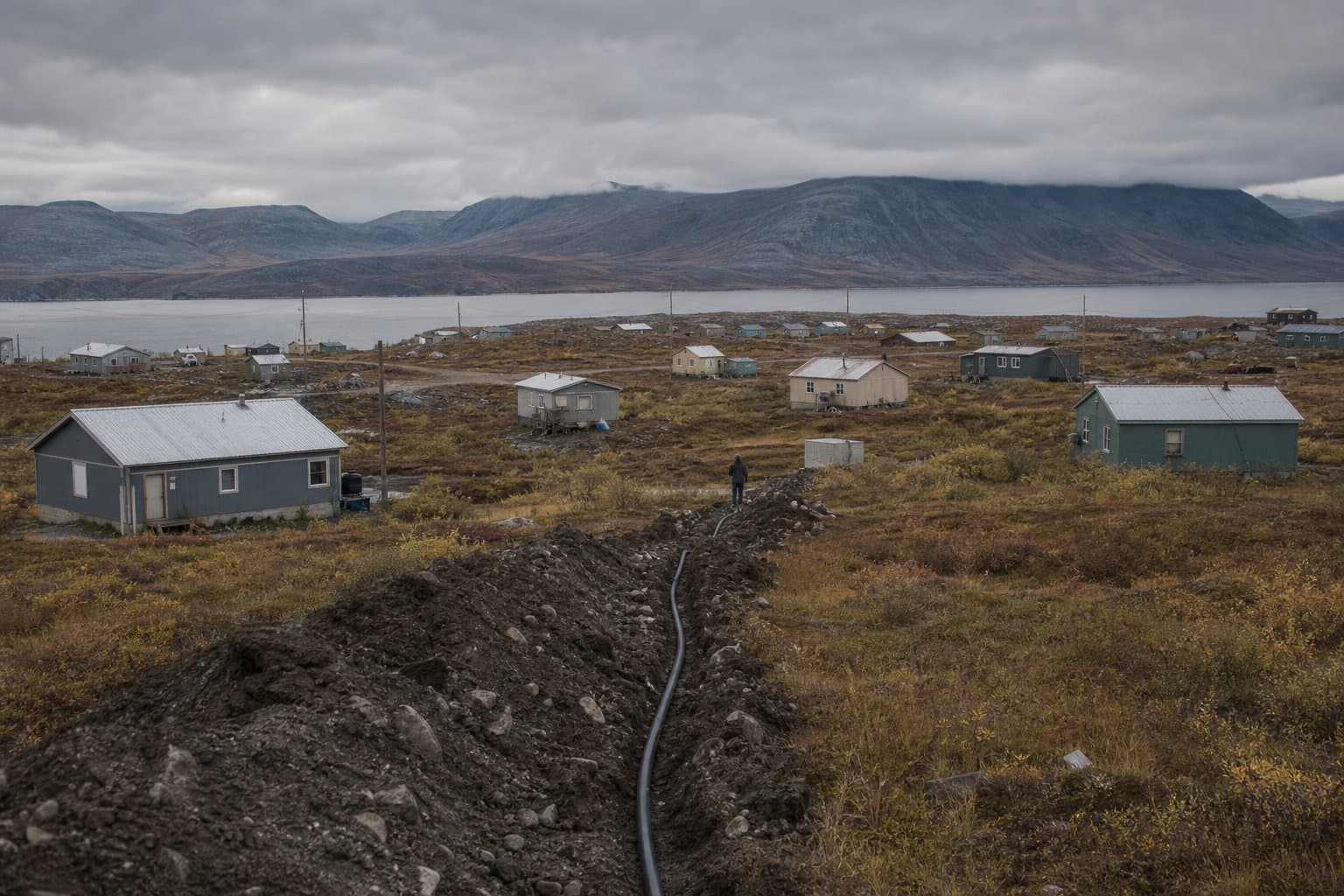
Homes that tribal members live in are being left out of federally funded village water projects because of who holds the title, the Government Accountability Office found in a review released Monday, built partly on site visits to Alaska and Arizona.
The Indian Health Service limits eligibility to what it reads its authority to cover: water infrastructure for "Indian homes, communities, and lands." Tribal officials told the GAO that homes owned by a spouse or grandparent who is not a tribal member are common in their communities, and those are excluded. So are homes owned by a Tribe or a tribal member and rented to other tribal members on leases shorter than five years, and homes rented to teachers, law enforcement or other community service providers who are not tribal members.
Those houses can sit inside the footprint of an approved project. When that happens, the Tribe and IHS staff have to go find other money. The GAO documented one case where IHS officials put in more than 80 hours helping a Tribe land an $8,000 grant, then more hours helping the Tribe report how it was spent.
The GAO recommended Congress define the phrase in the Indian Sanitation Facilities Act, and authorize IHS to serve otherwise ineligible properties when chasing outside money would cost more than just serving them. Those two changes need legislation. The agency-level recommendations, which IHS accepted, do not.
The report found other friction across agencies. USDA requires Tribes to submit financial underwriting information, essentially proof they could repay, that IHS and EPA do not ask for; USDA disagreed with the recommendation to streamline that, and the GAO said it stands by it. IHS generally does not fund routine operations and maintenance, telling the GAO it has neither the authority nor the money, and the GAO recommended Congress test a pilot program to see whether covering those costs would save federal money over time.
Alaska Native communities come at federal water money from a narrower position than Lower 48 tribes to begin with. The 1971 Alaska Native Claims Settlement Act extinguished aboriginal title and gave Native people corporate fee land rather than reservations, and fee land carries no reserved water right, so the negotiated settlements other tribes bring to Congress are not available here. Alaska News has separately reported on $500 million in tribal water money the state cannot reach.
IHS put the cost of getting safe water to every tribal community at $6 billion as of November. A current IHS proposal would cut sanitation facilities construction $93 million below this year's level.
At a Senate Indian Affairs meeting in May, Sen. Lisa Murkowski said she still visits villages "that are still relying on honey buckets, haul wagons," and called it a matter of public safety and public health. Honey buckets are lidded pails used in place of plumbing.
Source: Government Accountability Office, Government Accountability Office: Tribal Water Infrastructure: Opportunities Exist to Improve Federal Assistance ().
Drafted with AI. Edited by Cale Green (1 revision). Reviewed by Cale Green. Who is accountable.
Stay informed. Support what matters.
Free, permanent access to local news you can verify. Subscribe to support Maggie AlaskaNews and go ad-free.
Related Coverage
Congress weighs $500 million in tribal water money Alaska can't reach
Alaska News · 6d ago
Tribes objected to a federal rollback of Native welfare rules. HHS did it anyway.
Alaska News · 1mo ago
A new federal water-testing rule could check rural Alaska for 'forever chemicals' — if it reaches us
Alaska News · 2mo ago
A remote Kodiak village tries tp fix its water
Alaska News · 2mo ago
IHS proposes $93M sanitation cut as Alaska Native villages face sanitation gaps
Alaska News · 4mo ago
Comments
Sign in to leave a comment.
No comments yet. Be the first to share your thoughts.