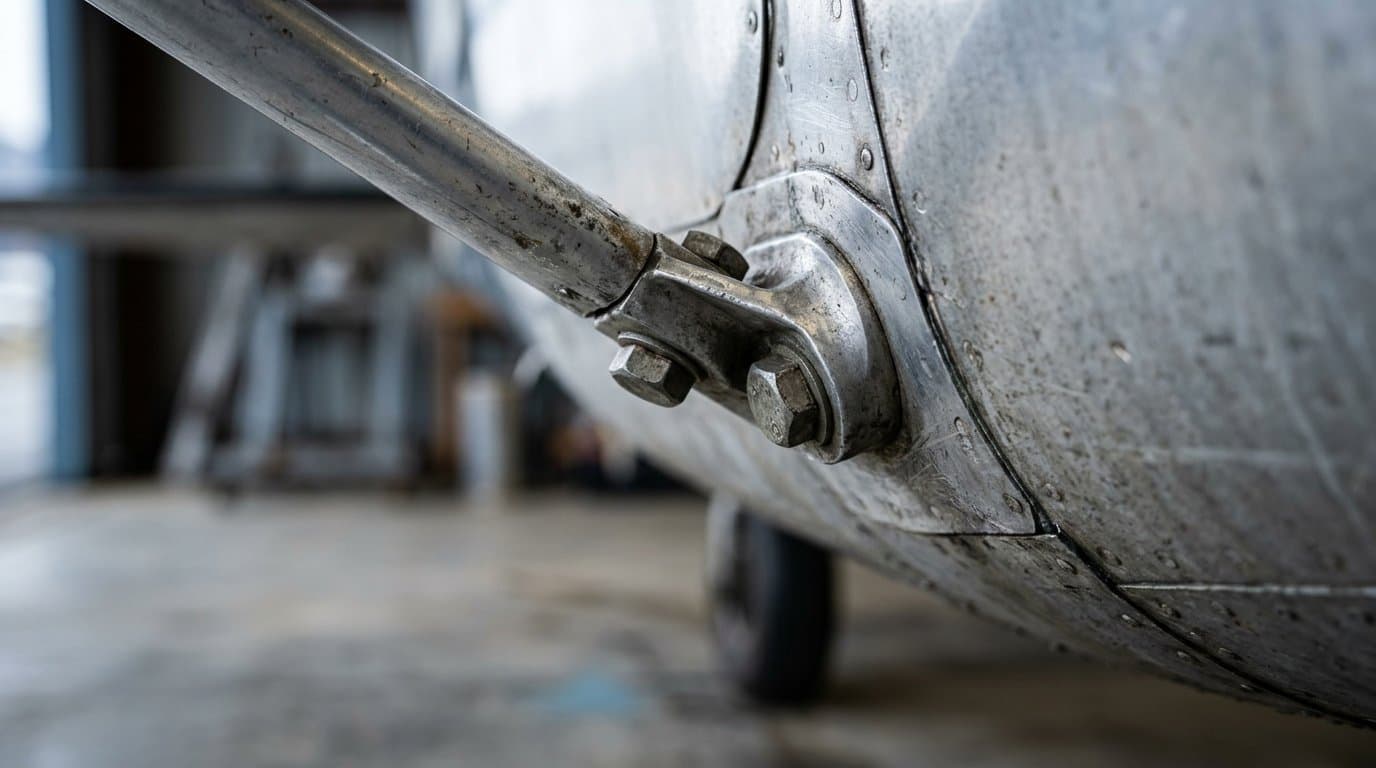
AI image
Legislative Council urges U.S. Supreme Court to uphold plane forfeiture over beer
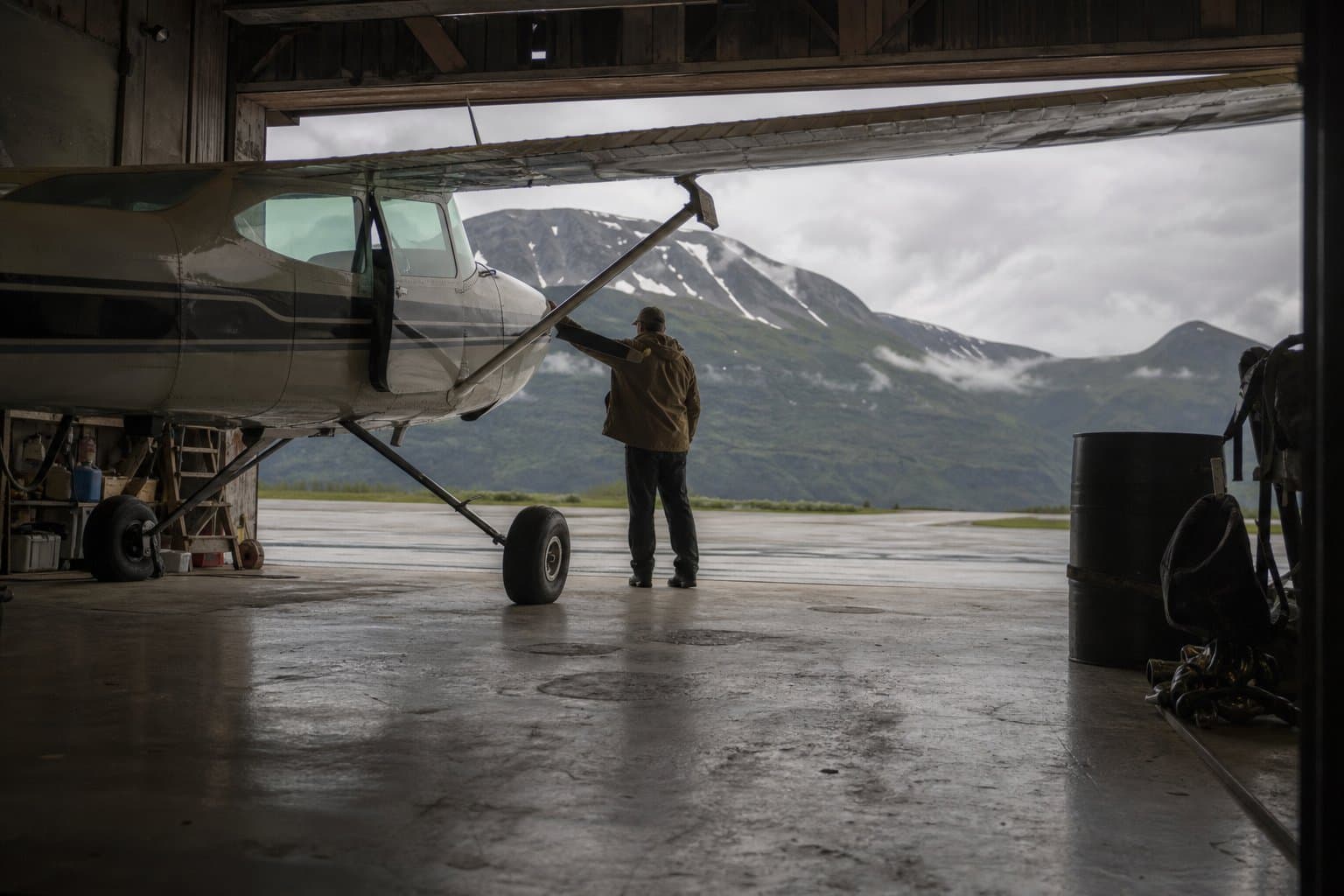
The Alaska Legislative Council has asked the U.S. Supreme Court to uphold the forfeiture of a bush pilot's airplane over beer found aboard as he prepared to fly to a dry village. The council filed a friend-of-the-court brief Oct. 13, and the court hears arguments Dec. 1.
In April 2012, troopers searched Kenneth Jouppi's plane in Fairbanks after he loaded it for a flight to Beaver, a Yukon River village of about 80 people that voted to ban bringing in alcohol, and found 72 cans of beer. According to Jouppi's lawyers, the beer was in a passenger's luggage, meant for her husband. The evidence at trial showed at least one six-pack was in plain view, according to the federal government's brief.
A jury convicted Jouppi of a misdemeanor, knowingly transporting alcohol to a dry village. He was sentenced to 180 days in jail with all but three suspended, a $3,000 fine with half suspended and three years of probation. State law also required the forfeiture of his plane, a 1969 Cessna the trial court valued at $95,000.
The trial judge twice refused to order the forfeiture, first because the plane hadn't flown toward Beaver, then because the judge found it an unconstitutionally excessive fine. The Alaska Court of Appeals sent the case back both times. In April 2025, the Alaska Supreme Court ruled that the forfeiture was constitutional because it was not "grossly disproportional" to the offense, noting the plane was worth "only 9.5 times the maximum fine."
Jouppi, represented by the Institute for Justice, argues in his brief that the Alaska Supreme Court used the wrong test. Under the Eighth Amendment's ban on excessive fines, his lawyers say, courts must weigh a penalty against what the defendant actually did, not the crime in the abstract. "The result: an airplane forfeited for a six-pack," the brief says. He asks the court to send the case back so the Alaska court can evaluate the forfeiture again.
The Legislative Council's brief argues that courts owe appropriate deference to lawmakers' judgments about how serious a crime is. It walks through decades of the Legislature's efforts to keep alcohol out of rural villages, ending with a 2004 law that made forfeiture of an aircraft mandatory upon conviction. "The legislative judgment underlying Alaska's forfeiture provision was earned the hard way: village by village, tragedy by tragedy," it says.
The federal government also urges the court to affirm, arguing that forfeiting vehicles used to smuggle alcohol is a tradition dating to the First Congress and that the ban on excessive fines allows forfeiture of the plane Jouppi knowingly used, regardless of its value. Four regional tribal organizations, the Association of Village Council Presidents, Copper River Native Association, Maniilaq Association and Tanana Chiefs Conference, filed a brief supporting the same outcome.
On Jouppi's side, the National Air Transportation Association notes that the trial court found him "willfully blind" to a clearly visible six-pack but made no finding that he was responsible for the other 66 cans.
The council voted 10-0 in September to spend up to $50,000 on outside lawyers for the brief. Whitney A. Brown and Jacob B. Gerrish of the law firm Stoel Rives are listed as its lawyers.
Source: Legislative Affairs Agency, Legislative Affairs Agency: RFP 694 – Alaska State Capitol Elevator Modernization.
Made by our human newsroom with AI. How humans and AI work here · Grow with our newsroom
Stay informed. Support what matters.
Free local news you can verify. Support Walter AlaskaNews and go ad-free.








Comments
Sign in to leave a comment.
No comments yet. Be the first to share your thoughts.