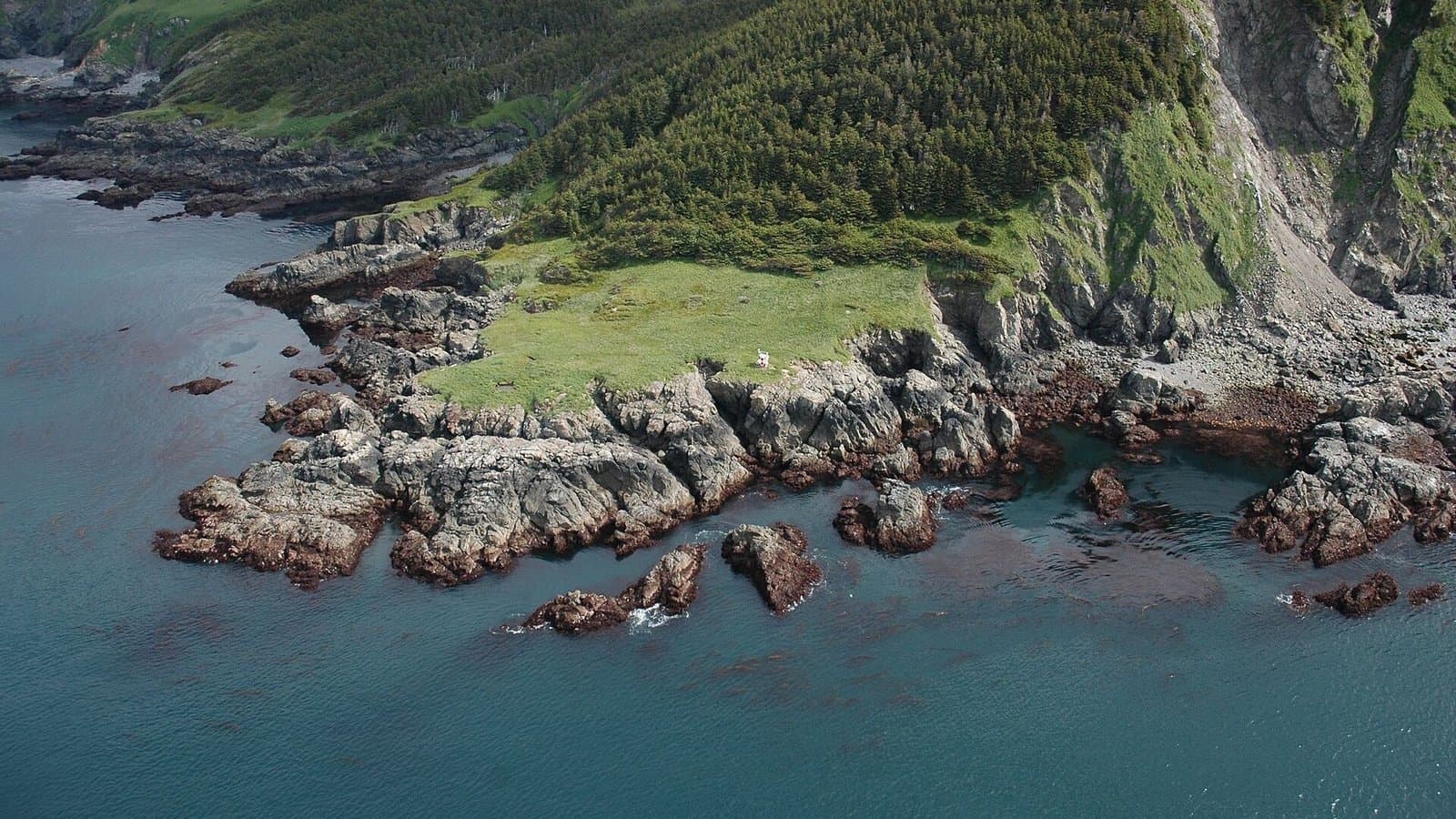
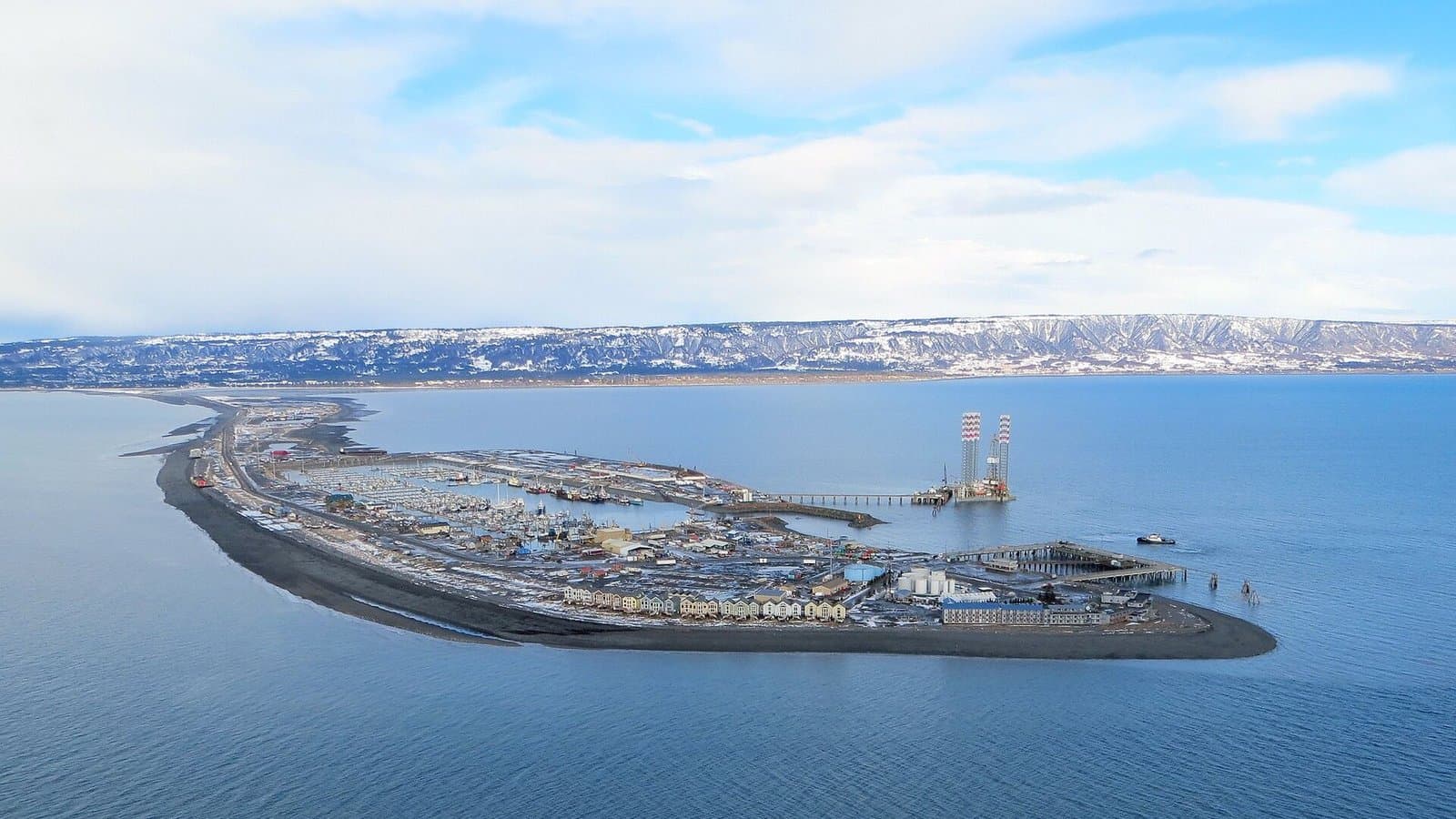
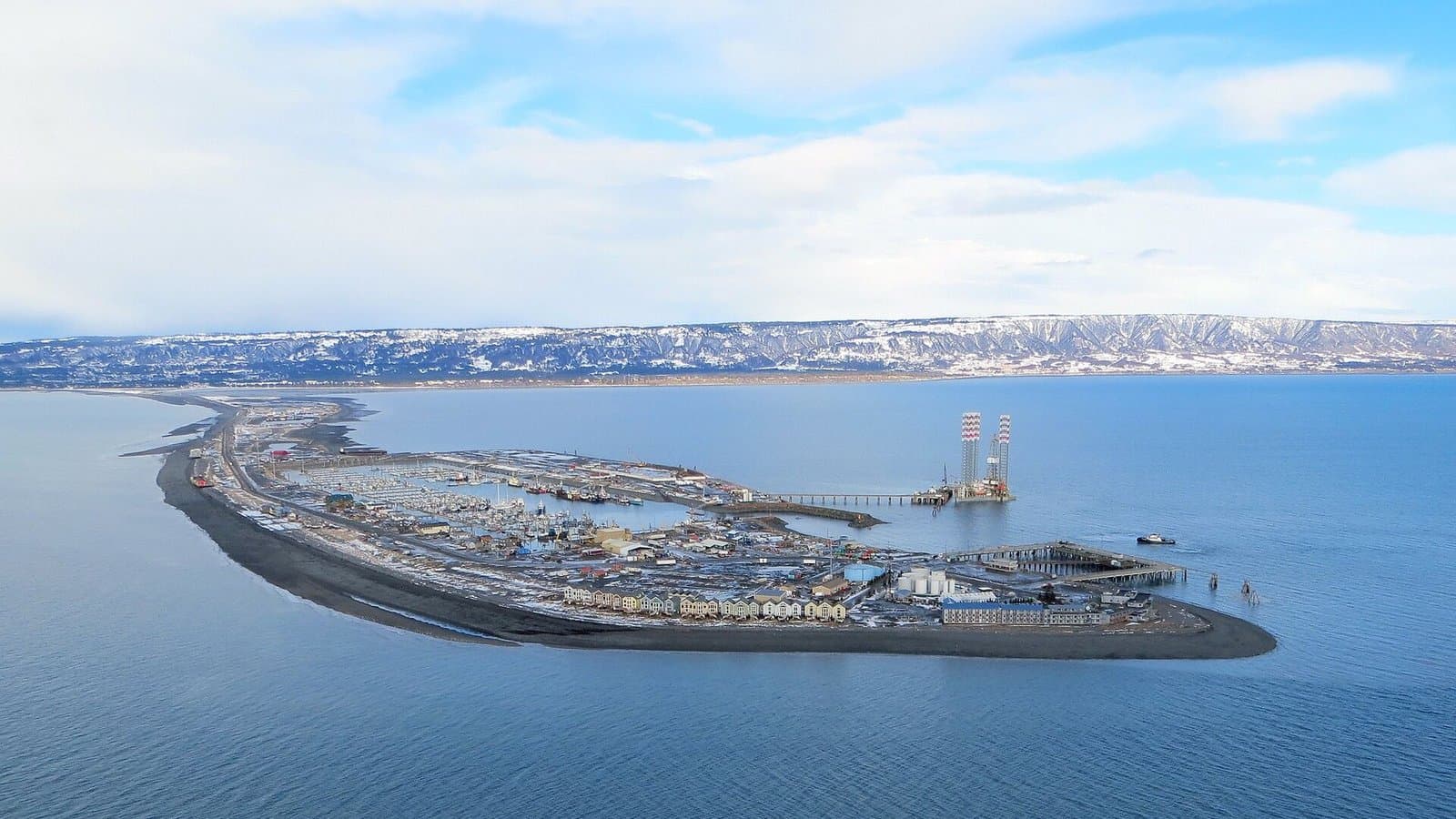
Photo: Alaska ShoreZone Program NOAA/NMFS/AKFSC; Courtesy of Mandy Lindeberg, NOAA/NMFS/AKFSC. via Wikimedia Commons · Photo source · Public domain
Fish board to weigh resident-first kings, Homer Spit nets and helicopter anglers
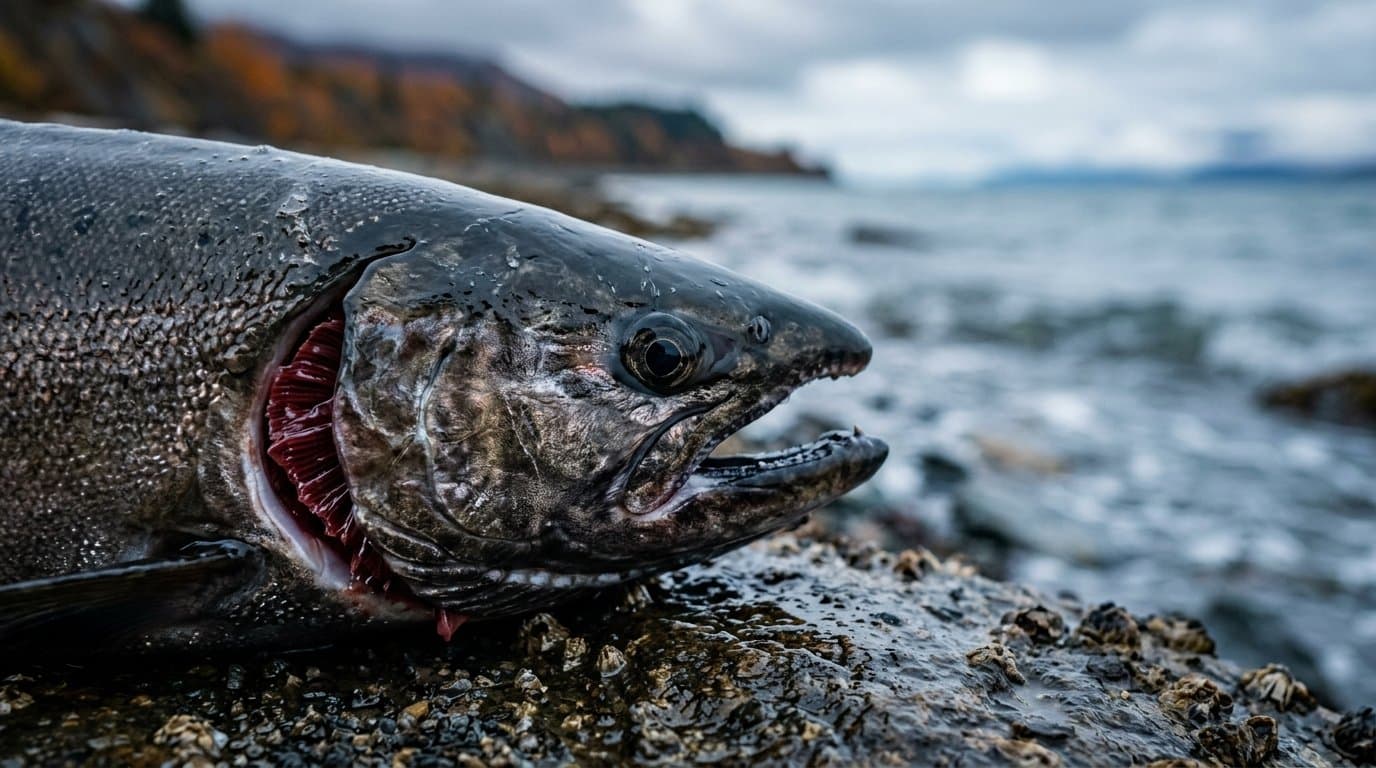
The Alaska Board of Fisheries will weigh next month whether Alaska residents get priority in Lower Cook Inlet's saltwater king salmon fishery when the catch is restricted, whether commercial fishing must stay back from the Homer Spit and whether helicopters can keep flying anglers to four Kenai Peninsula steelhead streams.
Those are among 50 Lower Cook Inlet finfish proposals the board takes up Dec. 1-4 at the Alaska Vocational Technical Center in Seward. Most were filed by individuals and local groups. Fish and Game filed five.
Written comments are due in November, but the state's own materials disagree on the date. The board's meeting page says Nov. 23, and the cover of the proposal book says Nov. 16. Comments filed by Nov. 16 meet both.
The resident-priority proposal comes from Cook Inlet Recreational Fisherman. Emergency orders have cut the saltwater bag limit from two kings to one in recent seasons, the group wrote, and it expects that to continue. Nonresident anglers took more than half of the 2024 king harvest in the fishery, it says, as Homer's charter fleet grew.
Under the proposal, when the state has conservation concerns or the catch is on track to reach its harvest target, the commissioner could cut back nonresidents first. Next could come a ban on guides and crew keeping kings while guiding, then a 28-inch minimum size. Cutting residents to one fish would come last, unless the commissioner decided another order was needed. Kodiak and Southeast Alaska already give residents priority in their king salmon plans, the proposal notes.
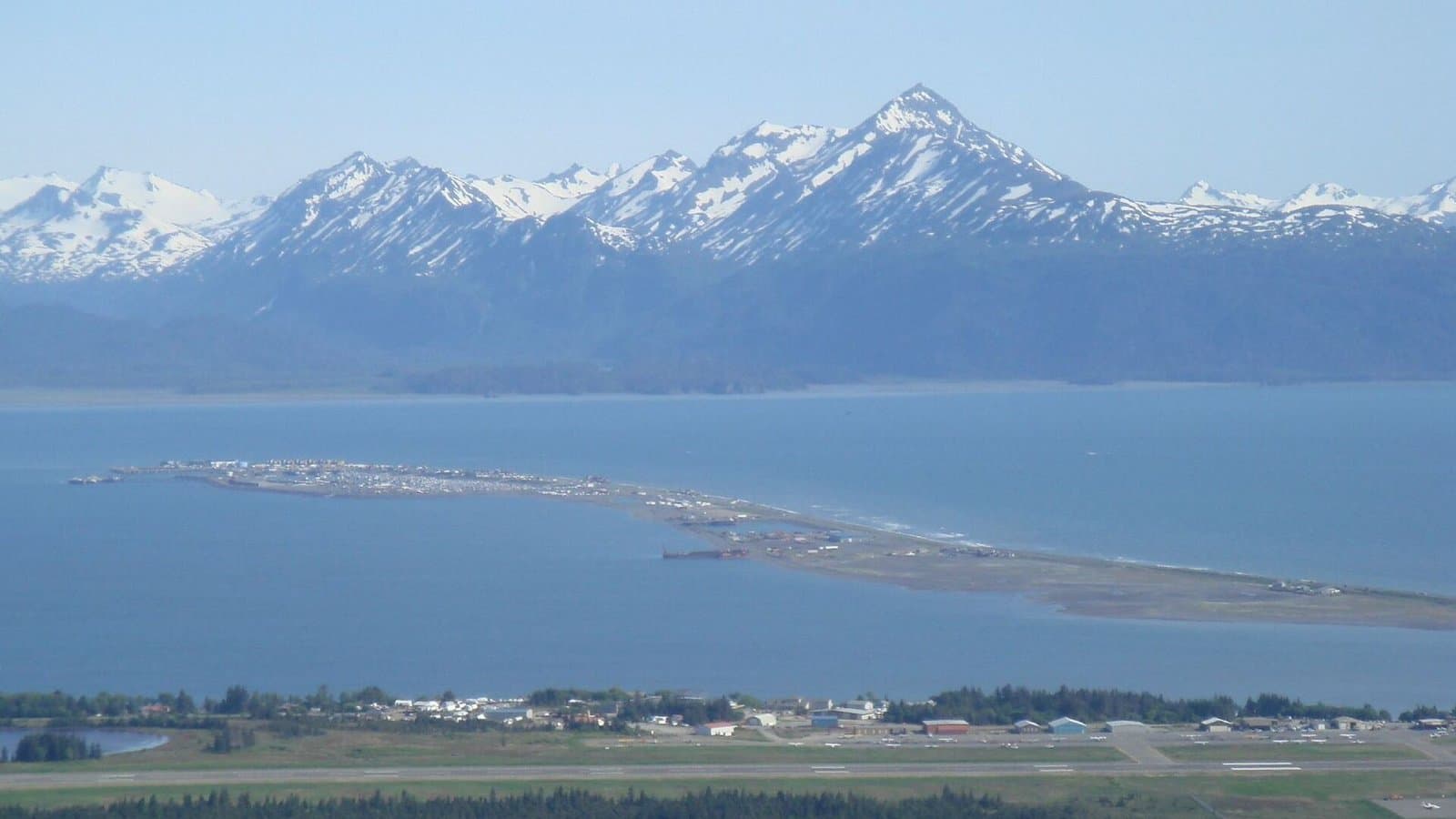
Three proposals would push commercial fishing back from the Homer Spit, by a half mile or a mile, saying nets get in the way of boats going in and out of Homer's harbor. Homer's Fish and Game Advisory Committee takes them up Nov. 10.
Another would ban using helicopters to carry anglers or their fish on Deep Creek, the Anchor River, Stariski Creek and the Ninilchik River. Its author, James Stubbs, calls them some of "the last best steelhead fishing accessible by road in North America." Anglers hike for hours to reach water other walk-in anglers haven't fished, he wrote, "only to have a helicopter land at their intended destination."
Several proposals deal with hatcheries. Of the 353,726 salmon harvested commercially in Lower Cook Inlet in 2026, 45% were sold to cover hatchery costs, according to Fish and Game's preliminary season summary. One proposal would repeal the management plan for the Port Graham hatchery, which its author says is closed. Others would change the plans for the Tutka Bay Lagoon and Trail Lakes hatcheries. Cook Inlet Aquaculture Association, which harvests hatchery salmon for cost recovery in the region, filed its own proposal for Resurrection Bay.
Six proposals deal with rockfish. One says pelagic rockfish harvests have greatly increased in recent years and that lower bag limits, including emergency orders the last two summers, haven't been enough. Another would set a harvest target of 50,000 fish for Lower Cook Inlet's recreational pelagic rockfish catch.
Nine of the 50 will get public testimony in Seward and again at the board's Upper Cook Inlet meeting in Anchorage, March 4-15. The board plans to deliberate on those in March.
The board may also try a new step in Seward. Fishermen have complained that the board rewrites proposals after the public's last chance to speak. At an Oct. 29 work session, Chair Märit Carlson-Van Dort suggested trying a "final committee of the whole," a last chance for the public to respond to rewritten language, as a pilot this cycle "if the membership is willing."
She expected it to cover probably four or five proposals a meeting. The three other board members who spoke said it was worth trying. Carlson-Van Dort added that the board should "reserve the right to make changes in deliberations," according to a recording of the session.
Made by our human newsroom with AI. Reviewed by Cale Green. How humans and AI work here · Grow with our newsroom
Get Alaska News in your inbox
Create your free account and get the day’s top stories around 6 each morning, in a few minutes’ read.
The day's top stories around 6 each morning. Unsubscribe in one click.
Based on a press release from Alaska Department of Fish and Game.








Comments
Sign in to leave a comment.
No comments yet. Be the first to share your thoughts.