AI image
NOAA approves marine mammal permit for Petro Marine's Juneau fuel dock rebuild
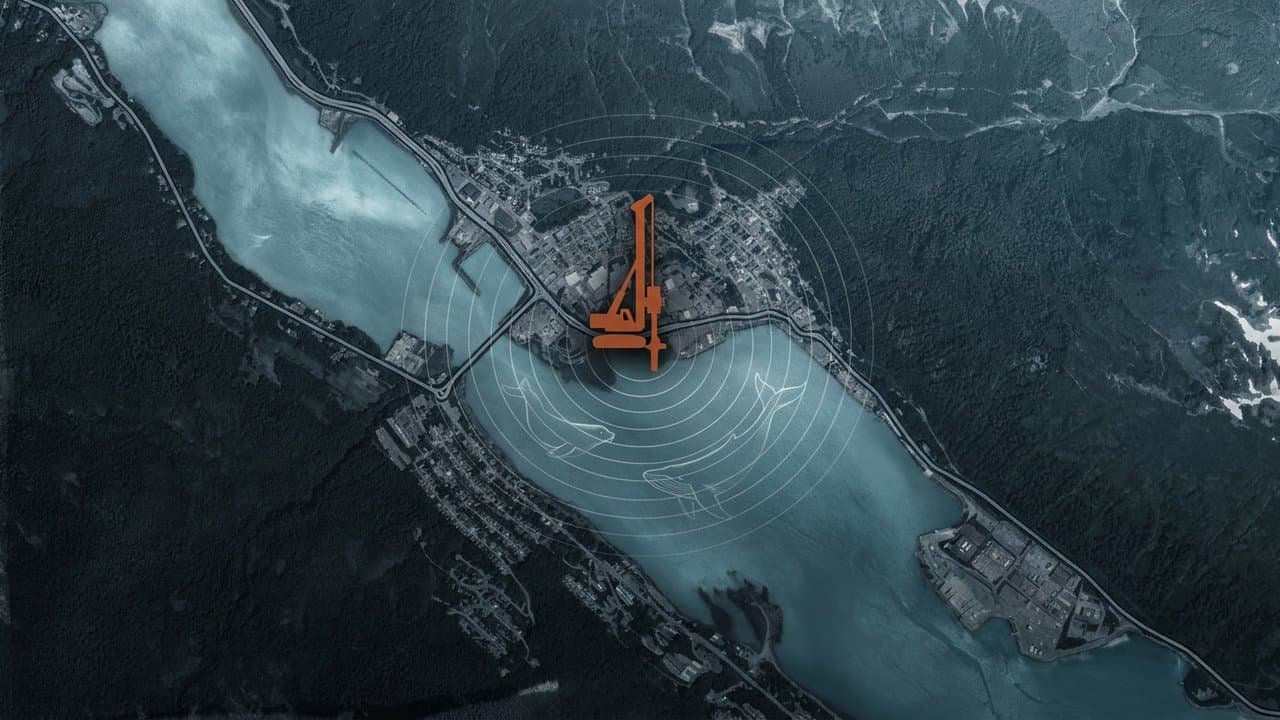
NOAA Fisheries on Monday approved a permit for Petro Marine Services to replace its 55-year-old fuel dock in Juneau, covering the effects that next year's pile driving in Gastineau Channel would have on seals, sea lions, porpoises and whales.
The agency found the work would have a negligible impact on those species and expects no animal to be killed or seriously injured. It received no substantive public comments and kept the numbers and safeguards it proposed in September.
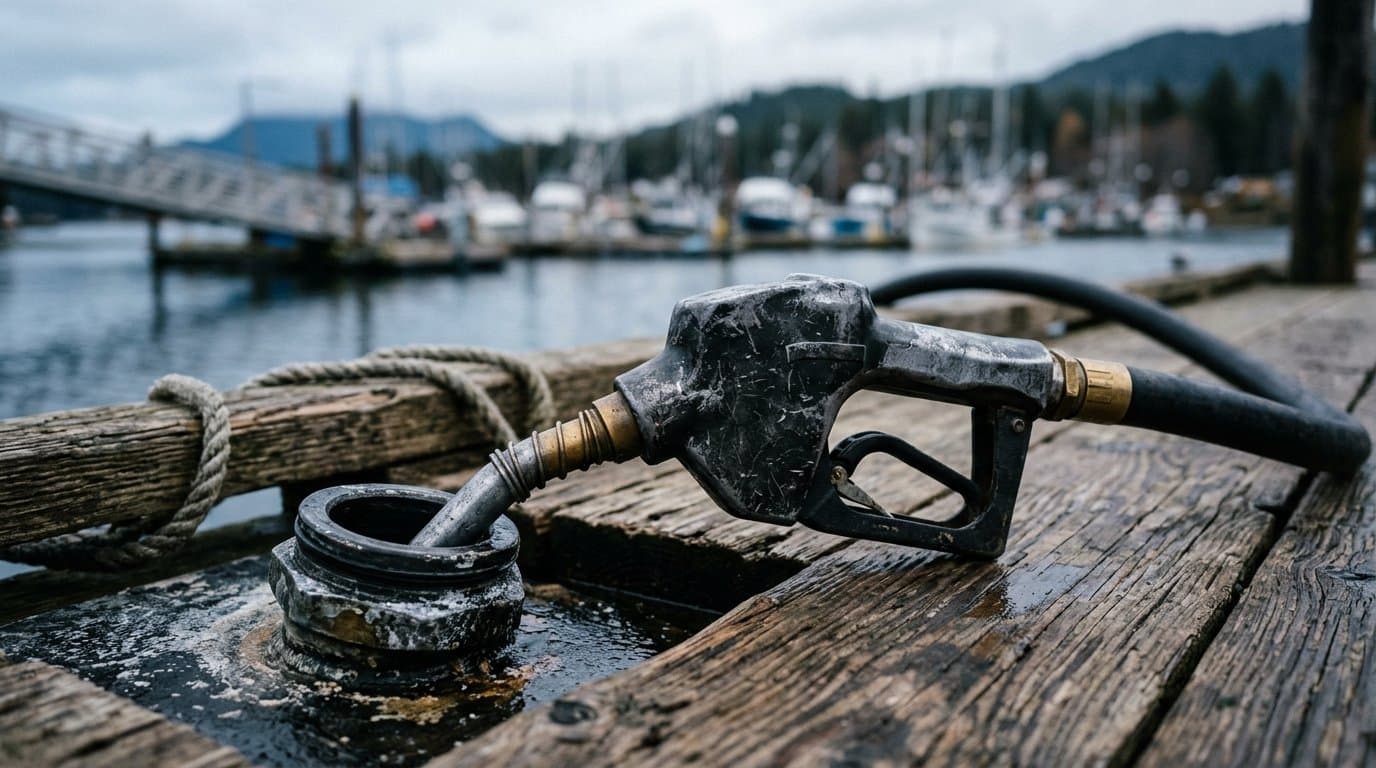
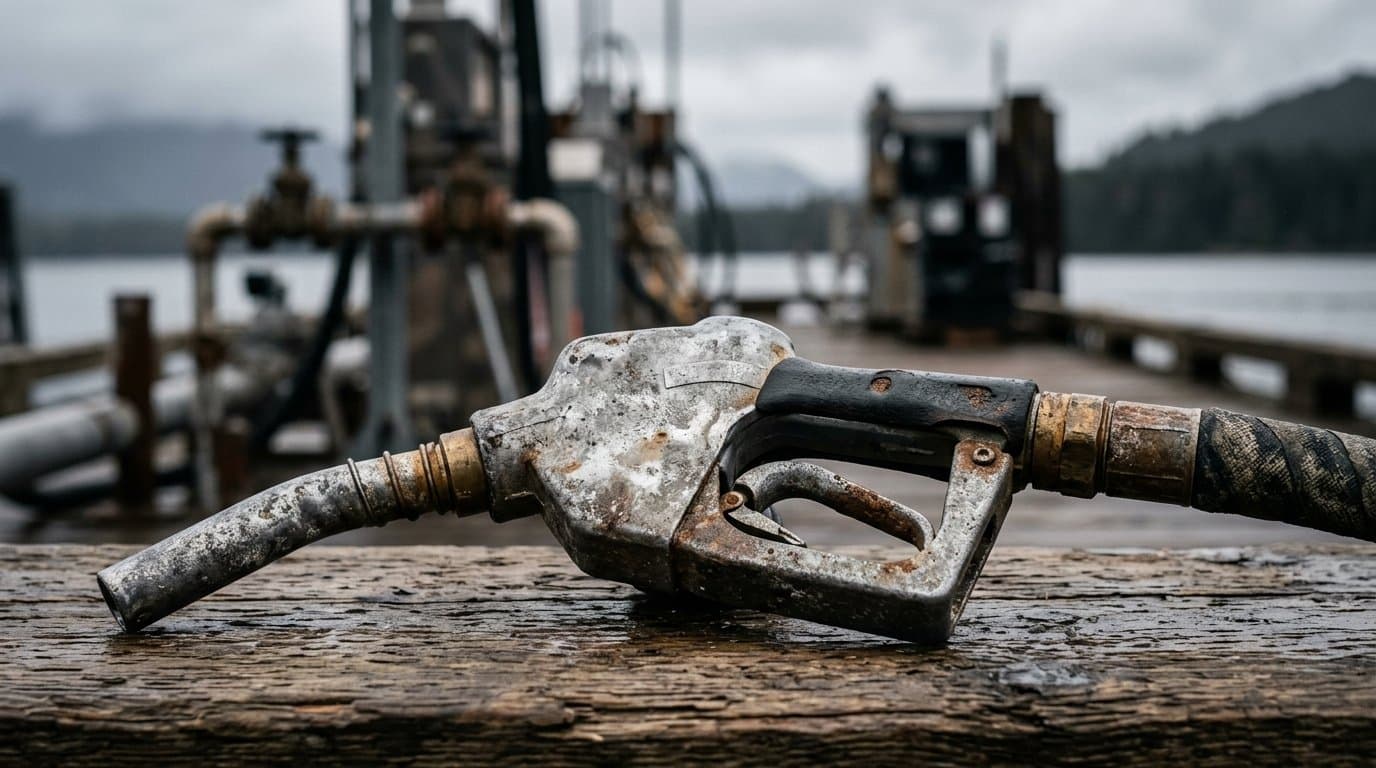
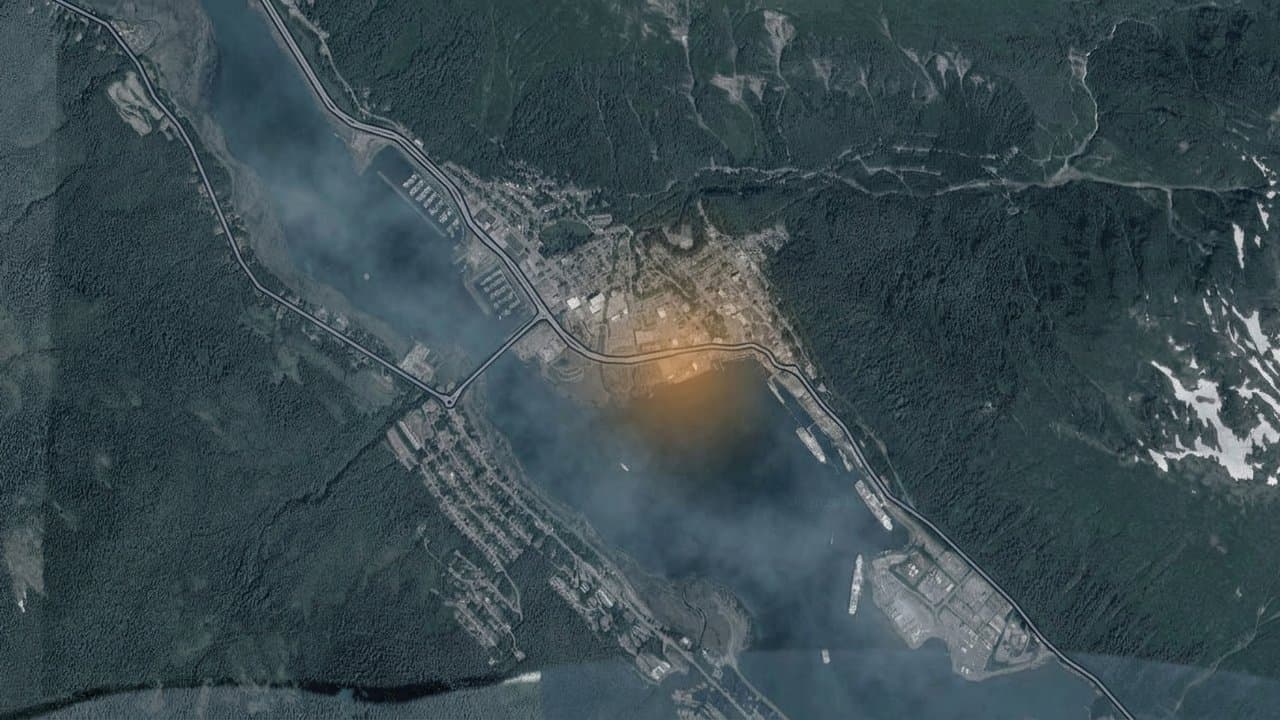
The dock and fuel float at Petro Marine's Rock Dump terminal, near downtown Juneau, were built in 1971. They have aged to the point that "even regular maintenance cannot keep up," which "increasingly presents life and safety issues" for workers and equipment, the company says in its application.
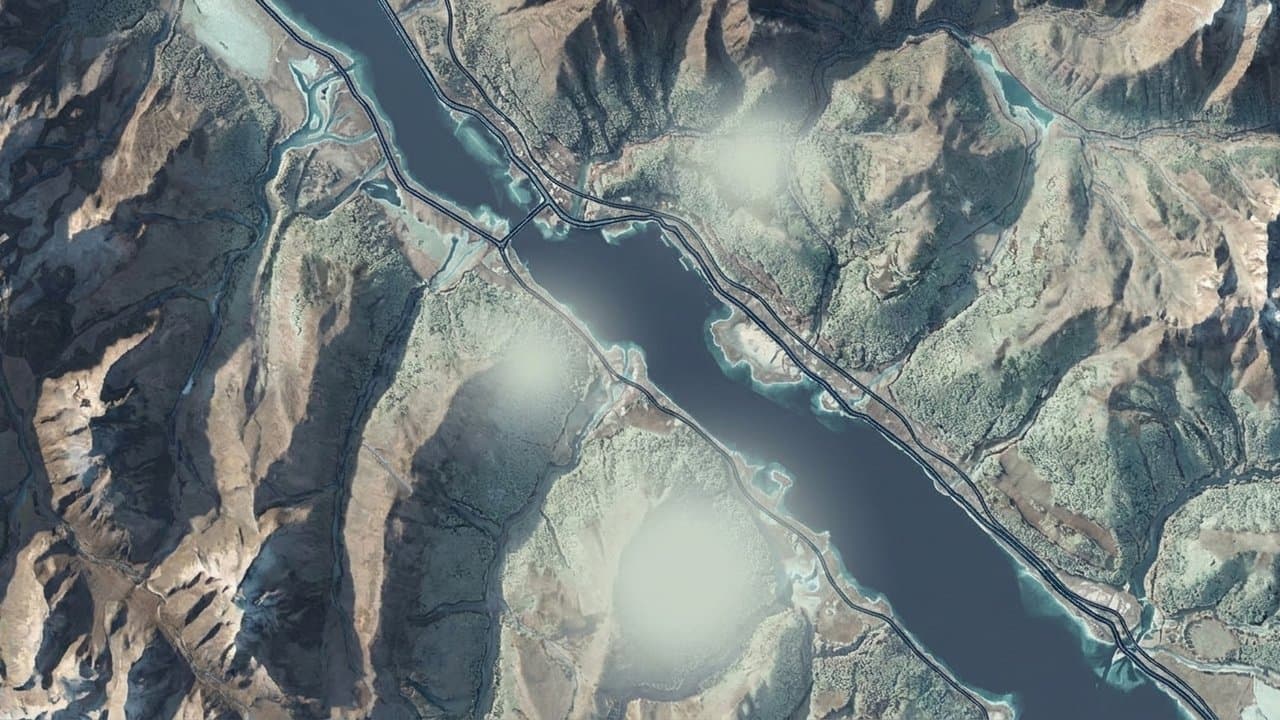
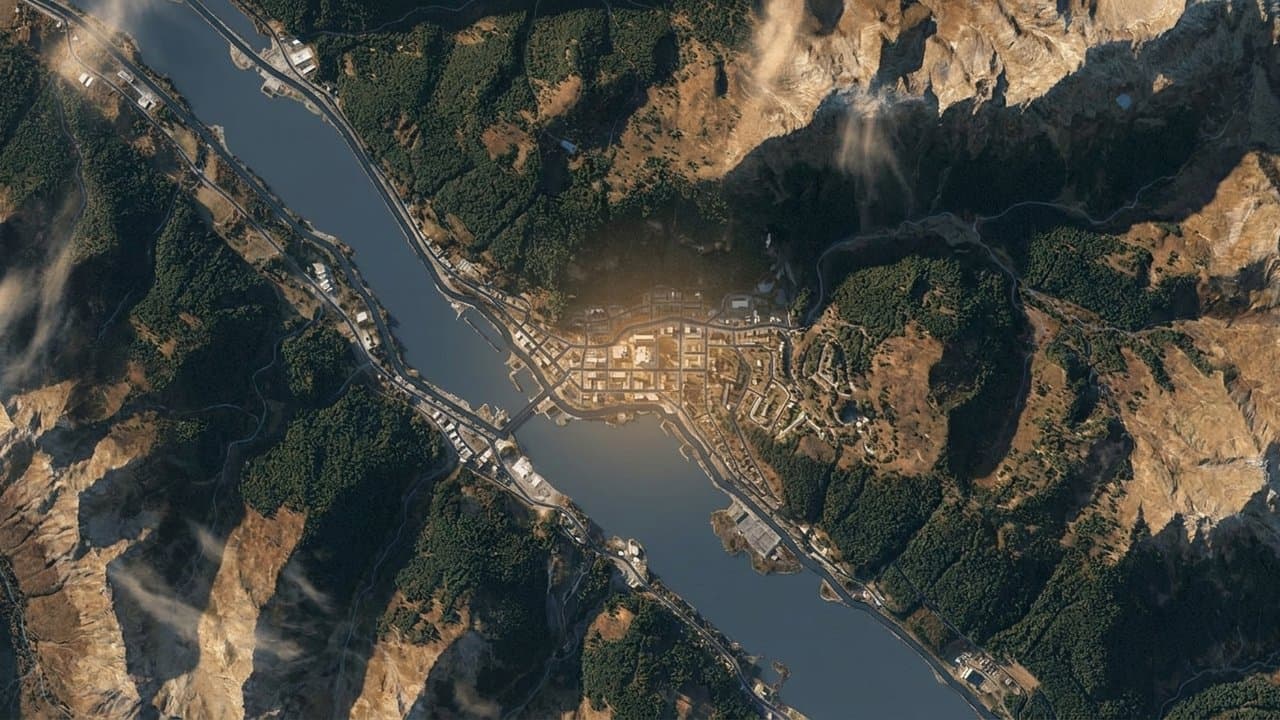
Crews would pull 208 old pilings and install 69 new piles, according to an Army Corps of Engineers public notice, replacing the dock and float with a new T-dock on steel piles. About 2,200 cubic yards of armor rock would replace a timber retaining wall on an embankment the company says is "prone to coastal erosion." On land, Petro Marine plans a modern loading rack for tanker trucks, a pump control building, storm drains and an oil-water separator, which it says would improve how fuel trucks move through the site and modernize stormwater treatment. New fuel lines would run to a cabinet on the dock shared with Delta Western.
Work is scheduled to start in January, once the company has its permits and a contractor, with about 81 days of in-water work over the year. Petro Marine is also seeking permits to replace its aging fuel docks in Ketchikan and Wrangell.
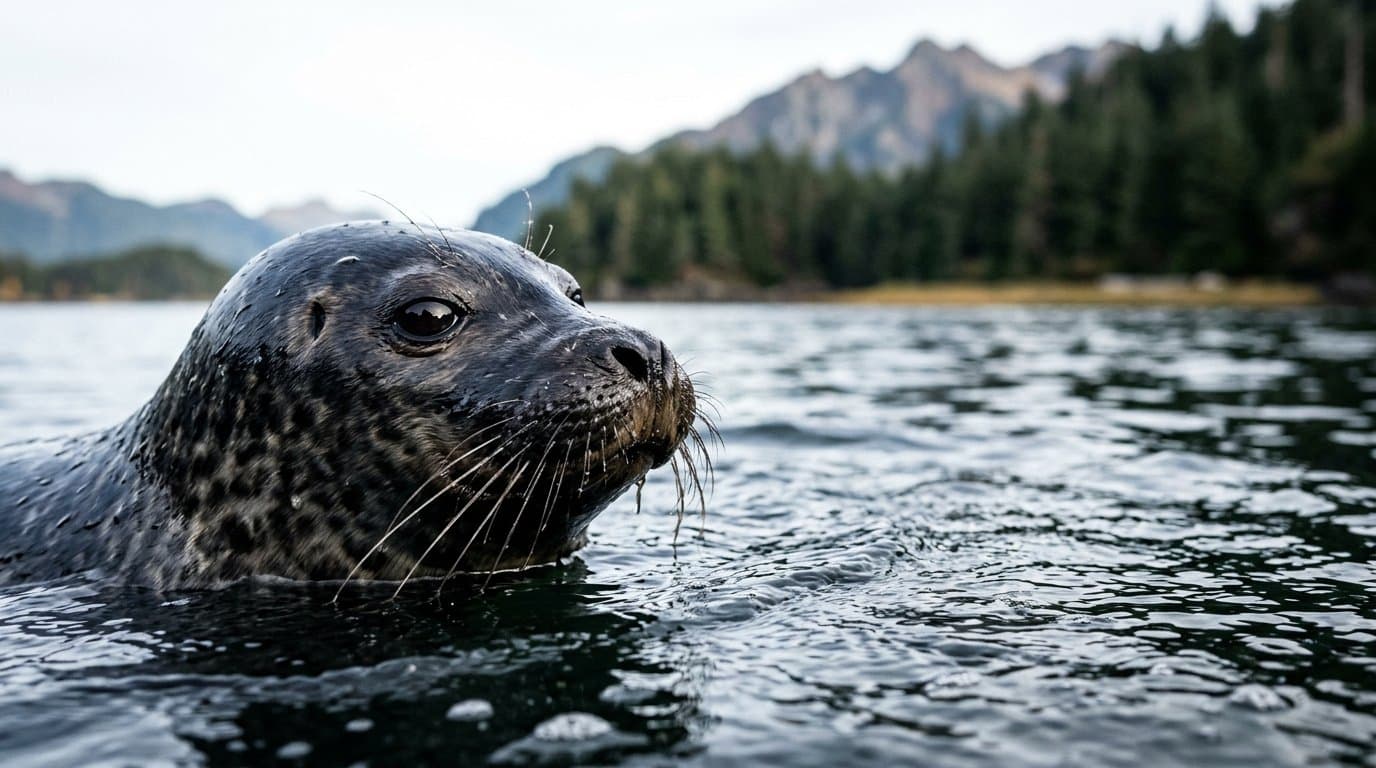
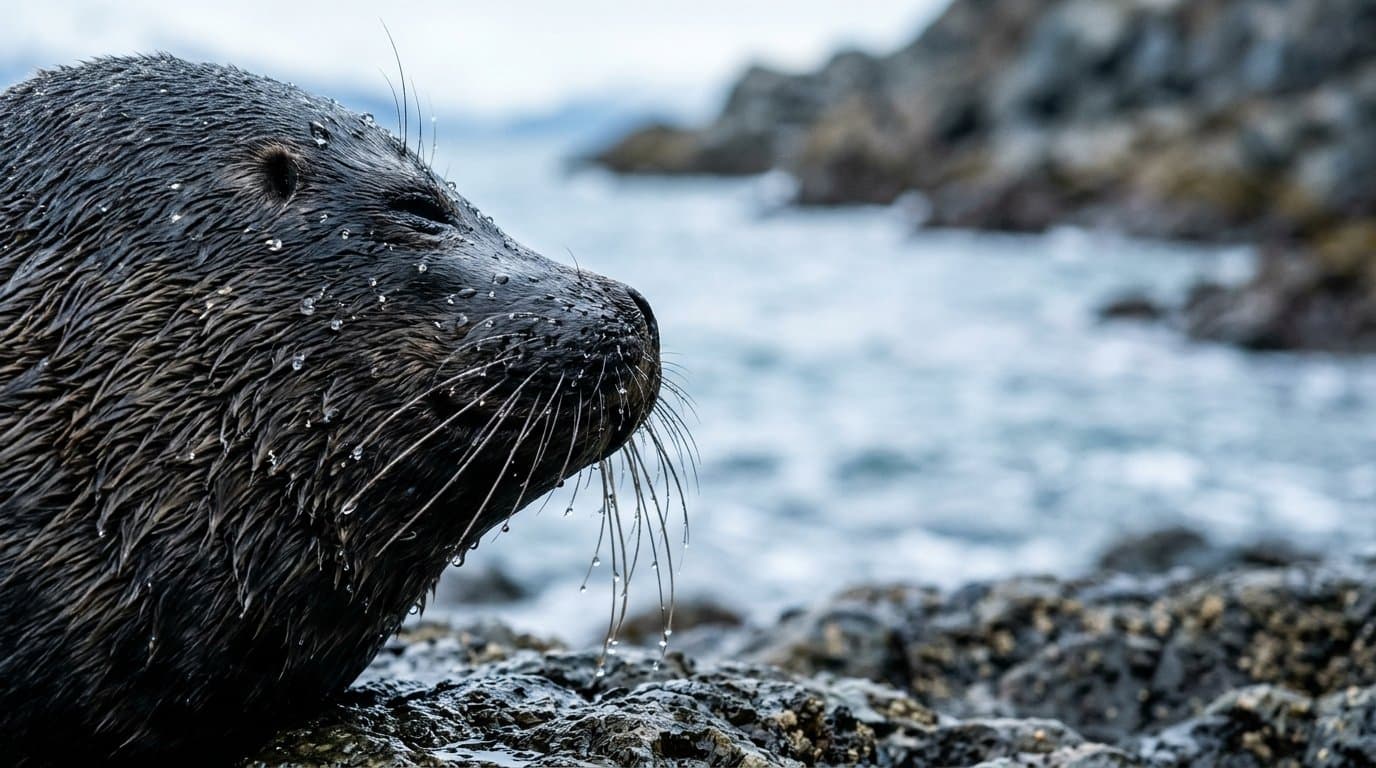
Harbor seals account for most of what the permit allows, including up to 846 exposures to noise that could injure their hearing. The figures count exposures, not individual animals. A 2020 monitoring report cited by NOAA suggests a resident group of about 10 to 12 seals uses the channel in winter.
Work must stop when a seal comes within 25 meters, about 80 feet. The company and NOAA said a wider zone wasn't practical because seals are hard to spot and are often seen close to construction, sometimes approaching active pile driving, which could mean frequent delays or shutdowns. NOAA said that because impact hammering would be intermittent, seals would likely have time for their hearing to recover after any exposure, but it authorized the 846 "to avoid underestimating" the potential for injury.
At least two observers must watch the water during all pile driving, and impact hammering starts each day with reduced-energy strikes to give animals a chance to leave. Petro Marine won't use a bubble curtain, which can reduce underwater noise near the source. The company said strong tides and piles in the intertidal zone would limit its effectiveness and that it would be cost prohibitive and "would prevent the project from going forward." NOAA agreed.
The permit runs through Oct. 25, 2027.
Source: NOAA issues notice on marine mammal take for PetroMarine Juneau rock dump project, released .
Made by our human newsroom with AI. Reviewed by Cale Green. How humans and AI work here · Grow with our newsroom
Stay informed. Support what matters.
Free local news you can verify. Support Maggie AlaskaNews and go ad-free.




Comments
Sign in to leave a comment.
No comments yet. Be the first to share your thoughts.