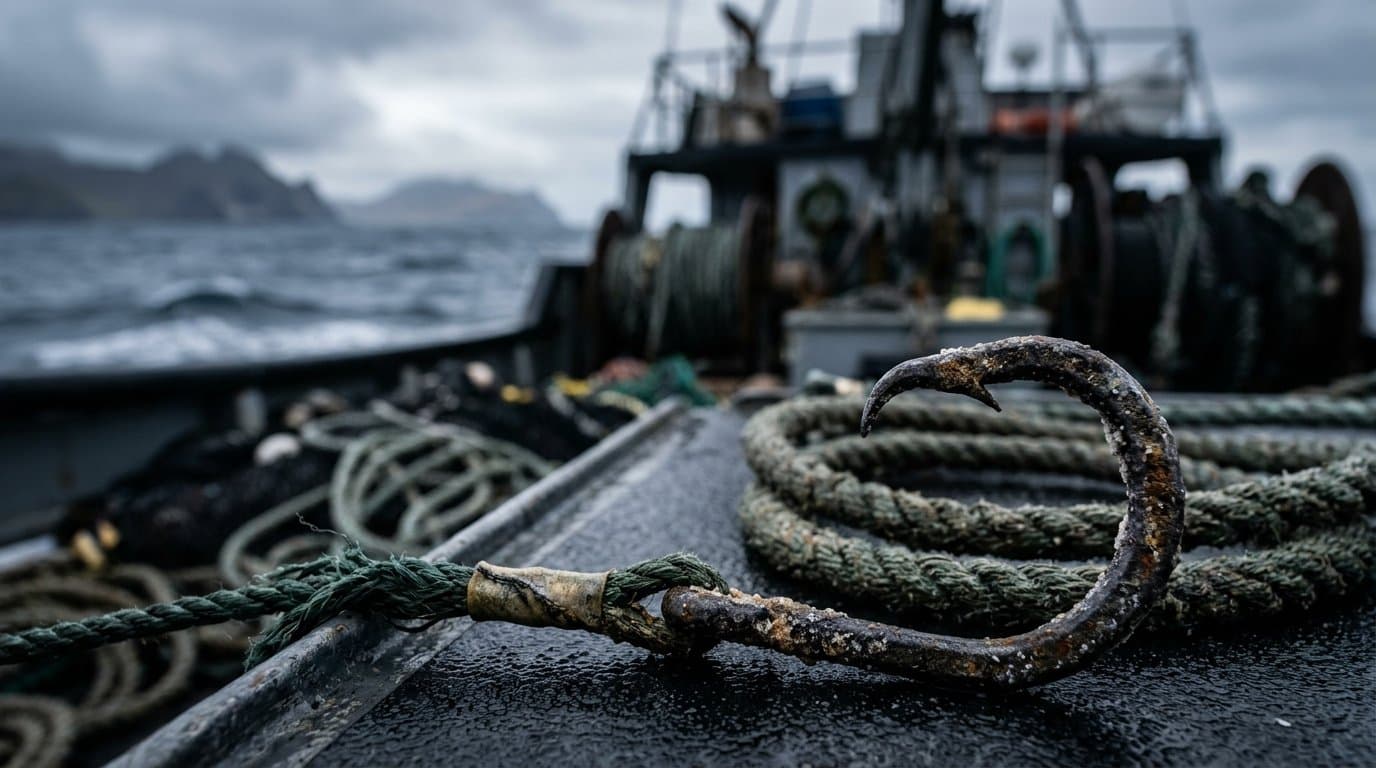
AI image
Draft federal report estimates Western Aleutian seabird bycatch rose 128% in 2025
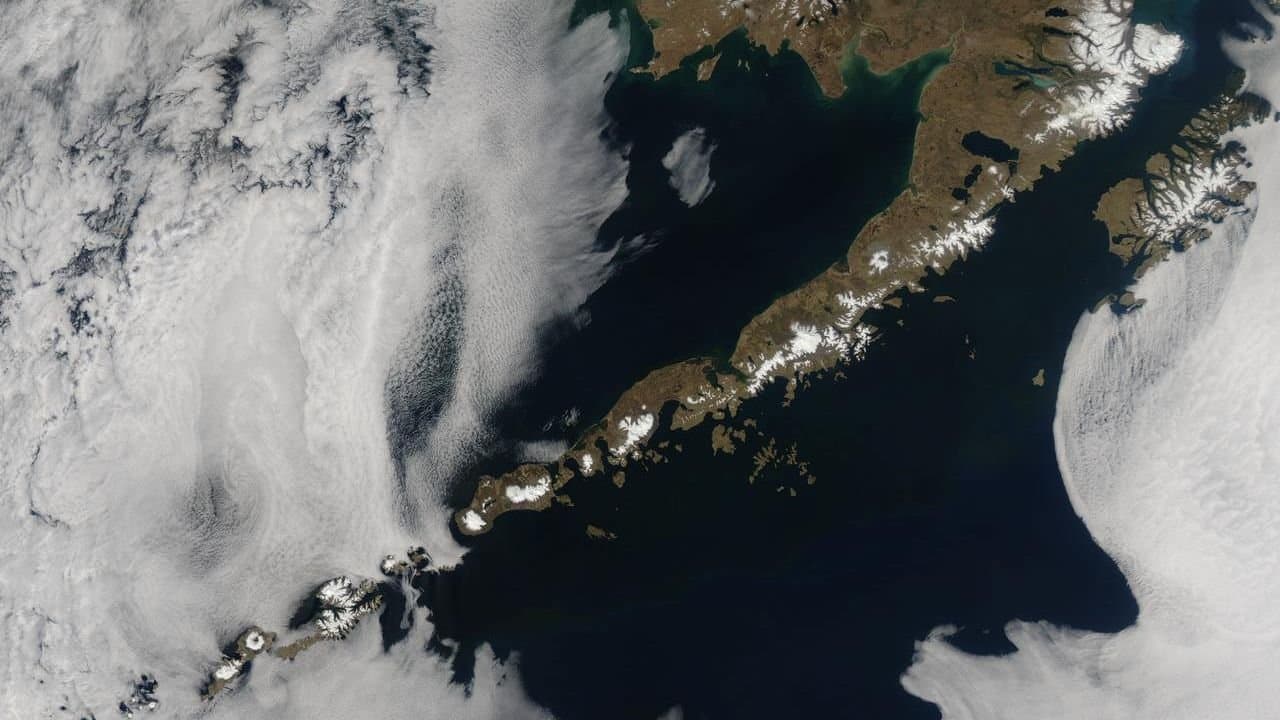
A draft ecosystem report for the North Pacific Fishery Management Council estimates that federally managed groundfish and halibut fisheries in the Western Aleutian Islands caught 741 seabirds in 2025. That is a 128% increase over the 2016-2024 average. All 741 were shearwaters, according to the report's table.
The Aleutian Islands Ecosystem Status Report 2026 is one of three regional reports, along with the eastern Bering Sea and Gulf of Alaska, that the council uses in setting total allowable catch. Final versions go to the council at its December meeting, when Alaska's federal groundfish harvest recommendations are finalized. Written comments are open until noon Nov. 27.
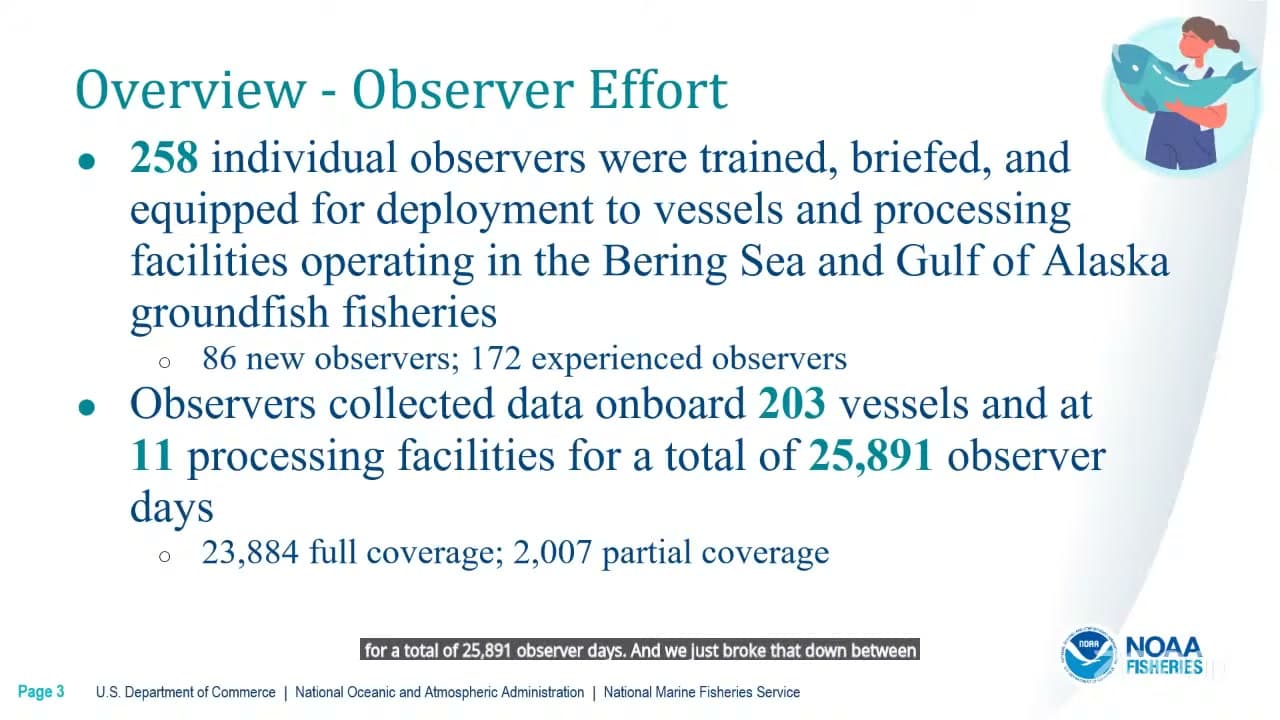
The seabird figures were compiled by Jessica Beck of NOAA's Alaska Fisheries Science Center and Maggie Chan and Cathy Tide of NOAA's Alaska Regional Office. They are extrapolations from federal observer records aboard commercial vessels, not direct counts.
Totals fell elsewhere in the chain. In the Eastern Aleutians, estimated takes fell 63%, to 59 birds from a 162-bird average. The report attributes that largely to low numbers of shearwater and Northern Fulmar takes. In the Central Aleutians, shearwater and fulmar takes were zero in 2025, and the region's total was 71 birds. Across all Aleutian regions, the report says, 2025 bycatch fell compared with the 2016-2024 average. No Endangered Species Act-listed seabirds were taken in 2024 or 2025.
Central Aleutian storm petrel takes were estimated at 66 birds in 2025, up 214% from a 21-bird average. The report notes that estimate was extrapolated from a single Leach's storm petrel recorded in a trawl sample. The authors call it an example of the challenges of extrapolating uncommon bycatch events in a highly complex fisheries management region.
In the west, the report says shearwater takes rose 172% from a 272-bird average. Aleutian shearwater takes are mostly Short-tailed Shearwaters. They scavenge bait and offal, or fish waste, behind fishing vessels, and can switch from natural prey to offal where natural prey is scarce. Past estimates tied high shearwater bycatch to odd years with abundant pink salmon. The report says the 2025 increase follows that pattern, though the authors say more analysis of fleet-related and ecological factors is needed.
The 2025 western estimate is not the series high; the same table puts 2019 at 1,664 birds. Longline vessels over 26 feet were required by 2004 to use streamer lines in the Bering Sea and Aleutian Islands, and the council says 2004 rules for longline vessels over 55 feet cut seabird bycatch 73% from late-1990s levels.
What did you make of this story? (no account needed)
Made by our human newsroom with AI. How humans and AI work here · Grow with our newsroom ·
Get Alaska News in your inbox
Create your free account and get the day’s top stories around 6 each morning, in a few minutes’ read.
Top stories, around 6 each morning.
Stories on what you follow, on Sundays.
Assembled from public records the newsroom collected.







Comments
Sign in to leave a comment.
No comments yet. Be the first to share your thoughts.