AI image
Bering Sea pollock fleet's non-king salmon bycatch held at about 152,000 this year
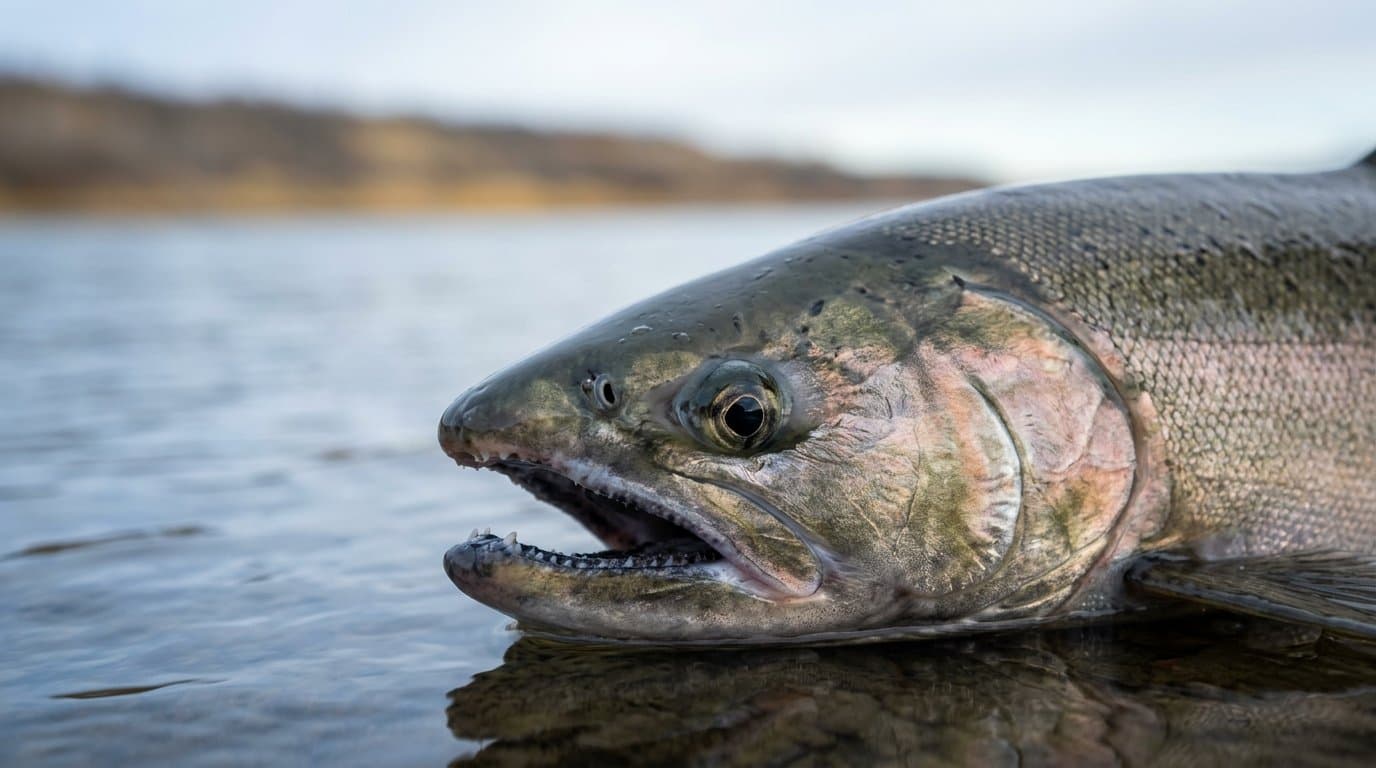
Bering Sea pollock boats caught about 152,000 chum and other non-king salmon this year, almost exactly as many as last year, according to NOAA Fisheries' year-end count.
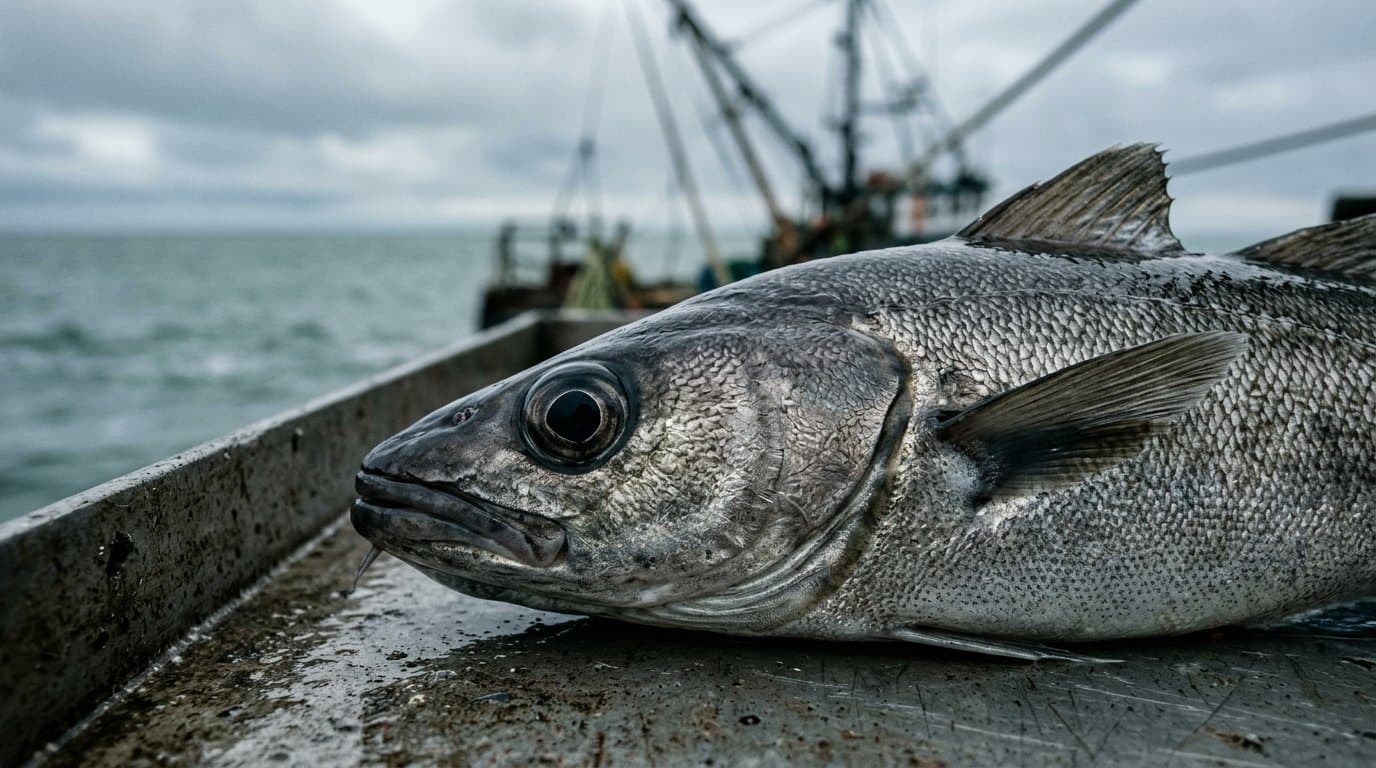
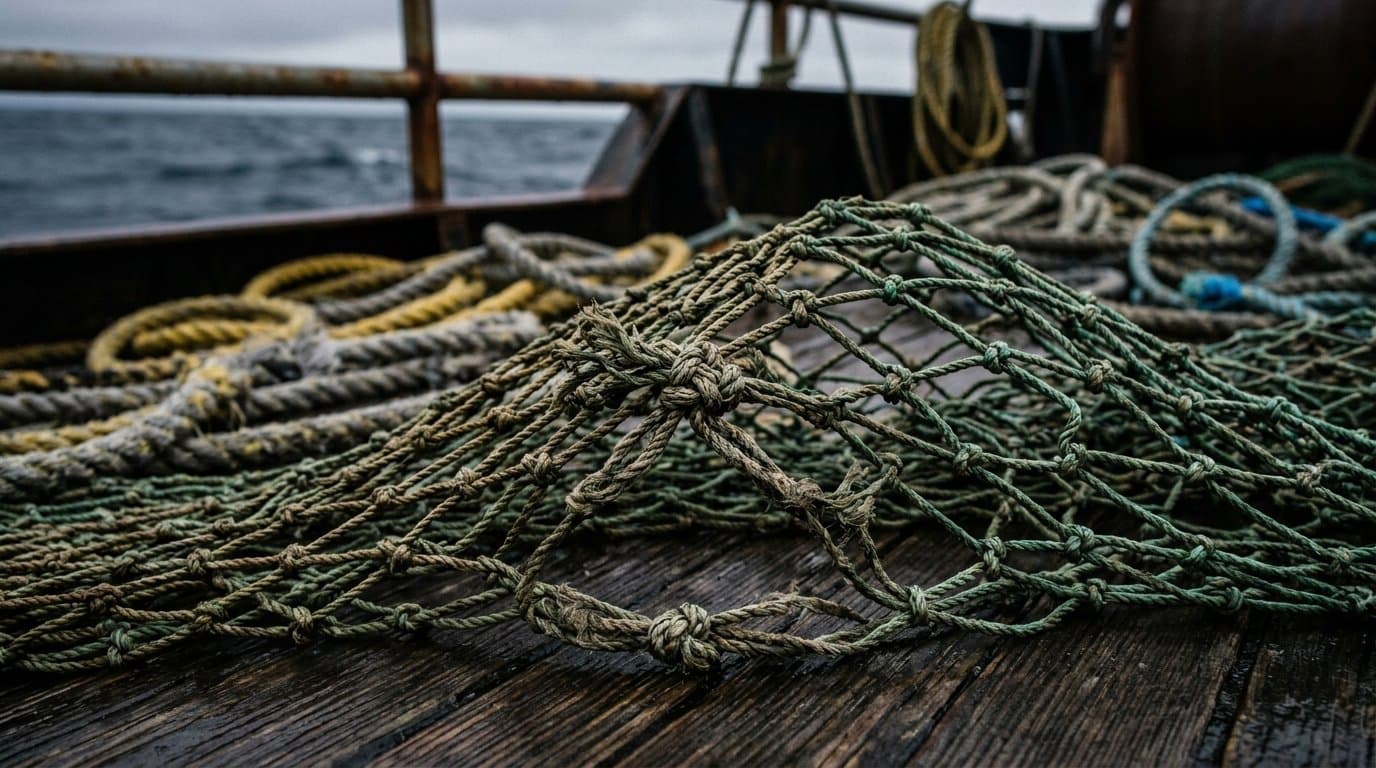
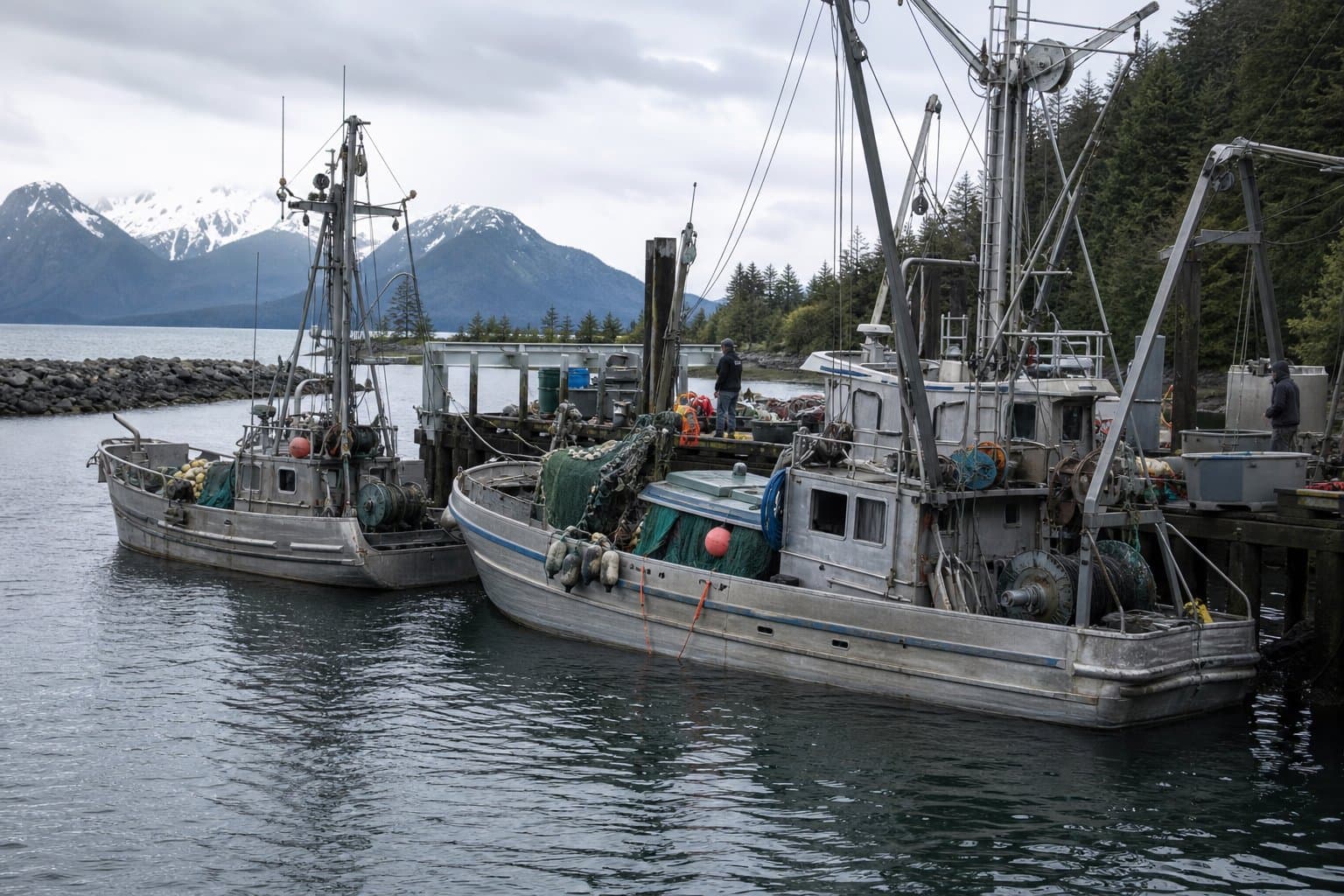
Pollock, a whitefish used in fish sticks and imitation crab, is caught with trawl nets, big nets pulled through the water. Salmon get caught too. That's bycatch, and the boats aren't allowed to sell them.
How many salmon end up in those nets has been debated for years. Western Alaska chum returns "have declined substantially in recent years and reduced or eliminated in-river harvest opportunities," the North Pacific Fishery Management Council, which recommends fishing rules for federal waters off Alaska, said this year.
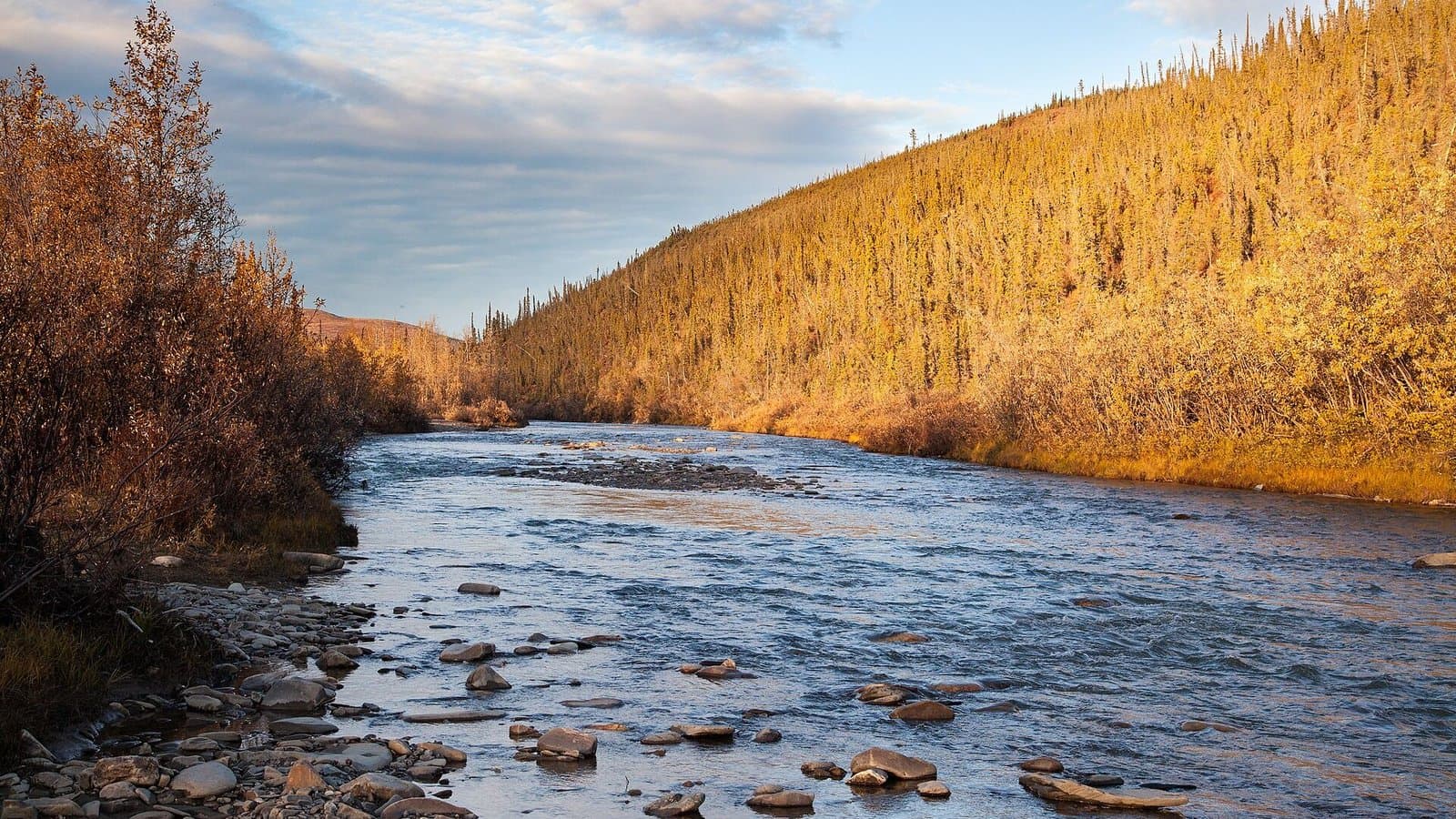
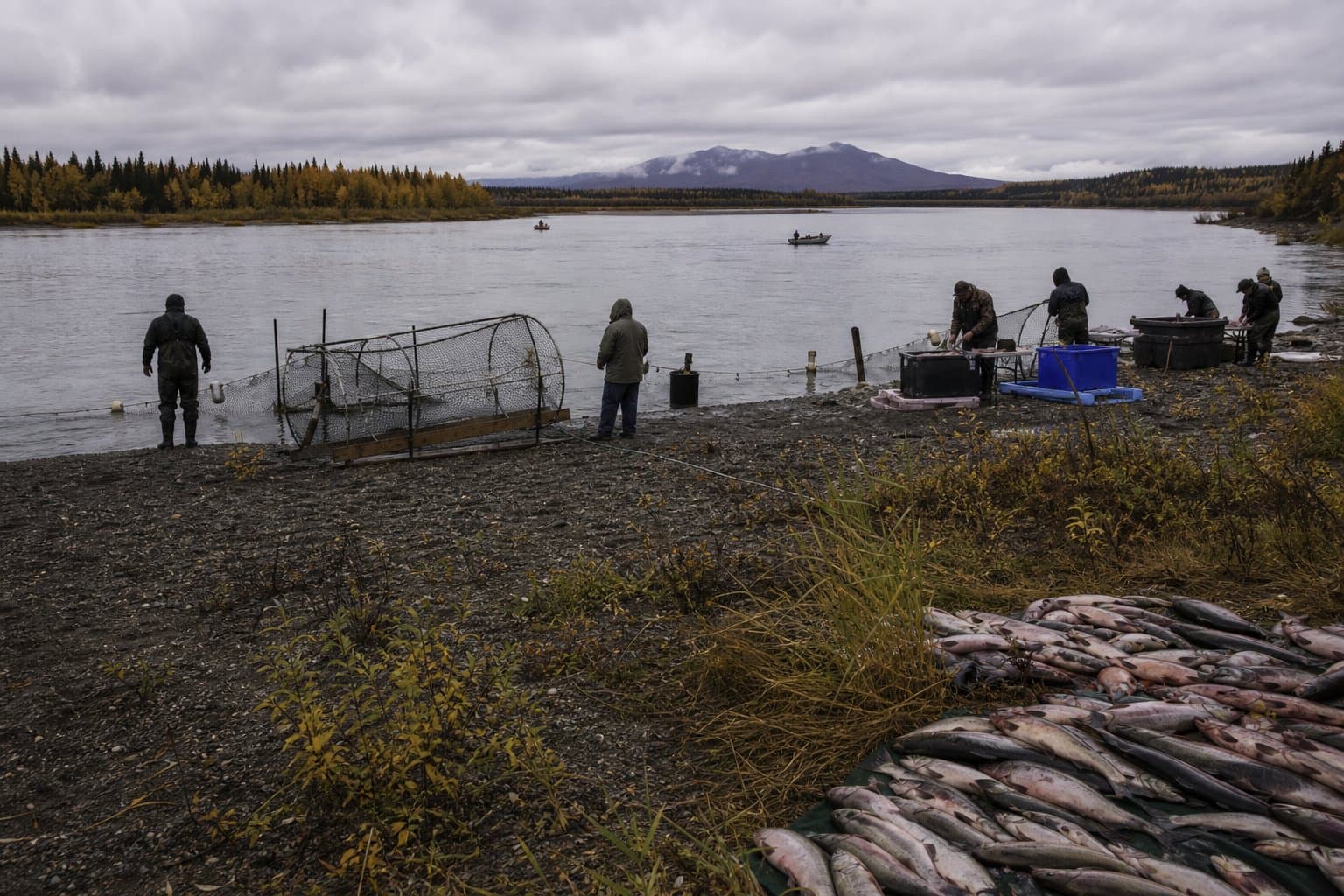
On the Yukon River, this year's summer chum run was projected at more than double its forecast, opening subsistence fishing windows across much of the river. But a weak projected fall run closed chum fishing across nearly all of the river starting in July.
The fleet's count, through Nov. 6, was 151,697 non-Chinook salmon, compared with 151,457 in 2025. It has swung widely: 242,375 in 2022, 112,303 in 2023 and 35,130 in 2024, the lowest of the five years.
The count doesn't say how many of those fish were from Western Alaska. Most aren't, according to the council, which has said about 80% of the chum caught as bycatch come from elsewhere, mostly Russian and Asian hatcheries.
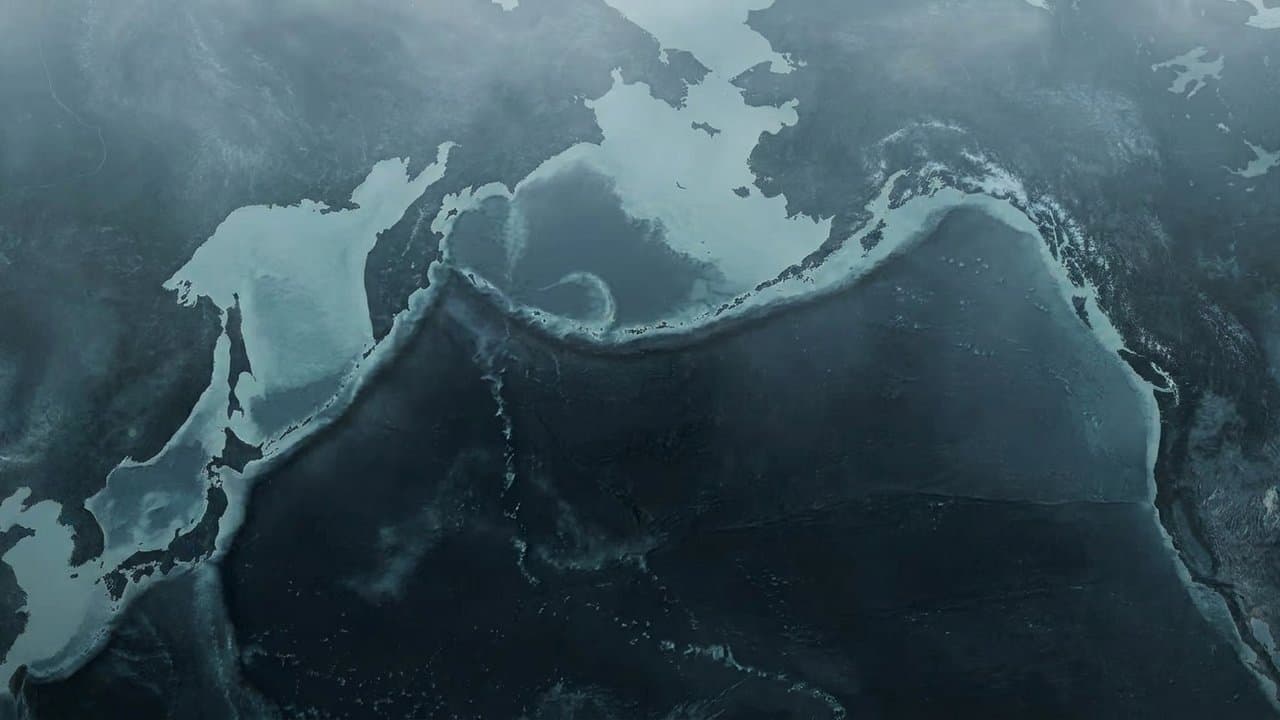
In February, the council voted 8-3 for the first cap on Western Alaska chum: 45,000 fish a year, split among the fleet's four sectors. A sector that hits its share would have to close half of a fishing corridor north of Unimak Pass for the rest of the June 10 to Aug. 31 period.
NOAA Fisheries expects to propose rules for the cap by the end of this year, and if approved it would take effect in 2028, according to the council. Under current rules, reaching 42,000 non-Chinook salmon closes an area called the Chum Salmon Savings Area from mid-August to mid-October, but boats in the industry's own salmon avoidance plans are exempt.
Groups on both sides wanted something different. The Yukon River Inter-Tribal Fish Commission, made up of 44 tribal governments, asked for a 100,000-chum cap across the Bering Sea plus a 50,000-chum limit in the corridor.
"The Tribes on the Yukon are forced to deal with empty smokehouses, unfair, conservative, and restrictive measures and regulations in the watershed, vs. the lack of accountability in the high seas and limited-entry fisheries," Chair Robert Charles Wright Sr. wrote the council in January.
United Catcher Boats, which represents most catcher boats in the fishery, opposed any hard cap or corridor closure and backed changes only to the avoidance plans. A fixed cap "would have minimal conservation benefits for WAK chum," Executive Director Andrea Keikkala wrote, using shorthand for Western Alaska chum.
The fleet's catch of Chinook, or king, salmon fell to 16,758 from 19,797 last year. That's 37% of its 45,000-fish limit. The boats caught 95% of their 1.39 million-metric-ton pollock quota.
The council takes up the report at its Dec. 4-9 meeting in Anchorage.
What did you make of this story? (no account needed)
Made by our human newsroom with AI. Reviewed by Cale Green. How humans and AI work here · Grow with our newsroom ·
Get Alaska News in your inbox
Create your free account and get the day’s top stories around 6 each morning, in a few minutes’ read.
Top stories, around 6 each morning.
Stories on what you follow, on Sundays.
Source: North Pacific Fishery Management Council, Bering Sea pollock fleet's 2026 chum bycatch matched 2025's, nine months after the council voted for a Western Alaska chum cap.



Comments
Sign in to leave a comment.
No comments yet. Be the first to share your thoughts.