
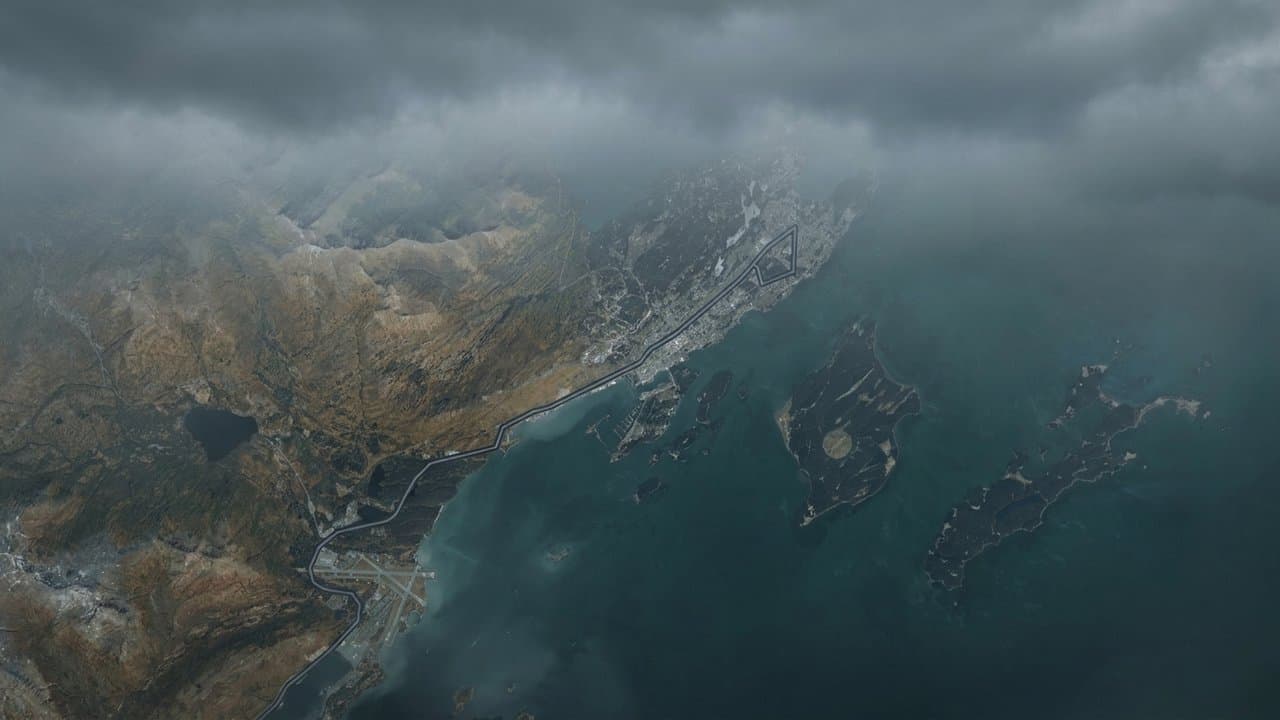
Editorial map (Gemini + Google Maps)
Gulf pollock fleet neared its king salmon limit before pollock fishing closed
Pollock trawlers in the central Gulf of Alaska caught 15,890 Chinook salmon through Oct. 24, about 87% of the fleet's annual limit, before federal managers closed pollock fishing for the year, federal figures show.
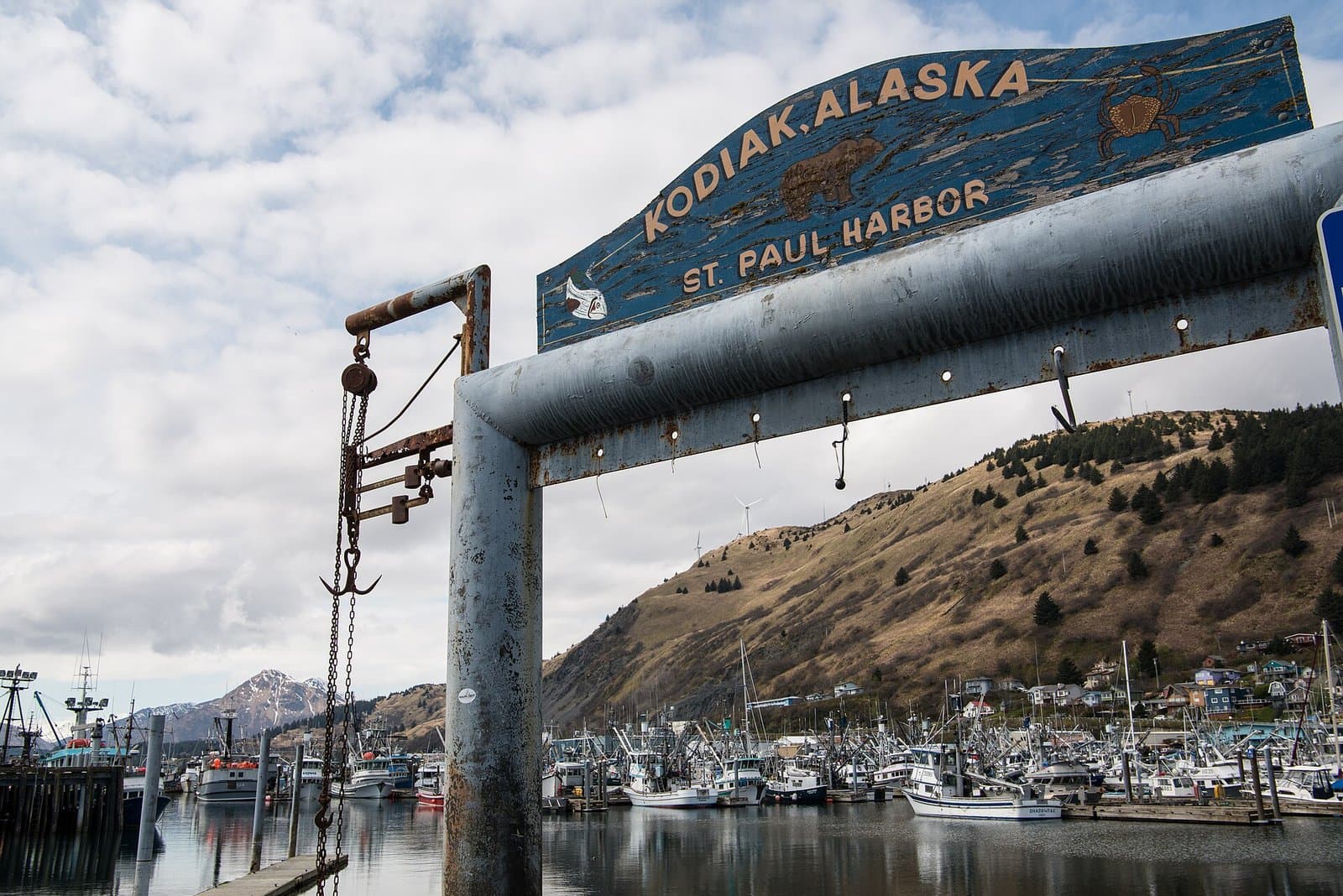
This time, the fleet neared its pollock limits first. The National Marine Fisheries Service closed the Chirikof area on Oct. 21 and the Kodiak area on Oct. 28 to keep boats within their pollock catch limits. Neither order mentions salmon.
That wasn't the case in 2024, when the fleet caught more than 12,000 Chinook in a single September week. The agency shut the fishery Sept. 25 that year, and the fleet still finished 2,016 fish over its limit.
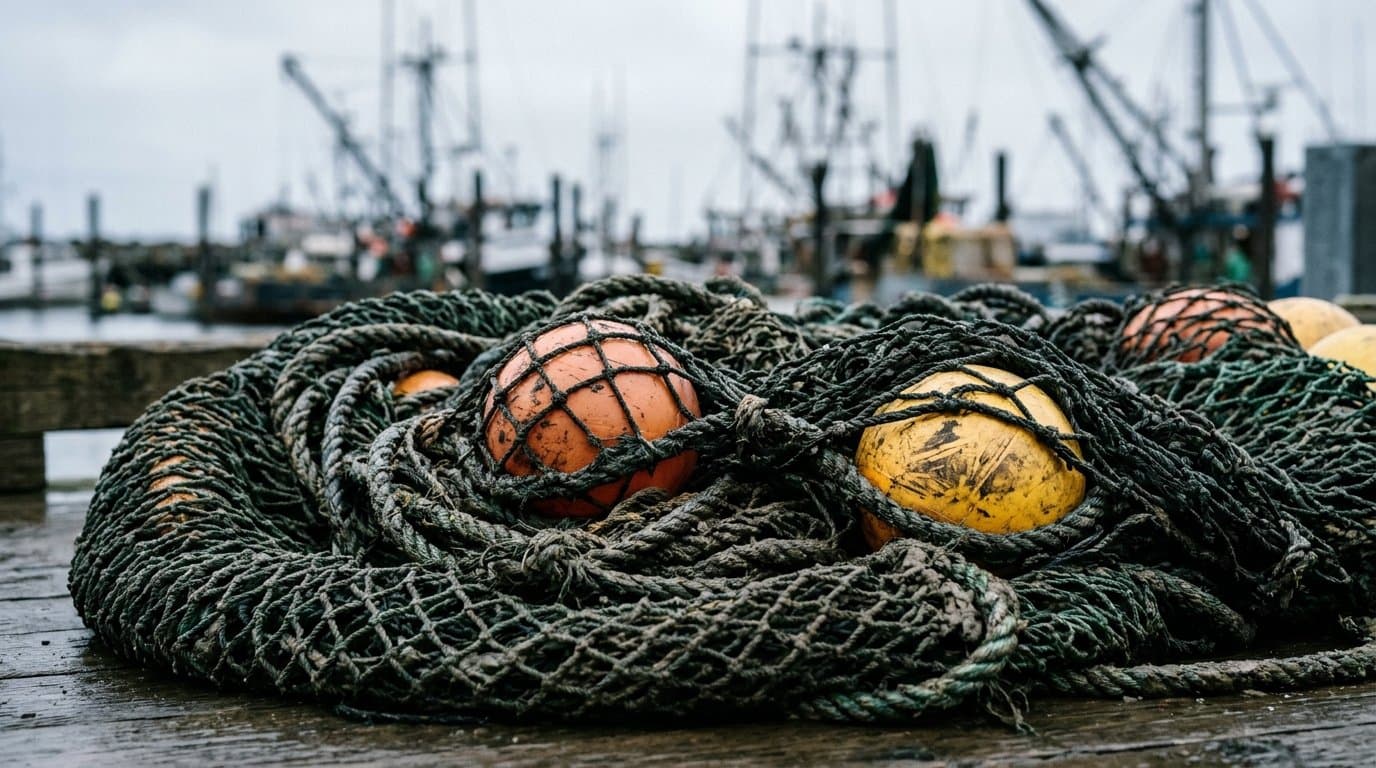
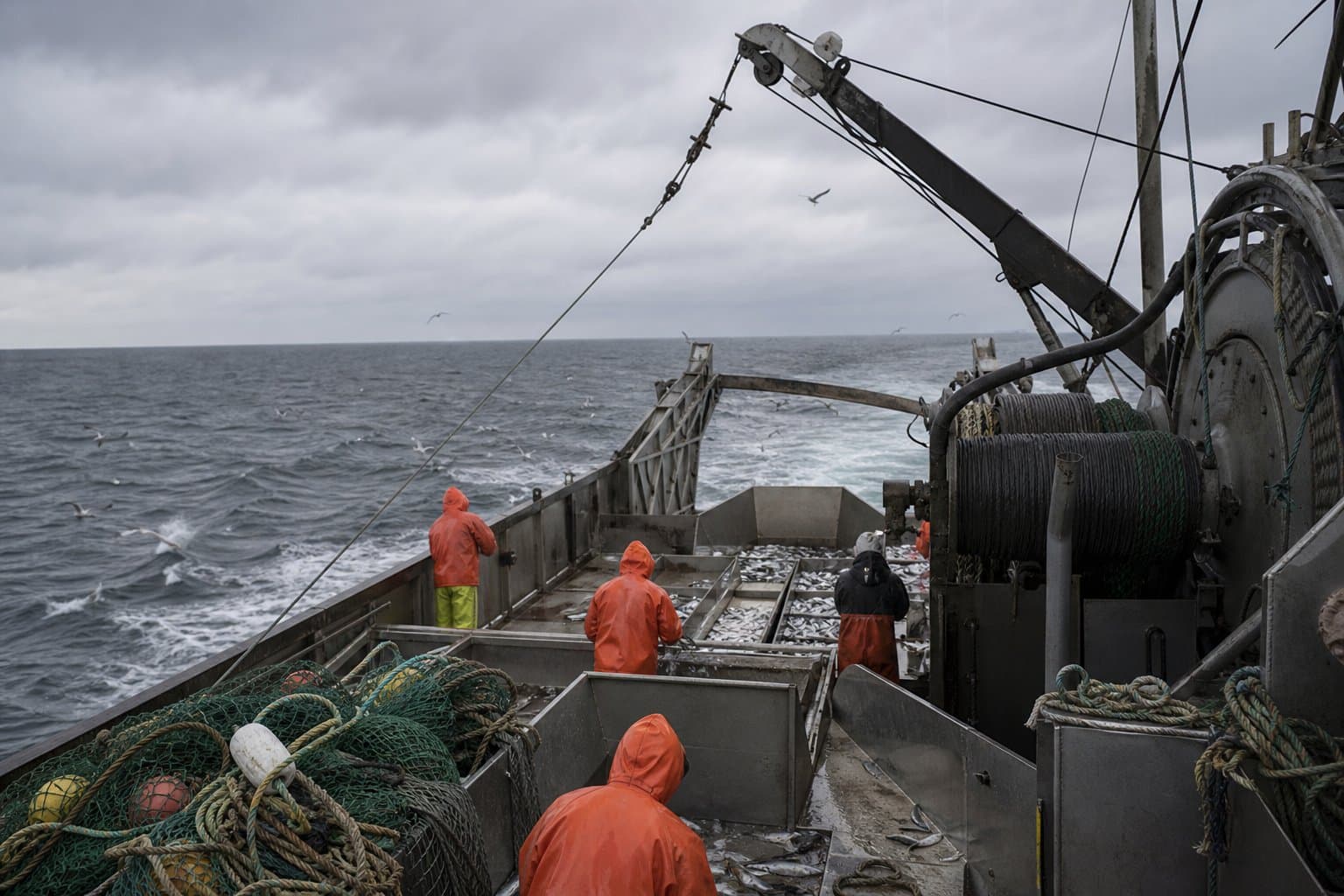
Pollock is a white fish used in products like fish sticks and imitation crab. Trawlers catch it by towing large nets, which also pull up some salmon, known as bycatch. Pollock boats can't sell the Chinook, also called king salmon, and must hold every salmon until they deliver so observers can count and sample them. When the fleet is about to reach its Chinook limit, federal rules require the agency to close pollock fishing.
The fleet caught more kings this year on less pollock. The area's pollock limit dropped about 26% from 2025, while the Chinook count rose from 10,662 for all of last year to 15,890 so far. By the agency's own measure, the fleet was catching 0.13 Chinook per ton of groundfish through late September, compared with 0.07 a year earlier. The agency told the North Pacific Fishery Management Council in October that rates were higher than in 2025 but hasn't said in its published reports why.
This year's count is already the second highest in federal year-end counts going back to 2015, behind only 2024, and it doesn't include the last days before the Kodiak area closed.
Most Chinook caught by Gulf pollock boats in recent years weren't Alaska fish. From 2021 through 2025, about 47% of Chinook caught by Gulf pollock boats came from British Columbia stocks and about 29% from the West Coast of the Lower 48, the Alaska Department of Fish and Game told the Board of Fisheries on Oct. 28. About 18% came from Southeast Alaska and the northeast Gulf, and about 5% from the northwest Gulf, which a department presenter said includes Kodiak, Cook Inlet and the Copper River. Most of the fish caught were immature, the department said, so fewer would have survived to return as adults.
Federal waters, from 3 to 200 miles offshore, are managed under rules developed by the federal council and the fisheries service. The state Board of Fisheries manages state waters closer to shore. In the Bering Sea, federal rules require pollock boats to fish under salmon avoidance plans. In the Gulf, according to the Pacific Seafood Processors Association, "participants have a voluntary Chinook avoidance agreement in place each year."
Before the state board, Trident Seafoods said that closing state waters to pelagic trawling, which uses nets meant to stay off the seafloor, "will decrease the areas the fleet can go to both find productive fishing and low rates of Chinook bycatch." In a letter, Emily Scott of the Alaska Longline Fishermen's Association in Sitka urged the board to "advance measures to reduce salmon bycatch," including state-approved salmon excluders on pelagic gear in state waters.
The federal council meets Dec. 4–9 in Anchorage. Its preliminary agenda includes Gulf catch limits but no item on Gulf Chinook bycatch. Written comments, including on topics not on the agenda, are open Nov. 6–27 through the council's meeting page.
What did you make of this story? (no account needed)
Made by our human newsroom with AI. Reviewed by Cale Green. How humans and AI work here · Grow with our newsroom ·
Get Alaska News in your inbox
Create your free account and get the day’s top stories around 6 each morning, in a few minutes’ read.
The day's top stories around 6 each morning. Unsubscribe in one click.
Source: NOAA Fisheries, Central Gulf pollock boats took 15,890 Chinook by Oct. 24, 87% of their cap, at nearly twice last year's rate per ton, released .





Comments
Sign in to leave a comment.
No comments yet. Be the first to share your thoughts.