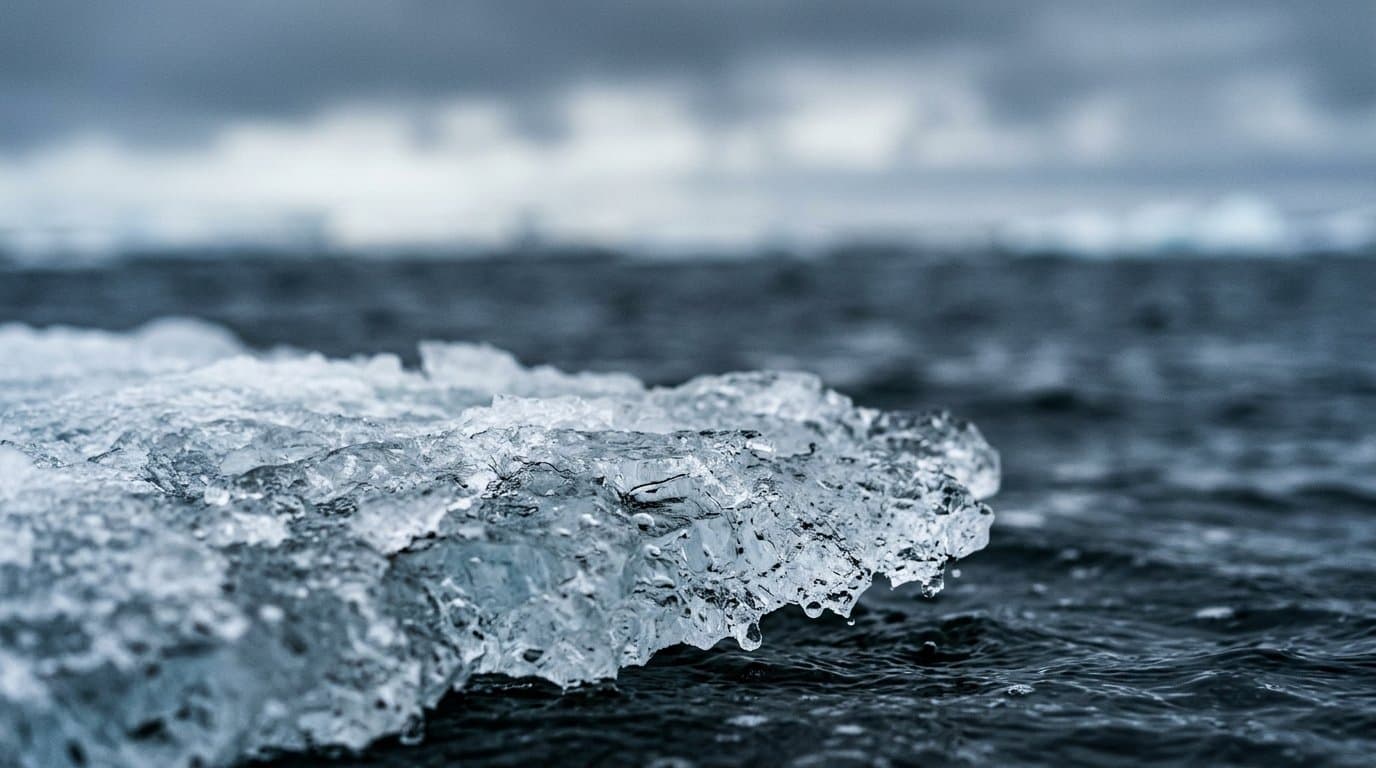
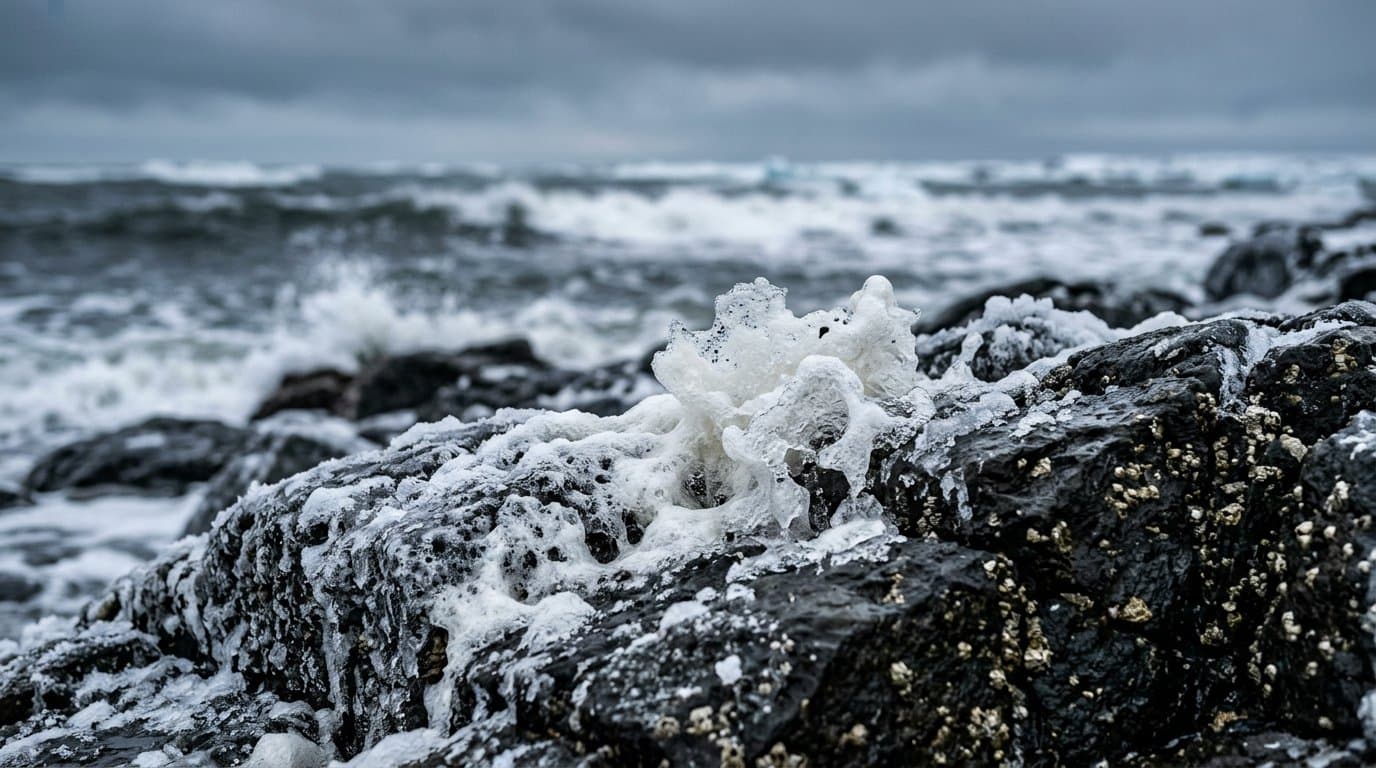
AI image
Arctic sea ice ends October seventh lowest, with Atlantic side especially low
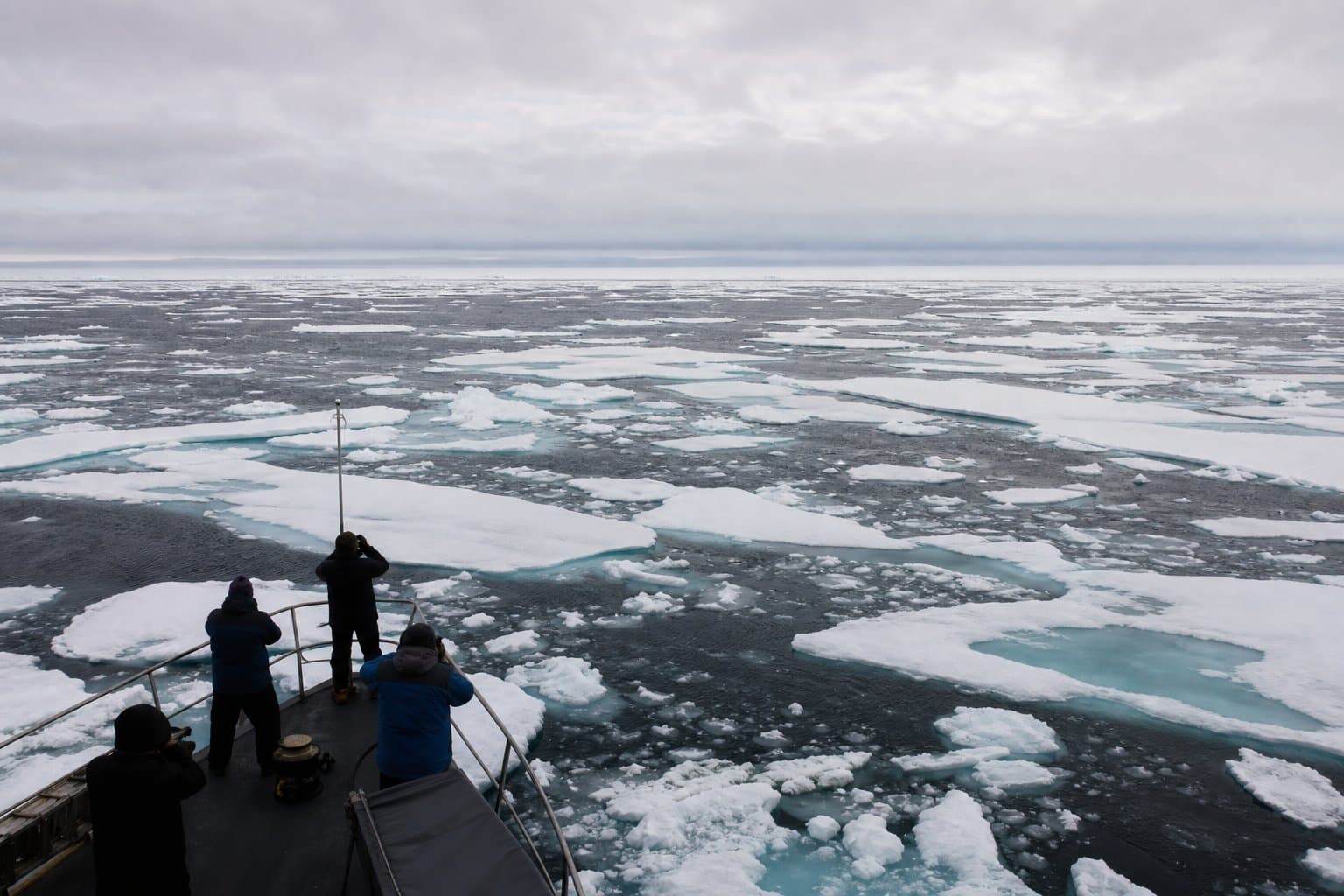
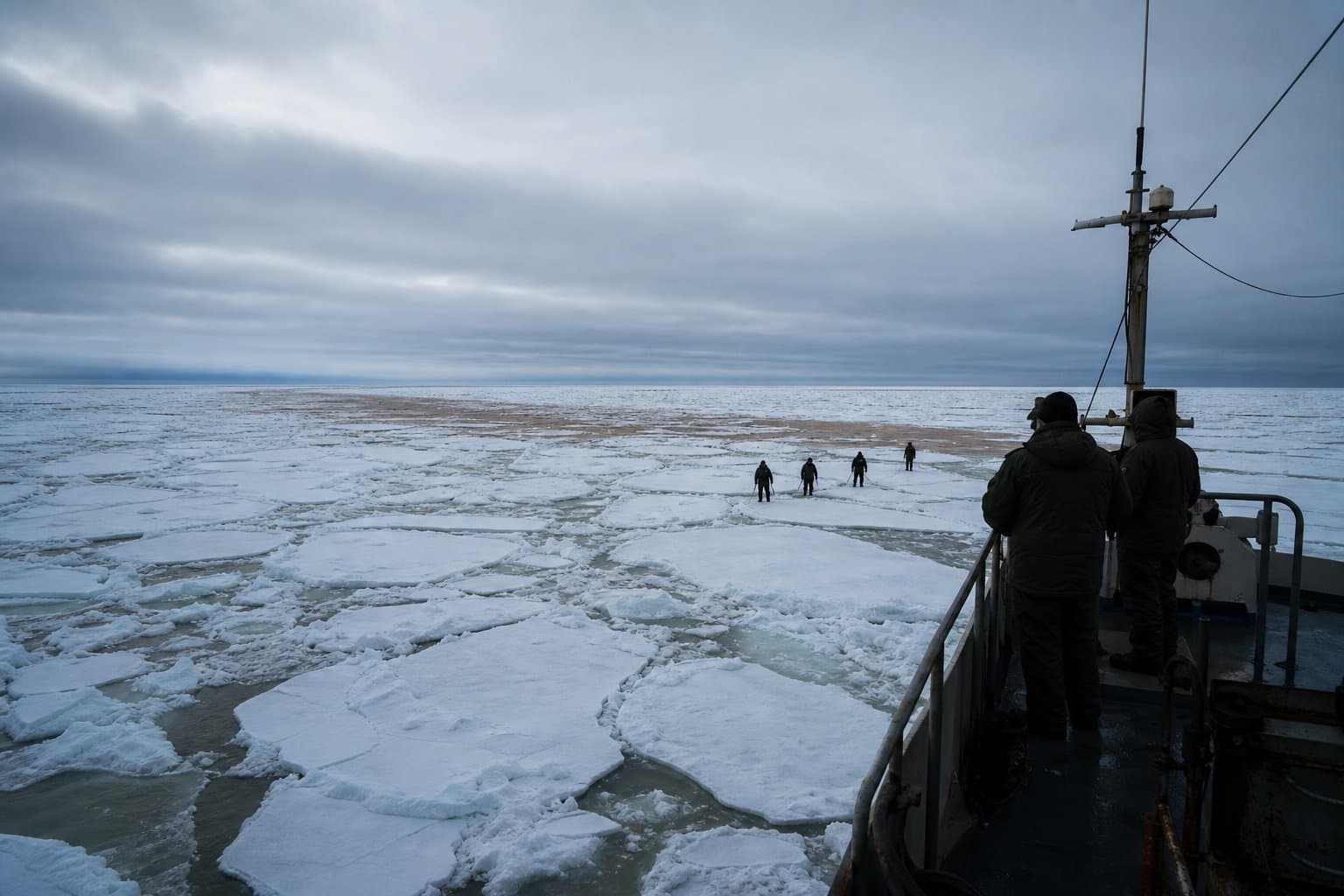
Arctic sea ice ended October with its seventh-lowest extent for the date since satellite records began in 1978, according to National Snow and Ice Data Center analysis in Rick Thoman's Alaska and Arctic Climate Newsletter. Ice was especially low on the Atlantic side of the Arctic, while on the Pacific side, off Alaska, it was closer to usual 21st-century levels than it had been for most of the summer.
"For Arctic sea ice, October really is the new September," wrote Thoman, a climate specialist at the University of Alaska Fairbanks' Alaska Center for Climate Assessment and Policy. October's average extent this year was the highest since 2022, but it was smaller than the average September extent, when the ice is at its yearly low, in most years from 1979 to 2001. It was also lower than every October before 2010 but one.
Off Alaska, Chukchi Sea extent on Oct. 17 was the highest for that date since 2001 and Beaufort Sea extent the highest since 2005, Thoman wrote on Bluesky.
On the far side of the North Pole, there was hardly any ice in the Barents Sea, north of Norway and Russia, at the end of October. Ice extent in the neighboring Kara Sea was the second lowest on record.
The Arctic has been divided this way for much of the year. In July, the seas north of Alaska carried their most summer ice in decades, while the Barents Sea had already hit a record low in June.
Across the Arctic, the ice pack had grown by nearly 70 percent by Oct. 31 from its Sept. 12 minimum of 4.60 million square kilometers, or 1.78 million square miles, which tied for 10th lowest in the 48-year record. Average October extent has declined more than 30 percent since the early 1980s, Thoman wrote. Lower autumn ice "appears to be the new normal, at least for now," NSIDC scientists have written.
Ice that has survived several summers is confined to the area north of Greenland and the Canadian Arctic Islands. An area of old ice west of Banks Island, in Canada's western Arctic, is likely to end up north of the Alaska coast by spring, Thoman wrote.
On land, total snow cover across the Arctic on Oct. 31 was the lowest in the 23-year history of the National Ice Center's snow and ice analysis, and nearly the entire European Arctic was bare of snow at the end of the month.
Made by our human newsroom with AI. Reviewed by Cale Green. How humans and AI work here · Grow with our newsroom
Get Alaska News in your inbox
Create your free account and get the day’s top stories around 6 each morning, in a few minutes’ read.
The day's top stories around 6 each morning. Unsubscribe in one click.
Source: Alaska and Arctic Climate Newsletter, U.S. National Ice Center: October 2026 Arctic Seas and Snow Cover.






Comments
Sign in to leave a comment.
No comments yet. Be the first to share your thoughts.