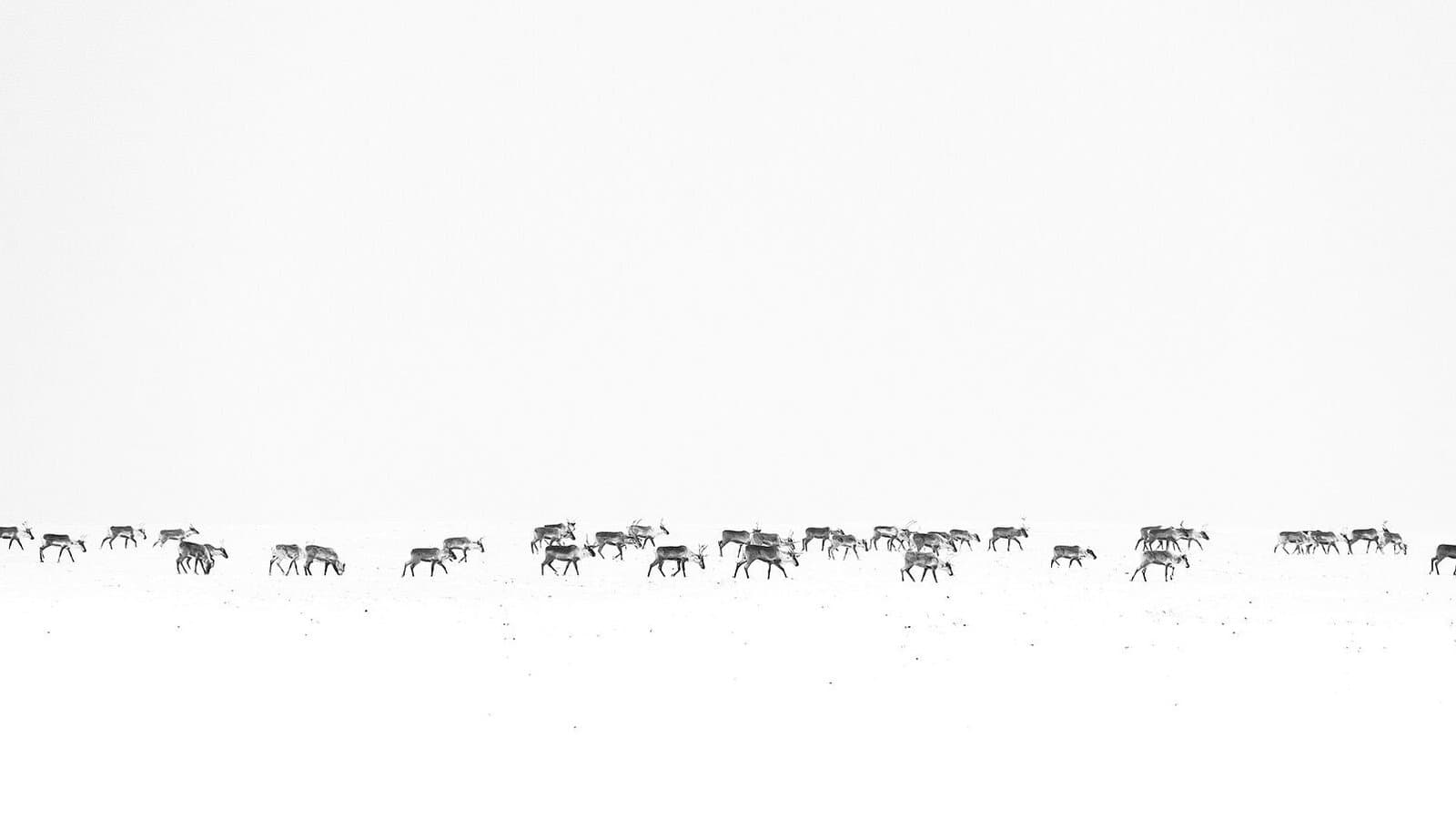
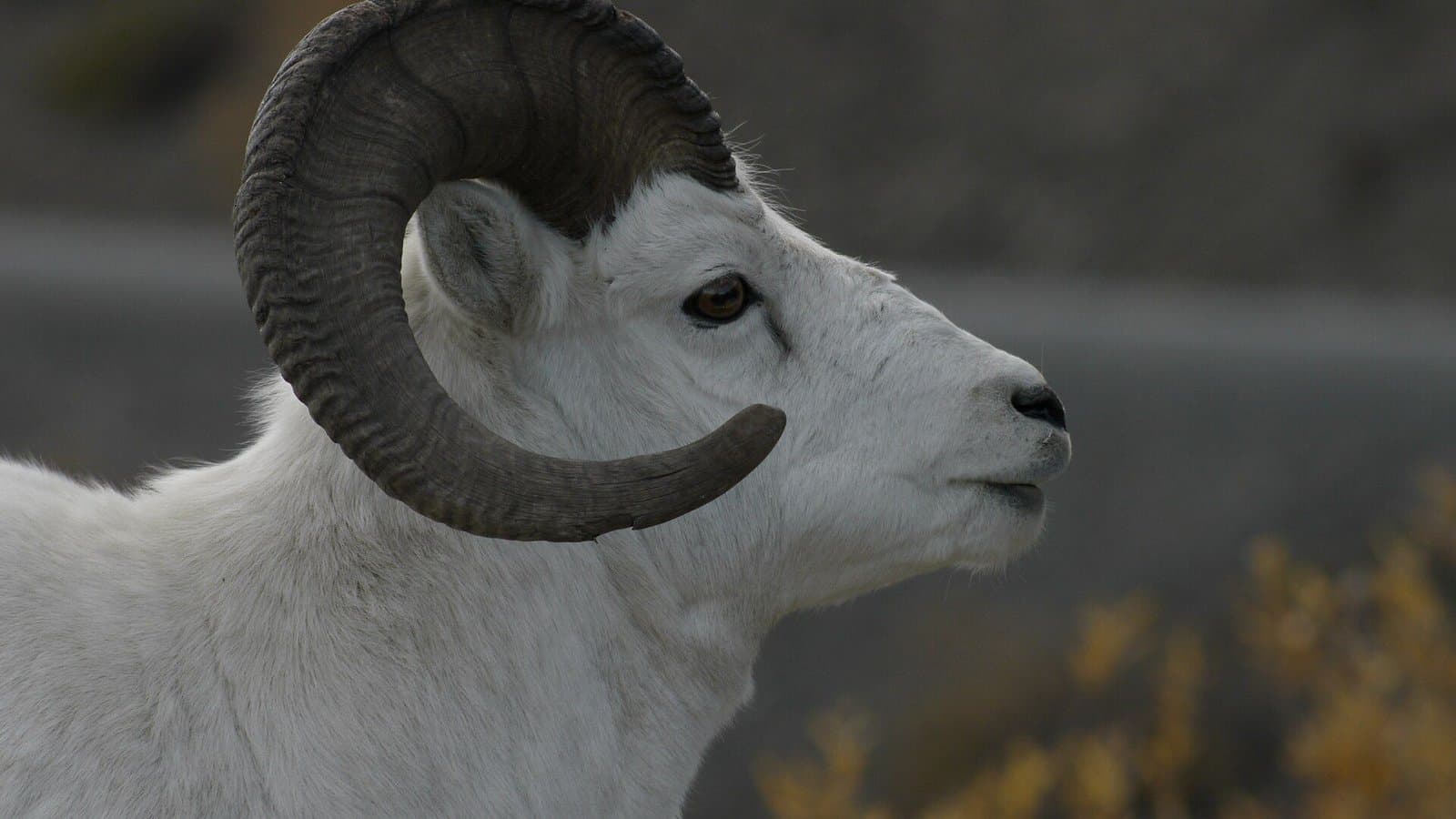
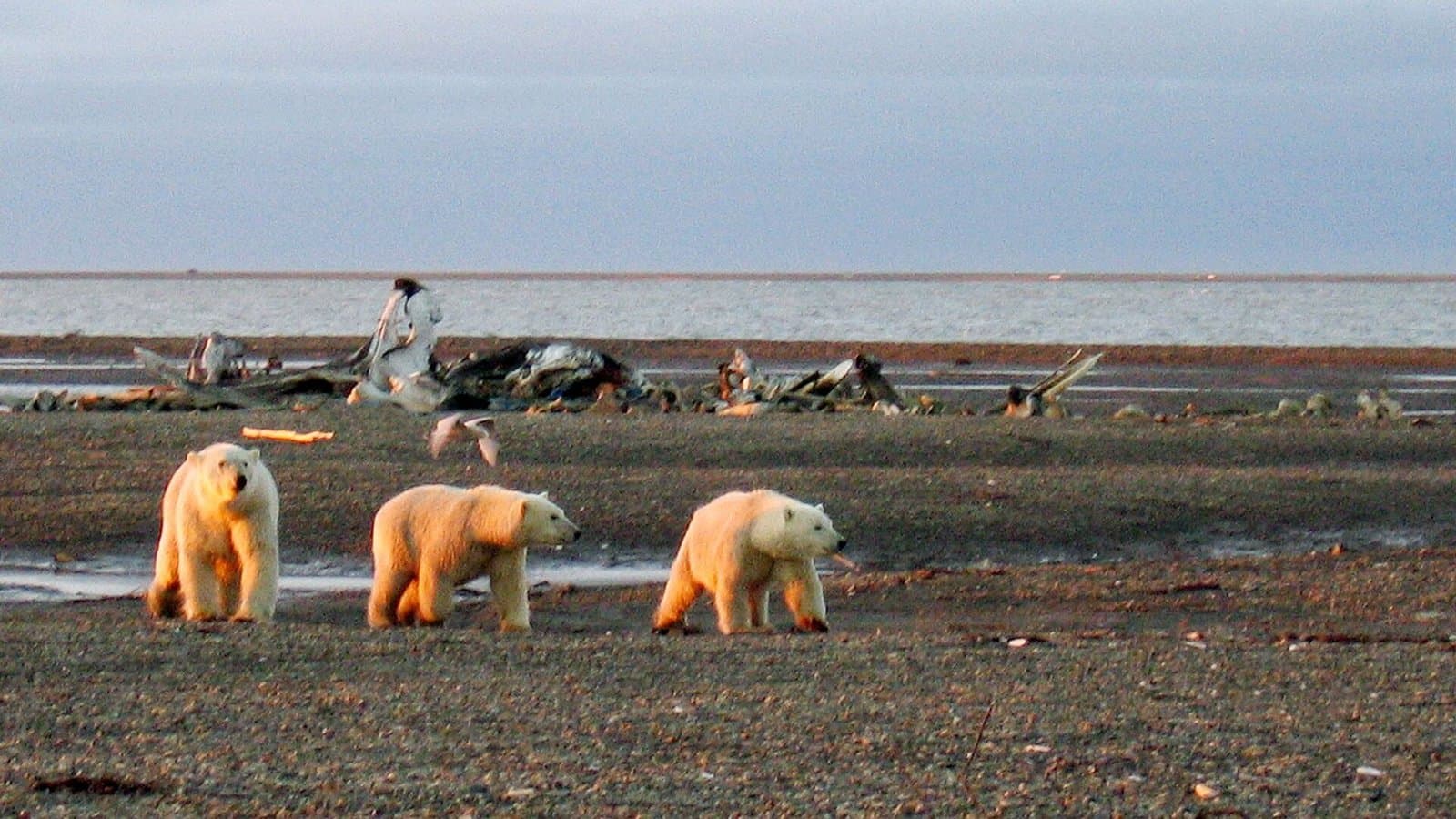
Photo: USFWSAlaska via Wikimedia Commons · Photo source · Public domain
Group asks Alaska to close Western Arctic caribou hunting if herd falls to 75,000
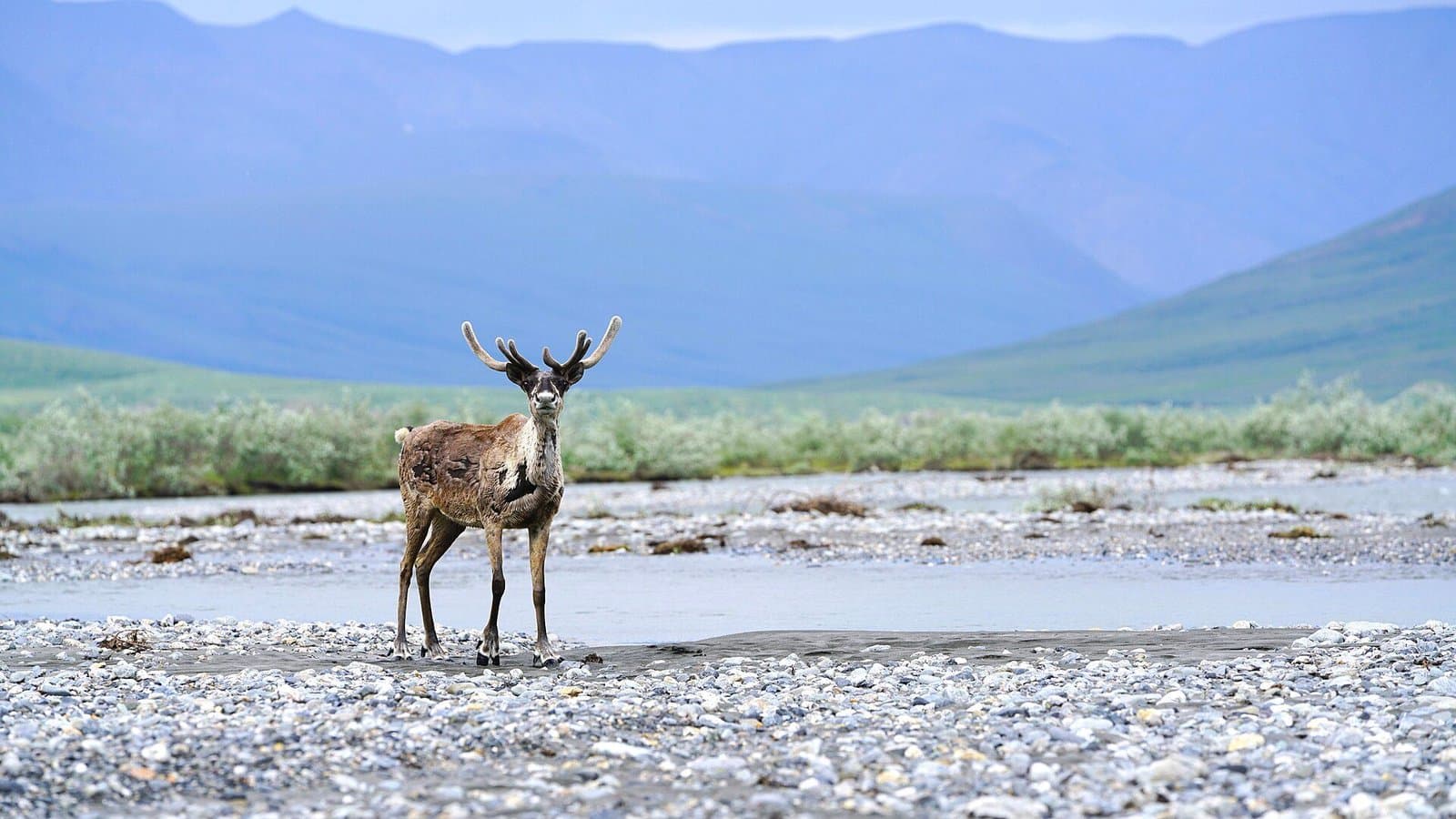
A group that includes subsistence hunters from northwest Alaska communities wants the state to close its Western Arctic caribou hunting season if the herd drops to 75,000 animals, about where it bottomed out 50 years ago.
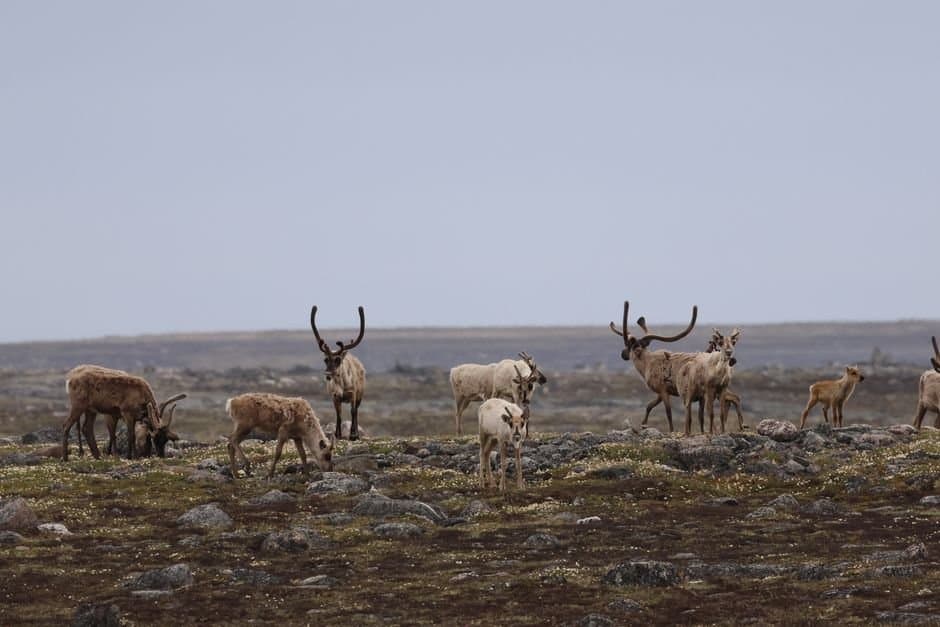
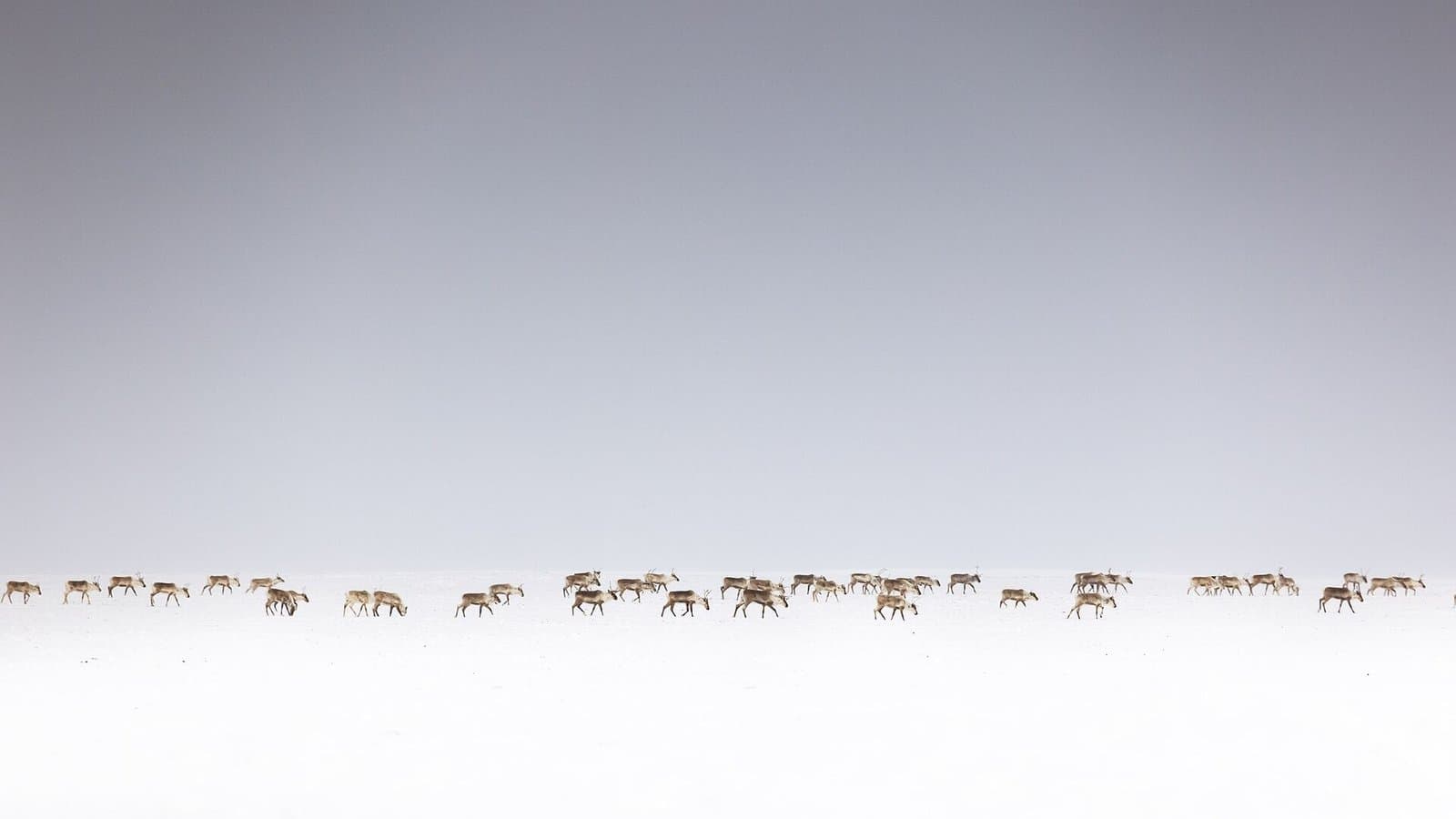
The herd, historically Alaska's largest, peaked at about 490,000 caribou in 2003. A July 2025 photo census put it at 121,000.
The Western Arctic Caribou Herd Working Group's Proposal 6 to the Alaska Board of Game would close the herd's hunting season in Units 22, 23, 24B remainder, 24C, 24D and 26A, which take in the Seward Peninsula, the Northwest Arctic, parts of the Koyukuk River drainage and the western North Slope. Hunting would stay closed until the Alaska Department of Fish and Game finds more than 100,000 caribou and a harvestable surplus. The proposal would change state hunting rules and doesn't make an exception for subsistence hunters. The Federal Subsistence Board sets separate rules for subsistence hunting on federal lands.
The working group, formed in 1997, includes Alaska Native subsistence hunters from communities in the herd's range along with other Alaska hunters, guides, transporters, conservationists and reindeer herders. The herd has declined by "nearly 70 percent" over two decades, the group wrote, and it is proposing the closure "to reflect the severity of the continued population decline."
The board takes up the proposal at its Jan. 23-26 meeting in Kotzebue, along with others that would cut caribou limits further, end nonresident caribou hunting in parts of its range and kill wolves and brown bears to help it recover.
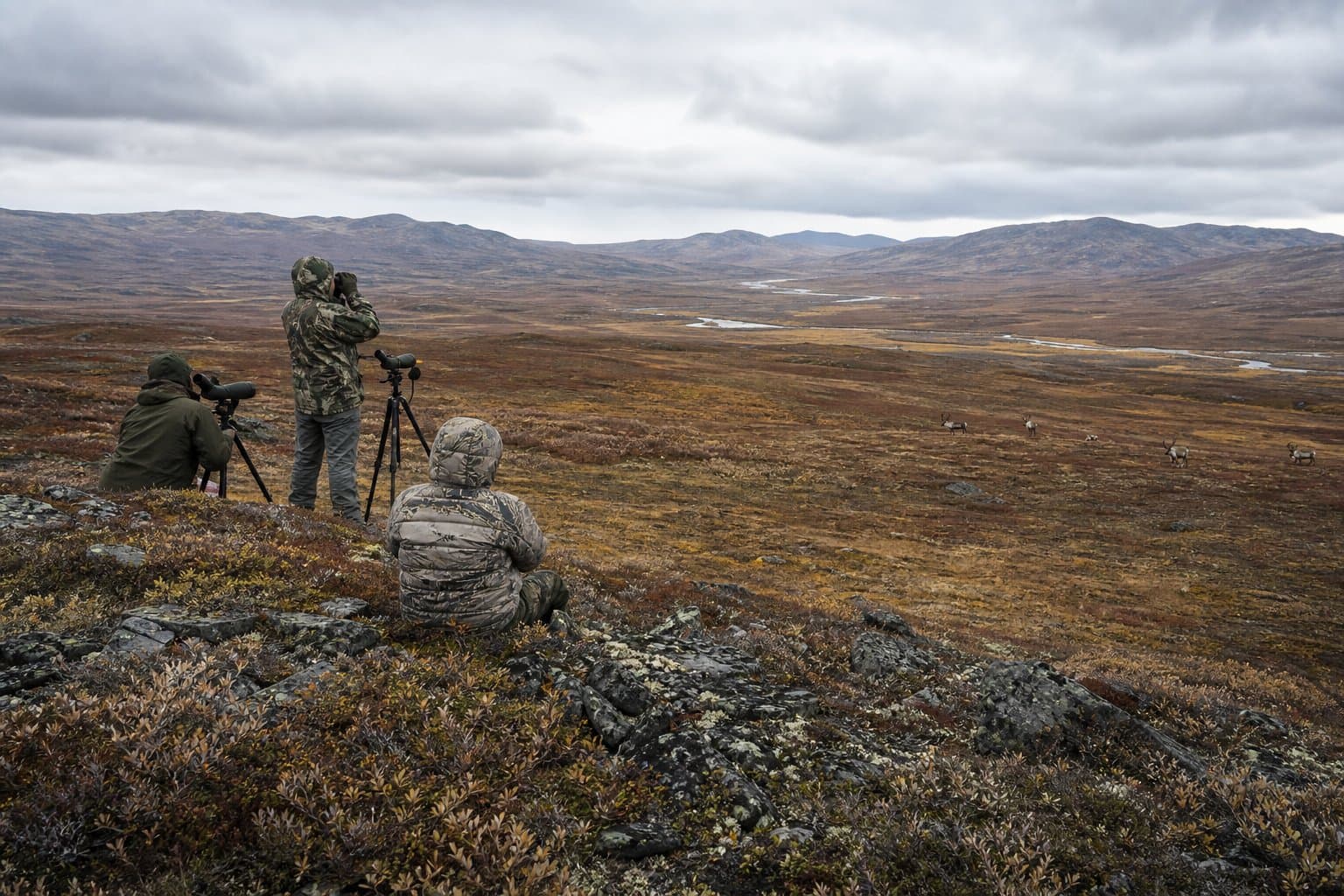
The herd fell rapidly in the early 1970s and bottomed out at about 75,000 in 1976, when severe restrictions on hunting began, according to a federal analysis prepared this spring for the Federal Subsistence Board. It grew through the 1980s and 1990s to its 2003 peak, then shrank by an average of 7.1% a year to about 201,000 in 2016. A 2017 count came in higher, at 259,000, though part of that increase may have come from a switch to digital cameras. Every count since has been lower, from 244,000 in 2019 to 152,000 in 2023 and 121,000 last year.
Biologists aren't certain why. Adult cows are surviving at lower rates than when the herd was growing, the federal analysis says. More than half of cow deaths are attributed to predators, and hunting has accounted for 5% to 29% a year since 2006. Climate change, icing, declining lichen in parts of the winter range and disease may also play a role. The department's herd biologist has said the decline is likely to continue until cow survival improves, according to the analysis.
The working group calls limiting cow harvest its highest priority. In proposals to the board, the department estimated that hunters were taking about 4,000 cows a year, which it called "no longer sustainable," and that the herd could support a harvest of 5,800 bulls and no cows. Hunters have historically taken about 12,000 caribou a year from the herd, the department has said, though the federal analysis says the actual harvest is unknown, partly because reporting is low, and could be much lower when caribou don't pass near communities.
The herd kept shrinking after tighter limits took effect in 2024, the department said. In May, it closed the state cow caribou season in Units 22, 23 and part of 26A from July 1 through June 30, 2027, under an emergency order that leaves residents a limit of 15 bulls. The Federal Subsistence Board eliminated the cow hunt on federal lands in June and put off a decision on bull limits until February. The working group had asked federal managers for a limit of four caribou a year, one of which could be a cow.
In parts of the Northwest Arctic, caribou have been arriving after the fall rut has begun, when bulls are considered inedible, and local harvest has likely shifted toward cows, the federal analysis says, citing Northwest Arctic council members.
Local hunters account for about 95% of the herd's harvest on average, according to the analysis. Members of the Northwest Arctic Subsistence Regional Advisory Council have said residents will have to make sacrifices to keep the herd. "We don't want to hit rock bottom with the caribou herd," one member said at a 2023 meeting, according to the analysis. "If we lose that, if we go beyond what we have now we don't even know if we can get our caribou back."
Five proposals before the board would close nonresident caribou hunting in some or all of Units 22, 23 and 26. Non-local hunters "need to also share the burden of conservation," the Northwest Arctic council wrote in one. At a federal hearing in April on closing federal lands to hunters who don't qualify as federal subsistence users, a department representative, Resident Hunters of Alaska and others argued that those hunters take very few bulls and aren't contributing to the decline.
The department's predator control proposal cites estimates that predation, primarily by wolves and brown bears, accounts for about 70% of the herd's caribou deaths each year. The plan calls for killing wolves in or near winter range, mostly in Unit 23, and brown bears on the southern edge of the calving grounds, "in a small geographic area for a limited duration."
The state's goal is a herd of at least 200,000, which it has been below since 2021. When the Gates of the Arctic National Park Subsistence Resource Commission backed ending the federal cow hunt earlier this year, it said it wanted to avoid a full closure like the one in the 1970s.
Fish and game advisory committees are reviewing the proposals this fall, including the Kotzebue Sound committee on Thursday and Anchorage's game subcommittee Nov. 4. The committees make recommendations, and the board decides. Written comments to the board are due Jan. 9.
Source: Anchorage Fish and Game Advisory Committee, Anchorage Fish and Game Advisory Committee: Anchorage Fish and Game Advisory Committee - Game Subcommittee Meeting.
Made by our human newsroom with AI. Reviewed by Cale Green. How humans and AI work here · Grow with our newsroom
Stay informed. Support what matters.
Free local news you can verify. Support Walter AlaskaNews and go ad-free.






Comments
Sign in to leave a comment.
No comments yet. Be the first to share your thoughts.