AI image
Anchorage airport noise study to present land use options on Nov. 18
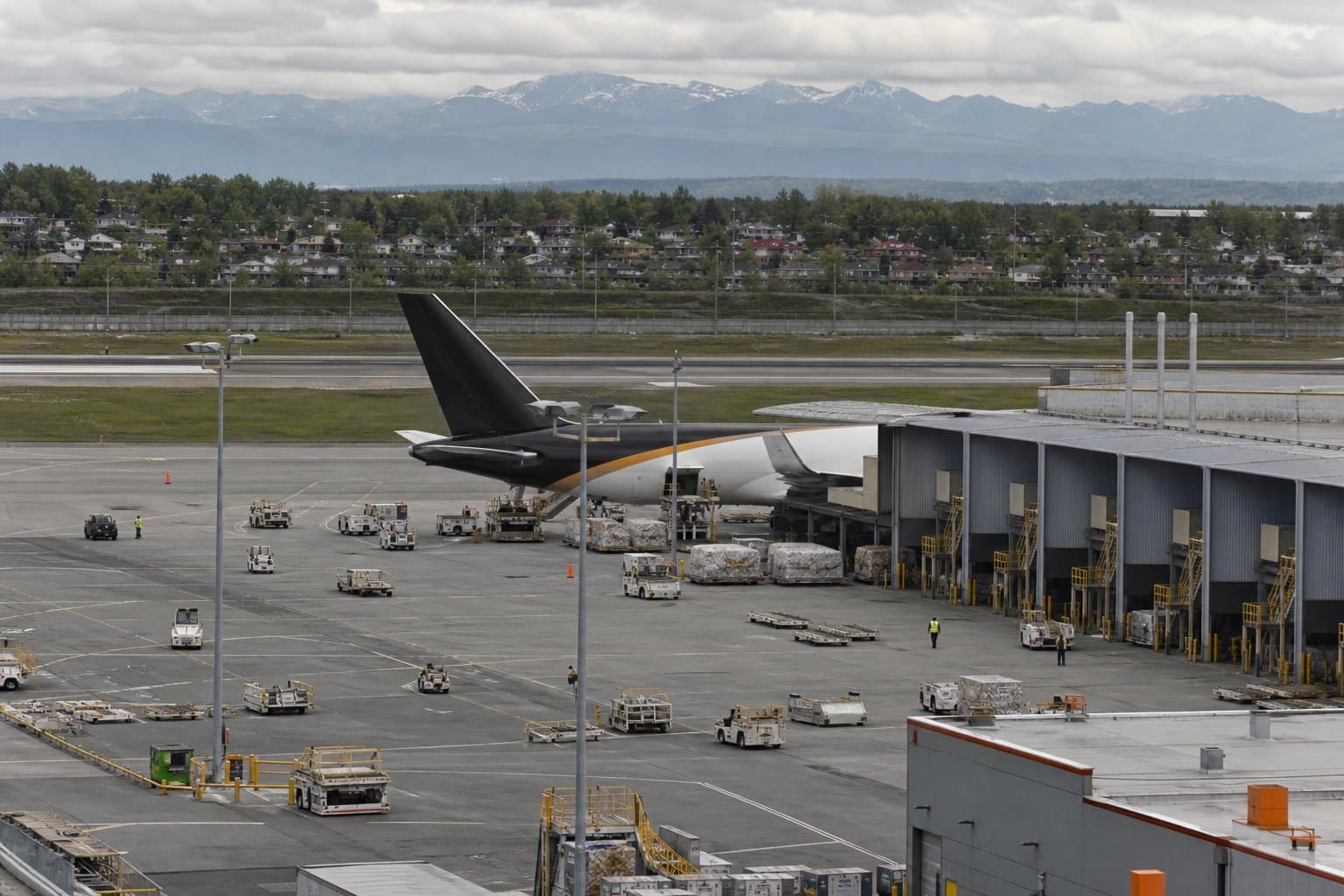
The team studying aircraft noise around Ted Stevens Anchorage International Airport plans to present preliminary land use and administrative options at a Nov. 18 meeting, according to the airport's October update. The team also plans to revisit new ideas for changing how planes fly.
The airport says it can't control the planes. It does "not have the ability to control the number or type of aircraft" that use it, "to dictate the runways aircraft use" or to limit when planes take off and land, according to the study's FAQ. Land use and administrative measures a study like this can consider include sound insulation for homes, buying land, zoning, noise monitoring and a voluntary "fly quiet" program, the FAQ says.
The study's draft maps count 94 housing units and 248 people this year inside the area where average noise reaches at least 65 decibels, with nighttime noise counted more heavily. Federal rules treat homes in that area as not compatible with airport noise unless they have sound insulation. By 2031, the maps show 138 housing units and 365 people, mainly because of more operations in the Sand Lake area, the project team said. Its forecast includes growth in cargo traffic.
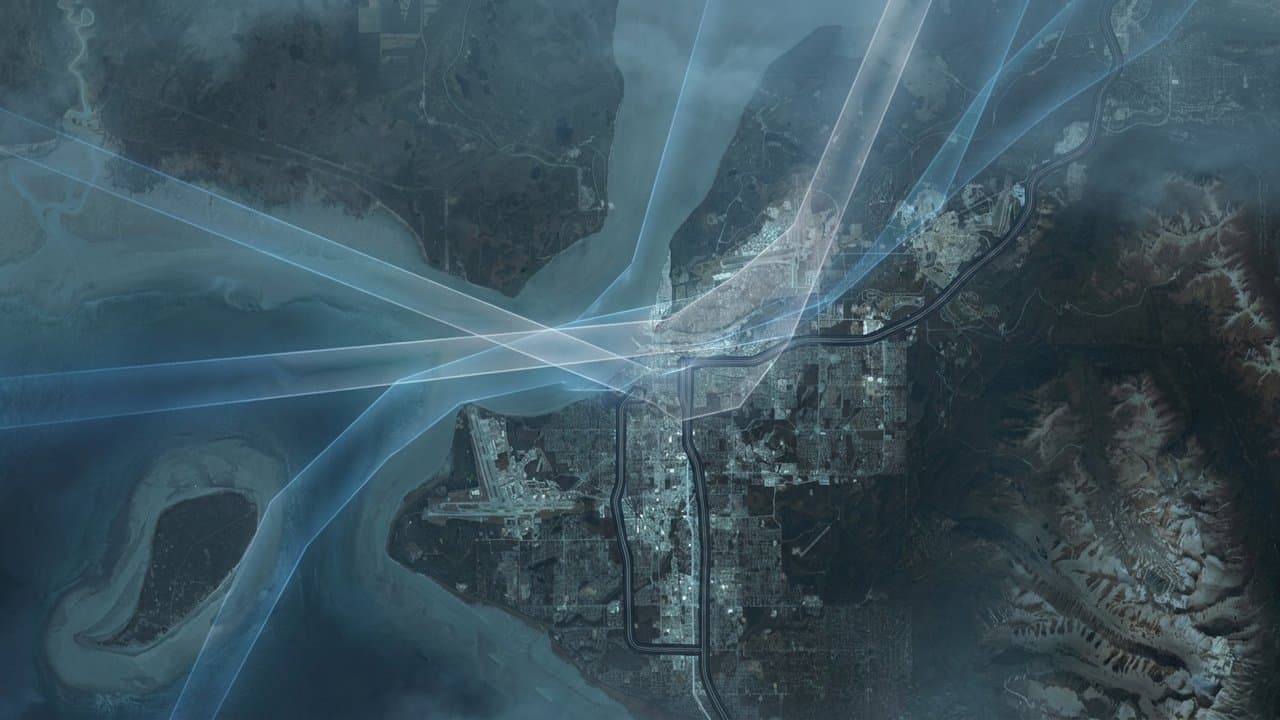
In August, the team presented three modeled ways to change how planes fly. Only one reduced the count: cutting nighttime cargo jet departures to the south by 70%, which would leave 47 housing units and 107 people inside the 2031 zone. Whether that's possible depends on wind, air traffic control and safety, and is still being evaluated, the team said.
The airport's largest carriers, Atlas, FedEx and UPS, have published guidance for pilots, and some runways are supposed to be used only when operationally required, a committee member said, according to the meeting summary. When Runway 15 is used for departures to the south, "it is usually quite windy from the south," the member said. A member also said other operators use Runway 15 for night departures only when conditions require it, so a 70% cut "seems ambitious."
The project team said the airport has already put its most effective noise strategies in place, such as sending most takeoffs out over the water. "There are few easy solutions," the summary says.
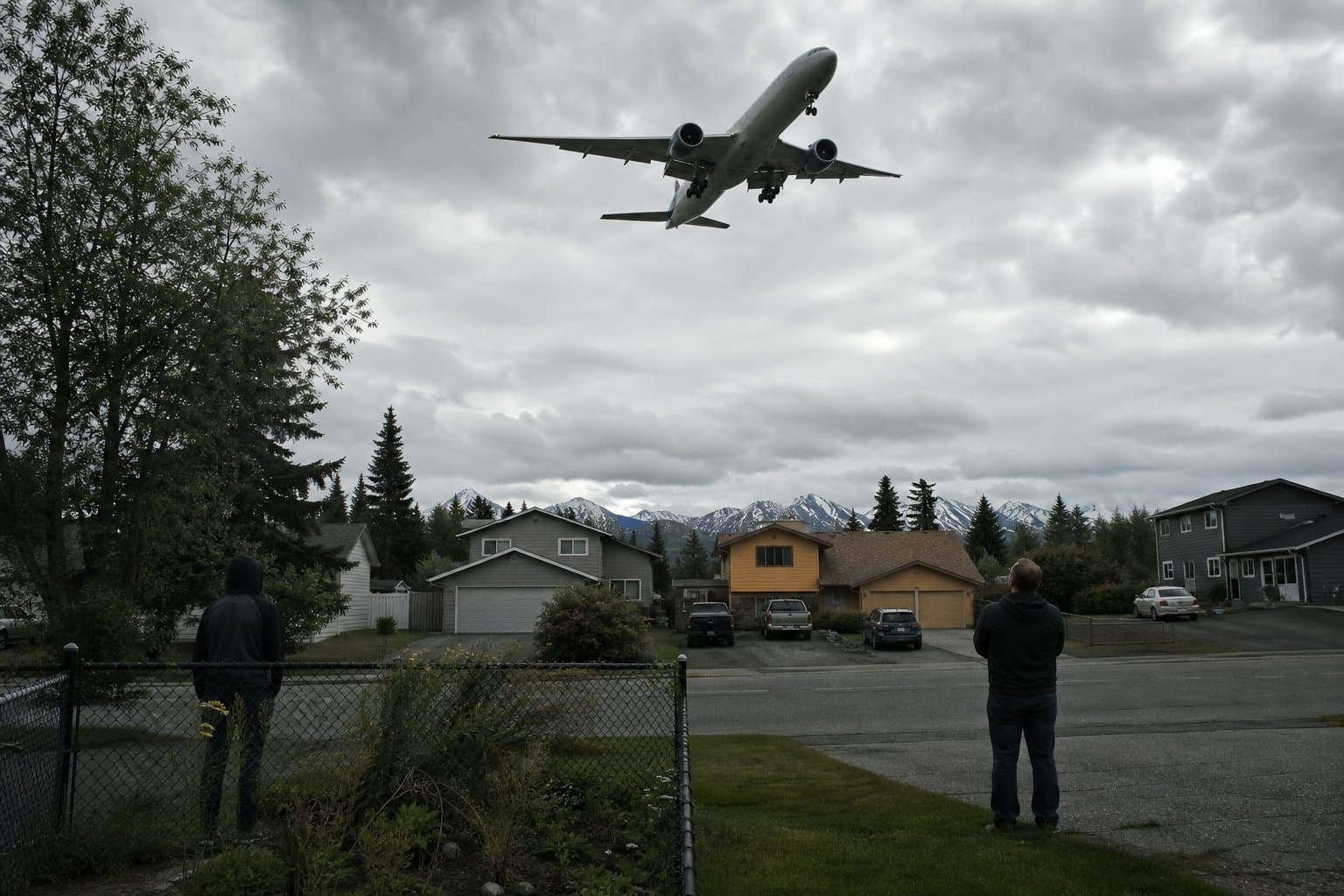
During public comment, one resident said that with the garage door open, "the mud room door swings open when the planes are overhead and the trees move." After two weeks of strong wind last winter, when the south runway was "being bombarded," the resident said, one side of the resident's roof "was white with snow, the other was grey from the planes."
The study's advisory committee meets from 10 am to noon Nov. 18 at the Coast Inn at Lake Hood, followed by a public open house there from 4:30 to 6:30 pm. A final committee meeting and public hearing are planned for winter 2027, before the recommendations go to the Federal Aviation Administration.
Made by our human newsroom with AI. Reviewed by Cale Green. How humans and AI work here · Grow with our newsroom
Get Alaska News in your inbox
Create your free account and get the day’s top stories around 6 each morning, in a few minutes’ read.
The day's top stories around 6 each morning. Unsubscribe in one click.
Based on a press release from Alaska Department of Transportation and Public Facilities.








Comments
Sign in to leave a comment.
No comments yet. Be the first to share your thoughts.