AI image
Alaska will decide by Dec. 15 which grades must learn hands-only CPR
The Alaska Department of Education & Early Development will decide by Dec. 15 which grades must be taught hands-only CPR, and how often, under a new state law.
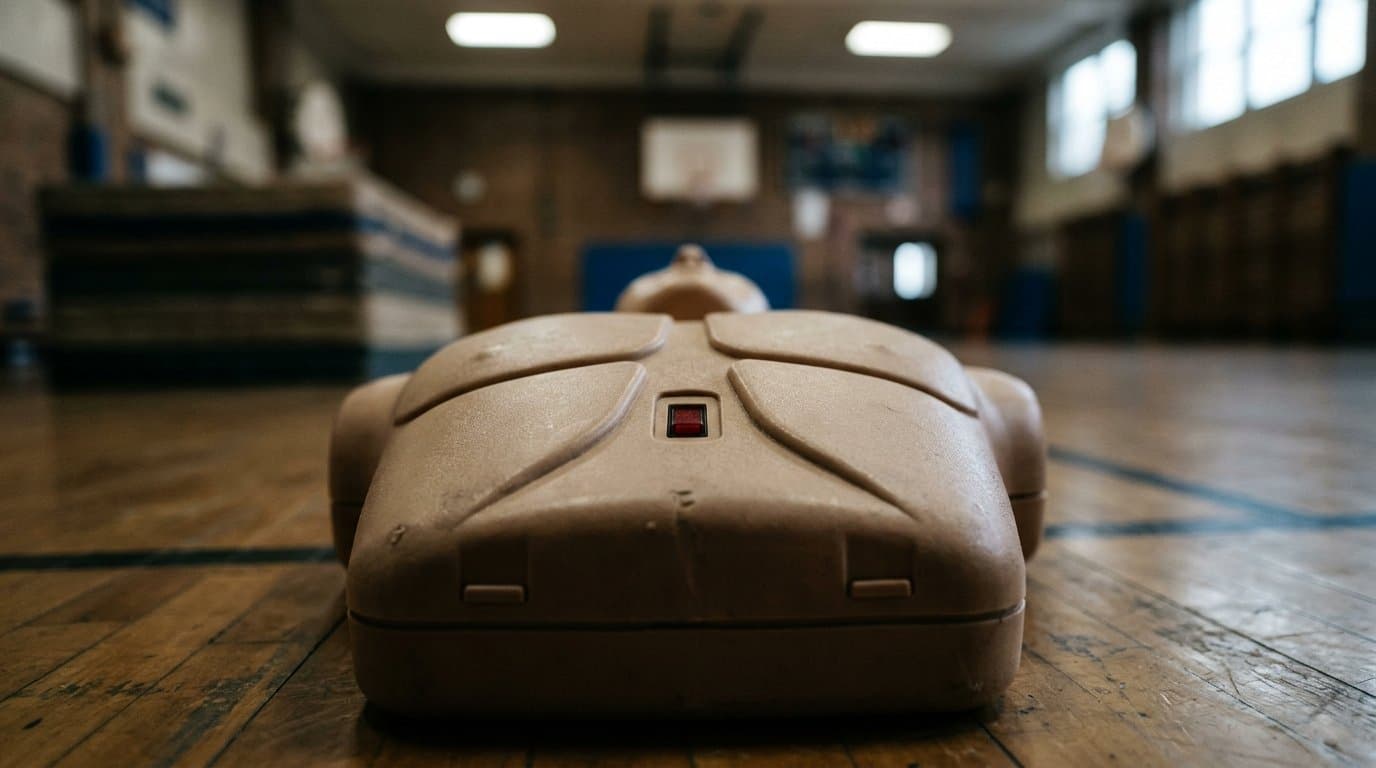
Hands-only CPR means chest compressions without mouth-to-mouth breathing. More than 350,000 people have a cardiac arrest outside a hospital every year, and only 1 in 10 survive, the American Heart Association told legislators in 2025. CPR started right away can double or triple survival rates, the association said.
The department is asking districts for recommendations and will hold two online meetings for schools in early December, according to its information sheet. Examples it found in other states include teaching students at least once in high school, or in grades 7 through 12.
The requirement takes effect July 1, 2027. It is a scaled-back version of the bill the Senate first passed. Groups representing Alaska's school administrators and school boards supported teaching CPR but raised concerns about a new requirement with no money attached, saying many districts had already cut staff and programs, and some had closed schools. The House Education Committee loosened it, and it became law after it was attached to another bill late in the session.
Current law says districts "shall be encouraged" to run health education programs, which "should include" CPR. Under the new law, the department must adopt hands-only CPR curricula based on national, evidence-based guidelines, and in the grades it picks, a public school "shall offer the instruction if practicable."
Certified teachers can teach it, as can CPR instructors and emergency medical providers. Sen. Elvi Gray-Jackson, the Anchorage Democrat who sponsored the requirement, has said the lessons can be short sessions once or twice a year.
The Senate passed Gray-Jackson's original bill, Senate Bill 20, 19-0 in February. That version required each school in the chosen grades to offer the instruction, with hands-on practice and lessons on using an automated external defibrillator, or AED. The education department estimated the bill would cost the department nothing.
In April, the Alaska Council of School Administrators and the Association of Alaska School Boards wrote to the House Education Committee. Both said they supported CPR education but that the bill would create a new statewide requirement without dedicated funding or implementation support.
"Districts would still need to devote staff time, adjust schedules, coordinate delivery, ensure appropriate training, and potentially secure needed equipment. Those are real costs," wrote Lisa Parady, the administrators' council's executive director, in her letter. The school boards association cited its "long-standing position opposing unfunded mandates."
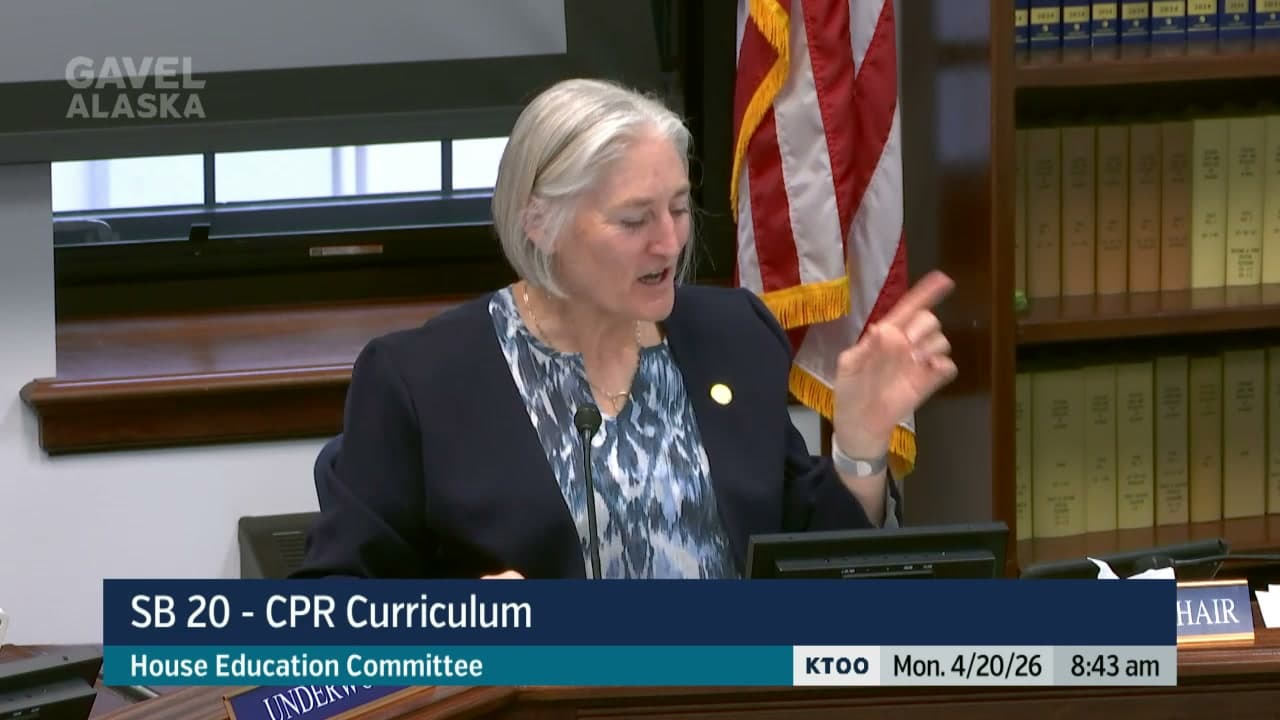
A week after the letters, the committee adopted three amendments. One changed "each" school to "a" school and added "if practicable." Another deleted the requirements for hands-on practice and AED instruction. A third pushed the start date to July 2027 so the heart association could apply for a Rural Health Transformation grant of up to $100,000 for CPR training.
"This amendment gives schools more discretion and reduces enforceability, but it does not remove the expectation of CPR instruction," said Rep. Andi Story, the Juneau Democrat who co-chairs the committee and offered the first change. She said it would allow adjustments for "mostly rural, smaller schools who may have trouble implementing this."
"It has never been our intention to place a burden on Alaska's educators," Gray-Jackson told the committee.
SB 20 never got a hearing in the House Finance Committee. On May 17, Gray-Jackson added the House Education version on the Senate floor to House Bill 27, Rep. Genevieve Mina's bill on medical care for heart attacks, strokes and other major emergencies. The Senate passed the combined bill 20-0, and the House agreed 27-13 two days later. All 13 no votes came from Republicans; eight Republicans voted yes.
During the House debate, Rep. Bryce Edgmon, a Dillingham independent, said the department would "adopt already existing curriculum related to CPR, that this would be distributed to school districts free of charge."
Rep. Justin Ruffridge, a Soldotna Republican who voted for Mina's original bill in 2025, voted no. CPR "is already offered in a number of our high schools already," he said.
Gov. Mike Dunleavy let the bill become law without his signature on June 18.
The Kenai Peninsula Borough School District already works with Alaska Safe Drivers and other groups to offer students CPR and first aid certification, Analea Caron, the district's college and career readiness coordinator, told the House Education Committee in April.
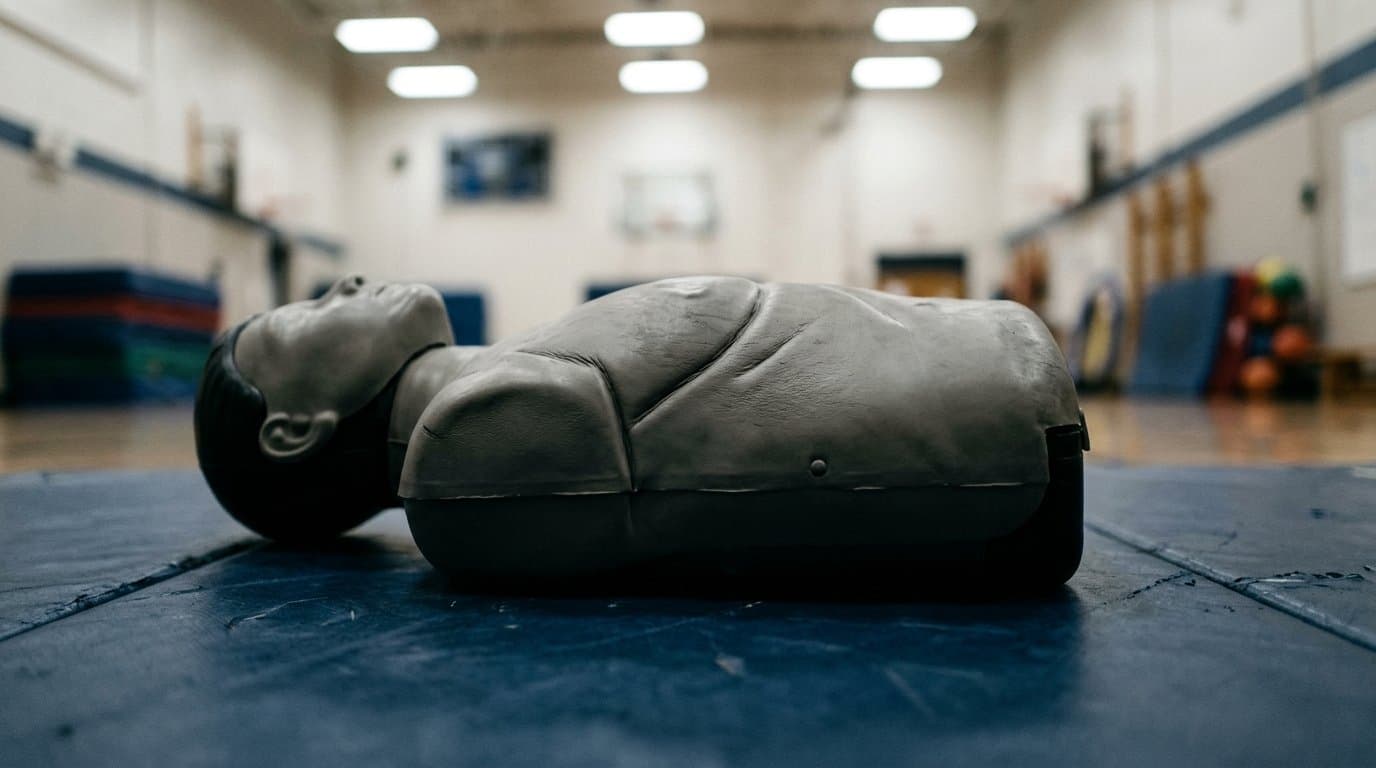
In Valdez, the district's curriculum director wrote in a report to the school board this month that several staff members are certified CPR trainers and the district has started talking about buying manikins, the dummies used for practice.
The heart association's Alaska office has given CPR kits to about 120 schools or communities and is working with the University of Alaska Anchorage to train more instructors, the department says. The department, the state Department of Health, UAA and the heart association are building the list of curricula districts can choose from, and the department plans to launch a website with resources in February.
What did you make of this story? (no account needed)
Made by our human newsroom with AI. Reviewed by Cale Green. How humans and AI work here · Grow with our newsroom ·
Keep Alaska News free for everyone.
No paywall, ever. Members pay so everyone can read the meetings and records Alaska News covers.
Get Alaska News in your inbox
Create your free account and get the day’s top stories around 6 each morning, in a few minutes’ read.
Top stories, around 6 each morning.
Stories on what you follow, on Sundays.
Based on a press release from Alaska Department of Education and Early Development.









Comments
Sign in to leave a comment.
No comments yet. Be the first to share your thoughts.