Alaska hydropower projects to receive millions in federal funding
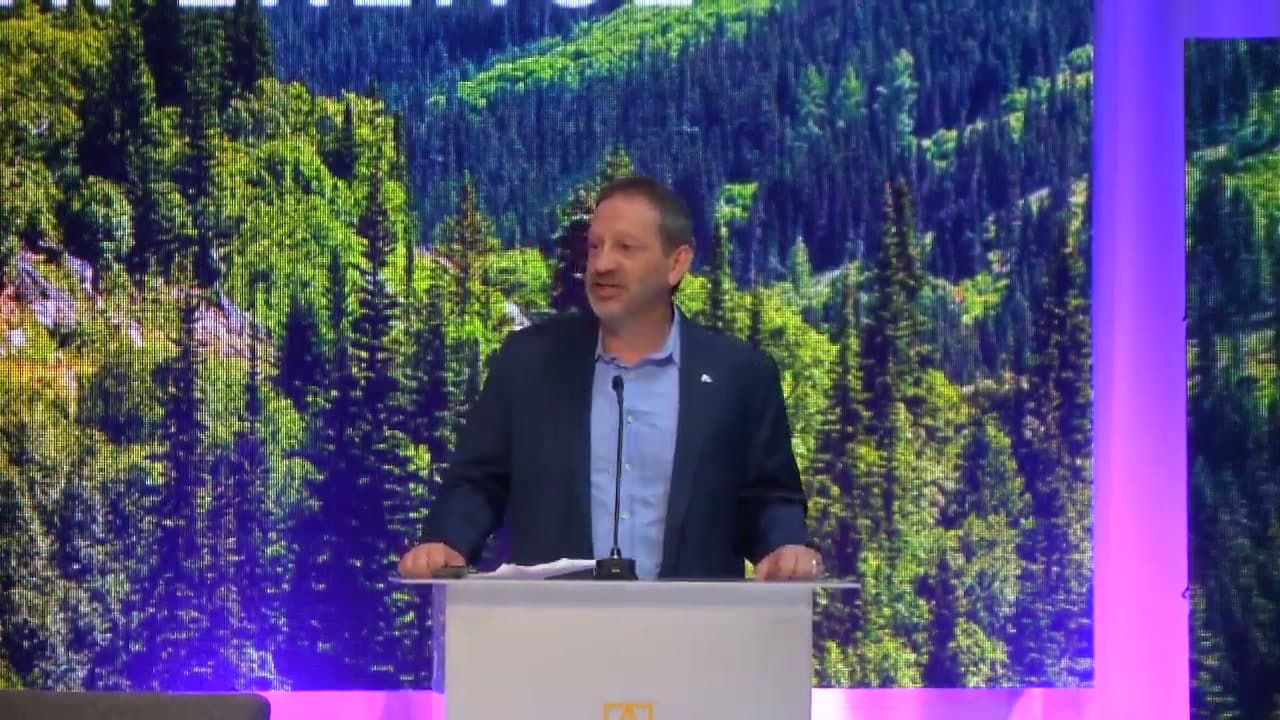
Four Alaska hydropower projects will receive millions in federal funding as part of a nationwide program to upgrade existing facilities, Malcolm Woolf, president and CEO of the National Hydropower Association, said Wednesday at the Alaska Sustainable Energy Conference.
The U.S. Department of Energy recently agreed to resume negotiations to release $430 million for upgrades at about 300 facilities around the country, Woolf said. Alaska projects include Chugach Electric with the Alaska Energy Authority, Sitka, Ketchikan, and Alaska Electric Light and Power in Juneau. The Juneau project is expected to receive $5 million, Woolf said.
The announcement comes as federal tax credits have created new opportunities for hydropower construction. Woolf said projects that begin construction by the end of 2033 qualify for federal tax credits worth 30 to 50 percent of project value through provisions preserved in last year's federal tax legislation.
"You want to build new hydropower here in Alaska or anywhere else, it's now up to 50 percent off," Woolf said. "Hydropower is currently on sale between 30 and 50 percent off depending on where it is."
The tax credits include direct payment provisions that allow public power entities and rural communities to receive checks directly from the federal government. The Tennessee Valley Authority received a $25 million check through the program, showing the credits' availability to government entities that typically cannot benefit from tax incentives, Woolf said.
"If you're a public power entity, if you're a rural community and you think, tax credits don't really apply to me, I'm not a taxable entity, well, the Tennessee Valley Authority got a check for $25 million, literally a paper check, from using this program," Woolf said.
The federal support arrives as Alaska's hydropower infrastructure faces both opportunities and challenges. Hydropower currently provides about 30 percent of Alaska's electricity mix and serves communities across the state, Woolf said. Alaska has more than 200 communities that are not road-connected, requiring independent microgrids for electricity. Many facilities date back decades. Juneau's Gold Creek facility, for example, has operated since 1896 and still provides power downtown.
The Department of Energy funding is part of broader federal investments flowing into hydropower in the region. In February 2024, DOE awarded $76 million for four new hydropower projects in rural and remote communities, three of them in Alaska and one in Washington state, aimed at expanding clean energy access. A separate DOE study identified more than 1,800 potential sites in Alaska for pumped storage hydropower, highlighting the state's untapped potential for grid storage.
The tax credits apply to both new hydropower facilities and upgrades to existing infrastructure, including efficiency improvements and dam-safety and environmental upgrades, Woolf said.
For Alaska's remote communities, many of which rely on diesel fuel for electricity, hydropower offers a path to reduce energy costs and increase reliability. Woolf highlighted a small community using a tidal device where diesel is currently flown in by seaplane; the device, he said, offsets a significant portion of that fuel use and runs 24 hours a day off river current.
Challenges remain alongside the optimism. Woolf told the conference that 40 percent of the non-federal hydropower fleet is up for relicensing, a process that takes about a decade and can saddle operators with hundreds of millions of dollars in obligations whose connection to the facility itself is sometimes weak. He cited examples of license conditions requiring operators to build amphitheaters, eradicate feral pigs, or build Forest Service roads that do not reach the project. Sixty-eight facilities have surrendered their licenses in recent years rather than absorb the cost, and Woolf said the industry is now seeing license-surrender discussions involving much larger plants — about 1,600 megawatts of existing capacity at risk, he said.
Aging infrastructure is the second persistent challenge, Woolf said. The average non-federal hydropower facility is more than 65 years old and needs ongoing dam-safety and environmental upgrades to remain in service. He said Alaska Senator Lisa Murkowski is sponsoring bipartisan legislation with Washington Senator Maria Cantwell that would create a federal tax incentive specifically for dam-safety and environmental investments at existing facilities.
The hydropower upgrades funded through the Department of Energy program focus on dam safety improvements, environmental protections, and efficiency enhancements at existing facilities. These investments, Woolf said, help extend the operational life of hydropower assets that often serve as critical infrastructure for their communities.
This article is based on a public meeting of HPLLC_Live — 2026 Alaska Sustainable Energy Conference Wednesday part 2 ().
AI-assisted. How we use AI Transcript byLucas Brown
Stay informed. Support what matters.
Free, permanent access to local news you can verify. Subscribe to support Walter AlaskaNews and go ad-free.
Related Coverage
Railbelt ratepayers will repay up to $100M for a Bradley Lake expansion built around federal tax credits
Alaska News · 1mo ago
Chugach is pursuing four hydroelectric projects to hedge against Cook Inlet gas decline
Alaska News · 3mo ago
Fifty-nine rural Alaska villages get federal money to defend their power systems from hackers
Alaska News · 1mo ago
Murkowski targets federal conditions on Southeast's hydropower licenses
Alaska News · 2mo ago
An Alaska village will own its solar power — and sell it back to the utility
Alaska News · 3mo ago
Comments
Sign in to leave a comment.
No comments yet. Be the first to share your thoughts.