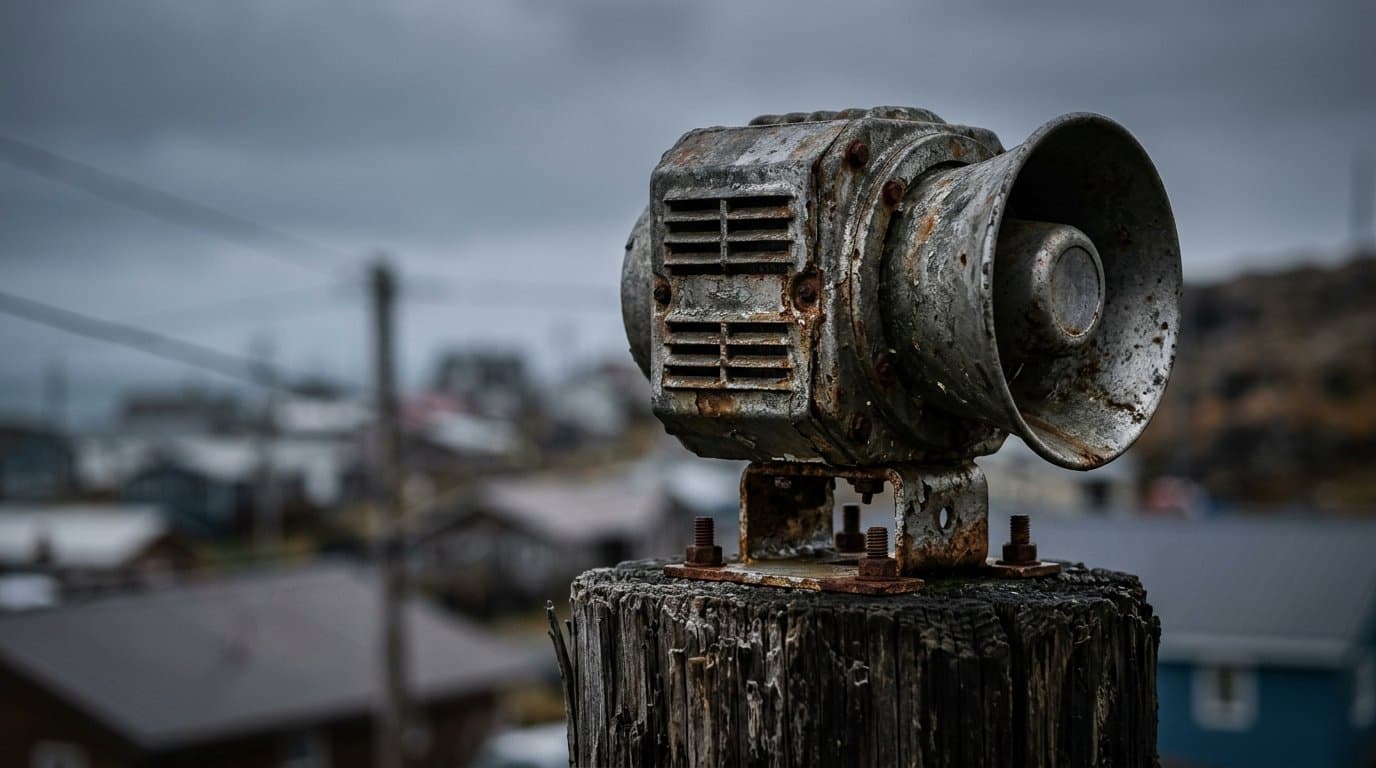
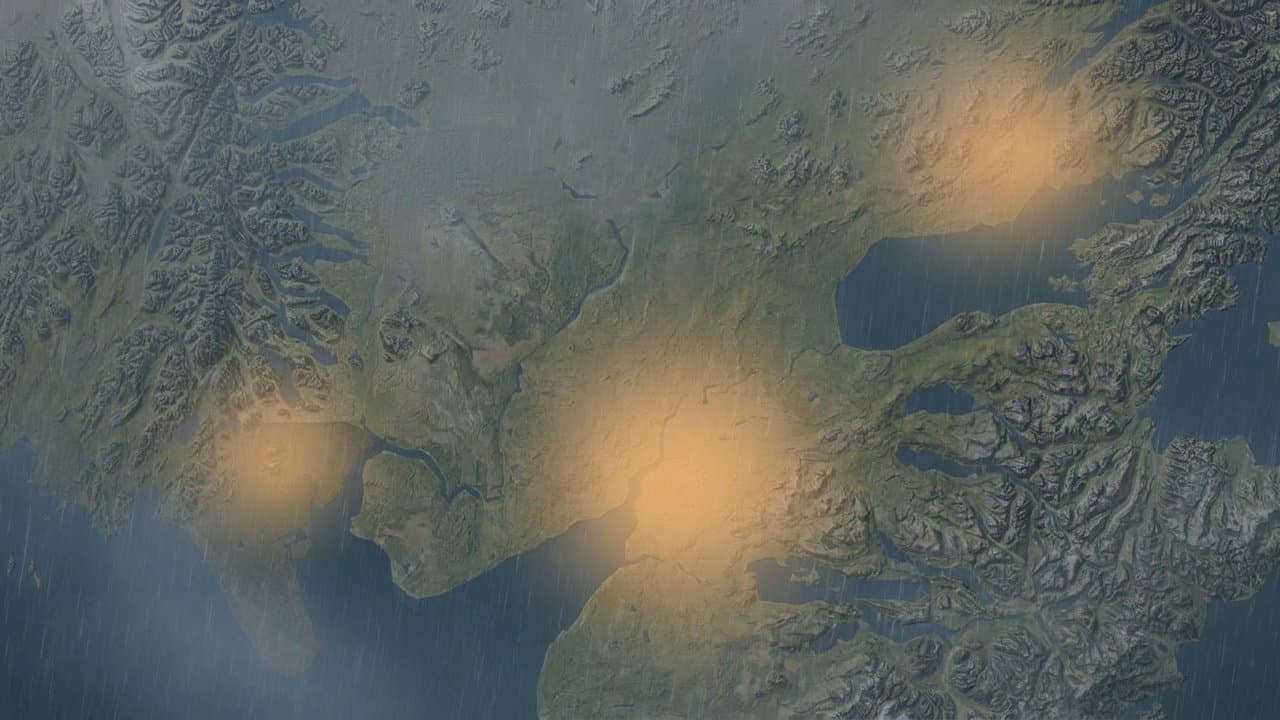
AI image
U.S. Senate passes weather bill calling for review of Alaska-Aleutian tsunami readiness
The U.S. Senate on Nov. 10 passed by unanimous consent a weather bill that would direct the Government Accountability Office to report on how the country should prepare for a major event in the Alaska-Aleutian subduction zone. The same bill would authorize $30 million a year for tsunami warning and education from fiscal 2027 through 2030.
That $30 million is a nationwide figure, and an authorization is not itself money in hand.
The state says federal tsunami funding supports warning communications, tsunami signage, inundation models, maps, decision-support tools and the Tsunami Ready program in Alaska communities.
The GAO review would cover three subduction zones, where one plate dives beneath another: Cascadia, Alaska-Aleutian and Kuril-Kamchatka. Along the Aleutian Arc, the Pacific Plate slides beneath the North American Plate. The bill gives the GAO 18 months after the bill becomes law to finish its report and one month after that to make the assessment public. It would also require a research and development plan for tsunami detection and forecasting, and would require that Native Hawaiian organizations be included in tsunami hazard mitigation and research planning.
The zone has produced large tsunamis before. The Aleutians East Borough's draft hazard mitigation plan lists a magnitude 8.6 earthquake on April 1, 1946, whose waves ran up about 138 feet on Unimak Island.
The tsunami provisions are part of a larger package. Commerce Committee Chairman Ted Cruz introduced the Weather Research and Forecasting Innovation Reauthorization Act of 2026 on Feb. 25. It folds in 17 bipartisan bills, including the Tsunami Warning and Education Reauthorization Act, sponsored by Sens. Maria Cantwell, Lisa Murkowski and Dan Sullivan.
The package also would authorize $35 million a year for the National Landslide Hazards Reduction Program through 2030, set up a fire weather services program and move the National Weather Service's forecasting computer system to the cloud by 2030.
Sullivan, R-Alaska, said in a Nov. 11 Commerce Committee release that the bill would bolster NOAA's forecasting, warning and communication systems "to be better prepared for natural disasters such as tsunamis, landslides, wildfires, and severe weather."
What did you make of this story? (no account needed)
Made by our human newsroom with AI. How humans and AI work here · Grow with our newsroom ·
Get Alaska News in your inbox
Create your free account and get the day’s top stories around 6 each morning, in a few minutes’ read.
Top stories, around 6 each morning.
Stories on what you follow, on Sundays.
Source: National Oceanic and Atmospheric Administration.






Comments
Sign in to leave a comment.
No comments yet. Be the first to share your thoughts.