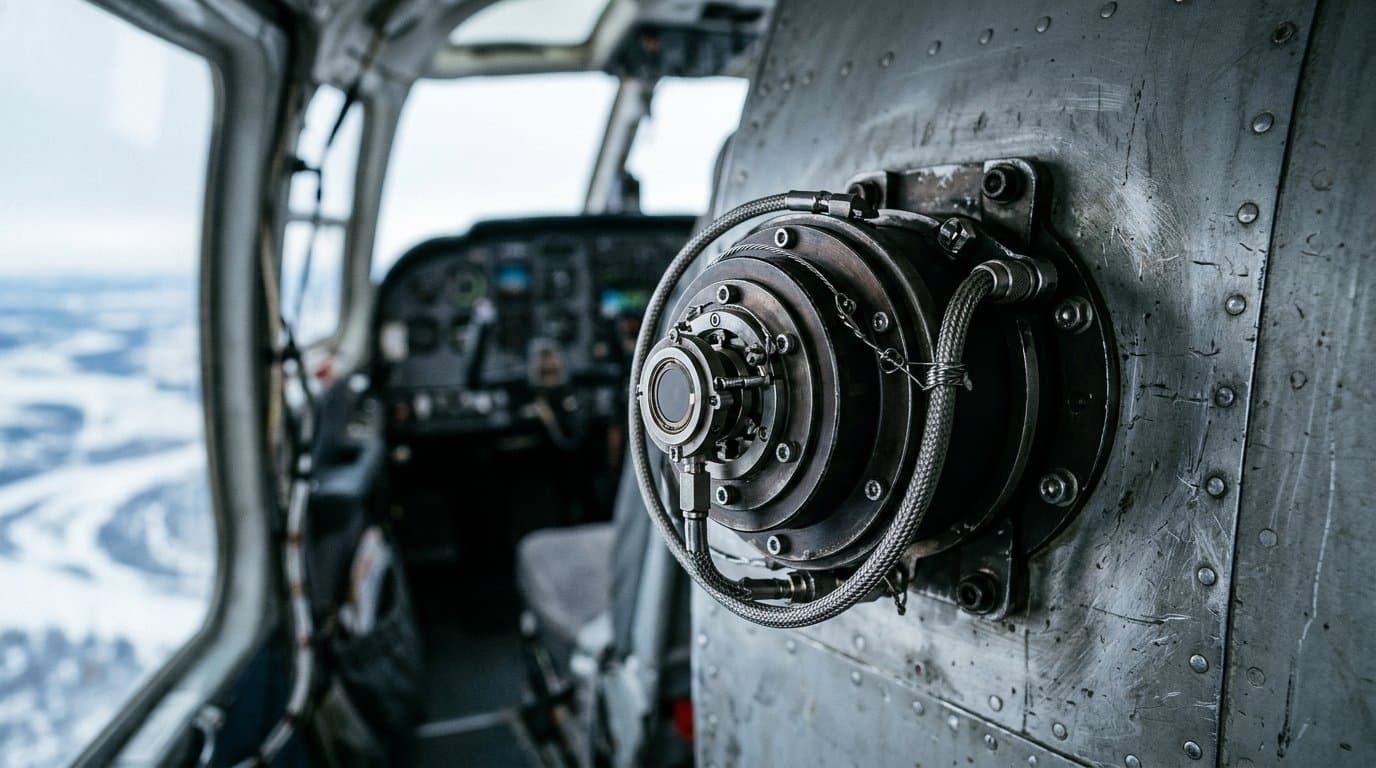
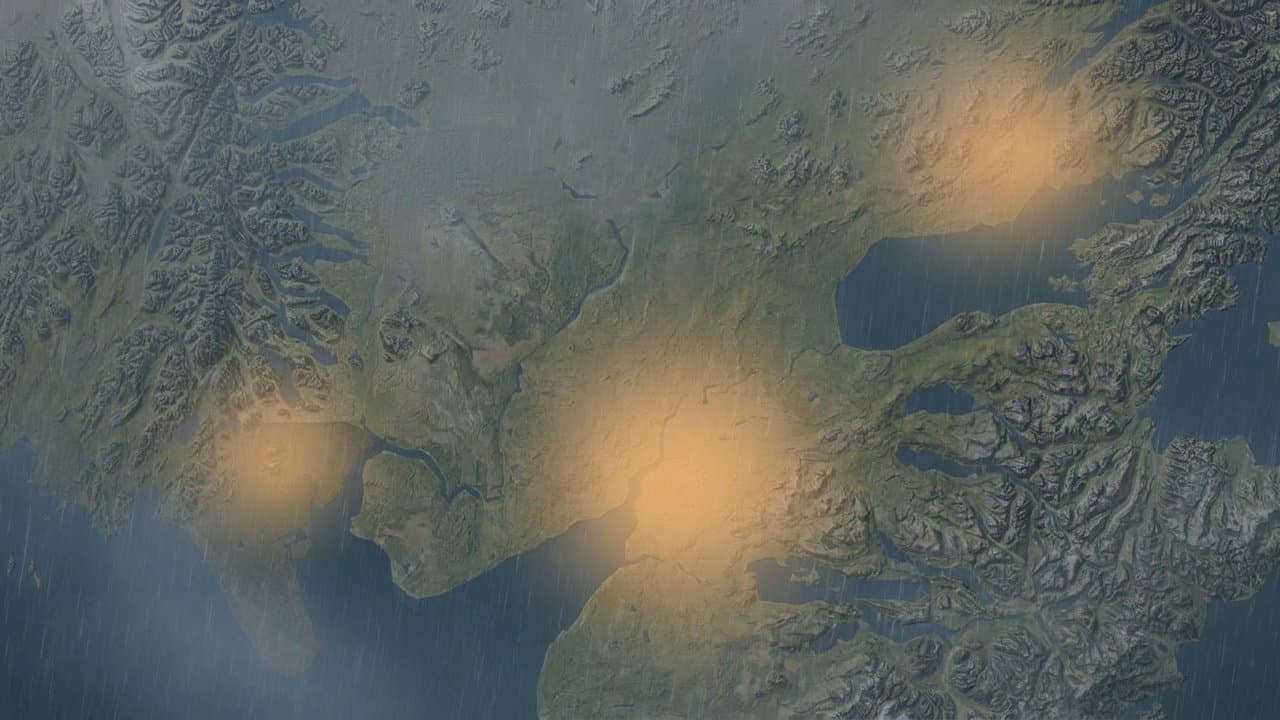
AI image
U.S. Senate passes bill directing NOAA to keep aerial snow surveys flying
The U.S. Senate on Nov. 10 passed a weather bill that would require the National Oceanic and Atmospheric Administration (NOAA) to maintain and modernize its Aerial Snow Survey. The program flies over river basins, including in Alaska, to measure snow water equivalent, the amount of water held in the snowpack.
Under the bill, the survey would support water supply forecasting, flood risk management and seasonal outlooks, and its data would feed the National Weather Service's River Forecast Centers.
The flights already happen in Alaska. The Alaska-Pacific River Forecast Center logged aerial snow water equivalent surveys on 17 dates between April 2 and May 4 this year, covering Alaska and the Yukon Territory, according to NOAA's 2026 snow survey log. Snow maps built from the surveys were produced for most of those dates.
The National Operational Hydrologic Remote Sensing Center in Chanhassen, Minnesota, runs the program. It surveys 31 states, including Alaska, and eight Canadian provinces, according to the center. Four NOAA Corps officers pilot the aircraft and operate the remote sensing systems.
The bill lists four duties for the program. It would collect airborne snow water equivalent measurements across major river basins and work those measurements into the River Forecast Centers' forecasts. It would improve seasonal runoff, flood and drought outlooks. It would also coordinate with state water resource agencies and emergency managers.
The bill lets NOAA upgrade aircraft instrumentation and data tools to improve forecasts, but it does not require those upgrades. The snow survey section does not name a dollar amount for the program.
The snow survey language is one short section, Section 209 of the version the Senate passed, in a long bill. The Weather Research and Forecasting Innovation Reauthorization Act of 2026 combined 17 bipartisan bills when Sen. Ted Cruz introduced it Feb. 25. The same package covers weather radar, wildfire forecasting and tsunami warnings. One provision would align the analytic techniques used by the tsunami warning centers in Hawaii and Alaska.
Sen. Amy Klobuchar of Minnesota proposed the snow survey requirements in an amendment offered at the Senate Commerce Committee's March 4 markup, the day the committee voted to send the bill to the full Senate. The Senate passed the bill by unanimous consent.
"My provision to protect the Aerial Snow Survey Program was included in the bill, which is crucial for collecting data and monitoring snowpack to better predict water levels and downstream impacts for local communities," Klobuchar said in a Nov. 10 release from the committee's Democratic staff.
U.S. Sen. Dan Sullivan of Alaska said in the same release that accurate forecasting and timely warnings are especially important for Alaska because of its vast geography, remote communities and exposure to a wide range of hazards.
The House received the bill Nov. 12 and held it at the desk. The committee's Republican staff said Senate passage reflects a bicameral agreement and that the House is expected to take up the bill and send it to the president before the current Congress ends.
What did you make of this story? (no account needed)
Made by our human newsroom with AI. How humans and AI work here · Grow with our newsroom ·
Get Alaska News in your inbox
Create your free account and get the day’s top stories around 6 each morning, in a few minutes’ read.
Top stories, around 6 each morning.
Stories on what you follow, on Sundays.
Source: National Oceanic and Atmospheric Administration.





Comments
Sign in to leave a comment.
No comments yet. Be the first to share your thoughts.