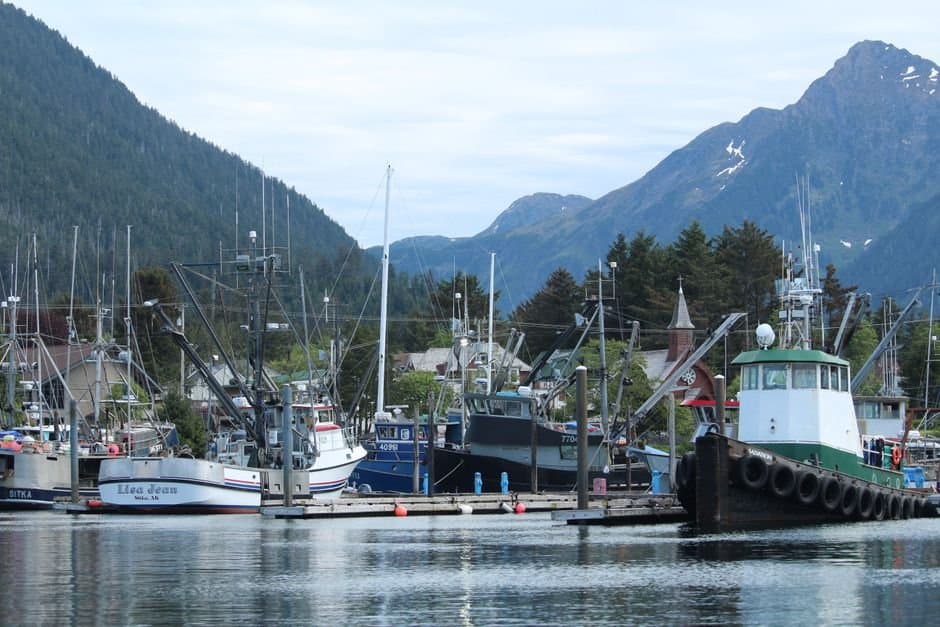
Photo by Howard Herdi on Pexels · Source
Trump fishing order targets Gulf, Atlantic data disputes and could reach Alaska
Updated on September 17, 2026 at 4:33 p.m.: This article was substantially revised to explain the order's Atlantic and Gulf origins, distinguish a federal review from a catch-limit change, and narrow its potential Alaska effects.
President Donald Trump signed an executive order Thursday directing a national review of recreational-fishing policy. It changes no Alaska catch limit now, and its most specific data remedy applies only along the Atlantic and Gulf coasts.
The order gives the Commerce Department 180 days to review guidelines for National Standard 1, which concerns optimum yield, and National Standard 2, which requires the best available science. Commerce must consider whether the guidance adequately accounts for recreational fisheries and allows state data to enter federal decisions more quickly.
Those standards are important, but the review is not permission to abandon conservation limits. The Magnuson-Stevens Act still requires managers to prevent overfishing and use the best scientific information available. It also describes the implementing guidelines as advisory rather than binding law.
The order's clearest complaint concerns NOAA's Marine Recreational Information Program. It says inaccurate federal estimates have restricted fishing along the Atlantic and Gulf coasts and tells NOAA to consider substituting more precise state figures. NOAA says MRIP does not estimate Alaska recreational activity because ADF&G already collects most of that information.
Alaska also already requires statewide electronic logbooks for saltwater charter trips. The order calls for standardized mobile reporting and an evaluation of federal mail surveys, but it does not say Alaska's state survey must be replaced.
Any eventual national-guideline revision could still reach fishery plans prepared by the North Pacific Fishery Management Council. The council prepares and amends plans for federal waters 3 to 200 nautical miles from shore and coordinates with Alaska in state waters. That is different from holding authority over every fishery off Alaska.
Pacific halibut, a major Alaska recreational fishery, is also managed through a separate federal statute and the International Pacific Halibut Commission. The order does not directly rewrite Alaska's charter-halibut limits.
The Alaska provisions worth watching are broader. Agencies must evaluate permits lasting at least three years, develop more electronic reporting, create a shark and pinniped depredation task force and remove delays in Sport Fish Restoration and Boating Trust Fund spending. Commerce must also develop a five-year strategy for considering recreational-fishing economics in management decisions.
Whether those steps change an Alaska allocation or catch limit will depend on later agency proposals, council proceedings and any required rulemaking. The order itself identifies no Alaska fishery for a higher limit.
Source: whitehouse.gov, An executive order tells Commerce to rewrite the two rules every Alaska catch limit is built on. It never says Alaska, and the fix it actually spells out is written for the Gulf and the Atlantic ().
Drafted with AI. Edited by Cale Green (2 revisions). No full editor review is on record. Who is accountable.
Stay informed. Support what matters.
Free, permanent access to local news you can verify. Subscribe to support Walter AlaskaNews and go ad-free.
Related Coverage
Trump order gives agencies 180 days to propose hunting access rules
Alaska News · 42m ago
Dunleavy was at Trump's signing reopening 500,000 square miles of Western Pacific to commercial fishing
Alaska News · 3mo ago
Federal orders reach Alaska's beef labeling and processing gaps
Alaska News · 1w ago
A court struck down a fishery council's power. Alaska's council has the same one.
Alaska News · 1w ago
Prince William Sound king salmon limit stays at one fish through Sept. 15
Alaska News · 1mo ago
Comments
Sign in to leave a comment.
No comments yet. Be the first to share your thoughts.