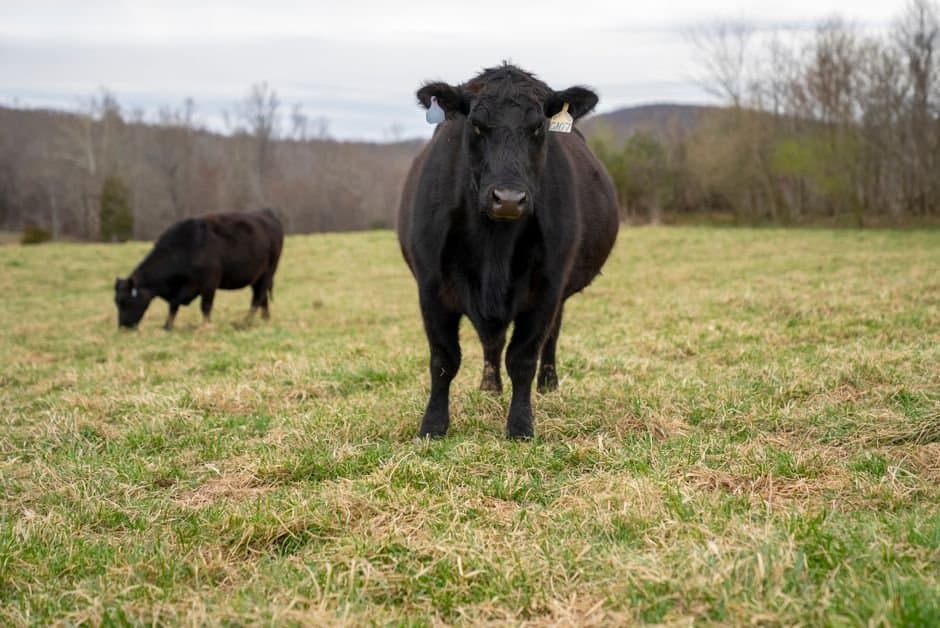
Photo by Mark Stebnicki on Pexels · Photo source
Federal orders reach Alaska's beef labeling and processing gaps
Alaska started 2026 with 19,000 cattle and calves, down 5 percent from a year earlier and the third-smallest herd in the country. Last year, three federally inspected Alaska plants slaughtered 772 cattle between them, all year.
Washington spent Friday reopening the fight over how beef gets labeled.
President Trump signed two executive orders at the White House. One directs the Agriculture Department, working with the U.S. trade representative, to review within 90 days whether it has the legal authority to require country-of-origin labeling on beef, and to run an updated economic analysis. USDA could then write regulations, or recommend legislation if it decides it needs new authority. Nothing changes at the meat counter in the meantime.
The timing is not incidental. On Sept. 1 the administration opened the first of three monthly tranches allowing an additional 300,000 metric tons of lean beef trimmings into the country at the lower tariff rate, running through Nov. 30. That quota is reserved for the tariff schedule's "other countries or areas" category, which includes Brazil. Argentina is separate, with its own country-specific quota that Trump expanded by 80,000 metric tons earlier this year. The administration expects the imported trimmings to sell well below the U.S. market price. Major cattle groups criticized the move.
The orders themselves cite a national herd at a 75-year low and beef demand up nearly 10 percent over the past decade.
Mandatory labeling has been tried. It ran until 2015, when the World Trade Organization found it treated imported Canadian and Mexican livestock less favorably and imposed heavy segregation and recordkeeping burdens, and Congress repealed it for beef and pork. A USDA rule finalized in 2024 took full effect Jan. 1, allowing a voluntary "Product of USA" claim only for meat from animals born, raised, slaughtered and processed entirely in the United States.
The industry is split on going further. R-CALF USA, which represents independent producers, wants mandatory labeling so ranchers can distinguish domestic beef from imports. The National Cattlemen's Beef Association favors the voluntary system, citing tracking, auditing and compliance costs.
For Alaska producers, labeling is not the only constraint. Those 772 head slaughtered under federal inspection last year are the bottleneck. Without in-state capacity it is hard to keep an animal here through the full production chain, which is what a fully Alaska-origin claim requires. State Sen. Mike Cronk, whose district takes in the Delta farming country, has argued repeatedly that the state needs to build agricultural and processing infrastructure.
The second order speaks to that directly. It targets competition in livestock markets and access to processing, directing agencies to expand small and regional meat-processing capacity, identify barriers to interstate meat sales, improve information about available slaughter capacity, increase enforcement under the Packers and Stockyards Act, and set up a guaranteed loan program for small and regional processors.
The first order also directs the interior secretary to determine within 90 days whether gray wolves and Mexican wolves meet recovery criteria for delisting or downlisting under the Endangered Species Act. Interior and USDA are told to consider changes to compensation standards for livestock killed by predators, and to the rules on lethal removal. Separately, USDA, Interior, the trade representative, the FDA and the Small Business Administration have 90 days to review federal regulations, guidance and policies affecting ranchers.
Source: The White House, Executive Office of the President: Supporting America’s Ranchers.
Made by our human newsroom with AI. How humans and AI work here · Grow with our newsroom
Stay informed. Support what matters.
Free, permanent access to local news you can verify. Subscribe to support Maggie AlaskaNews and go ad-free.
Related Coverage
New federal money for small meat processors could help Alaska lean less on imported food
Alaska News · 3mo ago
Trump's farm package, and what it actually means for Alaska
Alaska News · 3mo ago
An order would presume hunting is allowed on Alaska's federal land
Alaska News · 1mo ago
Trump fishing order targets Gulf, Atlantic data disputes and could reach Alaska
Alaska News · 1mo ago
A cattle parasite Alaska will never see could still cost Alaskans
Alaska News · 2mo ago
Comments
Sign in to leave a comment.
No comments yet. Be the first to share your thoughts.