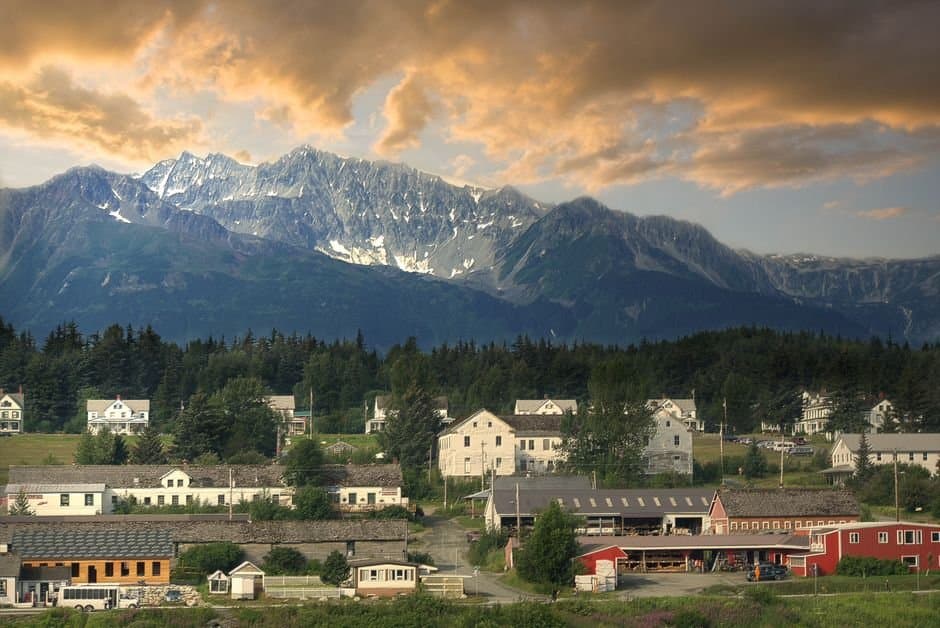
Photo by Stephen Meyers on Pexels · Photo source
About 775 noncitizens lose full Alaska Medicaid, and just over half are children
About 775 refugees, asylees and other noncitizens have been dropped from full Alaska Medicaid coverage under a new federal law, and just over 400 of them are children, a state health official told lawmakers Tuesday in Anchorage.
They can still get emergency Medicaid, which covers emergency room care and labor and delivery for up to 72 hours. Sen. Löki Tobin asked who would pay if one of them needed care outside those limits.
"It would be uncompensated care. I do not believe there would be a payer for that care outside of the individual themselves," said Deputy Commissioner Emily Ricci of the Alaska Department of Health.
The law, known as H.R. 1, is the tax and spending bill President Donald Trump signed in July 2025. Starting Oct. 1, it limited federally funded Medicaid to U.S. citizens and nationals, lawful permanent residents, Cuban and Haitian entrants and migrants from the Compact of Free Association nations. That left out people who had qualified before, mainly refugees, asylees, people with temporary protected status, trafficking victims and Ukrainian and Afghan parolees, Ricci told a joint hearing of the House and Senate Health and Social Services committees.
Ricci said the count isn't final. In August, the department reached out to nearly 1,000 people it had identified as possibly affected. About 200 were found to still qualify, and some people are still within a 90-day window to show their immigration status has changed. The department said it met one-on-one with groups that work with newcomers, such as Catholic Community Services. It is also reviewing a federal option that could let it extend coverage to affected pregnant women and children.
Ricci called a work requirement for adults covered through Alaska's Medicaid expansion potentially one of the largest and most controversial parts of the law. Adults it applies to will have to show 80 hours a month of work, community service, school or similar activity, or income of at least $580 a month. The law sets a Jan. 1, 2027 start, but Alaska has asked federal officials to push that to Jan. 1, 2028, under a provision Ricci said the state's congressional delegation got into the bill.
About 57,000 of the roughly 195,000 Alaskans on Medicaid are expansion enrollees, and many of them are excluded, including Alaska Native and American Indian people as defined under federal Indian health law, pregnant and postpartum women, and parents of children under 14. The department's preliminary count shows about 44,000 are excluded, excused or already meet the standard, leaving 12,850 who would have to show they qualify, according to its briefing document.
Rep. Rebecca Schwanke said self-reporting makes less sense for a job or volunteer work than for whether someone is Alaska Native. Ricci said those enrollees will have to provide documentation of some kind.
People who lose coverage for not meeting the requirement can't get subsidized insurance on the federal marketplace, though they would still qualify for emergency Medicaid, Ricci said.
Rep. Genevieve Mina, who chaired the hearing, said the department's February estimate had 50% to 72% of those subject to the requirement losing coverage, depending on how many people document that they qualify. Applied to the new count, she said, that would be 6,425 to 9,252 Alaskans. Ricci said updated estimates should come in about 60 days.
Two other changes start Jan. 1. About 40,000 expansion enrollees will have to renew their coverage every six months instead of every year, phased in as each person's renewal comes up. Alaska Native and American Indian enrollees stay on yearly renewals. Medicaid will also pay for less of the care people get before they're found eligible. That window shrinks from 90 days to 60 for most adults and children, and to 30 days for expansion adults.
What did you make of this story? (no account needed)
Made by our human newsroom with AI. Reviewed by Cale Green. How humans and AI work here · Grow with our newsroom · Transcript byWalter AlaskaNews
Get Alaska News in your inbox
Create your free account and get the day’s top stories around 6 each morning, in a few minutes’ read.
Top stories, around 6 each morning.
Stories on what you follow, on Sundays.
This article is based on a public meeting of Alaska State Legislature — Alaska Legislature HHSS committee — 2026-11-10 ().








Comments
Sign in to leave a comment.
No comments yet. Be the first to share your thoughts.