USDA proposes rules for Alaska's SNAP work-limit exemption, with a 2028 end date
The U.S. Department of Agriculture on Tuesday proposed rules for a temporary "good faith" exemption from the SNAP work time limit, available only to Alaska and Hawaii. Under the proposed rule, any such exemption would expire no later than Dec. 31, 2028, and could not be renewed past that date.
The proposal follows a separate USDA proposal that could undo Alaska's 2024 expansion of SNAP, which raised income limits and dropped the asset test.
Under the time limit, SNAP recipients ages 18 through 64 can get benefits for only three months in a three-year period unless they work or join a qualifying program 80 hours a month or meet an exception. The 2025 One Big Beautiful Bill Act raised the upper age from 54. It also removed exceptions for homeless individuals, veterans and people 24 or younger who aged out of foster care, and lowered the dependent-child exception from under 18 to under 14. The proposal would write those changes into USDA's rules.
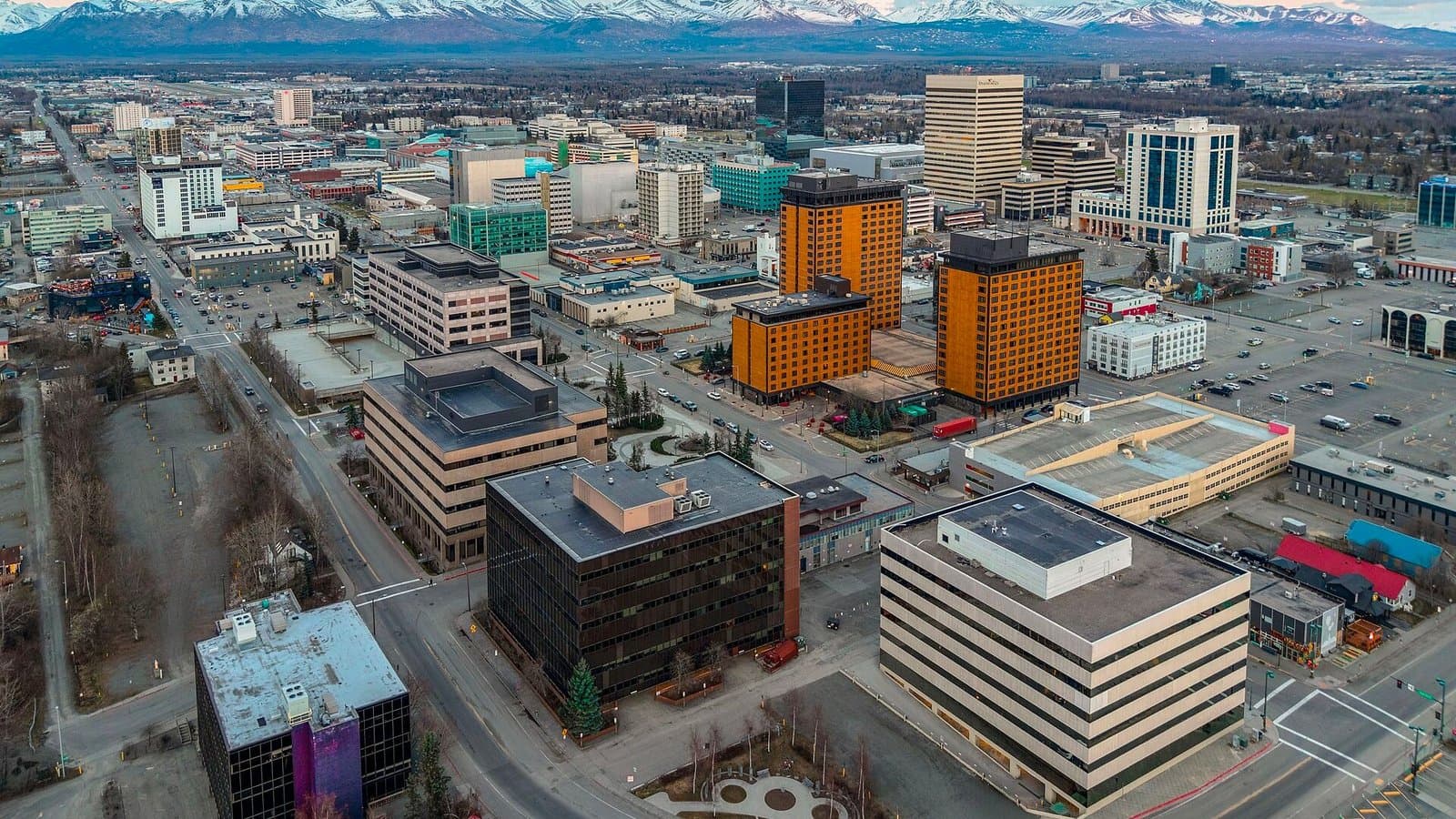
The Alaska Department of Health's update to legislators on the new federal law says the state already secured a good-faith waiver through Oct. 31, 2027. Anchorage has not been covered by it; as of August, SNAP recipients there faced the work requirements while the rest of the state was under the waiver.
To qualify, a state would have to describe its compliance efforts and barriers and give a timeline with milestones, a plan for tracking performance and a list of which residents it would exempt. Approved states would file quarterly progress reports. USDA could end the exemption early if reports are missed or show the state has stopped making good-faith efforts.
The proposal also adds a high-unemployment waiver test only Alaska and Hawaii can use: unemployment at least 1.5 times the national rate.
At Tuesday's joint hearing of the House and Senate health committees, Division of Public Assistance Director Deb Etheridge said Alaska runs SNAP on its legacy Eligibility Information System and that the federal changes kept the state from succeeding on the administrative side, according to the meeting record.
Rep. Andrew Gray, an Anchorage Democrat, said people who lose SNAP may stop paying rent or heating bills instead of buying less food: "if you lose your SNAP, then you could end up homeless."
People who qualify as Indian or Urban Indian under the Indian Health Care Improvement Act are excepted from the time limit outright. USDA says they do not need to live on reservation lands.
Five tribal organizations submitted written comments on lost exceptions for older adults, veterans and former foster youth. USDA said the lost exceptions are set by law and cannot be changed by the rule, and that it expects many of those people to stay eligible under the new tribal exception.
Comments on the proposal are due Dec. 10 through regulations.gov.
What did you make of this story? (no account needed)
Made by our human newsroom with AI. How humans and AI work here · Grow with our newsroom ·
Get Alaska News in your inbox
Create your free account and get the day’s top stories around 6 each morning, in a few minutes’ read.
Top stories, around 6 each morning.
Stories on what you follow, on Sundays.
Source: USDA Food and Nutrition Administration, USDA Food and Nutrition Administration: Modification to Work Requirements for Able-Bodied Adults.











Comments
Sign in to leave a comment.
No comments yet. Be the first to share your thoughts.