Photo: U.S. Air Force CONR-1AF by Michael Dougherty via Wikimedia Commons · Photo source · Public domain
Alaska Air Guard renames JBER air defense squadron for battle management role
The Alaska Air National Guard's 176th Air Defense Squadron became the 176th Battle Management Control Squadron on Nov. 7 at Joint Base Elmendorf-Richardson. The Guard said the renaming reflects a shift beyond traditional air surveillance to multi-domain command and control.
Lt. Col. Jon Blenkush, the squadron commander, said at the ceremony that the unit's primary focus is Integrated Air and Missile Defense of the Homeland. "Today, we face a threat landscape where the lines between peacetime surveillance and wartime engagement have completely blurred," he said.
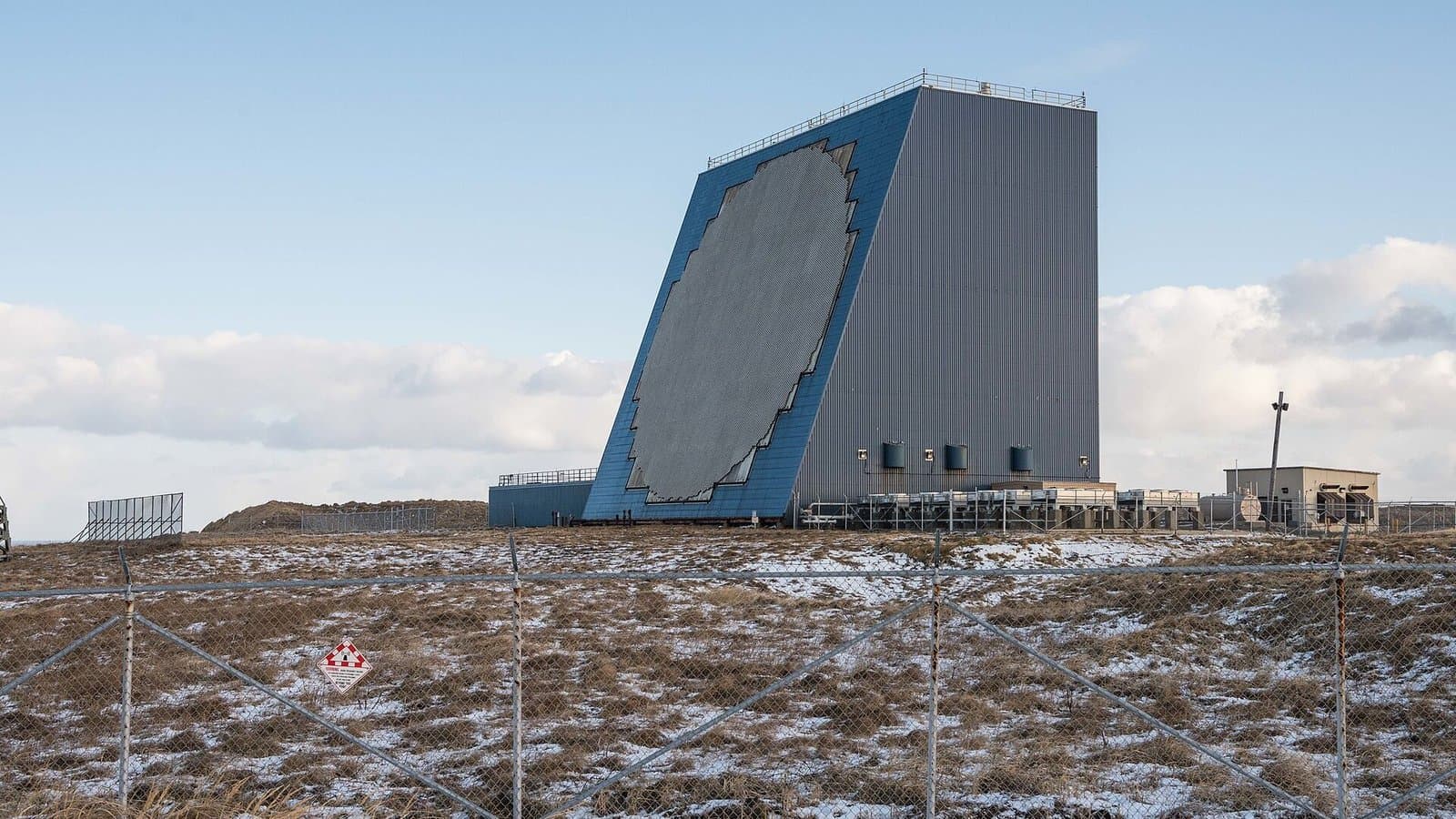
The Guard said adversaries now use hypersonic glide vehicles, advanced cruise missiles and low-flying drones that are hard to see on radar, and that a drone swarm or low-observable missile strike could challenge conventional early-warning networks. Battle management control, the Guard said, connects the sensor directly to the shooter.
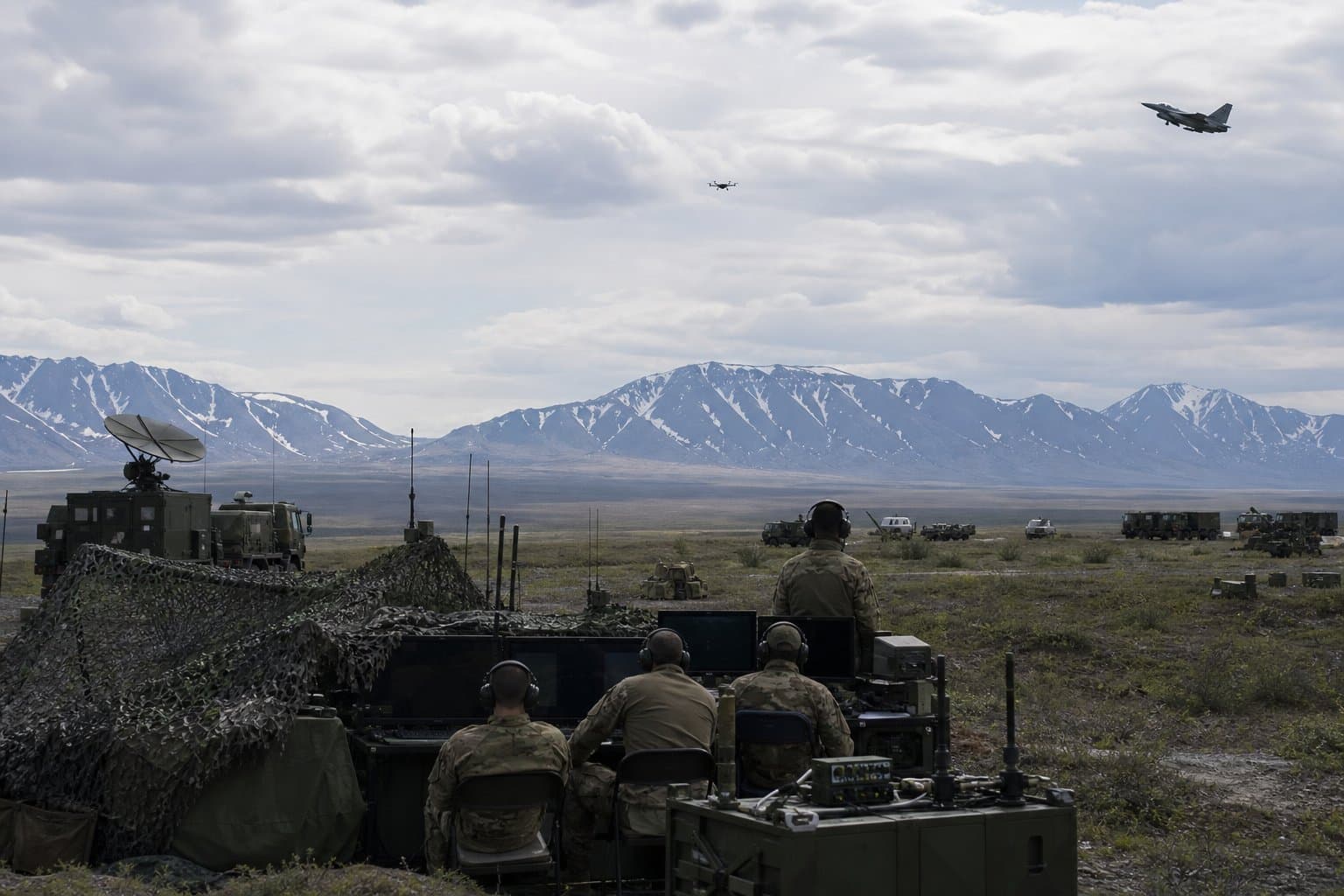
The squadron's air battle managers, weapons directors, mission system operators and surveillance technicians integrate real-time intelligence, manage cyber effects and tactical data links and direct weapon systems for the North American Aerospace Defense Command, U.S. Northern Command and U.S. Indo-Pacific Command, according to the Guard. Known across the Alaskan NORAD Region as "Top Rock," the unit works beside active-duty 11th Air Force personnel and embedded Canadian Armed Forces members.
"Calling this unit the 176th Battle Management Control Squadron aligns our title with the reality of our mission," Blenkush said.
The Guard pointed to two recent events. In early 2023, squadron controllers detected, tracked and coordinated the response to a high-altitude surveillance balloon crossing North American airspace. That February, they directed intercepts of two unidentified objects over northern Alaska and western Canada, according to the Guard.
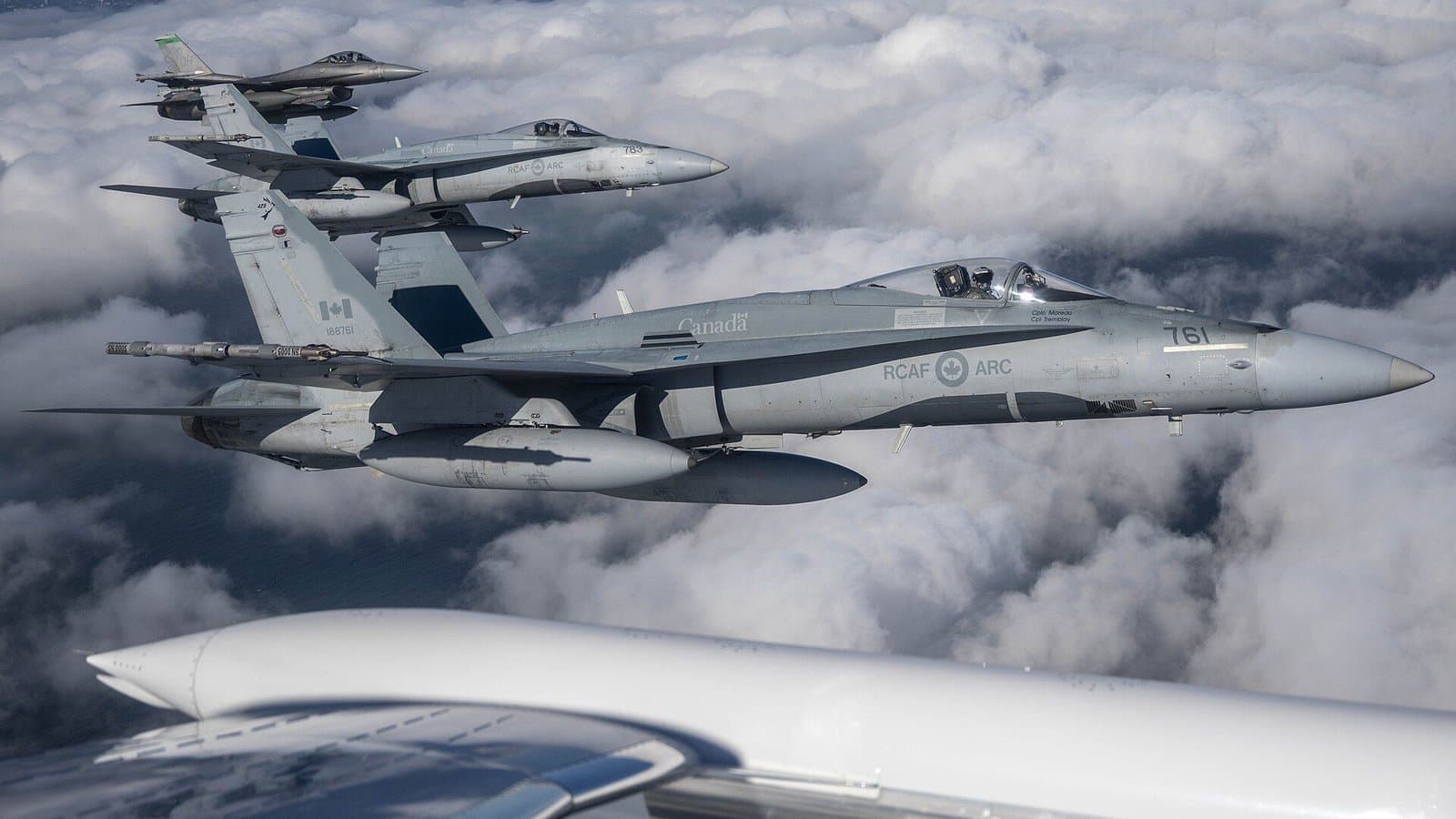
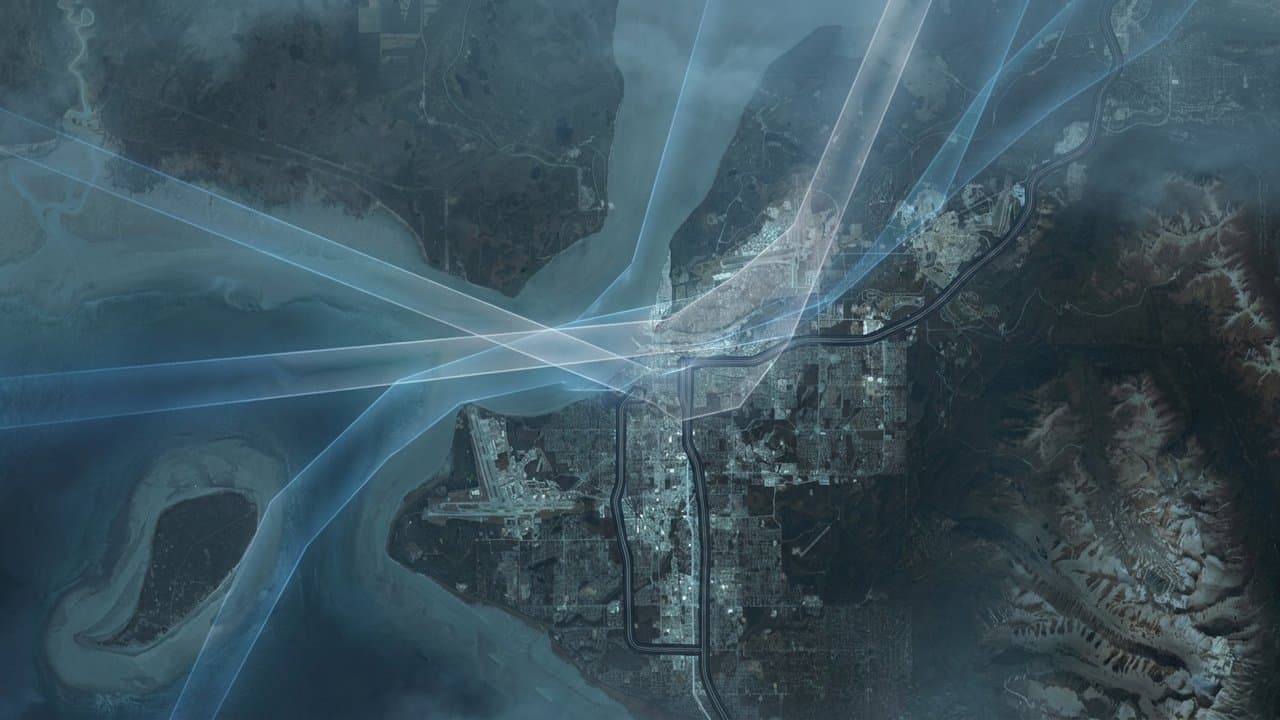
In July 2024, Russian and Chinese long-range bombers entered the Alaska Air Defense Identification Zone together for the first time. Federal rules require aircraft other than military and law enforcement planes to be identified and located in that zone. The Guard said squadron airmen fused sensor data, built the air picture and guided U.S. and Canadian fighters to intercept the bombers 500 miles off the Alaska coast. An earlier 176th Wing account said it was also the first time Chinese warplanes entered the U.S. zone.
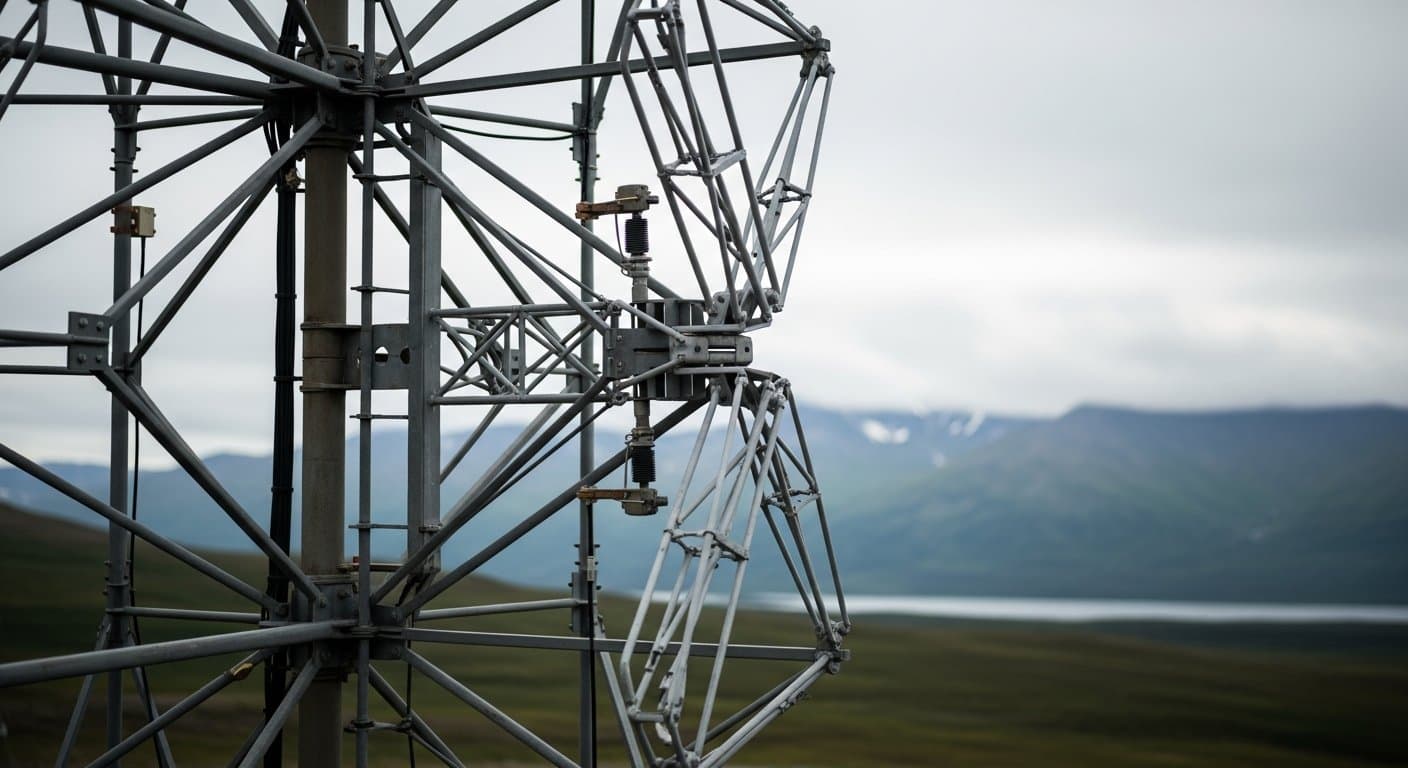
The unit traces its lineage to Murphy Dome in the Yukon-Tanana Upland, where the 744th Aircraft Control and Warning Squadron stood up in February 1953 and spent three decades on site. In the 1980s, a program called Project Seek Igloo modernized remote radar sites and centralized them at Elmendorf. The mission began moving to the Guard's 176th Wing in 2001. The unit stood up as the 176th Air Control Squadron on Oct. 1, 2004, and became the 176th Air Defense Squadron in 2013.
The squadron continues its 24-hour watch under the new name.
What did you make of this story? (no account needed)
Made by our human newsroom with AI. How humans and AI work here · Grow with our newsroom ·
Get Alaska News in your inbox
Create your free account and get the day’s top stories around 6 each morning, in a few minutes’ read.
Top stories, around 6 each morning.
Stories on what you follow, on Sundays.
Source: Alaska Air National Guard, Alaska Air National Guard: Guardians of the North: 176th Air Defense Squadron becomes 176th Battle Management Control Squadron.













Comments
Sign in to leave a comment.
No comments yet. Be the first to share your thoughts.