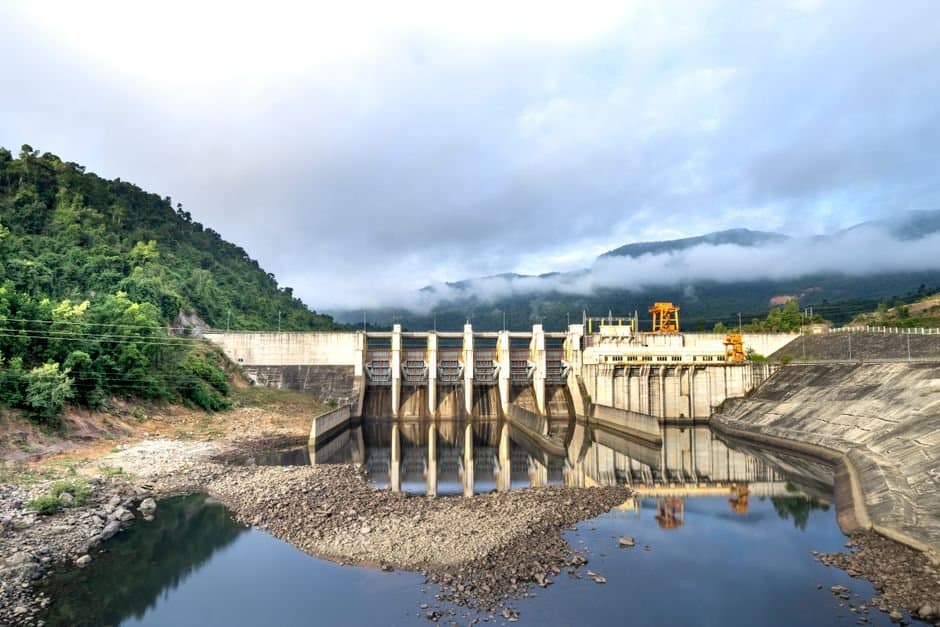
Photo by Quang Nguyen Vinh on Pexels · Source
Bradley Lake's price figures do not all measure the same thing, as Aug. 28 comment deadline nears
Alaskans have until 5 p.m. Eastern on Aug. 28, which is 1 p.m. in Alaska, to file comments, protests or motions to intervene on the Alaska Energy Authority's application to expand the Bradley Lake Hydroelectric Project. The price attached to the project has been stated three different ways in four months, and the three figures do not all measure the same thing.
The authority's July 21 board packet puts the total project budget at about $435.9 million, with the tunnel and diversion alone at $305.11 million, built on a Class 4 construction estimate of $401.6 million dated February 2026, and states about $403.2 million in additional financing will be required. A Class 4 estimate is an early one, prepared on limited information and carrying a wide accuracy range.
Two days later, the authority's written announcement said, "The total project cost is currently estimated at $400 million." That is within $1.6 million of the packet's construction estimate, and the authority's own project page calls roughly $400 million "the estimated construction cost of the project," not the total. In April, General Counsel Mark Billingsley told the same board the updated total was $420 million.
The expansion would divert Dixon Glacier meltwater at the headwaters of the Martin River through a 4.6-mile tunnel into Bradley Lake, raise the lake's maximum operating pool about 16 feet, and add a 0.3-megawatt turbine at the dam's fishwater release valves. Average annual generation rises about 38 percent, from roughly 436,000 to 601,000 megawatt-hours. Bradley Lake supplies about 10 percent of Railbelt power.
The board endorsed a first tranche: a commercial paper program of not more than $100 million, closing no later than Nov. 30, 2026 and running to June 30, 2028, secured by project revenues and a legislature-replenishable reserve fund.
The Bradley Lake Project Management Committee, the authority and five purchasing utilities, must concur before bonds are sold. It took the item up July 24 with an executive session attached. No minutes are posted for that meeting, though every earlier 2026 meeting has them, and the financing resolution does not appear on the committee's resolutions list.
Executive Director Curtis Thayer told the committee in June that the 16-foot raise is tied to federal tax credits that "could be up to $200 million."
The authority filed its final license amendment application June 30. Comments go to federal docket P-8221-124 through the commission's eFiling or eComment systems. Emailed comments are not part of the record. Only those filing a motion to intervene become parties. The committee meets again Sept. 25.
AI-assisted, reviewed by editors. Spot an error?
Stay informed. Support what matters.
Free, permanent access to local news you can verify. Subscribe to support Walter AlaskaNews and go ad-free.
Related Coverage
As Cook Inlet gas runs short, Alaska moves to squeeze 38% more power from an existing dam
Alaska News · 2w ago · 85% match
The public can't sit in as the Railbelt reworks your power costs
Alaska News · 1mo ago · 79% match
The state is being asked to bank on a gas line price it may never fully see
Alaska News · 2w ago · 79% match
Glenfarne's own cost estimate for Alaska LNG is now significantly higher than AGDC's — and the state's equity option sits in the middle of the new math
Alaska News · 2mo ago · 78% match
The $16 Gas Promise Comes With Fine Print
Alaska News · 1mo ago · 78% match
Comments
Sign in to leave a comment.
No comments yet. Be the first to share your thoughts.