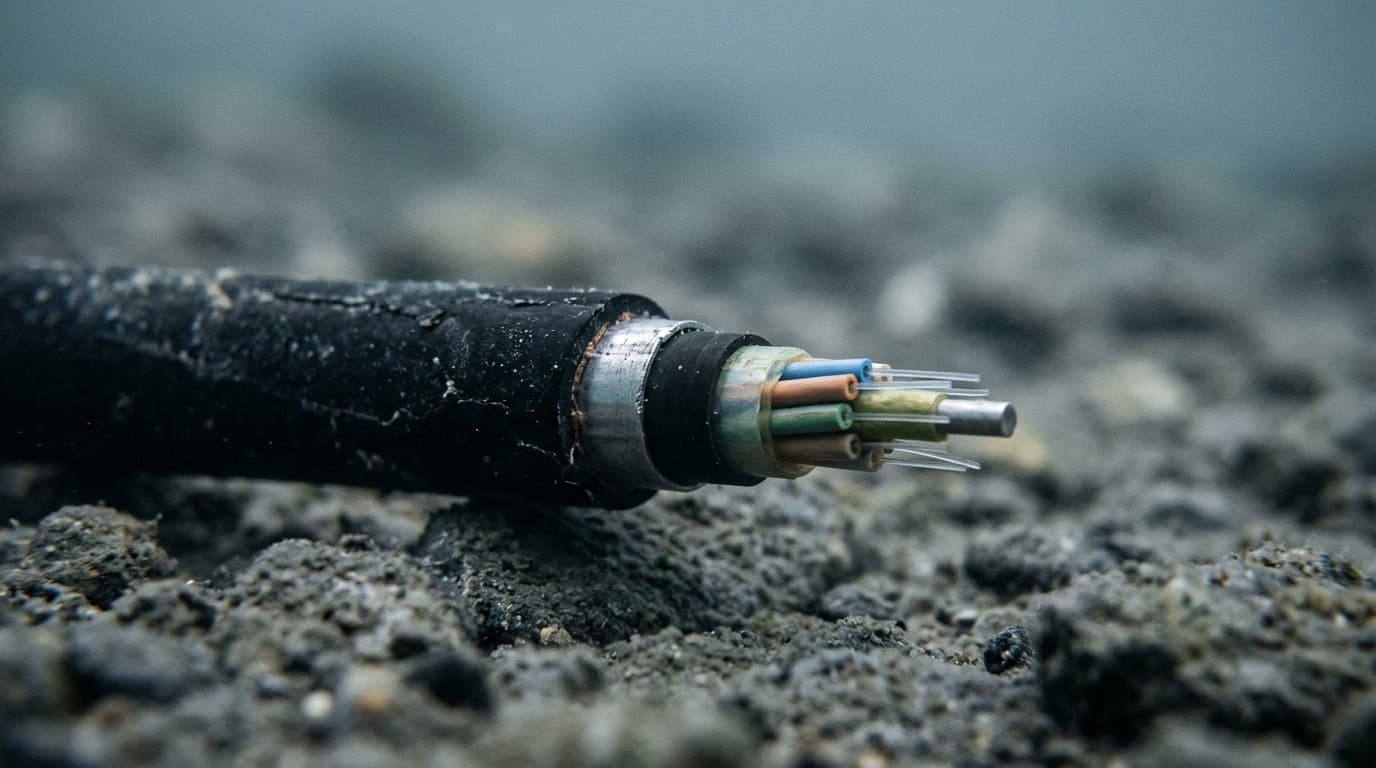
AI image
State energy agency says it never talked to firm that listed its power cable as a partner
The Alaska Energy Authority has told federal regulators it has had "no communications or relationship" with DeepGreen Cook Inlet SPV, a company whose application for an undersea data center in Cook Inlet lists the authority's planned power cable as a "Strategic Partner."
"AEA has had no communications or relationship with DeepGreen and will continue to clarify that fact as this proceeding develops," the authority wrote in an Oct. 8 filing with the Federal Energy Regulatory Commission.
DeepGreen has since responded. In an Oct. 27 filing, managing member Louis Wolfson wrote that the company "agrees with and confirms AEA's clarification for the record." It has no formal binding partnership or executed interconnection agreement with the authority, he wrote, and its references to the power cable were conceptual engineering alignments. The filing doesn't repeat "Strategic Partner" or directly address AEA's statement that the two never communicated.
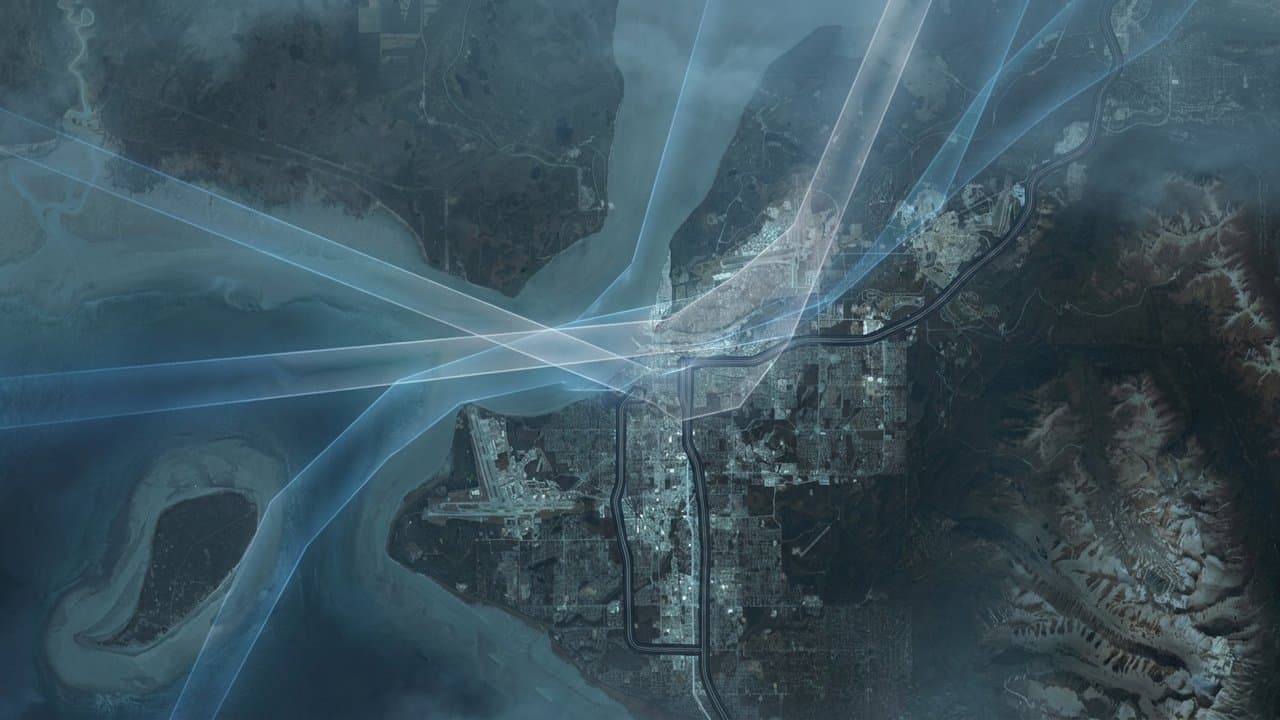
DeepGreen, a Massachusetts firm, wants to put 66 pods of computer servers on the floor of upper Cook Inlet off the East Foreland, powered by tidal turbines estimated to generate 100 megawatts. It's seeking a preliminary permit, which wouldn't allow construction but would give it first place in line to apply for a license.
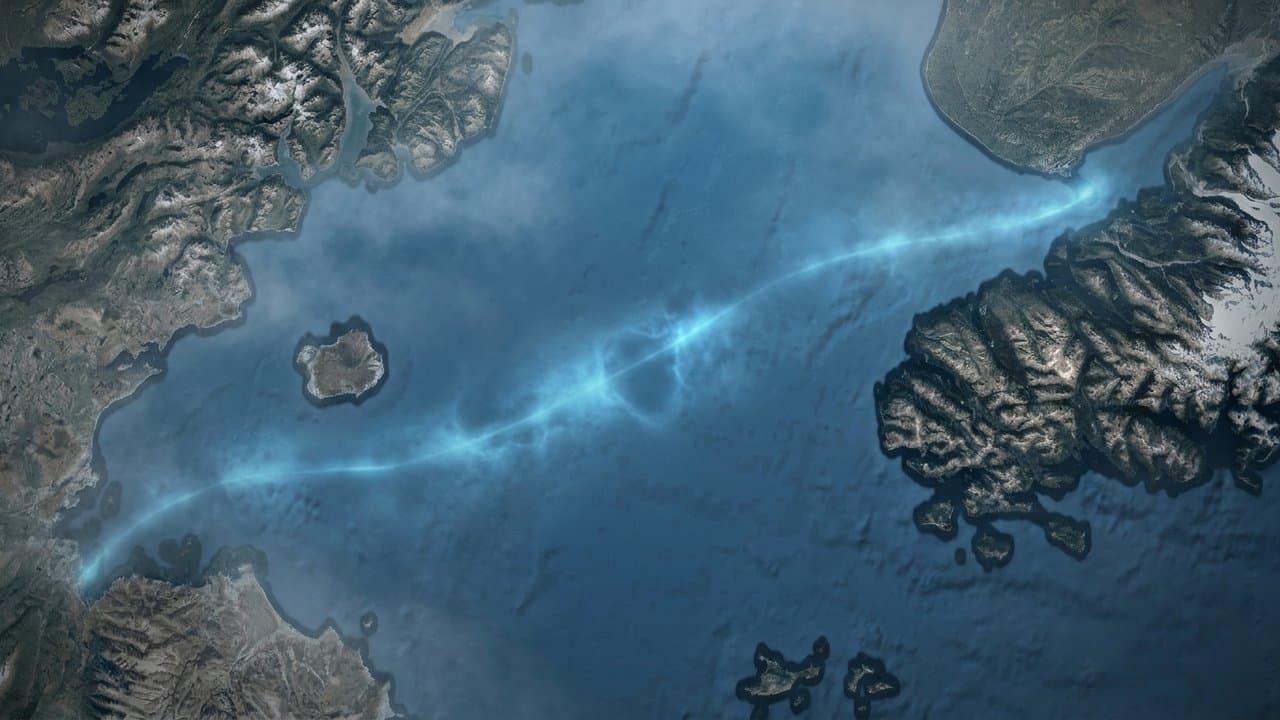
Its February application says the project is "designed to interface" with the Cook Inlet PowerLink, a 38-mile undersea cable AEA plans to carry up to 200 megawatts between the Kenai Peninsula and the Anchorage-Mat-Su region. AEA says getting DeepGreen's power onto the grid would likely mean using two transmission lines that are important for moving Bradley Lake hydropower.
AEA says it takes no position on the permit and filed to keep the record accurate. It doesn't accuse DeepGreen of misrepresentation.
The misrepresentation claim came from the Alaska Commercial Fisheries Conservation Alliance. In September, its president, Russell Clark, wrote that the group "has reason to believe" the application misrepresented DeepGreen's relationship with AEA. He asked FERC to investigate and to suspend action on the permit, without giving supporting detail.
DeepGreen answered that it had made "standard preliminary stakeholder and regulatory inquiries" but had not signed a formal binding partnership with AEA. The alliance replied that DeepGreen hadn't said what those communications were or when they happened, and asked FERC to make the company hand over any correspondence.
Both projects could come ashore at Nikiski. AEA's fall survey covers a cable route from Beluga to Nikiski. The authority's latest board packet puts PowerLink's cost at $413 million, with $142.3 million still unfunded.
The federal review has grown since Kenai asked to join it in October. By the Nov. 2 deadline, the State of Alaska had filed to intervene, as had GCI and Kodiak Kenai Fiber Link, which say DeepGreen proposes to put its project directly over Kodiak Kenai Fiber Link's undersea fiber-optic cable. The Tyonek Tribal Conservation District filed in opposition, and a Center for Biological Diversity filing carries 19,935 signatures urging denial. The case file had 311 entries as of Thursday.
FERC hasn't ruled on the permit or said whether it will investigate.
What did you make of this story? (no account needed)
Made by our human newsroom with AI. How humans and AI work here · Grow with our newsroom ·
Get Alaska News in your inbox
Create your free account and get the day’s top stories around 6 each morning, in a few minutes’ read.
The day's top stories around 6 each morning. Unsubscribe in one click.
Source: State energy authority tells FERC it has had "no communications or relationship" with Cook Inlet data center developer whose filing lists its power line as a "Strategic Partner".







Comments
Sign in to leave a comment.
No comments yet. Be the first to share your thoughts.