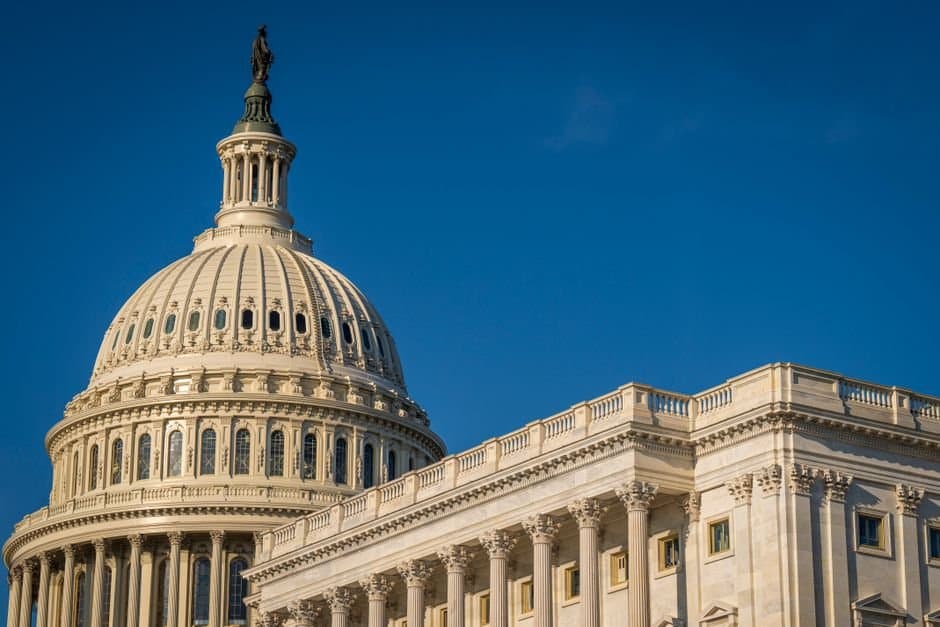
Photo by Mark Stebnicki on Pexels · Photo source
Senate permitting bill would limit when agencies can pull a project's permits
The permitting bill the U.S. Senate passed Thursday would make it harder for the federal government to take back a project's permits.
The protection would start once a project held every federal permit it needed to build or operate. To revoke, suspend or materially change those permits after that, an agency would need one of the reasons the bill lists. If it couldn't justify the move in court, the government could end up paying.
Both of Alaska's senators voted for the bill, which passed 62-33. "Is it perfect? No, sir, it is not," Sen. Lisa Murkowski said on the Senate floor Thursday, during a debate over further changes for tribes. "This is a strong permitting bill."
Sen. Sheldon Whitehouse, a Rhode Island Democrat and one of the bill's four co-authors, said the goal is to keep either party from using permits against projects it dislikes. "Federal authorizations and permits are not political weapons," he said in remarks in the Congressional Record.
The White House backs the bill. Its permit-certainty provisions would let industry "build today in confidence that their permits will be good tomorrow," the administration said in a Nov. 9 statement.
The protection, in a part of the bill titled "Project Certainty," covers projects whose sponsors are outside the federal government, such as companies or state agencies. It would apply to permits already in effect, not just new ones.
Agencies could still act on a court order, a material violation of the permit or the law, fraud, the permit holder's request, or a specific and urgent threat to people, property, the environment or national security based on new information. They could also act under "any applicable law or regulation," an exception Whitehouse called "intentionally broad." Agencies could still apply new pollution rules to existing permits, he said.
If a permit holder sued, the agency would have to prove one of those reasons applied. A judge could reinstate the permit and order the government to cover legal fees and delay costs. If the agency acted in bad faith, the government could owe 25% to 50% of what the project had spent on development and construction. Any award would come from the Treasury's standing fund for court judgments.
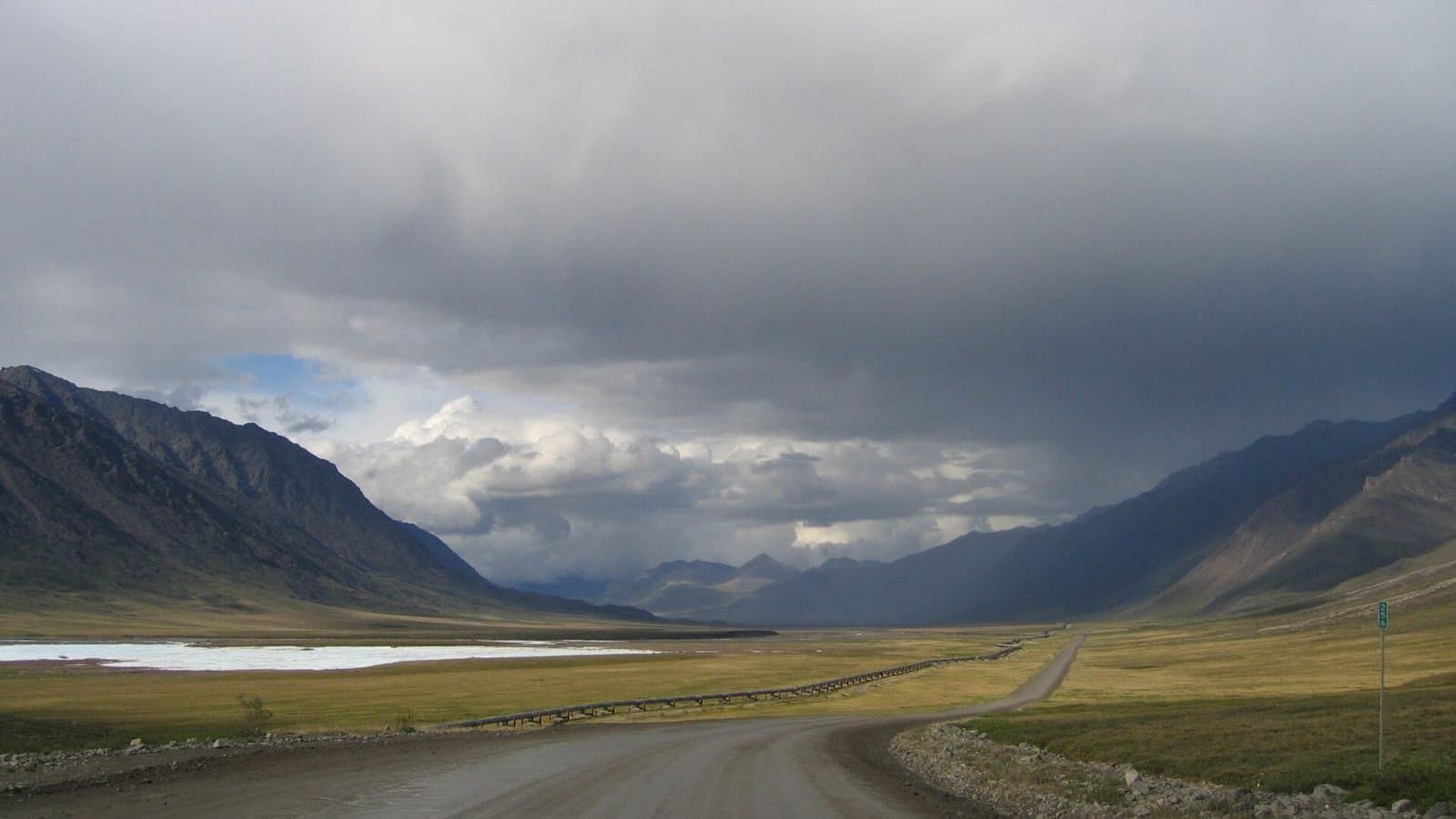
Oil leaseholders on the Arctic National Wildlife Refuge's coastal plain wouldn't be covered until a project there had all its federal permits.
"Having a lease alone does not qualify a project for section 1401 certainty," Sen. Martin Heinrich, a New Mexico Democrat and another co-author, said in a statement for the record. He named the refuge and Minnesota's Boundary Waters as examples.
In September, Sen. Dan Sullivan asked the Senate to pass a separate bill that would protect existing refuge and National Petroleum Reserve-Alaska leases from a future administration and limit lawsuits over development there. "The bill is designed to give companies greater certainty in terms of the leases that they already have in these areas in that they can't be canceled," he said on the Senate floor. Heinrich objected, which blocked it.
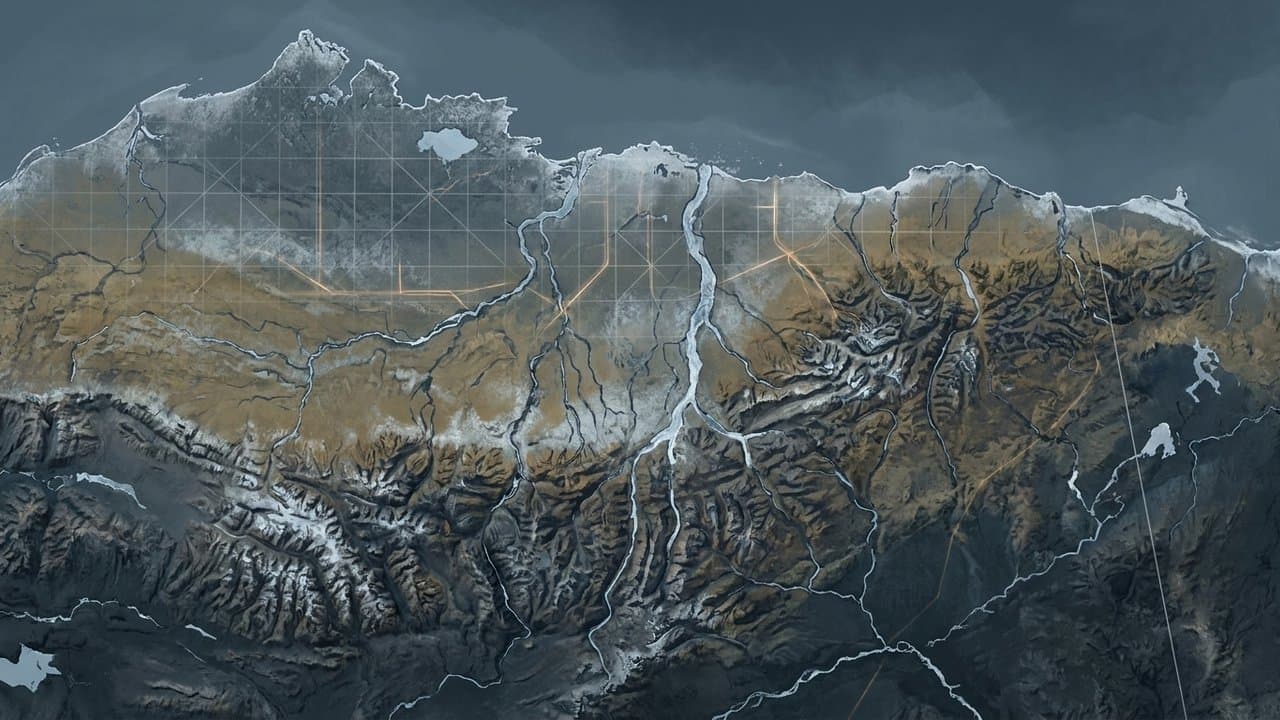
Federal permits for the Ambler road, a proposed 211-mile industrial road to a Northwest Alaska mining district, were approved in 2020, denied in 2024 and reinstated in October 2025. Whether the road would qualify depends on whether it holds every federal permit it needs. A lawsuit over those permits is pending in federal court, and a court order is one of the reasons agencies could still act.
The section also protects projects whose federal stop-work orders were blocked in court in the two years before the bill becomes law. Whitehouse said that covers five offshore wind projects. The government would need a judge's approval before acting against them again.
The version that passed covers fewer projects and gives agencies more reasons to act than the one introduced in September. That draft would have protected any permit holder, held agencies to a higher standard of proof and paid the 25% to 50% without a finding of bad faith. It had no exception for other laws, or for urgent harm to health or the environment. Its stop-work protection reached back only one year.
Heinrich said requiring every permit answered concerns that the bill would "inoculate fast-tracked, problematic projects from being undone or fixed by a future administration."
The House would have to pass the Senate's version before the current Congress ends Jan. 3. It passed its own permitting bill in December 2025, with Rep. Nick Begich as a cosponsor.
What did you make of this story? (no account needed)
Made by our human newsroom with AI. Reviewed by Cale Green. How humans and AI work here · Grow with our newsroom ·
Keep Alaska News free for everyone.
No paywall, ever. Members pay so everyone can read the meetings and records Alaska News covers.
Get Alaska News in your inbox
Create your free account and get the day’s top stories around 6 each morning, in a few minutes’ read.
Top stories, around 6 each morning.
Stories on what you follow, on Sundays.
Source: U.S. Senate.





Comments
Sign in to leave a comment.
No comments yet. Be the first to share your thoughts.