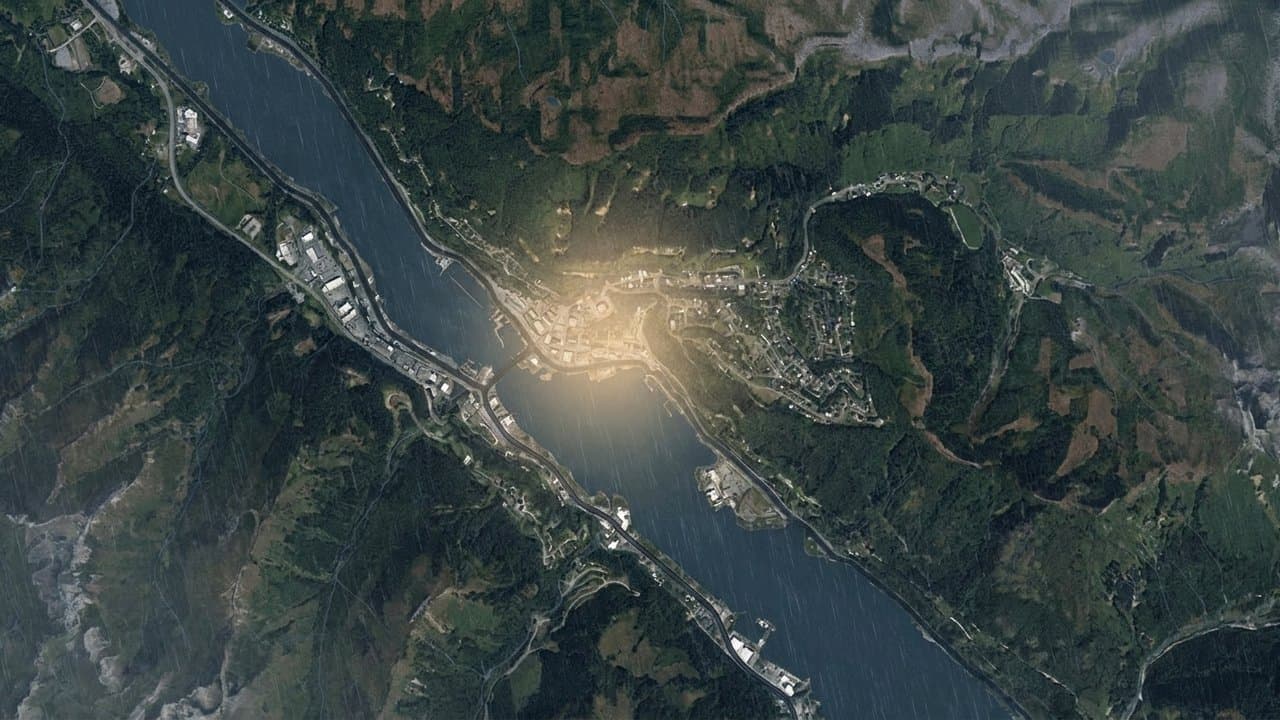
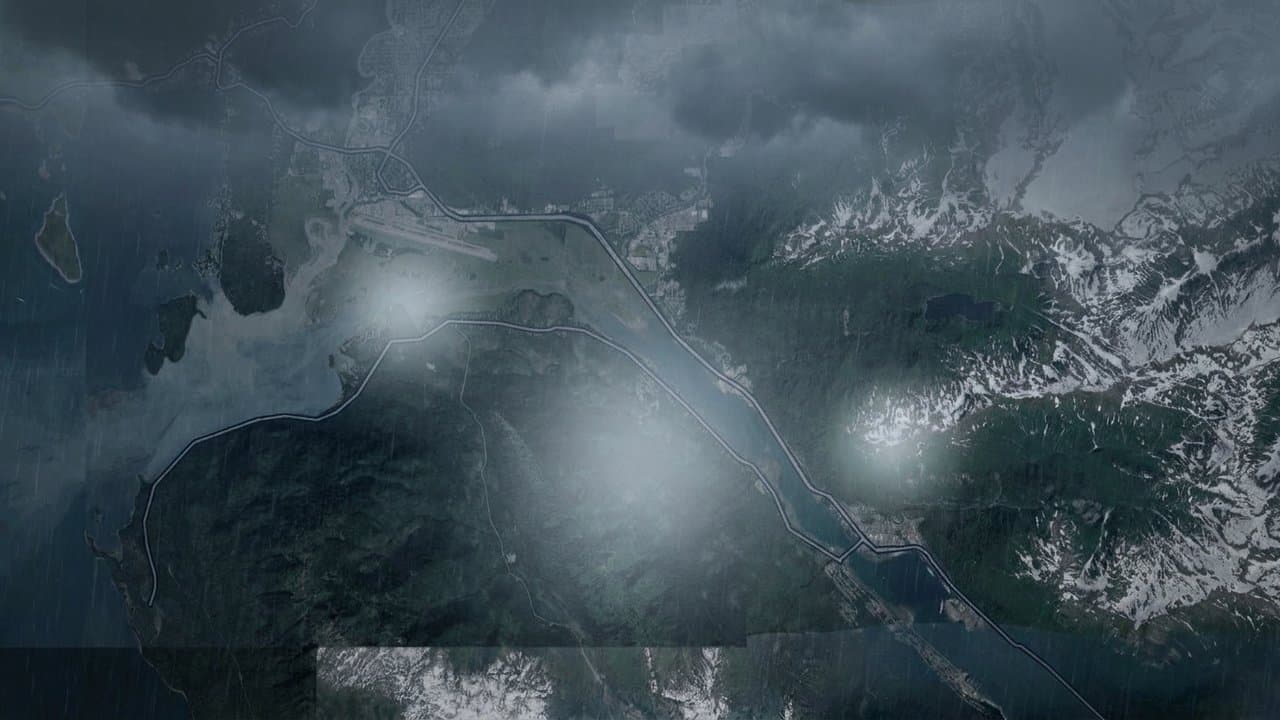
Editorial map (Gemini + Google Maps)
Sealaska Heritage lecture in Juneau to examine Tlingit climate resiliency
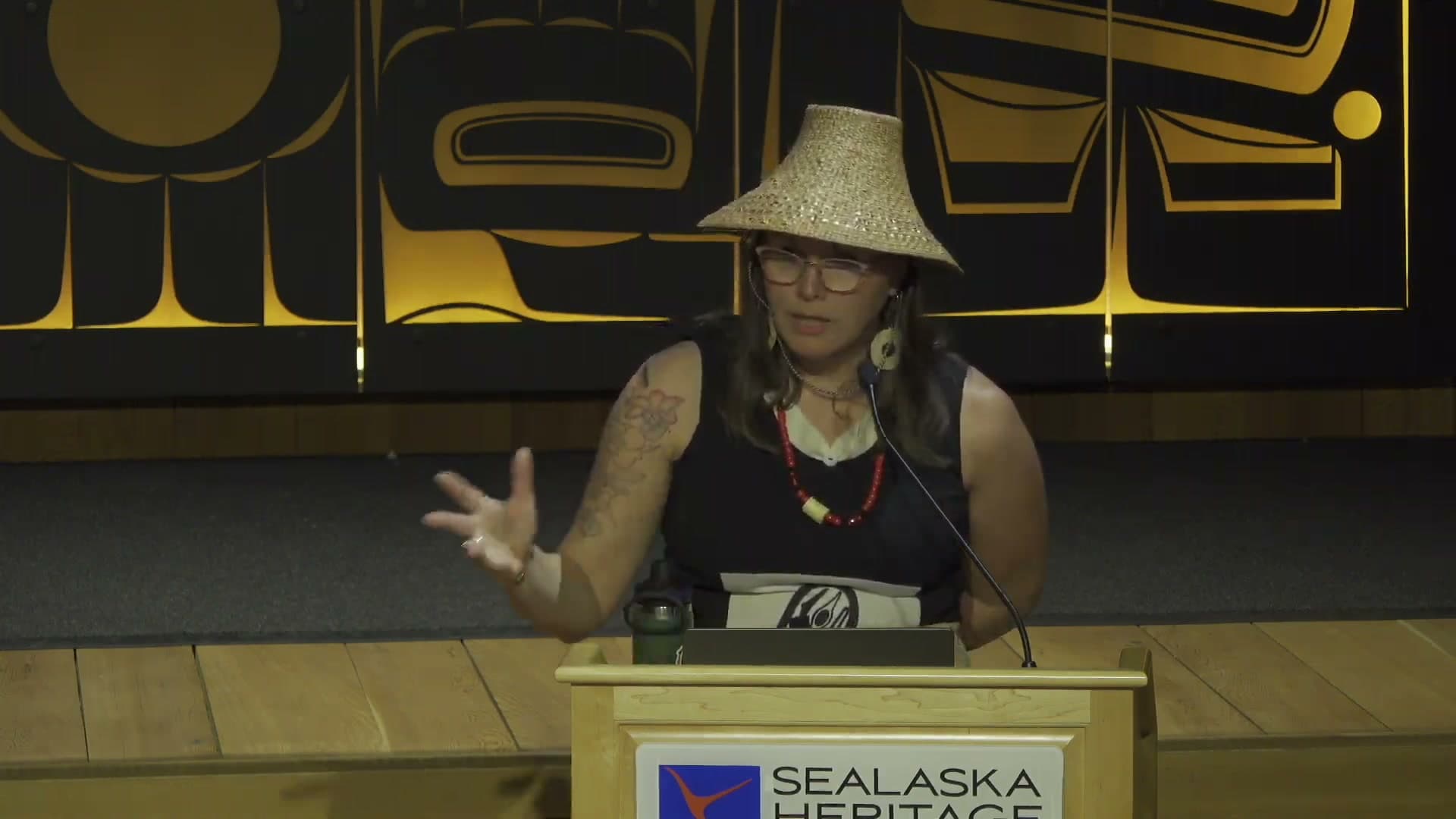
Tlingit scholar Dr. Aandax̱joon Sabena Allen will give a free lecture on Tlingit adaptation to climate change Tuesday, Nov. 10, at Sealaska Heritage Institute in Juneau.
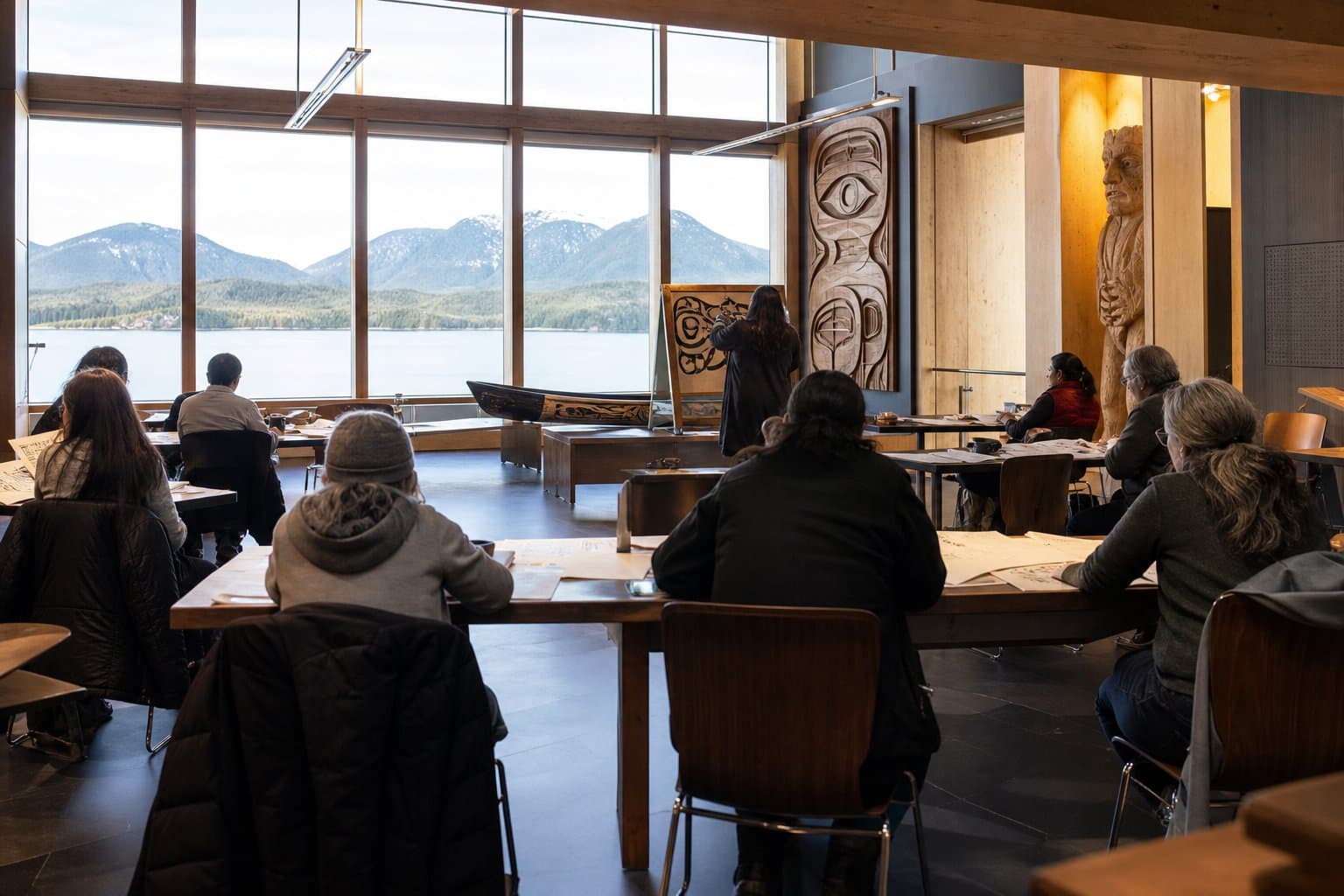
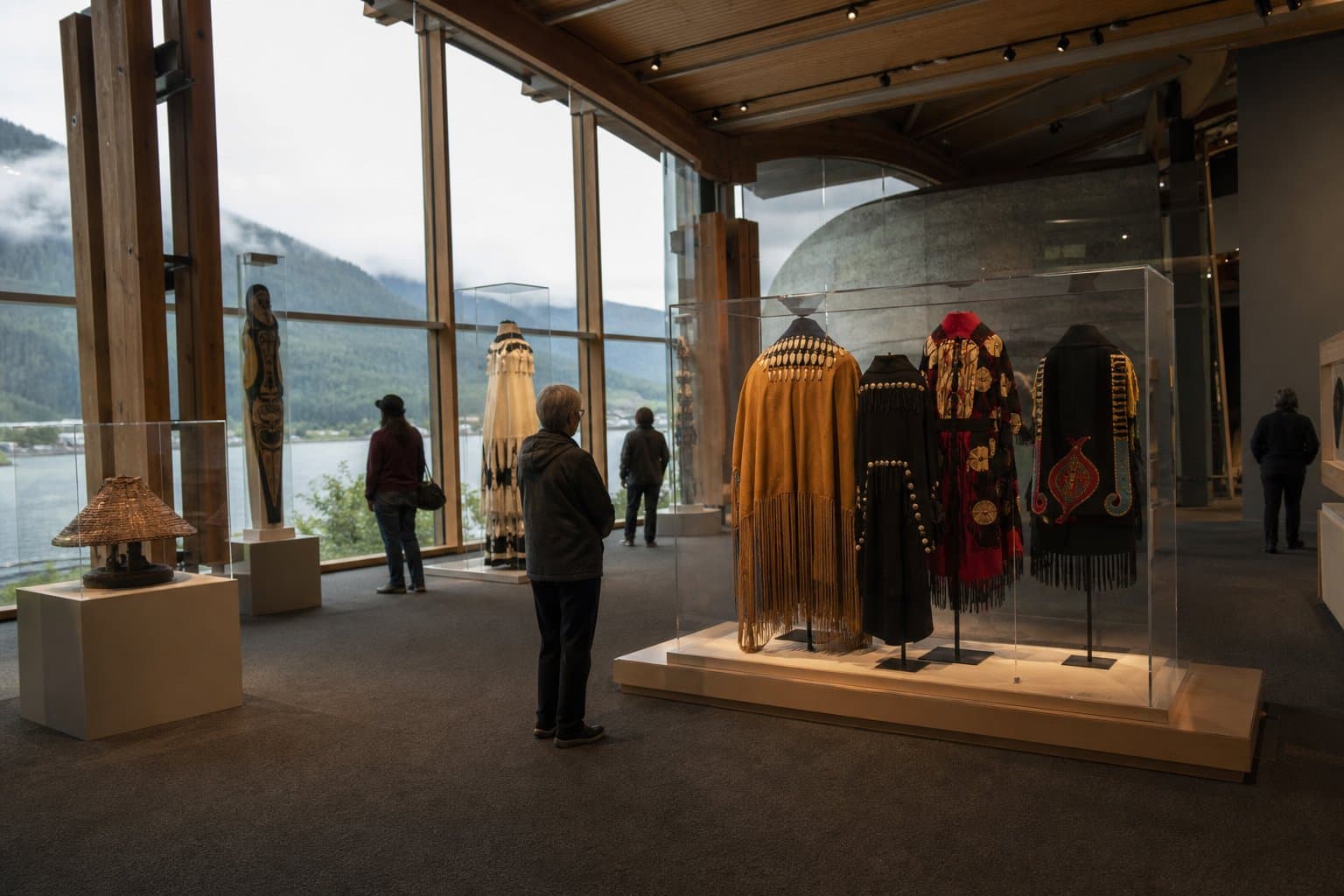
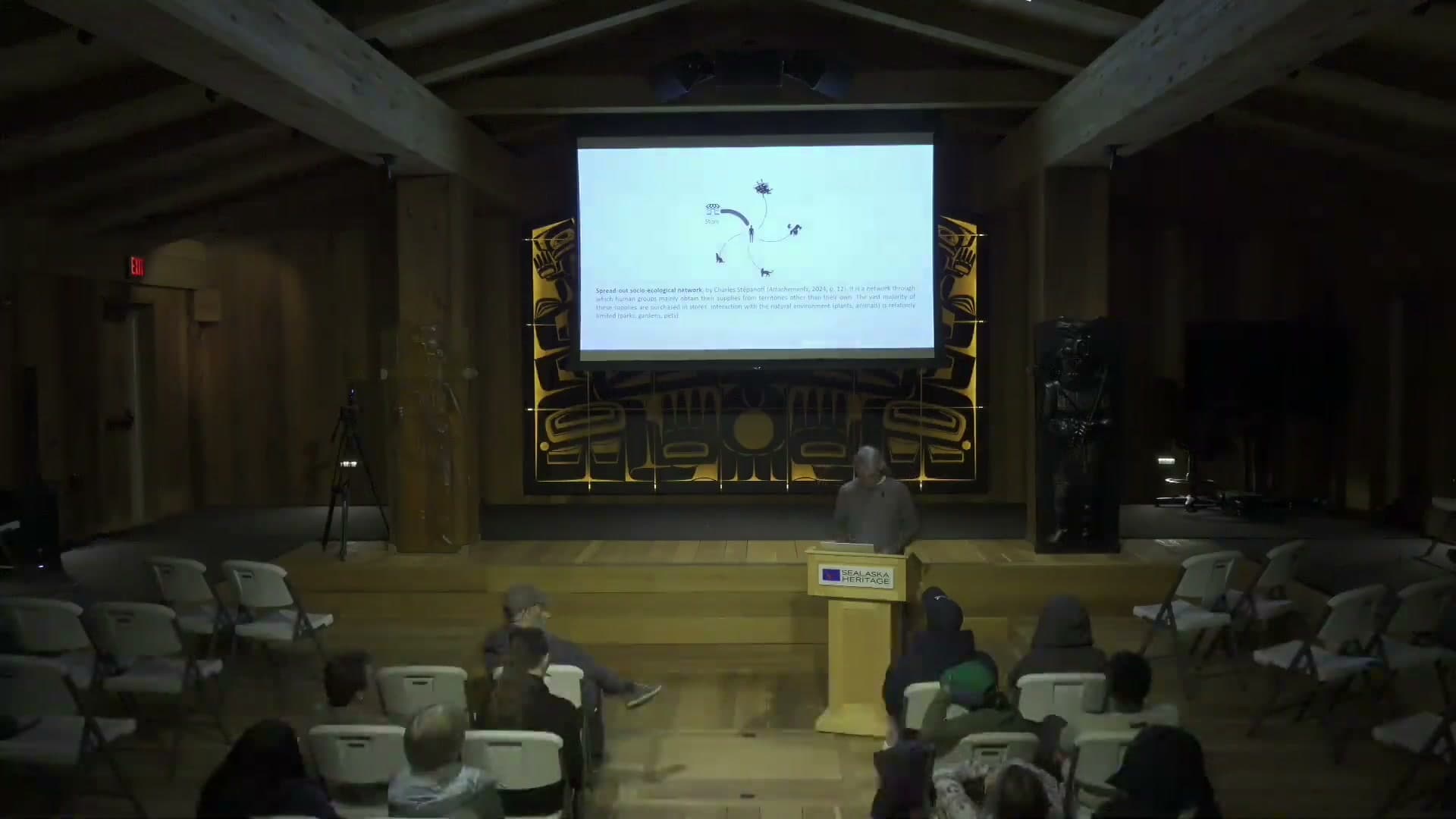
The talk runs noon to 1 pm in Shuká Hít, the clan house in SHI's Walter Soboleff Building in downtown Juneau. It will also stream on SHI's YouTube channel, and viewers are encouraged to ask questions in person and online.
Allen, an assistant professor of Indigenous studies at the University of Alaska Fairbanks, will present "The Temporality of Haa Shuká: A Scalar Perspective on Climate Change, Lingít Knowledge, and Alaskan Identity." SHI's values list Haa Shuká as past, present and future generations.
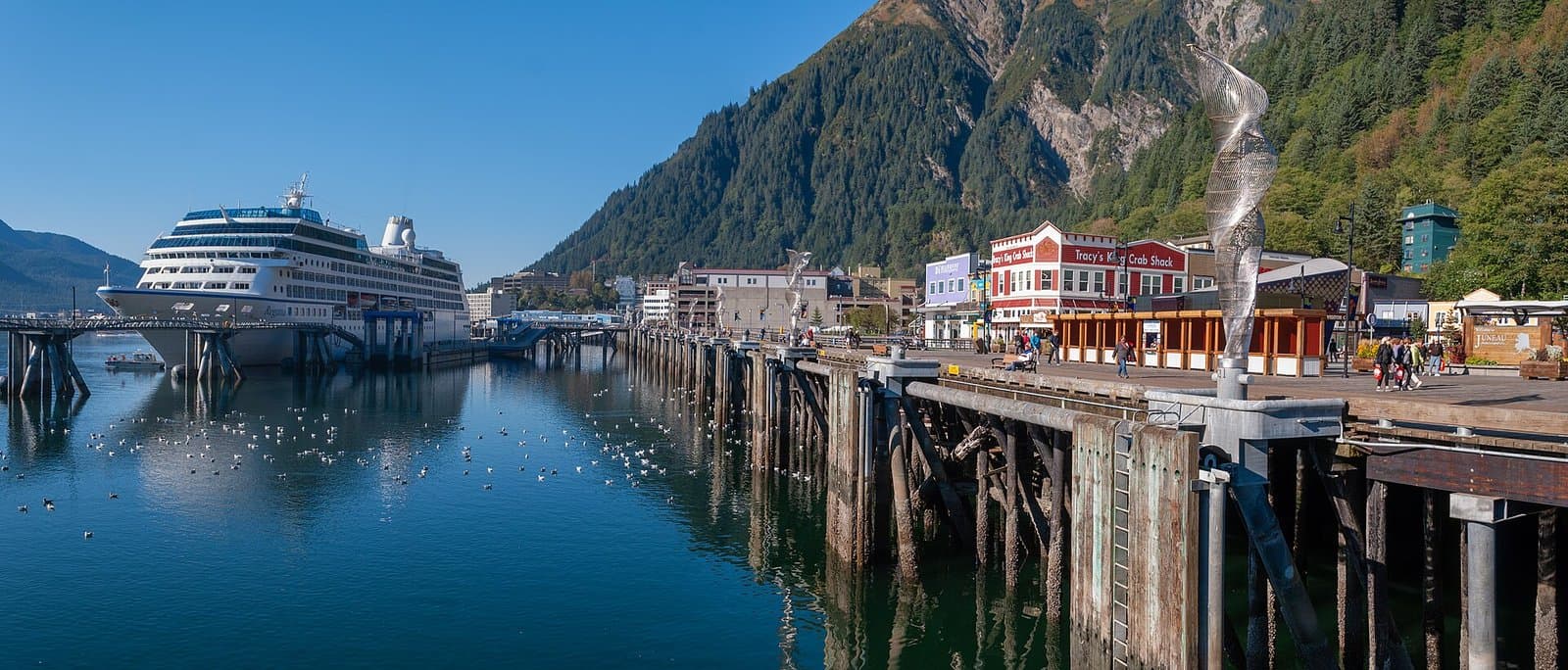
SHI said she will look at how Alaska came to be seen as a site of climate change in the American consciousness and will discuss the Raven Cycle as a foundation of cultural knowledge and values. Her three case studies, on place, the Tlingit future and cultural authority in a changing environment, cover tourism, research by non-Indigenous scientists and Transformative Scenario Planning, a method meant to help people change a situation rather than adapt to it.
Allen is Gaanax̱teidí, a child of the Kaagwaantaan clan, and an enrolled citizen of the Sitka Tribe of Alaska and the Central Council of the Tlingit and Haida Indian Tribes of Alaska. She holds a Ph.D. in anthropology from the University of Chicago. Her work focuses on Tlingit oral history and climate change.
The talk is one of five in SHI's Native American Heritage Month lecture series.
SHI is a nonprofit tribal organization founded in 1980 to perpetuate and enhance the Tlingit, Haida and Tsimshian cultures of Southeast Alaska.
What did you make of this story? (no account needed)
Made by our human newsroom with AI. How humans and AI work here · Grow with our newsroom ·
Get Alaska News in your inbox
Create your free account and get the day’s top stories around 6 each morning, in a few minutes’ read.
Top stories, around 6 each morning.
Stories on what you follow, on Sundays.
Source: Sealaska Heritage Institute, Sealaska Heritage to host lecture on Indigenous climate resiliency.






Comments
Sign in to leave a comment.
No comments yet. Be the first to share your thoughts.