
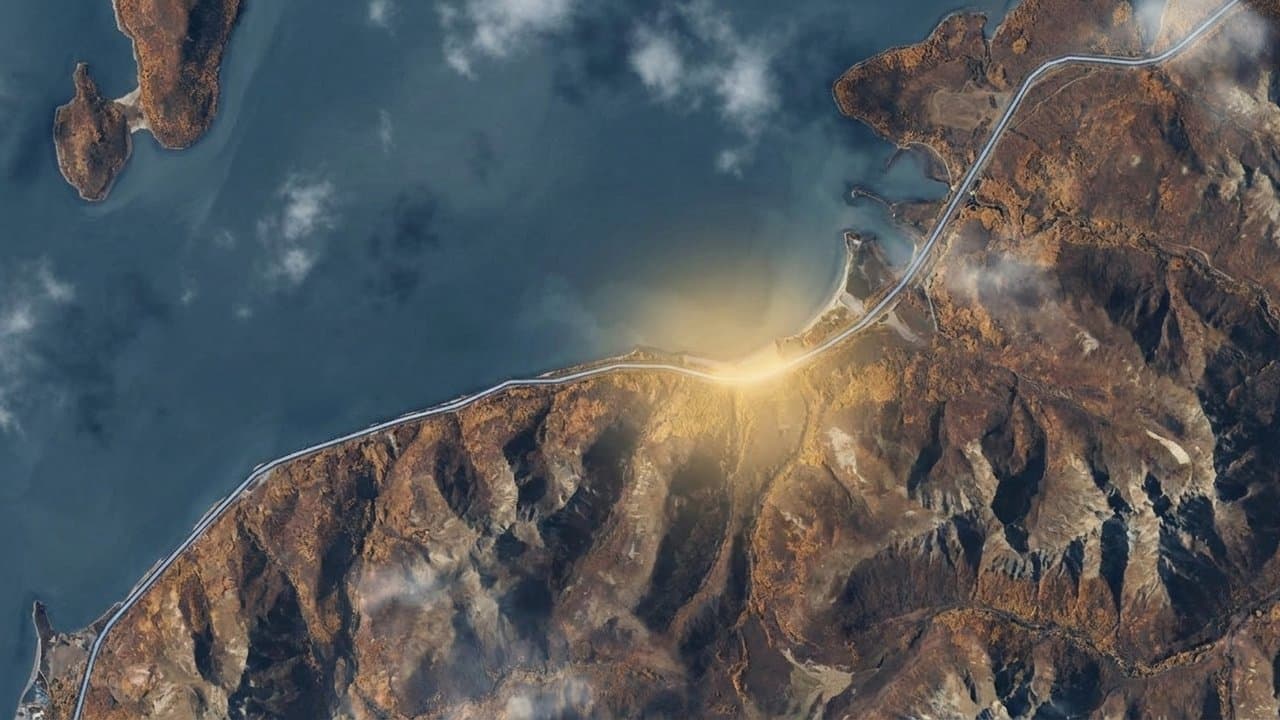
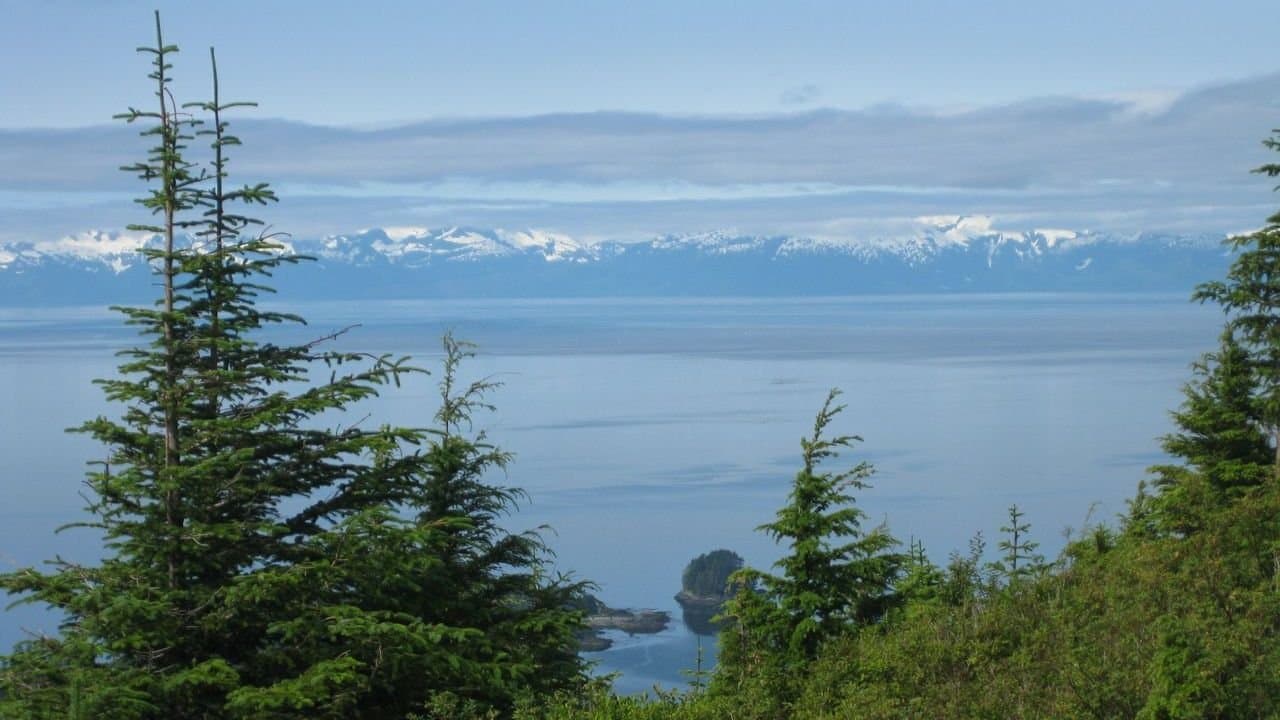
Photo: Andrei via Wikimedia Commons · Photo source · CC BY 2.0
Proposed Haines-Skagway cable fund could add almost 30 cents a kWh, state advocate says
Goat Lake Hydro answered state regulators' questions Monday about a proposed fund to repair and replace the submarine cable that carries power to Haines and Skagway. The state's consumer advocate calculates the fund could add almost 30 cents a kilowatt-hour to household bills.
The Regulatory Commission of Alaska has neither approved the fund nor opened it to public comment. The commission has said that once Goat Lake's answers satisfy it, "we will also invite comments from the public."
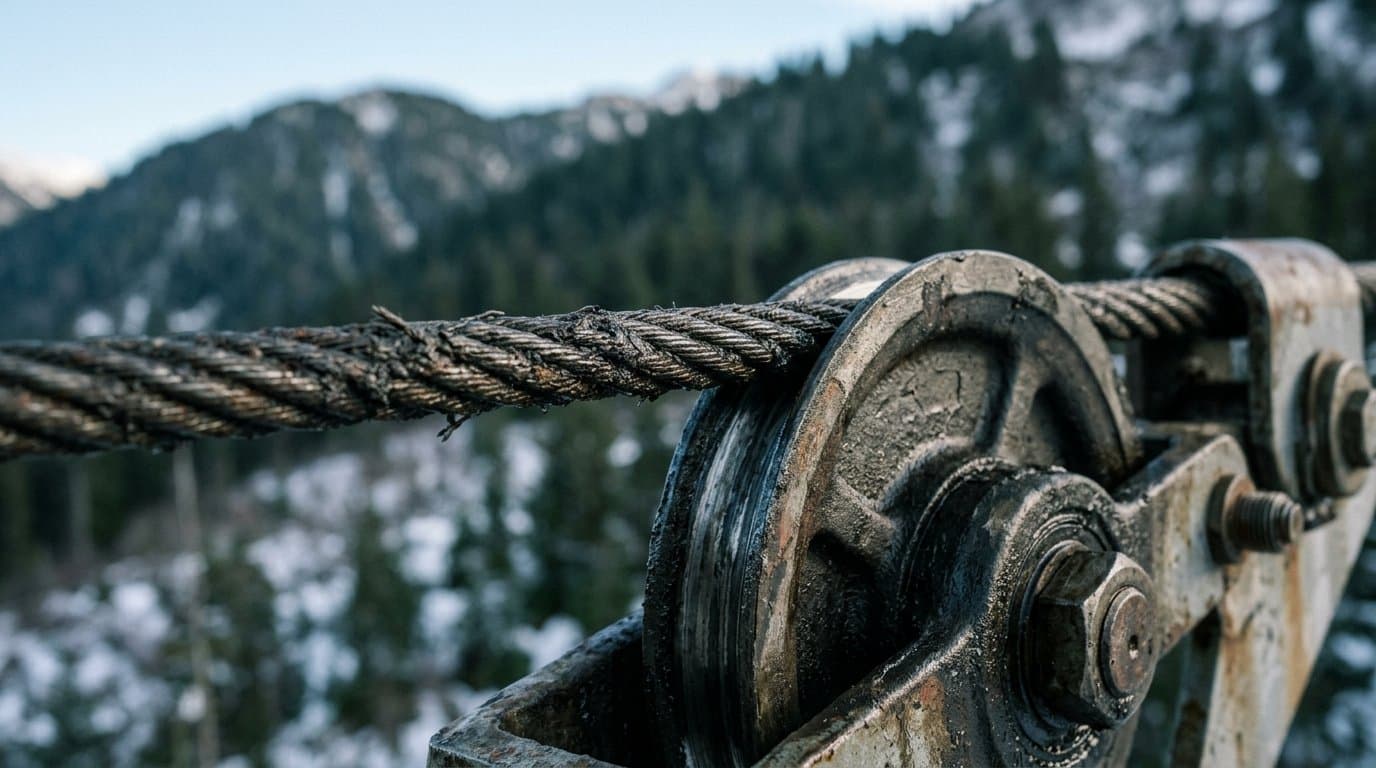
Alaska Power Company, which serves Haines and Skagway, buys all of its power from Goat Lake's three hydro plants. Both utilities belong to Alaska Power & Telephone Company, and Goat Lake's costs reach household bills through Alaska Power Company's cost-of-power surcharge. Goat Lake's own filing calls the cable the only transmission link between the plants and the customers.
In comments filed Sept. 1, the Attorney General's Regulatory Affairs and Public Advocacy section, which represents ratepayers in the case, put the fund at $8.4 million a year. Goat Lake's current revenue requirement, which is passed on to ratepayers, is about $1.74 million without the fund. The advocate said adding the fund would raise what Goat Lake charges Alaska Power Company by more than 500 percent. The advocate put that at almost 30 cents a kilowatt-hour, or about $180 more a month for a customer using 600 kilowatt-hours.
That figure comes before any Power Cost Equalization offset. The advocate said it could not tell whether these costs would qualify for the state subsidy, which it said generally covers about a third of a household's kilowatt-hour use.
In its Monday answers, Goat Lake said its 2027 shareholder contribution of $1,045,081 is more than both its 2025 net income of $636,819 and its 2025 operating expenses of $847,295. The company said it does not believe that share "is financially sustainable for the company on an ongoing basis."
Origins: An Insurance Lapse
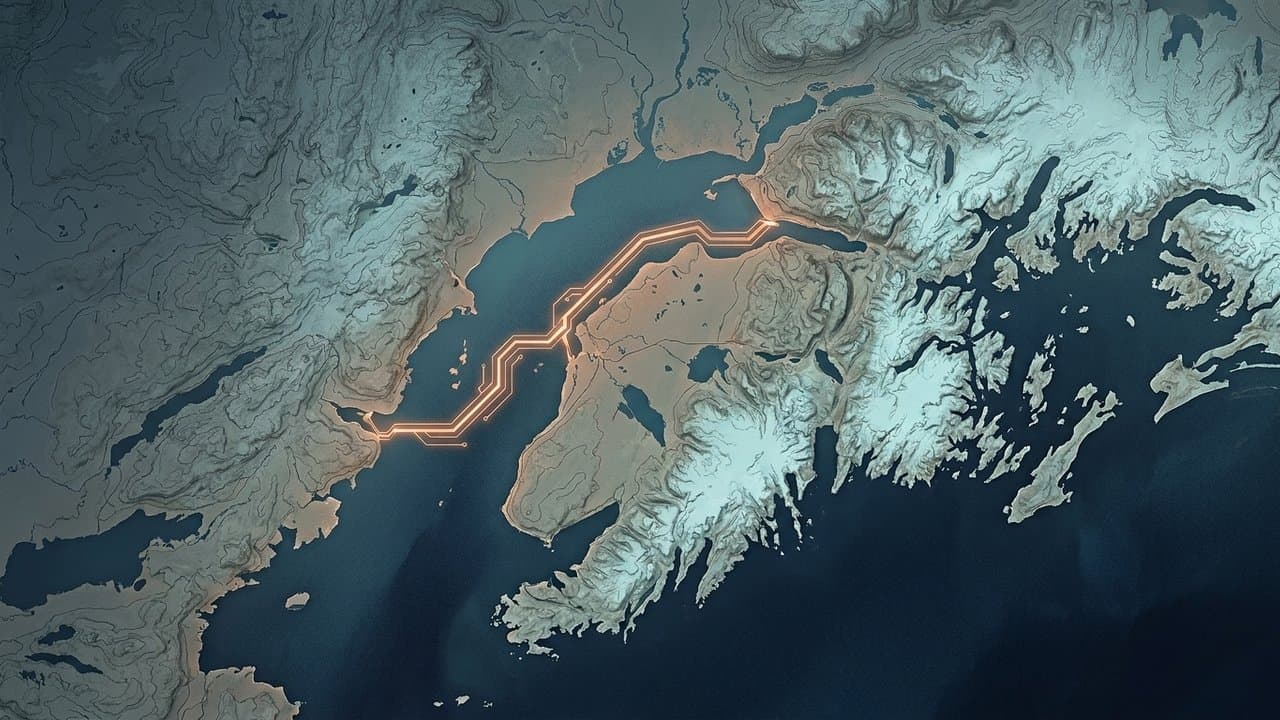
The cable was laid in 1999 in two segments, Skagway to Kasidaya and Kasidaya to Haines. The Skagway segment failed in 2019. Insurance paid $7.8 million toward its replacement, which went into service in January 2024. The insurer then declined to renew coverage.
On May 13, the commission found that commercial insurance for the cable is unavailable and ordered Goat Lake to propose a repair and replacement fund instead, to help protect ratepayers from rate shock. It also found Goat Lake had breached the insurance condition of the 1997 state certificate that lets it operate. "GLH should have notified the Commission of the lapse in insurance coverage and sought authorization for an alternative arrangement. GLH did neither," the order said.
As a remedy, the commission ruled that shareholders must carry a part of future replacement costs equal to the share of the cable's life that went uninsured.
Goat Lake appealed to Superior Court on June 12, arguing in part that the commission should have placed the fund's costs on ratepayers alone. According to commission filings, Judge Adolf V. Zeman stayed the order on July 10 but left the fund proposal in place.
Details of the Proposed Fund
Goat Lake's Aug. 11 proposal would build the fund to about $89.7 million by December 2063 for the newer segment and about $66.9 million by December 2038 for the older Kasidaya to Haines segment. Those totals add taxes, inflation and interest to a contractor's 2026 estimates of about $15.5 million and $28.7 million to replace the two cables.
Shareholders would pay 7.5 percent of one segment's contributions and 17.5 percent of the other's, and ratepayers the rest. The fund model shows a ratepayer charge of about $700,000 a month beginning January 2027.
An insurance quote Goat Lake filed carries an annual premium of about $1.4 million, but the company says that policy would pay for a repair or splice, never a replacement. Goat Lake wrote that it would rather replace a cable with company debt and equity recovered through rates.
The advocate asked the commission to remove about $46 million for income taxes and the contingency amounts in the cost estimates from the fund, and to have Goat Lake state the rate increase publicly before any approval.
On Sept. 24, the commission accepted the filing as meeting its May order but said that acceptance is not approval of the fund. The filing does not include the tariff sheets a charge needs, so any fund must come back in a later tariff filing. The commission asked Goat Lake five questions. No comment date has been set, so the January 2027 start in the fund model depends on steps that have not happened.
Haines Borough's Separate Estimate
In a report in the Haines Borough Assembly's Oct. 27 meeting packet, Reid Harris, the borough's lobbyist, attributes a separate estimate to Alaska Power & Telephone: a 112.6 percent rise in total residential rates, collecting more than $150 million from fewer than 3,500 residents. That figure does not appear in the commission filings, and it measures something different from the advocate's per-kilowatt-hour figure.
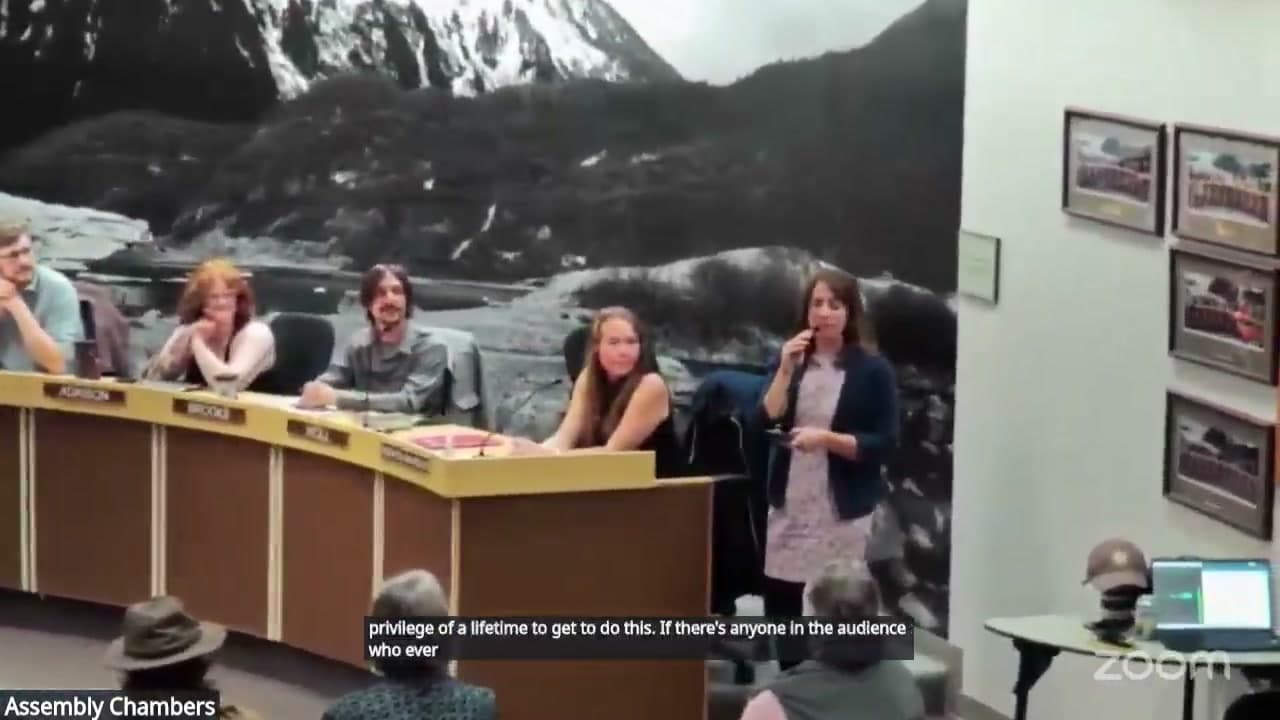
Harris reports that Haines joined Skagway in the case, but the commission's docket lists four parties, and Haines is not among them.
The commission's next step is to decide whether Goat Lake's answers are enough to open comment. Neither Alaska Power & Telephone nor Alaska Power Company has filed what the surcharge would do to residential bills, the number the advocate asked for.
Source: Regulatory Commission of Alaska, A proposed fund for the Haines-Skagway power cable could add almost 30 cents a kilowatt-hour, the state's consumer advocate calculates, and regulators have not yet opened it to public comment.
Made by our human newsroom with AI. How humans and AI work here · Grow with our newsroom
Stay informed. Support what matters.
Free local news you can verify. Support Walter AlaskaNews and go ad-free.


Comments
Sign in to leave a comment.
No comments yet. Be the first to share your thoughts.