AI image
Pollock trawlers shut out of central Bering Sea area after hitting herring bycatch limit
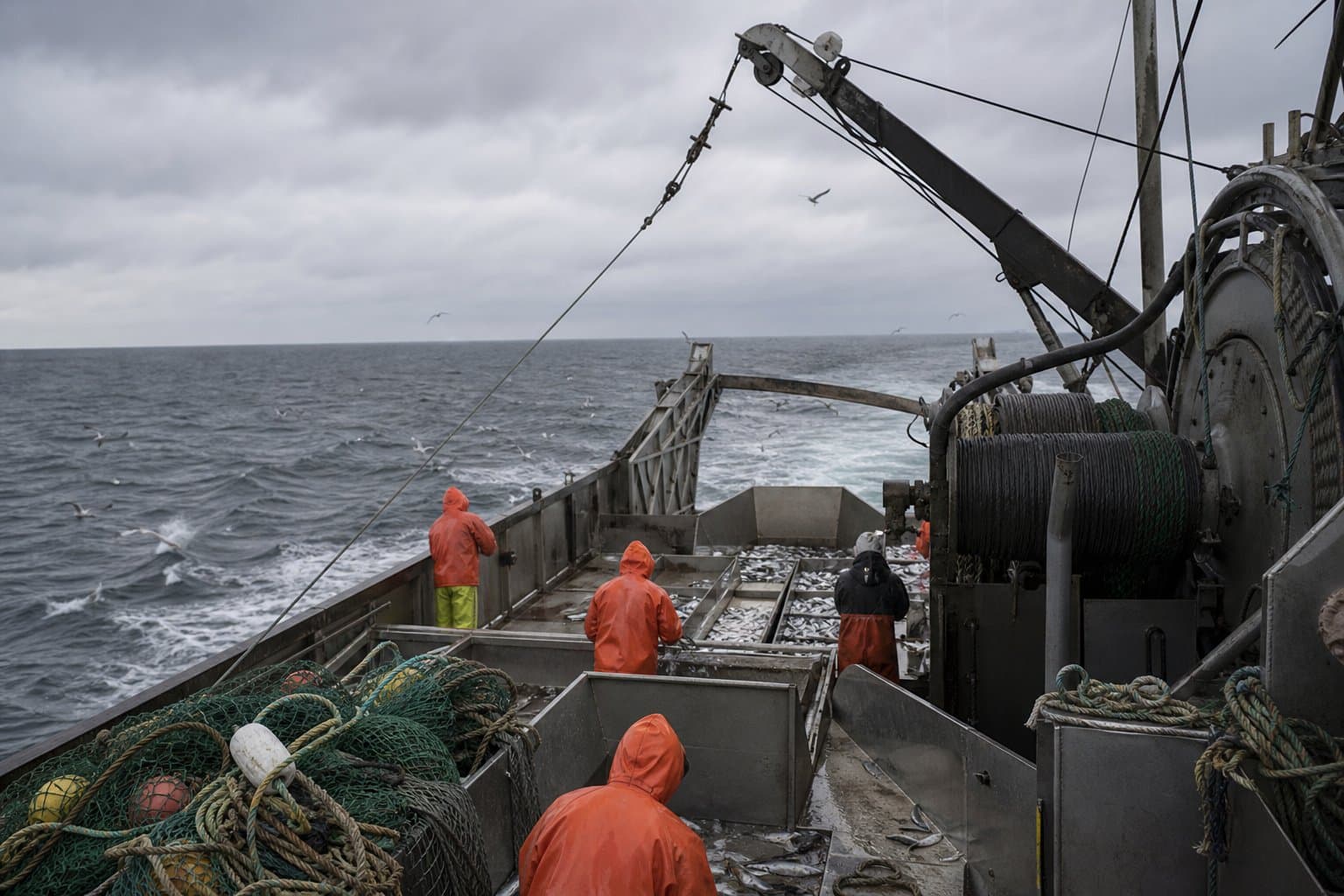
Pollock trawlers, including boats fishing Community Development Quota, lose access to a block of the central Bering Sea from noon Wednesday, Sept. 30, until noon March 1, 2027. The midwater pollock fleet, which trawls above the seafloor, has caught its entire 2026 herring bycatch allowance of 2,359 metric tons, and federal rules require the closure once that happens. The same area closed Sept. 25 last year under the same allowance.
The closed water is the Winter Herring Savings Area: the stretch of Bering Sea between 58 and 60 degrees North latitude and 172 and 175 degrees West longitude, closed to directed pollock fishing with trawl gear. The National Marine Fisheries Service closure notice was signed Tuesday by Shannon Bettridge, acting director of the agency's Office of Sustainable Fisheries, and is scheduled for publication in the Federal Register on Oct. 1. It says the Alaska regional administrator determined the allowance "has been caught."
As it typically does with in-season closures, the agency waived advance notice and public comment, saying a delay "could result in further bycatch of herring."
CDQ boats had caught 97 percent of their 139,400-ton 2026 pollock quota by Sept. 19, federal catch data show. That set-aside was created in 1992 to serve 65 western Alaska communities, from Atka to Diomede, giving them a share of the Bering Sea fisheries closest to their shores. A 2023 herring closure aimed at flatfish fleets also swept in CDQ vessels, a federal notice shows.
A 2025 Fish and Game report to the Board of Fisheries said the herring savings areas "are based on herring migration data from the 1980s and may no longer reflect the current seasonal distribution of herring," and that pollock fishery participants "have encountered herring at different rates, times, and locations than historically occurred." That October, the North Pacific Fishery Management Council began weighing a herring limit of 2 or 3 percent of mature herring biomass, up from 1 percent, without moving the zones.
Source: National Oceanic and Atmospheric Administration, National Oceanic and Atmospheric Administration: Fisheries of the Exclusive Economic Zone off Alaska: Pollock Fishing in the Winter Herring Savings Area of the Bering Sea and Aleutian Islands Management Area; Closure.
AI-assisted. Reviewed by Cale Green. How we use AI
Stay informed. Support what matters.
Free, permanent access to local news you can verify. Subscribe to support Bill AlaskaNews and go ad-free.
Related Coverage
NMFS closes directed perch fishing in the Western Aleutian district
Alaska News · 3w ago
Central Aleutian perch fishery closes early for a second straight year
Alaska News · 1mo ago
NMFS closes Central Gulf cod for hook-and-line vessels 50 feet and up
Alaska News · 1mo ago
Aleutian groundfish boats barred from selling 'other rockfish' for the rest of 2026
Alaska News · 1w ago
BSAI Pacific cod trawl season ends early for AFA catcher/processors
Alaska News · 2mo ago
Comments
Sign in to leave a comment.
No comments yet. Be the first to share your thoughts.