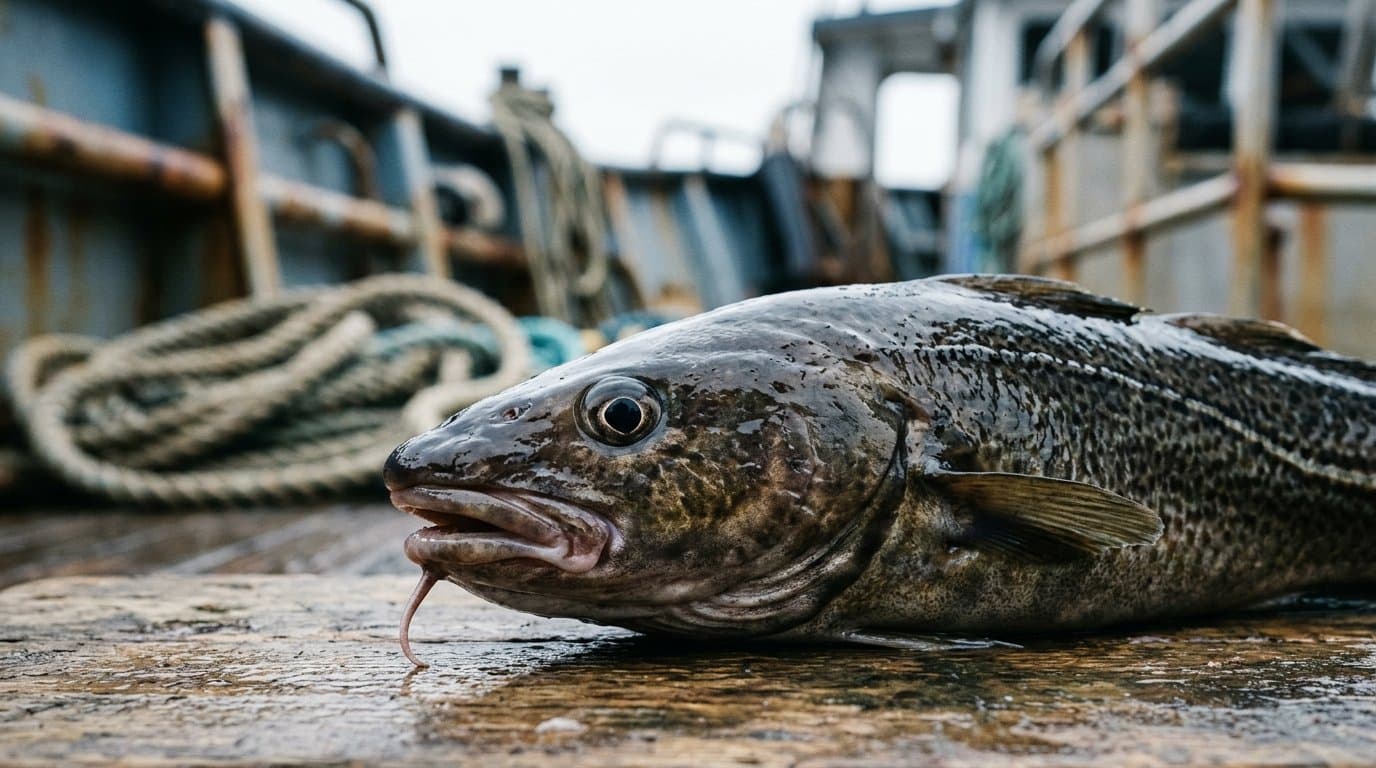
AI image
NMFS closes Central Gulf cod for hook-and-line vessels 50 feet and up
Starting Sept. 1, the largest hook-and-line cod boats, those 50 feet and up, lose their Central Gulf of Alaska cod fishery for the rest of the year, while smaller boats gain new cod access the same day.
The National Marine Fisheries Service is closing the fishery through Dec. 31 to stay within this year's catch limit, which managers set low amid warm water and uncertainty about how many young cod are entering the stock. The boats can still keep small amounts caught incidentally.
The same day, state emergency orders open state-water cod seasons in Prince William Sound and Cook Inlet to longline boats under 50 feet, and the fisheries service reopens Bering Sea cod for catcher vessels under 60 feet.
Federal managers call the Central Gulf boats heavily dependent on cod, with closures cutting landings, crew pay and deliveries to processors in Gulf communities. The council's advisory panel argues that late catch data and abrupt closures destabilize the fleet; the fisheries service and its scientists counter that quick closures are what keep the harvest within the limit.
Source: National Oceanic and Atmospheric Administration, National Oceanic and Atmospheric Administration: Fisheries of the Exclusive Economic Zone Off Alaska: Pacific Cod by Catcher Vessels Greater Than or Equal to 50 Feet Length Overall Using Hook-and-Line Gear in the Central Regulatory Area of the Gulf….
Made by our human newsroom with AI. How humans and AI work here · Grow with our newsroom
Stay informed. Support what matters.
Free, permanent access to local news you can verify. Subscribe to support Bill AlaskaNews and go ad-free.
Related Coverage
Federal managers close Central Gulf Pacific cod fishing to pot boats for the rest of 2026
Alaska News · 4d ago
Cook Inlet pot boats get back into state-waters cod on Sept. 1
Alaska News · 1mo ago
Central Aleutian perch fishery closes early for a second straight year
Alaska News · 1mo ago
NMFS closes directed perch fishing in the Western Aleutian district
Alaska News · 1mo ago
Small cod boats return Sept. 1 in the Bering Sea and Aleutians
Alaska News · 1mo ago
Comments
Sign in to leave a comment.
No comments yet. Be the first to share your thoughts.