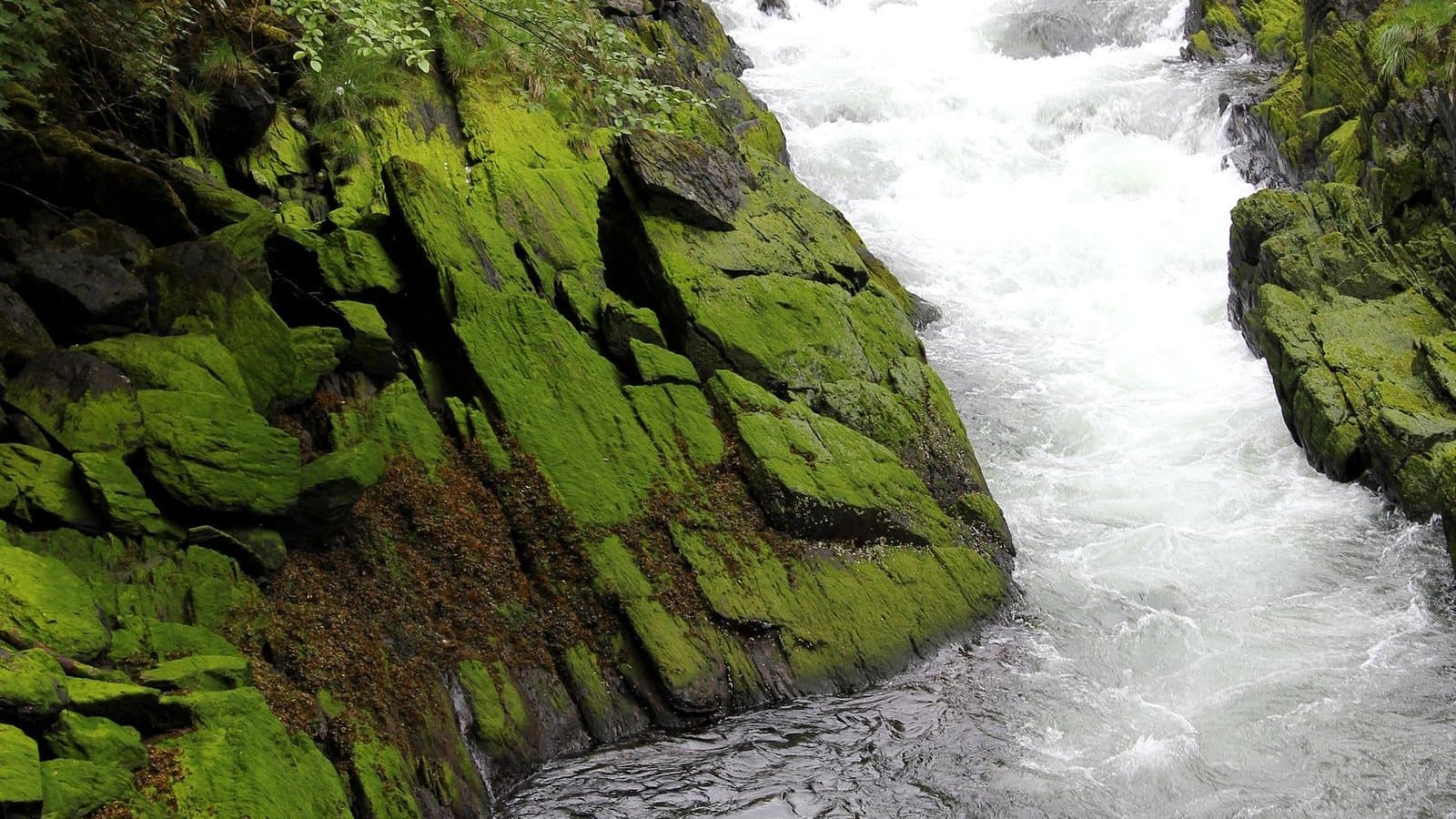
Photo: Larry D. Moore via Wikimedia Commons · Photo source · CC BY 4.0
Ketchikan starts designing a drinking water line around its century-old hydro tunnels
Ketchikan's City Council voted 6-1 on Nov. 5 to start designing a new pipeline for the city's drinking water, so the town's only water supply could bypass most of the tunnels that feed its hydroelectric plant.
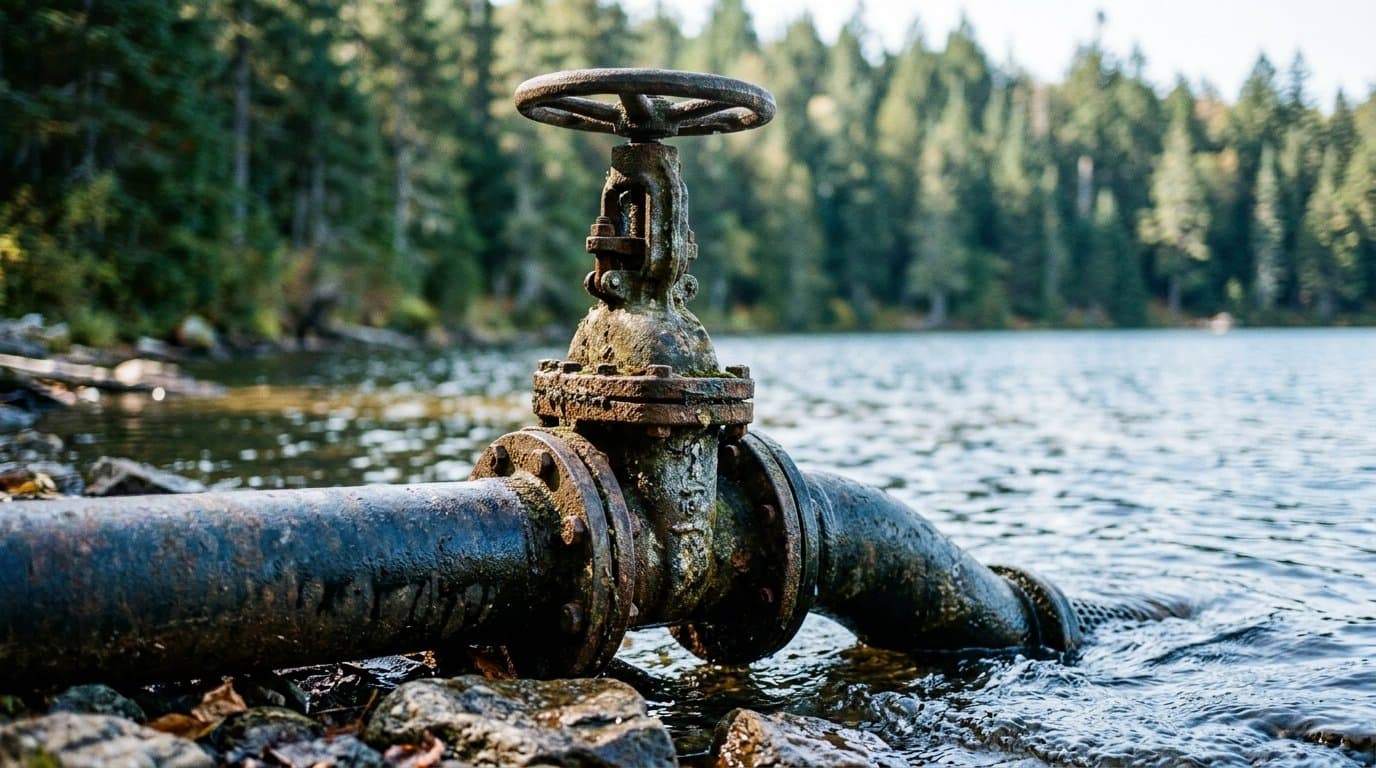
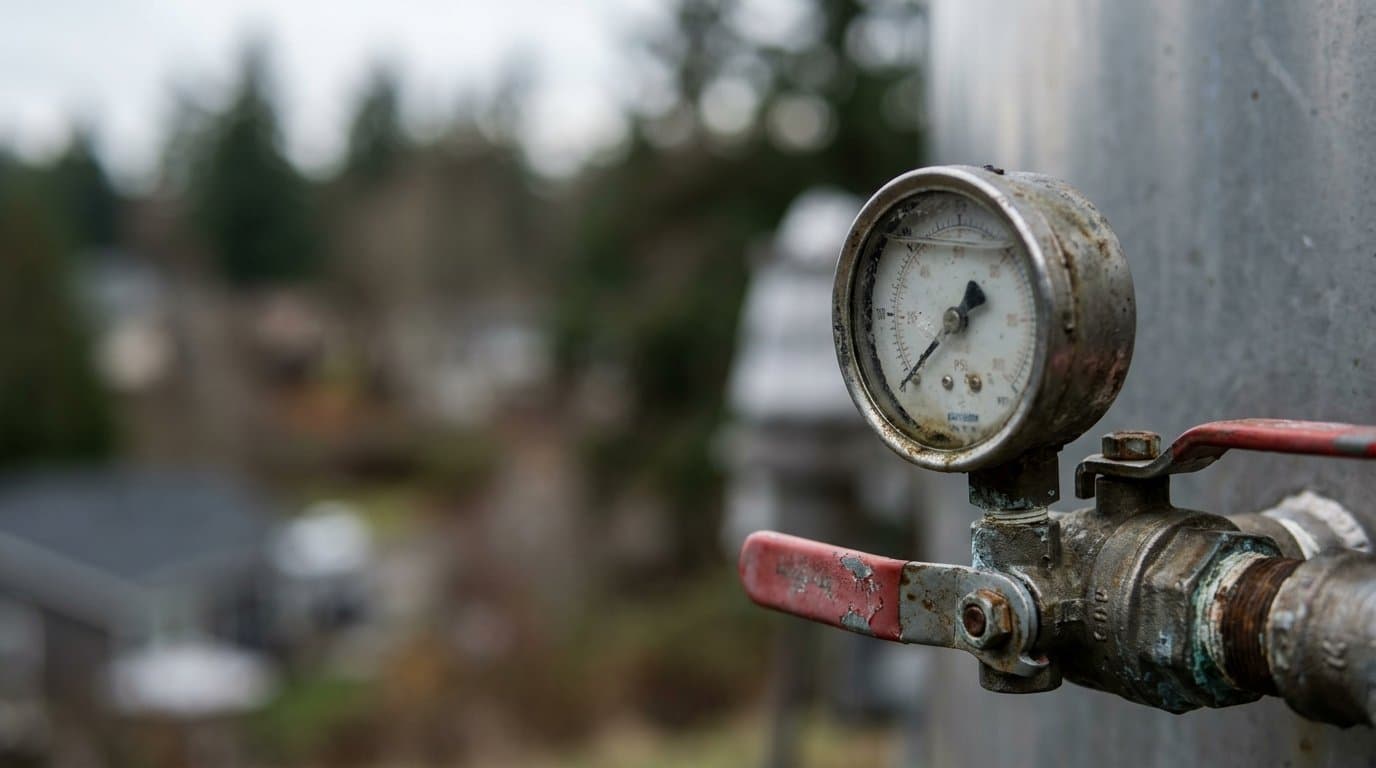
Since 1926, the water for the city utility's 3,200 customers has shared those tunnels and large pipes with the power plant. They are overdue for an inspection that federal regulators have asked for, and three leaking valves inside are at least 67 years old, city staff wrote. They can't be drained for inspection or repair without cutting off the city's water.
"If you do that, the city has zero drinking water. Zero," Floyd Damron, the project manager for engineering firm Jacobs, told the council. The power plant has diesel generators as a backstop, he said, but "there's no alternative drinking water source."
Ketchikan has had no other viable water source since the late 1980s, when it disconnected Carlanna Creek after a disease outbreak was traced to it, Jacobs wrote. Draining the tunnels without a new line would most likely mean a long-term, systemwide boil water notice.
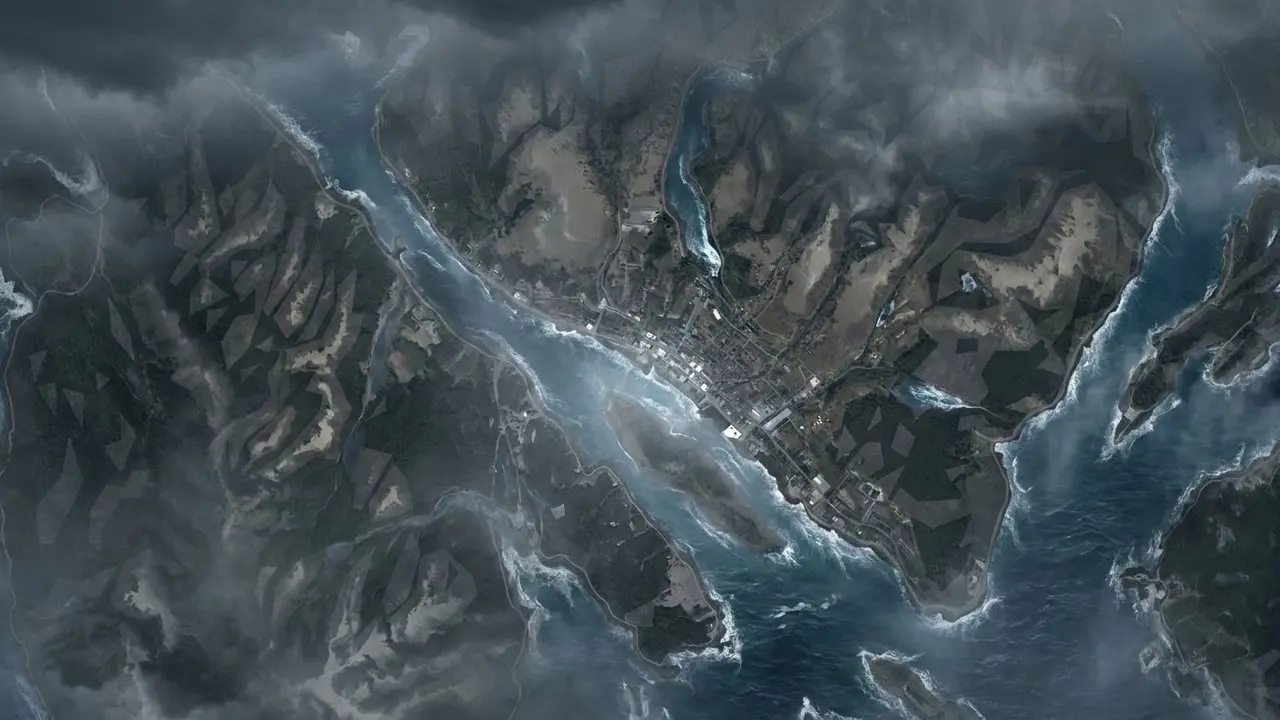
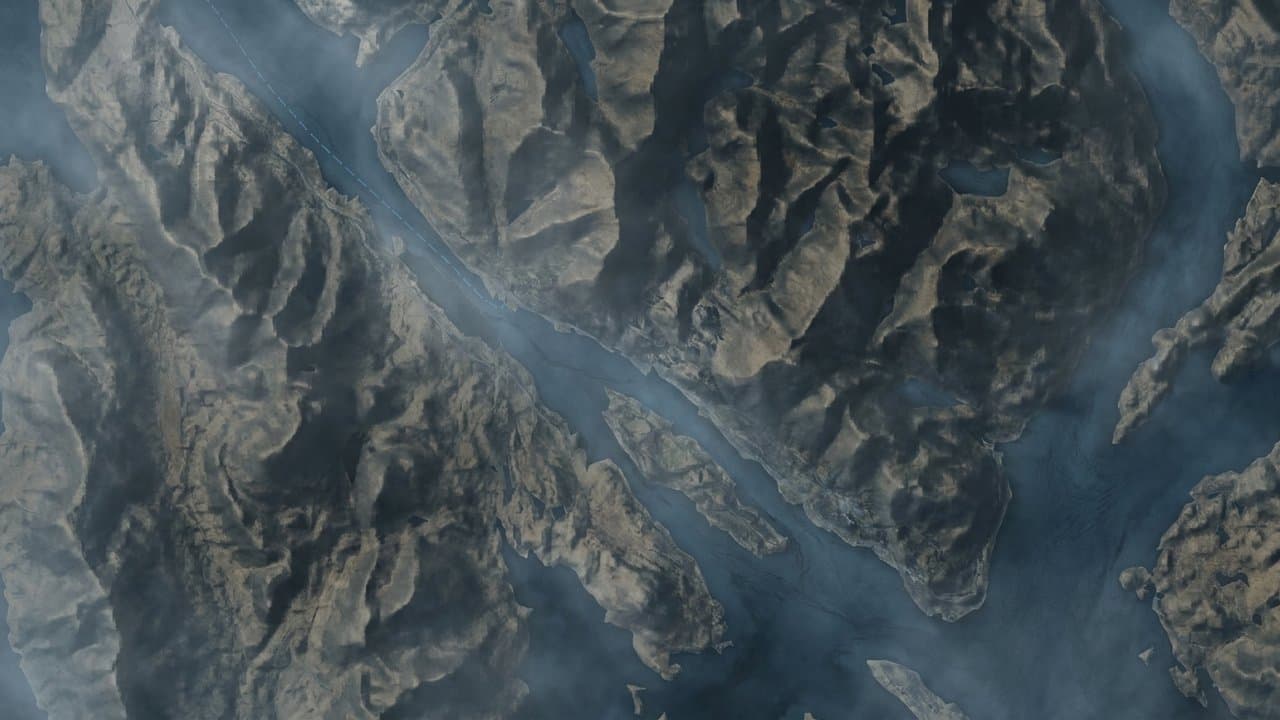
The new line, about 7,500 feet long, would follow Ketchikan Creek from Ketchikan Lakes and bypass most of the tunnels.
It would also help Ketchikan keep serving water without filtering it. After years of work, the city won approval this year to keep serving unfiltered lake water instead of building a filtration plant estimated at roughly $70 million. To protect that interim state approval, which expires in July 2027, the utility diverts water from Granite Basin after heavy rain washes fecal bacteria into it. That gives up water the hydro plant could have used to make power. The separate line would end that, city staff wrote.
The council's vote covers only the first of five design phases: about $1.9 million for field work and early design, mostly paid with a $1.5 million state loan the city won't have to repay. It doesn't commit the city to building anything, Damron said. Council member Riley Gass voted against both the contract and the loan and didn't explain his votes at the meeting.
The city's capital plan puts the whole project at $26.5 million. A draft utility budget the council hasn't adopted recommends raising water rates 8% a year for four years, after an 8% increase in January that the finance director said would add about $5.50 a month to the average bill.
When design work began in late 2024, the line was expected to be running by the end of 2030. Now the earliest is 2032, Damron said, and later if funding is delayed.
What did you make of this story? (no account needed)
Made by our human newsroom with AI. Reviewed by Cale Green. How humans and AI work here · Grow with our newsroom ·
Keep Alaska News free for everyone.
No paywall, ever. Members pay so everyone can read the meetings and records Alaska News covers.
Get Alaska News in your inbox
Create your free account and get the day’s top stories around 6 each morning, in a few minutes’ read.
Top stories, around 6 each morning.
Stories on what you follow, on Sundays.
Source: City of Ketchikan.





Comments
Sign in to leave a comment.
No comments yet. Be the first to share your thoughts.