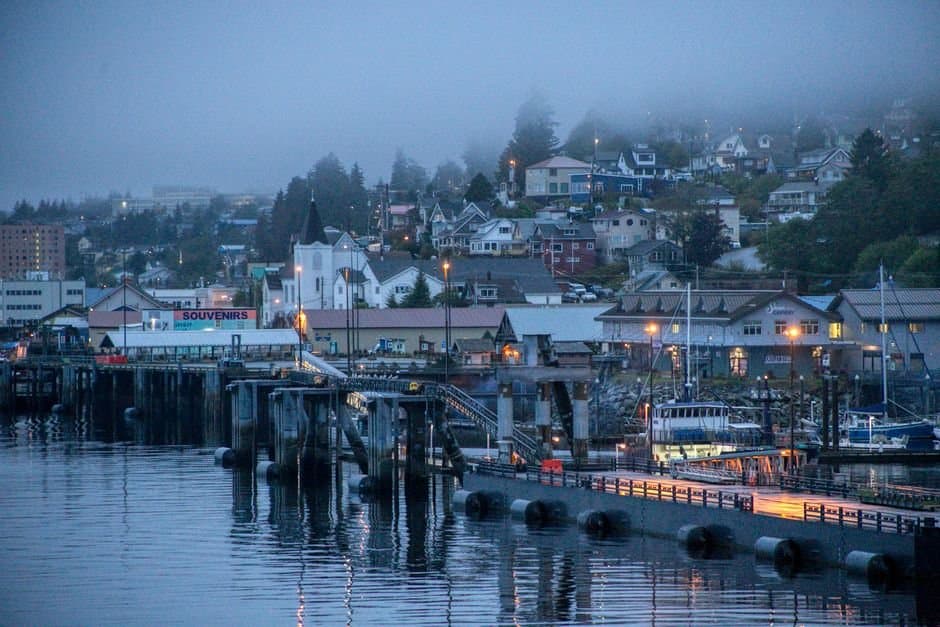
Photo by Victor Martinez on Pexels · Photo source
Ketchikan council to vote on $1.9 million to start designing a new water line
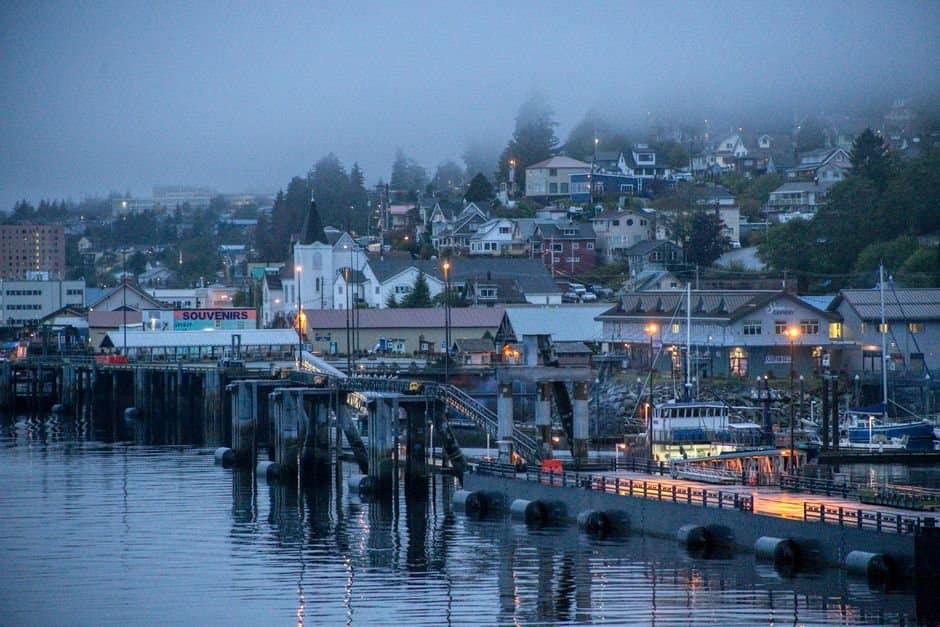
The Ketchikan City Council will vote Thursday on a $1.9 million contract to begin designing a new pipeline for the city's drinking water, which has run through the same tunnels as its hydroelectric plant since 1926.
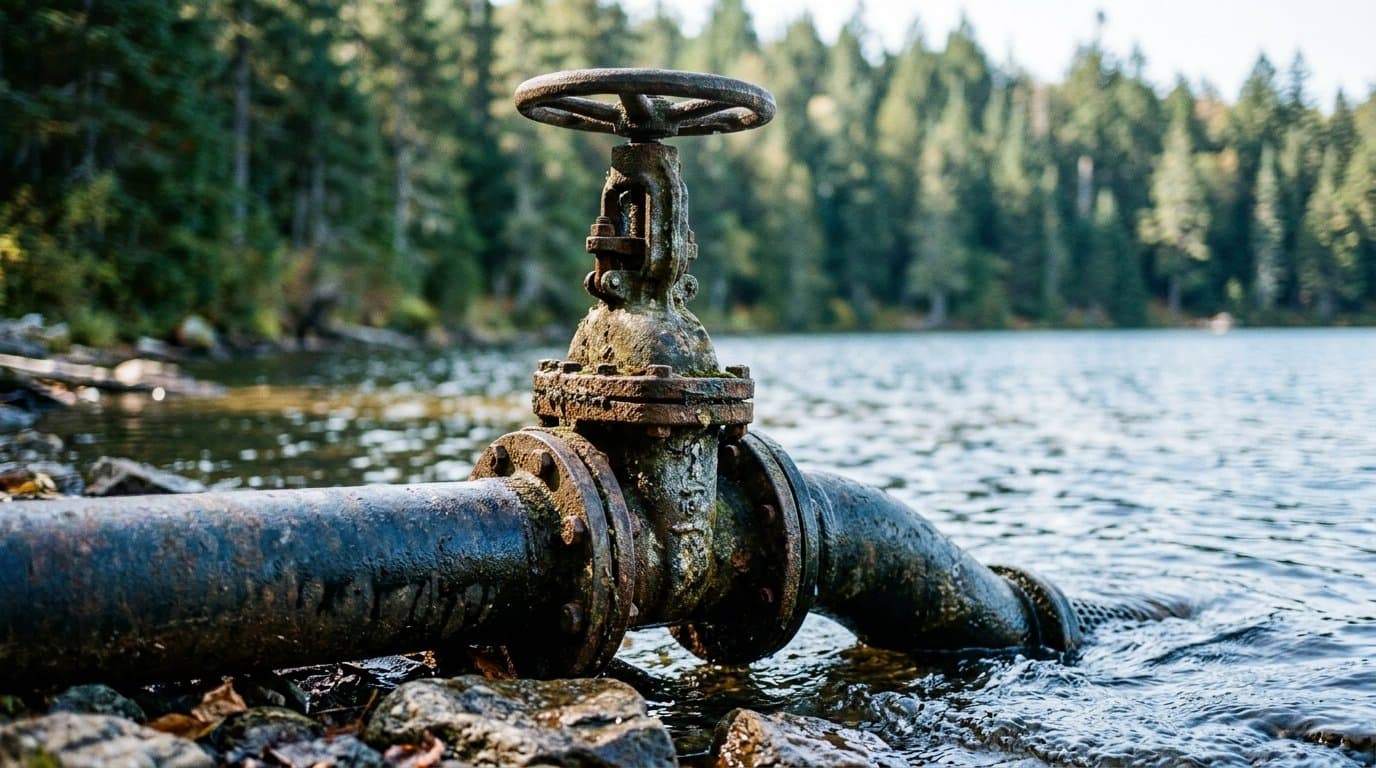
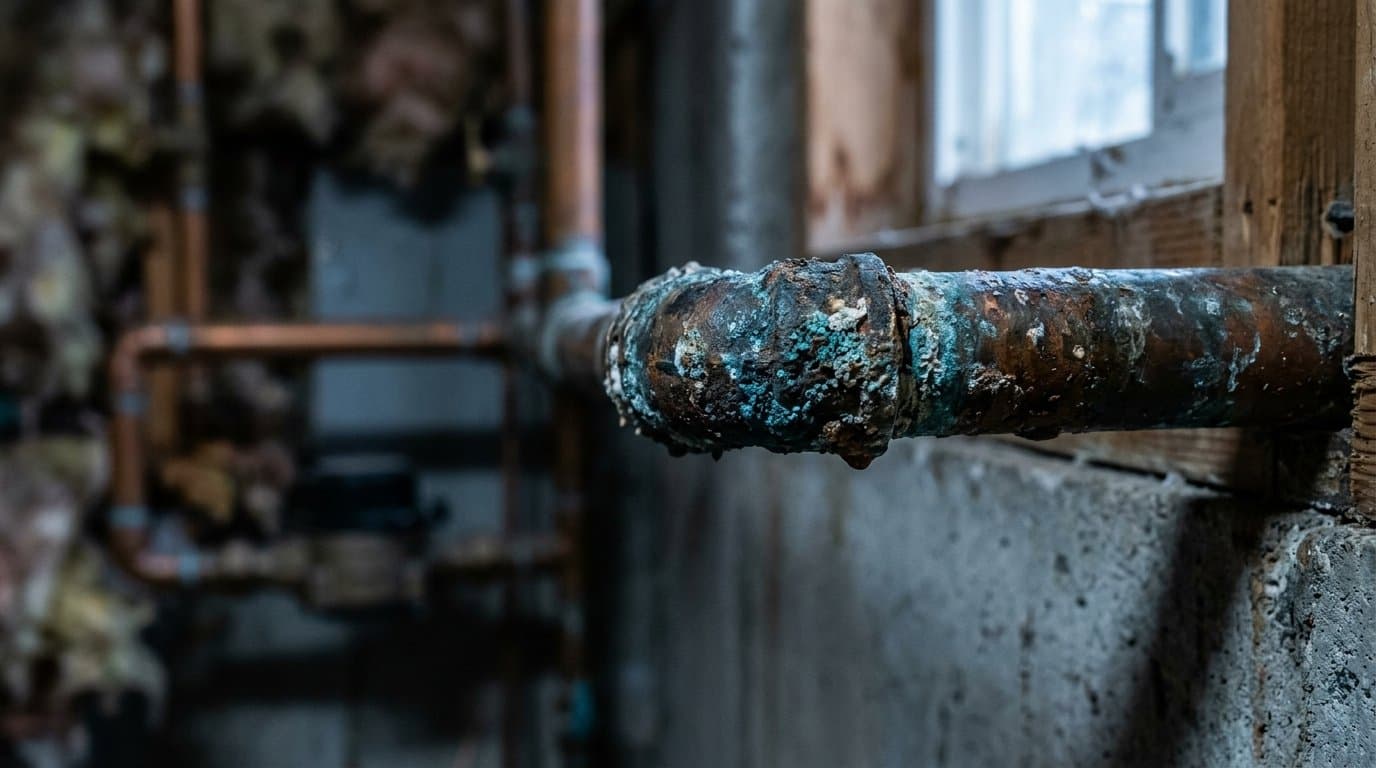
Those tunnels are overdue for inspection, and the Federal Energy Regulatory Commission has asked for one, city staff wrote. The three 36-inch valves that control water to the power plant's generators all leak. They are at least 67 years old and may date to 1926.
The problem is that the tunnels can't be drained for inspection or repair without shutting off the city's drinking water supply. Doing that work without a separate line would most likely mean a long-term, systemwide boil-water notice, according to Jacobs Engineering, the firm city staff recommend for the design.
Ketchikan has had no other viable water source since the late 1980s, when it disconnected Carlanna Creek, which had supplied the north end of town, after the creek was the source of a disease outbreak, Jacobs wrote.
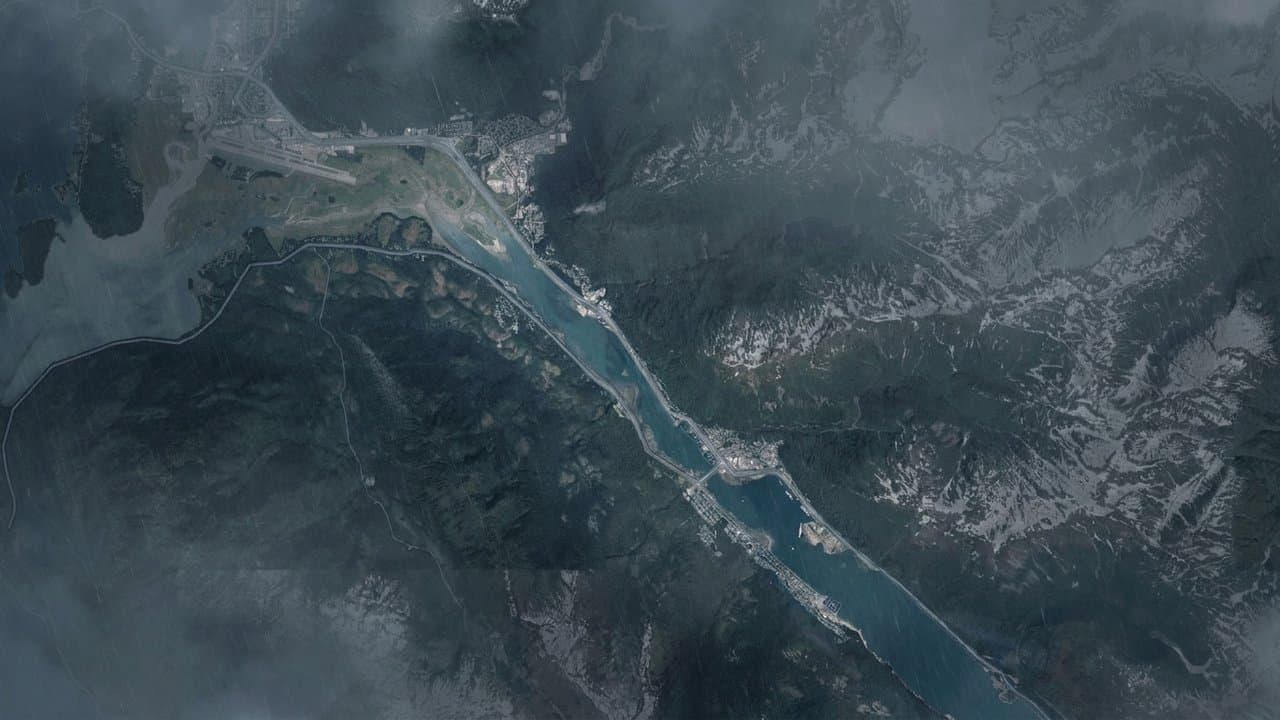
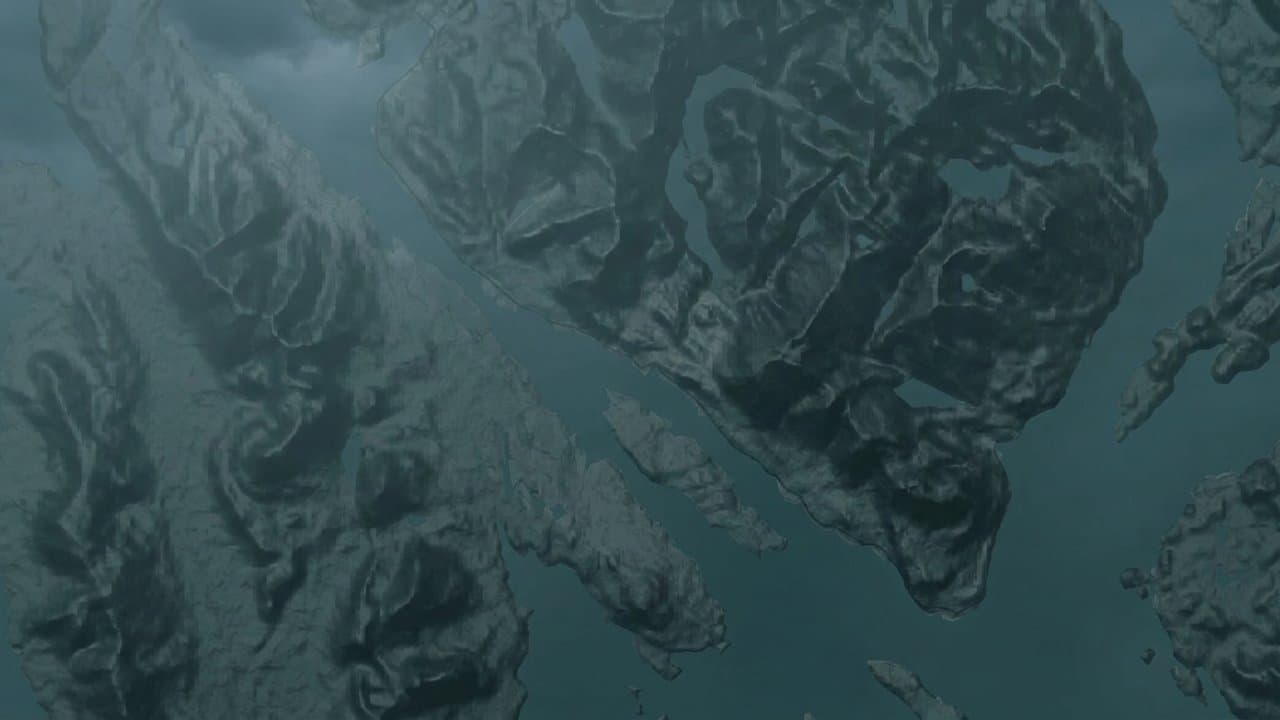
The proposed 7,500-foot line and access road would run along Ketchikan Creek and carry drinking water around most of the tunnels and pipes that feed the hydro plant. The dam, some tunnels and two 54-inch pipelines upstream of where the new line connects would still serve both. With the city's water out of the rest, the utility could drain, inspect and repair those parts for the first time, Jacobs wrote.
The line would also let the hydro plant make more power, staff say. After heavy rain washes organic material and fecal bacteria from the Granite Basin hillsides into Fawn Lake, the utility now diverts that water away to protect the waiver that lets Ketchikan skip building a filtration plant. That diverted water can't spin the turbines. With a separate drinking water line, Water Division Manager John Kleinegger wrote, the plant could "always operate at its full potential."
A $1.5 million state loan, also on Thursday's agenda, would cover most of the contract. The loan would be fully forgiven, so it creates no debt for the city, Assistant City Manager Shawn Hart wrote. Utility reserves would pay the remaining $399,000.
This first phase, one of five, would bring the design to about 10% and study whether a new intake deeper in Lower Ketchikan Lake is feasible. Field work would likely start in May or early June 2027, and the phase would be finished by March 1, 2028.
The project has grown since the council gave Jacobs its first $100,000 contract for the work in December 2024. Then, design was estimated at about $1.7 million and construction at $12 million or more, and Jacobs said the line could be running by the end of 2030.
The city's capital budget now puts the total at about $26.5 million: $6.5 million for design and $20 million or more for construction. Kleinegger wrote that construction isn't expected to begin for at least four to five years and the line could be running "perhaps as early as 2032."
The city hasn't lined up construction money. For the whole project, the budget assumes $16.5 million in borrowing and $10 million in grants, and Kleinegger wrote that the city will seek drinking water grants or loans once the design reaches 35%.
The council raised water rates 8% in January on a 5-2 vote. Finance Director Michelle Johansen had told the council the increase would add about $5.50 a month to the average bill. The packet doesn't say what the new line would mean for rates.
Jacobs would get this phase without the city seeking new proposals, under a city code provision for contractors who are the best choice based on prior work. The firm also helped the city negotiate the filtration waiver, which spared Ketchikan a plant once estimated at about $70 million.
Made by our human newsroom with AI. Reviewed by Cale Green. How humans and AI work here · Grow with our newsroom
Get Alaska News in your inbox
Create your free account and get the day’s top stories around 6 each morning, in a few minutes’ read.
The day's top stories around 6 each morning. Unsubscribe in one click.
Source: City of Ketchikan, Ketchikan council votes on $1.9 million first step toward a separate line from its only water source, as the project's estimate has about doubled since 2024.



Comments
Sign in to leave a comment.
No comments yet. Be the first to share your thoughts.