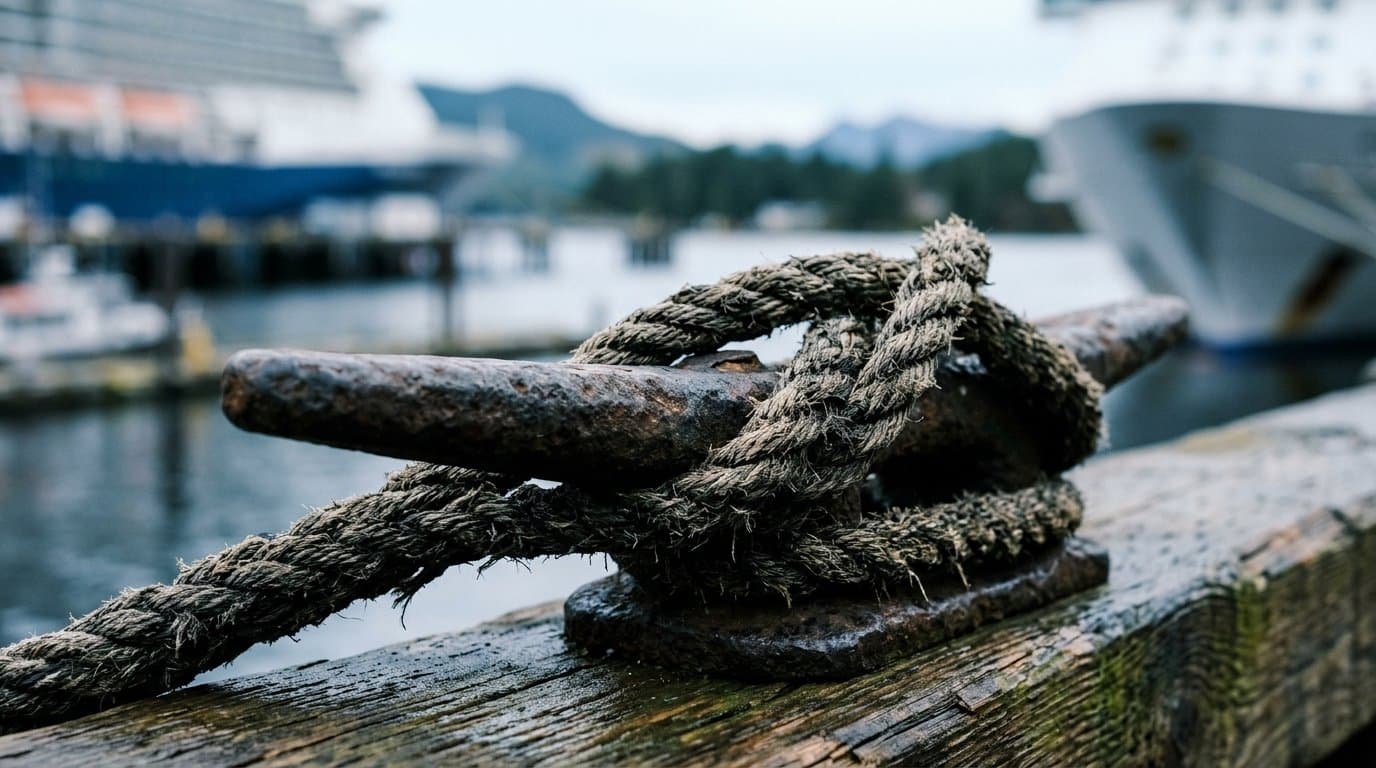
AI image
Ketchikan's cruise passenger fee rises to $15 next year, and cruise lines get a say on new uses
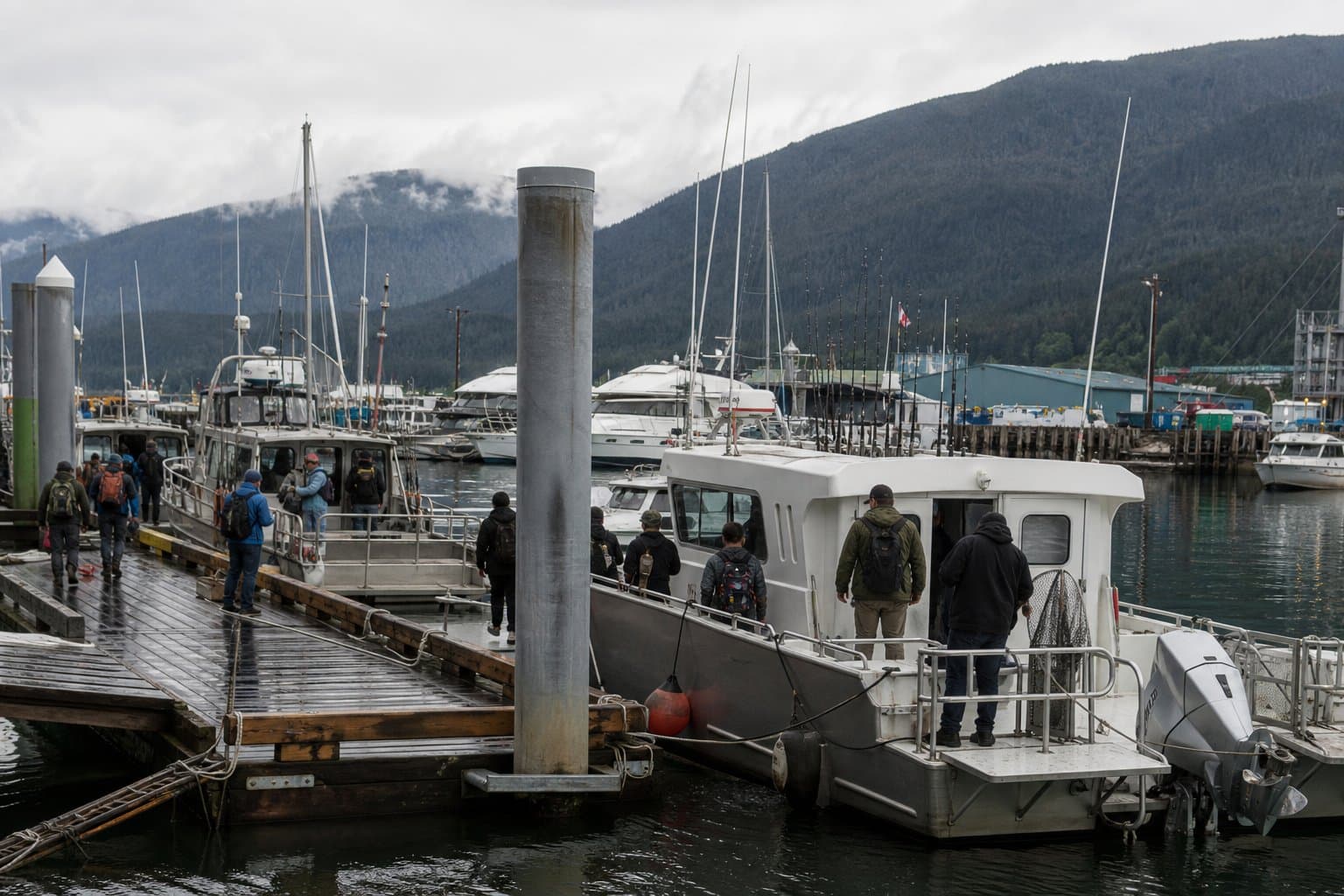
Ketchikan's fee on each passenger disembarking from a cruise ship at city docks, called passenger wharfage, will rise to $15 next summer, up from $13, and reach $21 by 2029. Revenue flows into the city's port fund.
City staff project the fee will generate about $25 million in 2029, before Berth IV lease payments, operations and debt service, if roughly 1.2 million docked passengers continue arriving annually, according to slides presented to the City Council and the cruise lines' trade group, Cruise Lines International Association (CLIA), at a joint work session Nov. 17. The port collected $14.2 million in wharfage in 2025.
Passengers brought ashore by small boat, a practice called lightering, pay less: $12 next year, $14 in 2028 and $17 in 2029, according to the port's rate sheet.
Federal law limits what the fee can fund. A 2018 federal court ruling, cited in the city's agreement with CLIA, allows such fees to pay for services to ships rather than tourism services that benefit only passengers. The agreement cites passenger and crew safety projects, port electrification, and restrooms and shelter for passengers as allowed uses.
The port depends on user fees such as wharfage, supplemented by state grants and bonds, according to the city's draft 2027 budget. That budget allocates $11.7 million for port projects next year, including $10 million to restore Berth III and $250,000 for electrification, and projects a $2.87 million port surplus in 2027.
Council Member Janalee Gage said the cost of electrifying the port, so docked ships can plug into shore power, "shouldn't be coming out of our pockets," and that she wanted residents to understand "we're not raising our rates to fund that." City staff said electrification is an allowed use of the wharfage fee and that the city is also pursuing grants.
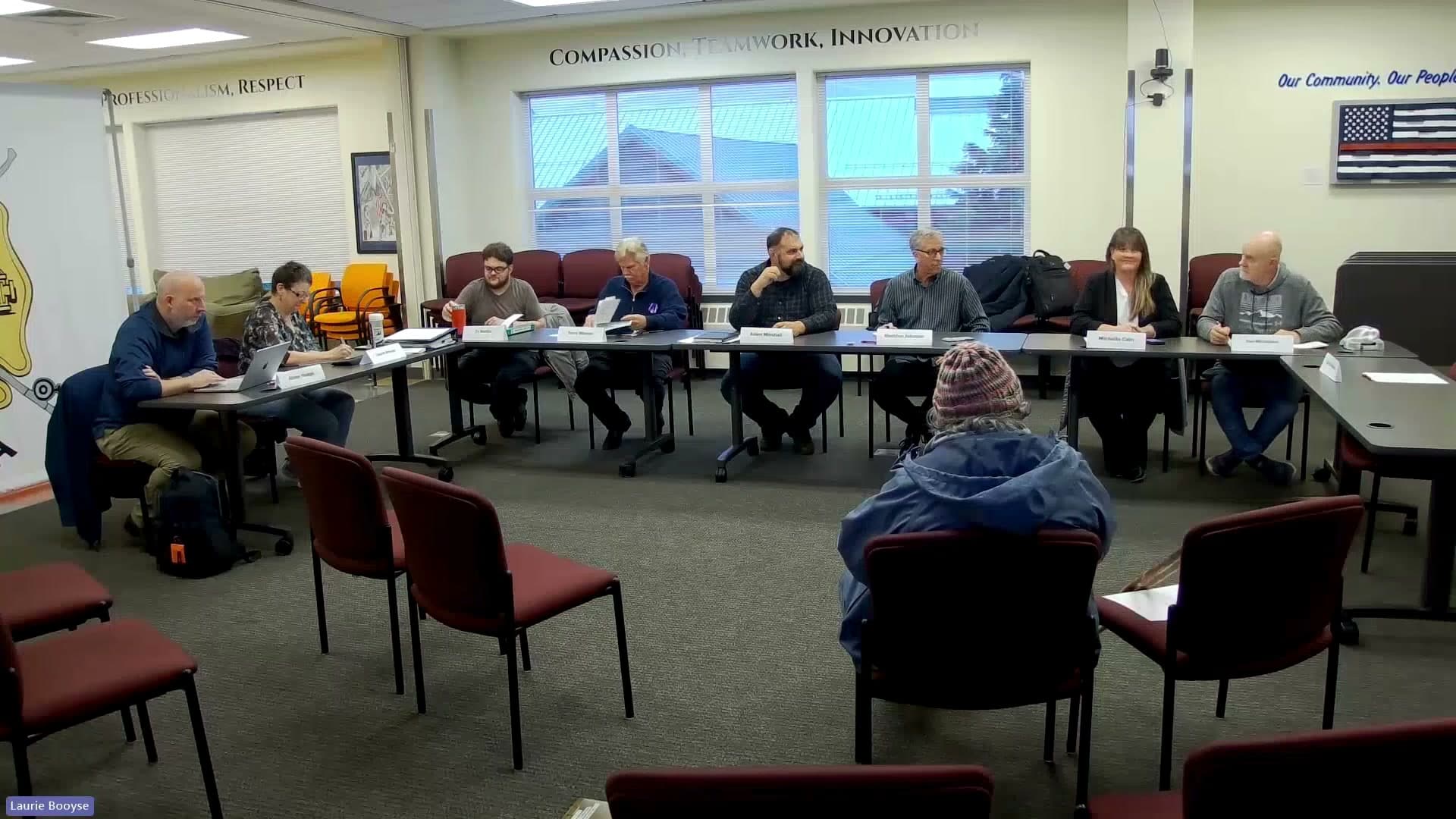
The agreement between the city and CLIA, approved by the council May 7 and in effect since Oct. 6, runs five years and renews automatically unless either side gives 30 days' notice. It establishes a yearly review for any use of the fee beyond what the agreement already permits: the city sends CLIA a written proposal by Feb. 1 and a final list by April 1; CLIA must respond in writing by May 1 or the city may proceed without its answer. All spending decisions remain with the city, and the agreement shields CLIA and its members from liability over any alleged improper use of the fees.
The rate increases predate the agreement. The city adopted and published the rate sheet in August 2025; staff said they presented it at the work session "for transparency." Under the agreement, any future increase must be announced at least 18 months before taking effect, except for an emergency surcharge.
Council members pressed the cruise lines for more help as costs rise for residents. Council Member Riley Gass said utility rates and the cost of living are climbing and residents are leaving. "I would just like to respectfully ask for a little more compromise going forward," he said.
Council members Abby Bradberry and Judy Zenge had asked the city to seek CLIA's approval to pay for homelessness and humanitarian grants using the city's share of the state's cruise passenger tax. Bradberry said the $340,000 at issue is small next to city and cruise line budgets, and that the city faces a choice between raising rates on everyone to fund such grants or maintaining basic services like water and wastewater. She said a growing unhoused population affects the port and its passengers.
City staff and CLIA concluded that neither the wharfage fee nor the passenger tax can pay for those grants. "The cruise industry recognizes its responsibility as a community partner," CLIA wrote in a statement, naming public restrooms, pedestrian safety, crossing guards and crowd management as uses with a direct tie to cruise visits.
The city also asked the cruise lines for help beyond what the fee can buy: a named contact at each line and shared data for a yearlong plan covering the route from the docks to downtown, including ideas such as a seasonal pedestrian street and port Wi-Fi.
Separately, the city invited voluntary contributions toward three carved red cedar panels, one Tlingit, one Haida and one Tsimshian, for the Totem Heritage Center's front ramp. The project costs $129,603, and the call for artists opens this month.
The fee began in 2004 at $4 per docked passenger and $2 per lightered passenger, according to a 2019 city port fees memo.
The city and the cruise lines plan to meet again April 20 or 21, after the city's first spending proposal under the agreement is due. Staff aim to bring a five-year plan ranking port projects to that meeting.
What did you make of this story? (no account needed)
Made by our human newsroom with AI. How humans and AI work here · Grow with our newsroom ·
Keep Alaska News free for everyone.
No paywall, ever. Members pay so everyone can read the meetings and records Alaska News covers.
Get Alaska News in your inbox
Create your free account and get the day’s top stories around 6 each morning, in a few minutes’ read.
Top stories, around 6 each morning.
Stories on what you follow, on Sundays.
Source: City of Ketchikan.








Comments
Sign in to leave a comment.
No comments yet. Be the first to share your thoughts.