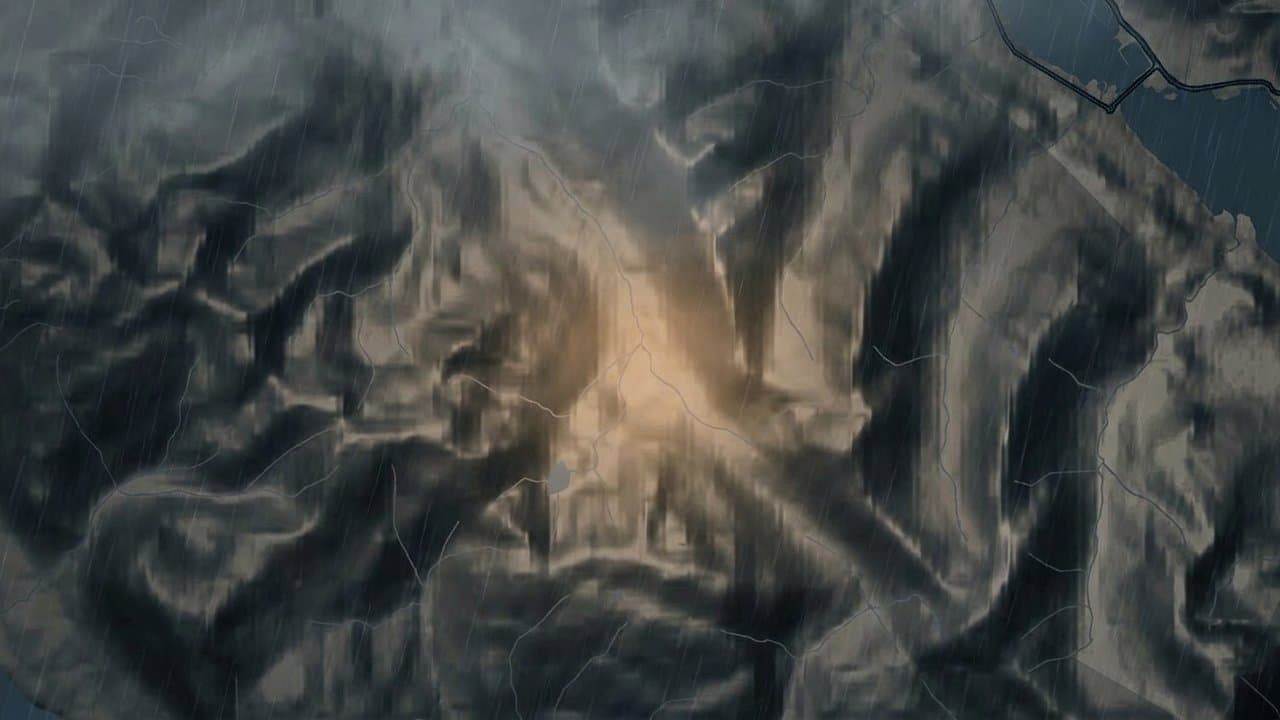
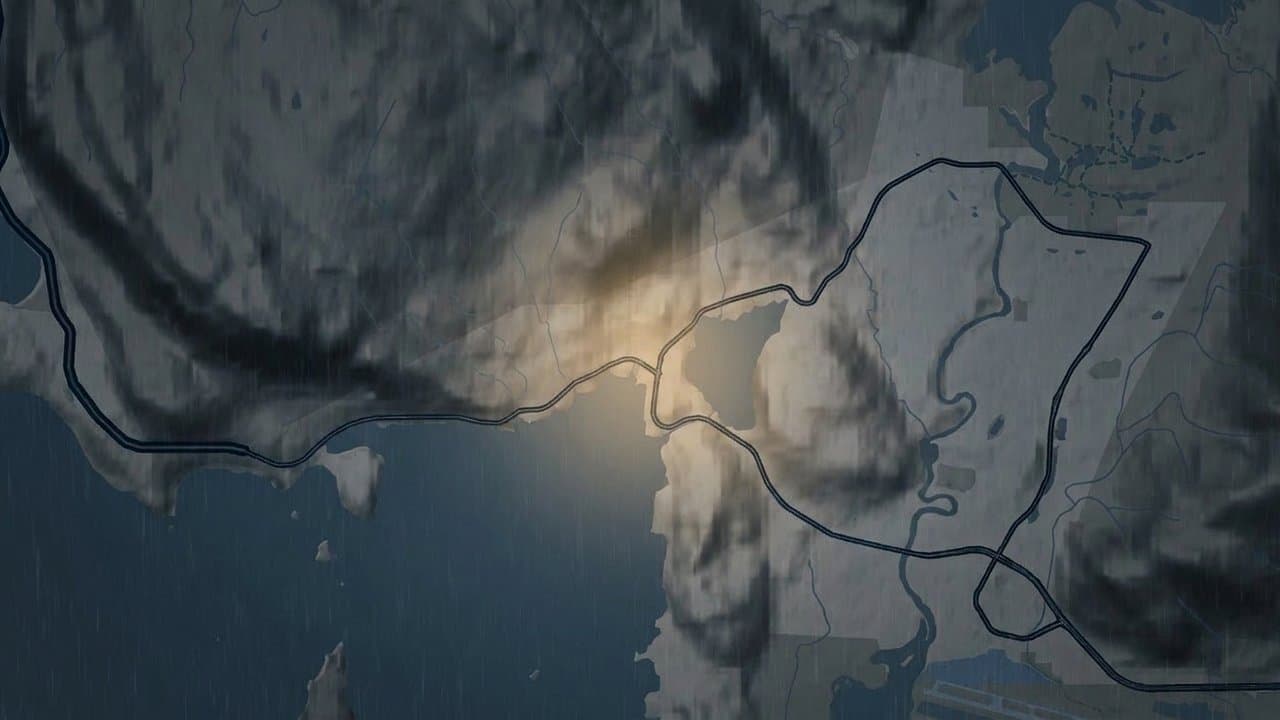
Editorial map (Gemini + Google Maps)
Juneau committee calls for ordinance to pay off Eaglecrest's $2.5 million deficit
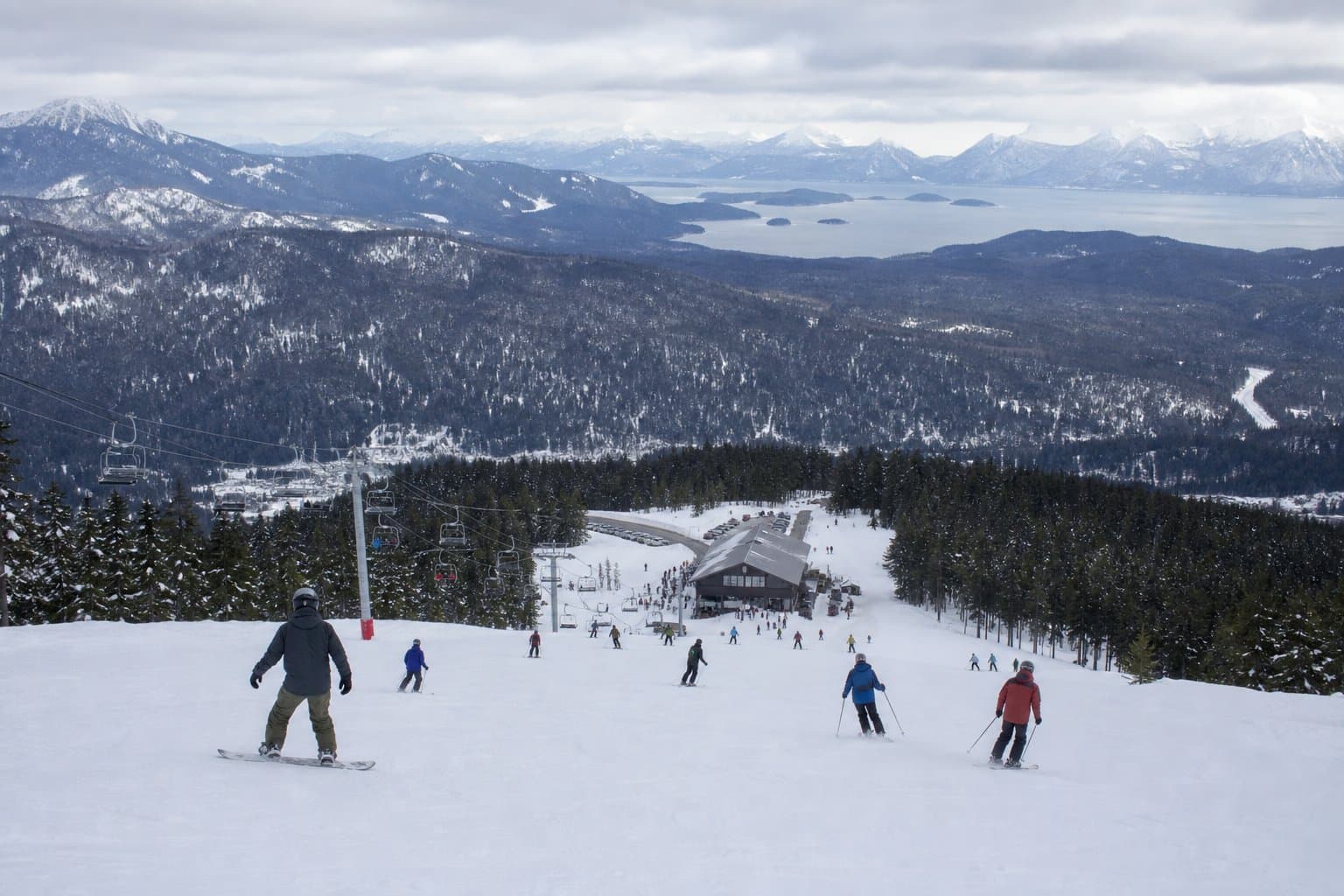
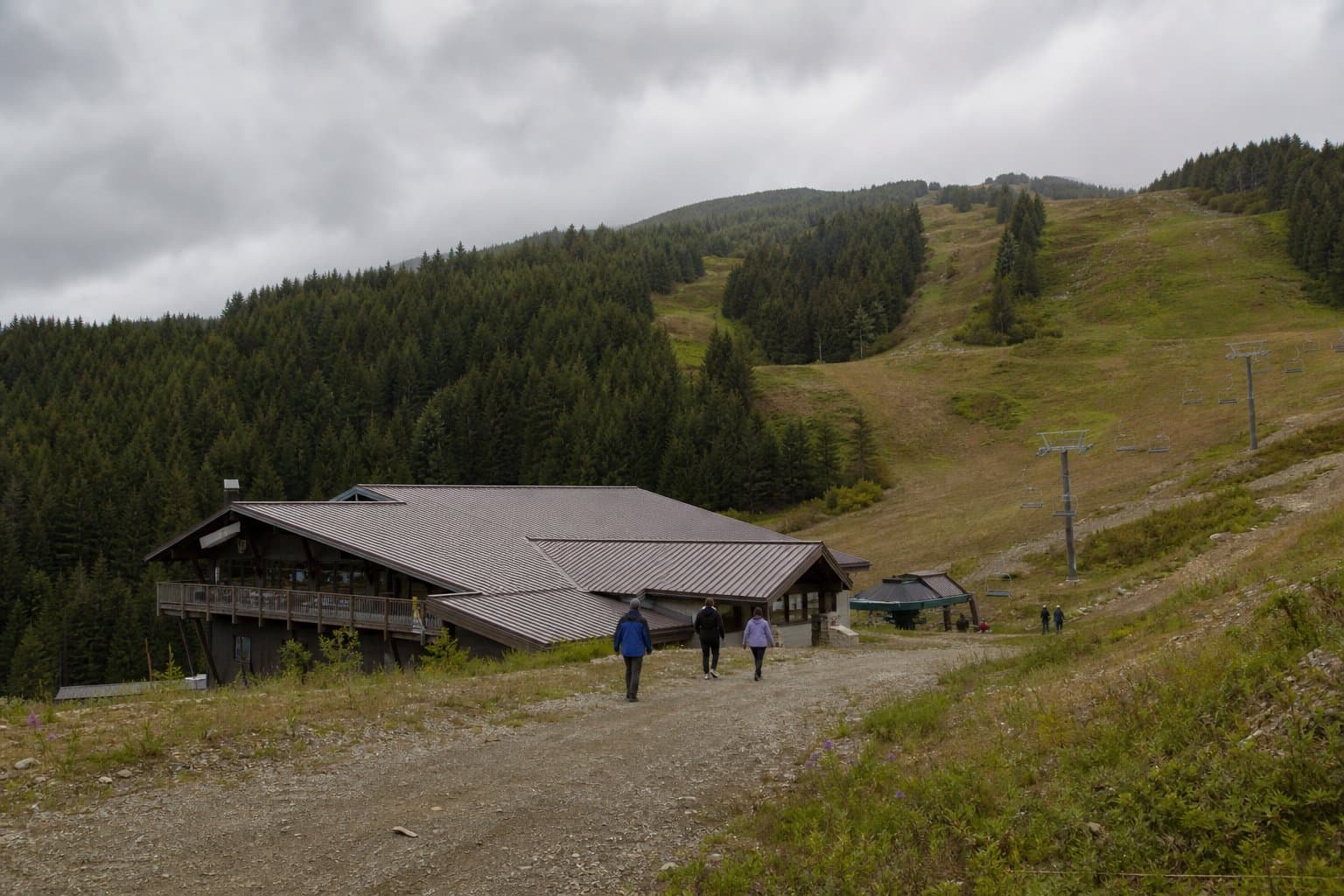
Juneau's Assembly Finance Committee voted without objection Wednesday to have staff draft an ordinance that would pay off the city-owned Eaglecrest Ski Area's roughly $2.5 million deficit with general fund money, rather than the reserve money the city has held to cover it.
The motion came from Mayor Beth Weldon, shortly after Eaglecrest's new general manager told the committee that season pass sales were up. "I'm glad to hear that you have increased revenue, but I'm realistic," Weldon said, according to a transcript of the meeting. "I've already said with a little bit extra revenue that I was going to look at protecting our restricted budget reserves."
The city expected the deficit to be repaid. When it built Eaglecrest's budget for the year that ended June 30, the Assembly Finance Committee accepted a $2.5 million deficit based on two assumptions, Finance Director Angie Flick wrote in March: that the city should run a year-round mountain recreation area, and that Eaglecrest "will be 'profitable' in the near future." City code required the city to hold money in reserve against the deficit until the ski area paid it back or the Assembly decided it never would.
The gondola was the revenue meant to pay it back, Flick wrote. If the city stopped working toward it, she wrote, the assumption that Eaglecrest would soon be profitable would no longer be valid, and it would be appropriate to permanently reduce the reserve and bring Eaglecrest's fund back to zero. In May, the Assembly voted 8-1 to end the gondola deal and repay Goldbelt $12.2 million.
Eaglecrest started that budget year already $691,600 in the hole and lost about $1.8 million more, a smaller loss than the Assembly had budgeted for. That leaves it $2,499,400 short, a figure that could still change slightly once the year's books are audited and closed. The city has $2,505,400 set aside for it.
Paying it from the reserve or from the general fund would "kind of get you to the same place, just two different ways," Flick told the committee. Leaving the fund negative for now would cause "no real problems," she said, because the reserve already covers the shortfall.
Juneau also has more money than it expected. Strong sales tax receipts last spring, which Flick said were driven most by anything that used fuel, helped push the city's projected unrestricted balance at the end of this budget year to $12.1 million, up from $3.3 million in June.
The restricted budget reserve, meanwhile, holds about $17.6 million, short of the $24 million it should hold, Flick told the Assembly on Nov. 2. About $3.2 million went to glacier outburst flood costs, and about $2.5 million is set aside for Eaglecrest. Paying Eaglecrest's deficit from the general fund instead would take the reserve from $17 million to $19.5 million, she said. On Wednesday, Committee Chair Ella Adkison said she would have staff draft a separate ordinance to make the reserve whole.
"Before we get too excited about the $12 million, we still have the GLOF conversation," Weldon said at that meeting, referring to glacial lake outburst flooding.
Eaglecrest General Manager Julie Piper said that when the first tier of season pass sales closed at the end of September, sales were up about 24%, with prices up a little too. "There's a looming Super El Niño, and you never can predict the weather, but we're ready to adapt to it," she said.
The Assembly nearly doubled its support to about $1.68 million this year, partly with one-time money, to give Eaglecrest a balanced budget.
A strategic business plan by the consulting firm SE Group says Eaglecrest spent about $4.8 million last year and brought in about $2 million on its own. Closing that gap with revenue alone "would require more than doubling current revenue," the plan says, and SE Group does not consider breaking even a realistic goal within five years. It recommends that the city decide what level of support it will accept before asking the ski area to deliver against a plan.
A joint meeting of the Assembly and the Eaglecrest board on the ski area's future is projected for January, though Flick said the date hasn't been set.
The ordinance is on the tentative agenda for the Assembly's Nov. 16 meeting. City Manager Katie Koester recommends introducing it then and holding a public hearing at the next regular meeting.
What did you make of this story? (no account needed)
Made by our human newsroom with AI. Reviewed by Cale Green. How humans and AI work here · Grow with our newsroom ·
Get Alaska News in your inbox
Create your free account and get the day’s top stories around 6 each morning, in a few minutes’ read.
Top stories, around 6 each morning.
Stories on what you follow, on Sundays.
Source: City and Borough of Juneau, Juneau finance committee moves to pay off Eaglecrest's $2.5 million deficit from general funds, before the Assembly's talk on the ski area's future.




Comments
Sign in to leave a comment.
No comments yet. Be the first to share your thoughts.