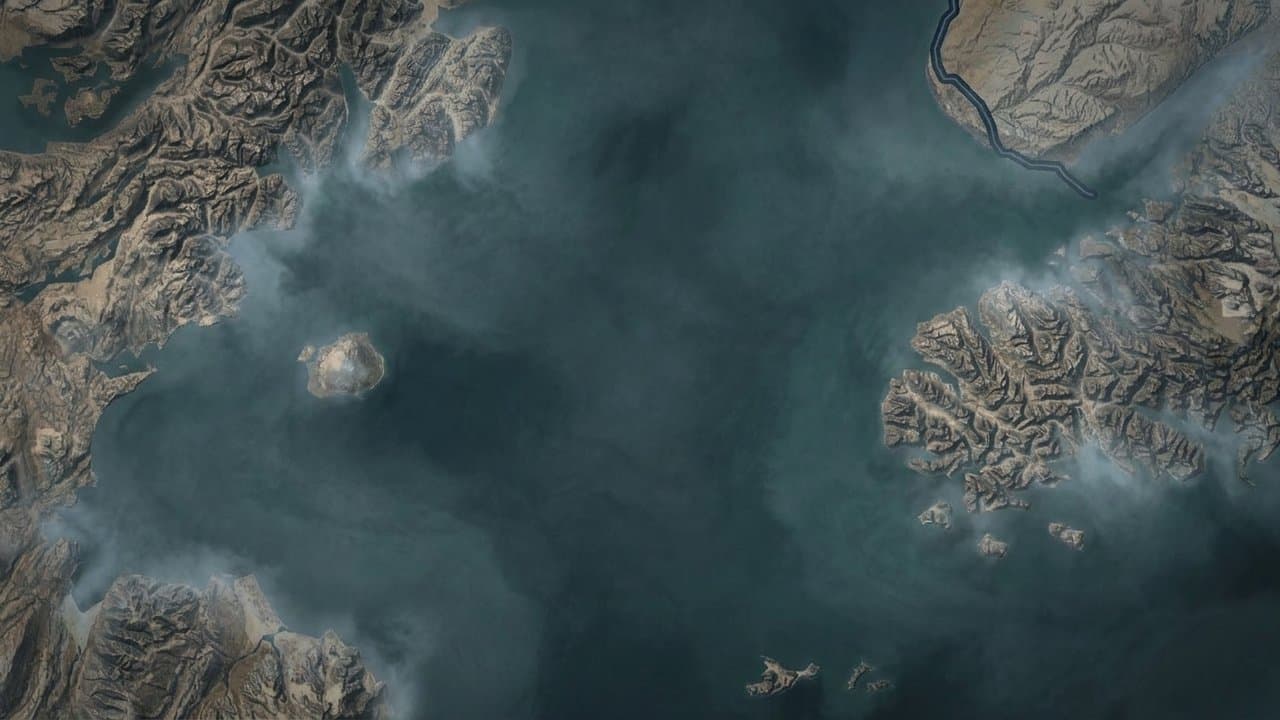
Editorial map (Gemini + Google Maps)
Invasive pike may use Cook Inlet to reach new watersheds, ADF&G biologist says
Invasive northern pike may travel between Southcentral watersheds through brackish Cook Inlet water, research biologist Parker Bradley explains in a podcast featured in the Alaska Department of Fish and Game's October Reel Times, released Wednesday.
Invasive pike have depleted Southcentral salmon and other native fish, according to the department, and Cook Inlet set-netters have reported catching them.
In a study announced in January 2025, University of Alaska Fairbanks and department researchers found upper Cook Inlet chemistry in the otoliths, or ear stones, of three pike from Anchorage's Campbell Lake and Westchester Lagoon and from the Kenai Peninsula's Vogel Lake. The Vogel Lake fish was caught in 2019; the lake's pike population was eradicated in fall 2021.
The Kenai Peninsula is "no longer known to contain any northern pike populations," according to 2026 state regulations, which direct anglers who catch one there to bring it to the nearest department office.
Bradley said in the 2025 university release that confirming the pathway enables prevention.
A Mat-Su project has removed more than 1,700 pike from 37 water bodies since 2020.
Based on a press release from ADF&G.
Made by our human newsroom with AI. Reviewed by Cale Green. How humans and AI work here · Grow with our newsroom
Stay informed. Support what matters.
Free, permanent access to local news you can verify. Subscribe to support Bill AlaskaNews and go ad-free.
Related Coverage
State to use fish pesticide in Sucker Lake to kill invasive pike
Alaska News · 4mo ago
Catch a pike in an Anchorage lake and you have to kill it
Alaska News · 1mo ago
Snowpack flooding scatters Minto Flats pike, forcing anglers to adapt
Alaska News · 2mo ago
ADF&G opens youth-only fishing events across Southcentral, Southwest Alaska
Alaska News · 3mo ago
Interior loses its salmon fishing — pike it is
Alaska News · 3mo ago
Comments
Sign in to leave a comment.
No comments yet. Be the first to share your thoughts.