Trump Wildlife Pick Wants Fewer ESA Lawsuits — Alaska Is Ground Zero
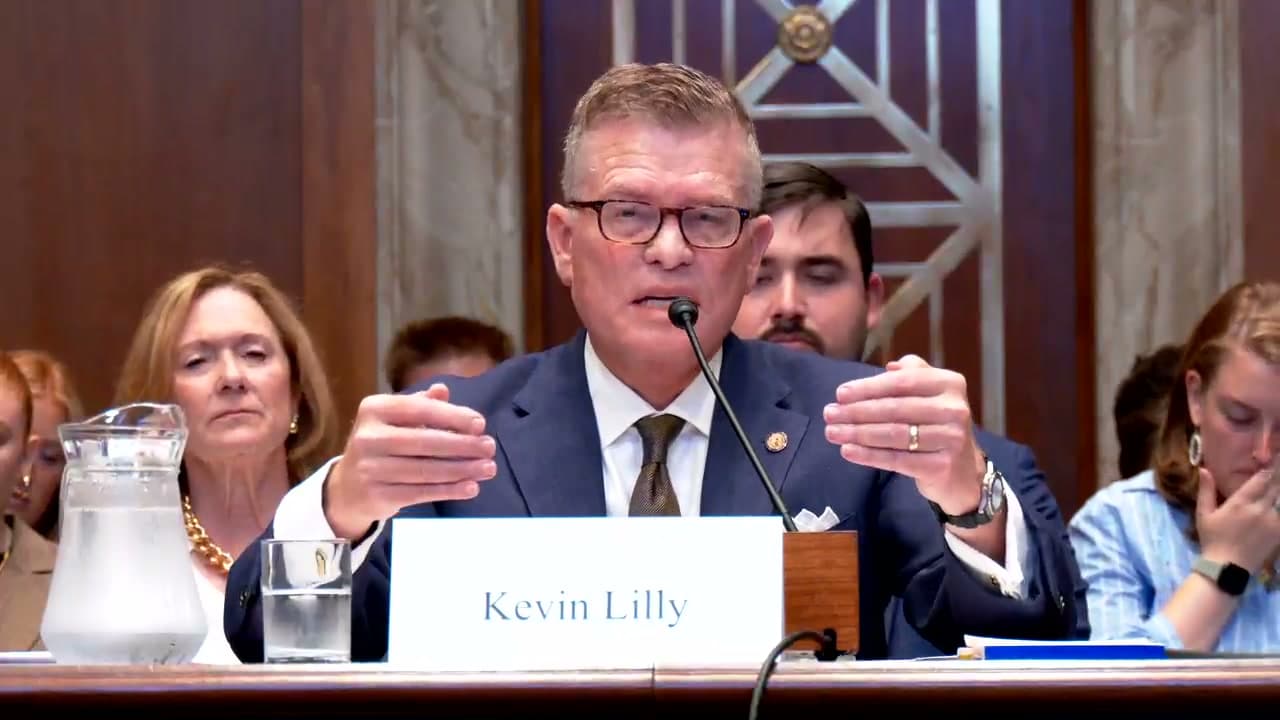
President Donald Trump's nominee to run the Interior Department's fish and wildlife office told the Senate Environment and Public Works Committee on Wednesday that the Endangered Species Act has become bogged down in litigation, and that the law shouldn't be wielded as a burden on industry, private landowners, or tribal communities.
Kevin Lilly said that when agency scientists finish a species review, "it can be whisked away through judicial review," and that drawn-out lawsuits deliver no conservation benefit — only "legal fees and the perpetual litigious nature that the ESA has become." Committee Chair Shelley Capito echoed him, saying projects "should not be held hostage" by federal agencies that fail to coordinate early.
Nowhere is that debate more concrete than in Alaska, where the ESA collides directly with the resource development that funds the state. The species at the center of it are Alaska's own. When U.S. Fish and Wildlife listed the polar bear as threatened in 2008 because of climate-driven sea-ice loss, it later designated more than 187,000 square miles of barrier islands, denning areas, and offshore ice as critical habitat — much of it overlapping the North Slope oil patch. Oil and gas operations, shipping, and subsistence harvest were all weighed as threats in that decision. Offshore, NOAA's parallel listings of Arctic ringed and bearded seals have followed the same contested path: both listings were challenged in court, put on hold, then reinstated, and the critical-habitat designations were ultimately completed only under a 2019 lawsuit settlement.
The law's reach extends to nearly every major Alaska project. Because the ESA requires federal agencies to consult before they fund or permit work that might affect a listed species, the agency Lilly would oversee sits in the path of road, harbor, and energy projects statewide — including the Alaska LNG pipeline, which has its own federal biological opinion weighing effects on endangered Cook Inlet beluga whales, among the very species the Port of Anchorage's expansion has also had to account for.
That is the friction Lilly described in the abstract and that Alaska lives in the particular: a federal wildlife law that protects polar bears, belugas, and ice seals, running straight through the oil fields, ports, and pipelines the state depends on. The nomination now awaits a committee vote.
This article is based on a public meeting of Senate Environment and Public Works (Sullivan) — Senate Environment and Public Works (Sullivan): Hearings to examine the nomination of Kevin Lilly, of Texas, to be Assistant Secretary for Fish and Wildlife. ().
Drafted with AI. Edited by Cale Green (1 revision). No full editor review is on record. Who is accountable. Transcript byLucas Brown
Discussed in
Watch key moments from the source meeting. Click to expand.
Stay informed. Support what matters.
Free, permanent access to local news you can verify. Subscribe to support Maggie AlaskaNews and go ad-free.
Related Coverage
Federal rule changes loosen protections for Alaska's listed species
Alaska News · 1mo ago
Fish and Wildlife Service seeks $5M to cut energy permit times in half
Alaska News · 3mo ago
Why Washington's permitting overhaul lands harder in Alaska than almost anywhere
Alaska News · 2mo ago
A federal rule will stop habitat destruction from counting as "harm" to listed species
Alaska News · 1mo ago
A federal expansion of hunting and fishing access on national wildlife refuges would land most heavily in Alaska
Alaska News · 3mo ago
Comments
Sign in to leave a comment.
No comments yet. Be the first to share your thoughts.