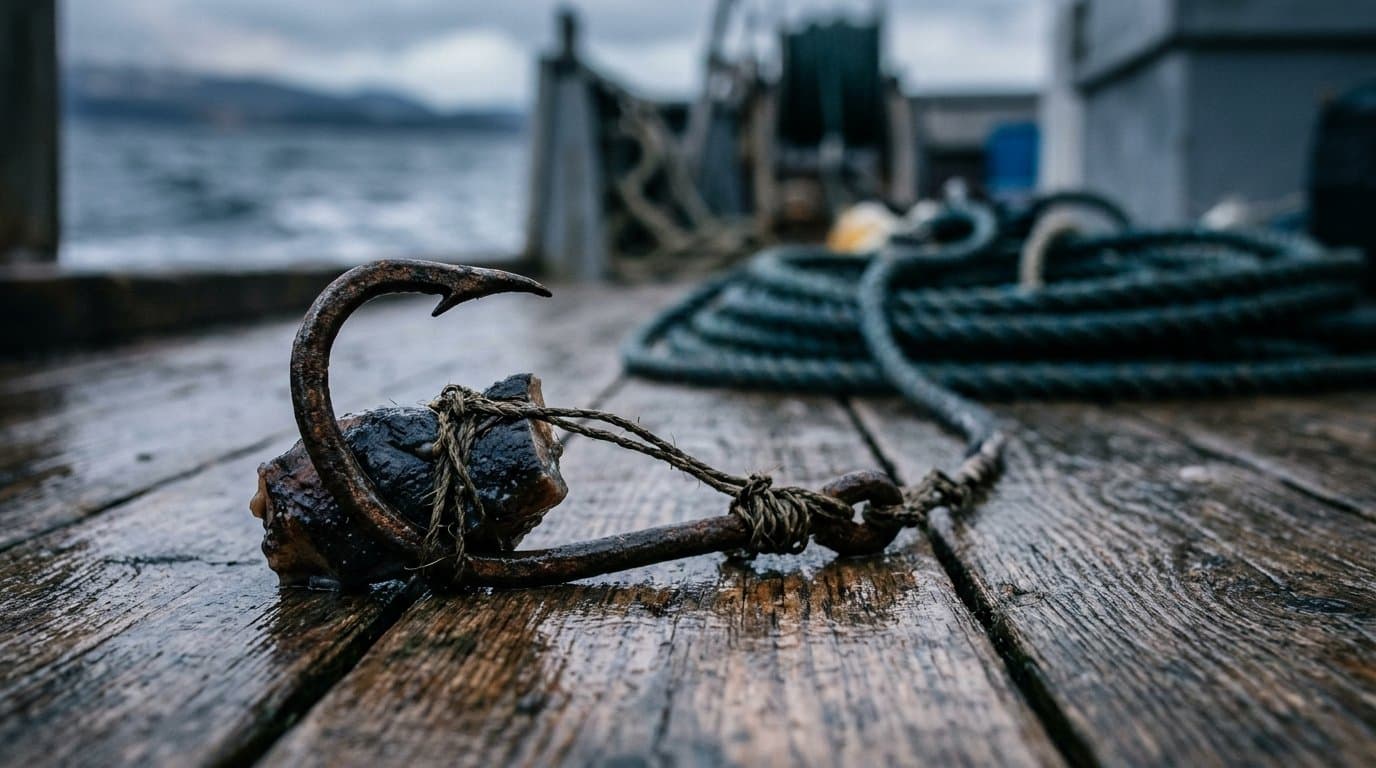
AI image
Halibut commission scientist questions how dogfish study used its longline survey data
Ian Stewart, the stock assessment scientist for the International Pacific Halibut Commission, told the commission's Research Advisory Board on Tuesday that a published spiny dogfish study built partly on IPHC longline survey data did not properly correct for hook competition. The commission is checking whether the study's trends hold up once that correction is applied.
The study combined trawl survey data with the IPHC setline survey across the West Coast, British Columbia and Alaska. Stewart said dogfish tend to gather in large numbers, and "those are going to be the sets that have the biggest effect of hook competition."
He explained the problem this way: a line of 100 hooks that comes up with 100 fish would have caught no more if twice as many fish had been below it. Once the gear saturates, catch rates stop tracking what is on the bottom. The commission adjusts its own survey index using the baits returned at the end of each set, according to its 2024 annual report.
Stewart said the commission "was never consulted on some of the work that was done." Because its data is public, the commission had no chance to recommend the correction. This year it added hook-competition data to the download section of its website.
Two Canadian board members questioned the dogfish alarm in British Columbia. Bruce Hale, a charter operator and fish buyer, asked where the concern had come from and whether dogfish would become a choke species there, a species whose low limits can shut down other fishing. He said fishermen work hard to move away from dogfish, so low catches may not mean they are scarce. He said yelloweye rockfish limits followed "a couple bad surveys," and that fishermen now risk "a bad assessment doing the same thing with dogfish now that we just went through for 15 years on yelloweye."
Angus Groat, a commercial halibut fisherman for 30 years in Area 2B, the commission's British Columbia waters, called the crisis "kind of manufactured." He said dogfish have changed rather than been depleted, citing climate change, shifting ocean conditions and a species that moves widely.
On the Alaska side, Steve Daniels, who runs guided charter boats out of Pelican, said dogfish in the lowest part of Area 3A bite lines off before the gear reaches bottom at 300 feet. That leaves no way to know whether halibut are there, he said.
Stewart said dogfish can live "50 to 80 years potentially," so their numbers probably will not change quickly.
The board's recommendations go to the commission's Scientific Review Board, which meets next year, and its report goes to the commission in January.
What did you make of this story? (no account needed)
Made by our human newsroom with AI. How humans and AI work here · Grow with our newsroom · Transcript byLucas Brown
Get Alaska News in your inbox
Create your free account and get the day’s top stories around 6 each morning, in a few minutes’ read.
Top stories, around 6 each morning.
Stories on what you follow, on Sundays.
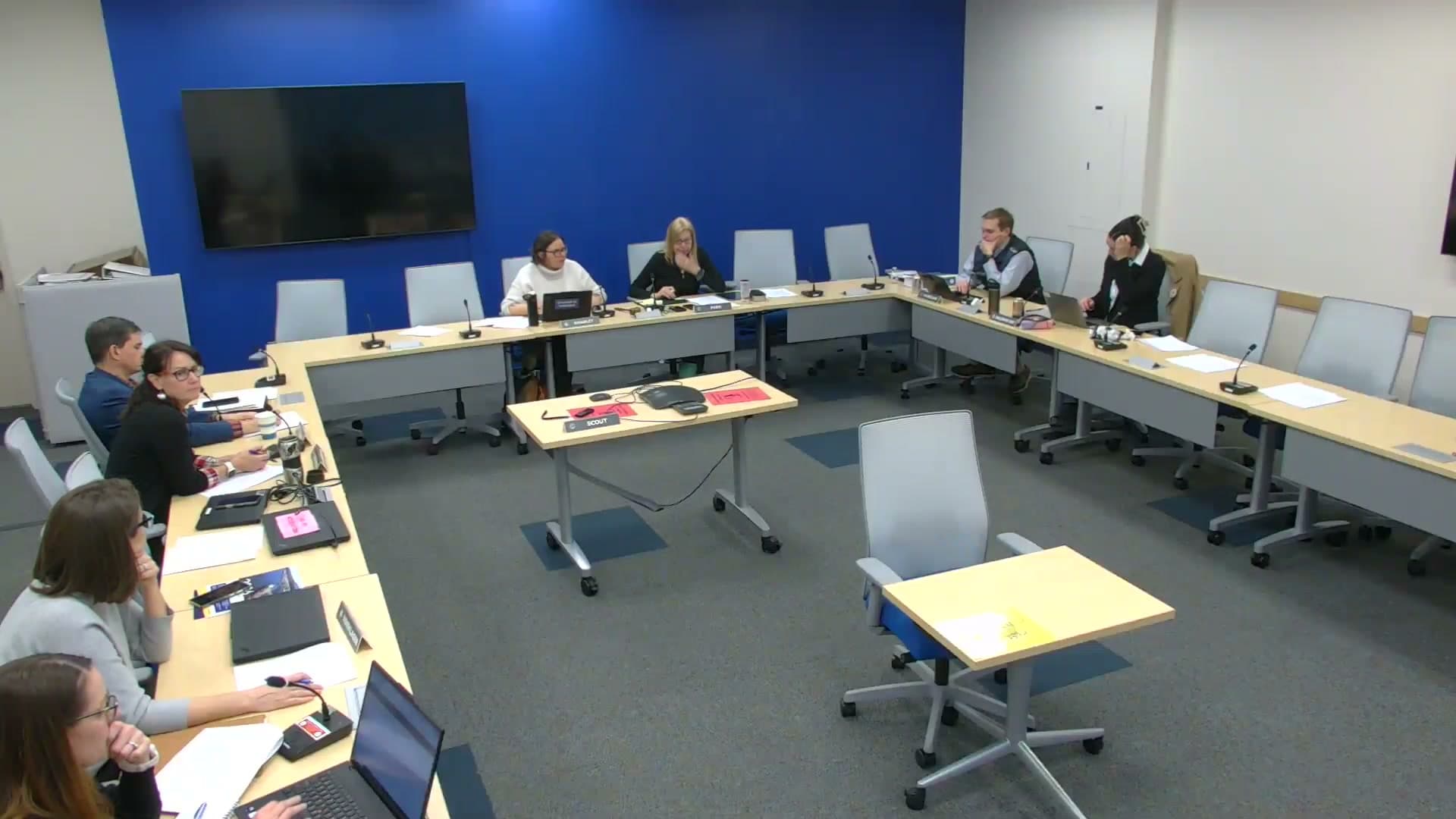
This article is based on a public meeting of International Pacific Halibut Commission — 27th Session of the IPHC Research Advisory Board, Day 1 Part 1.
Watch key moments from the source meeting. Click to expand.



Comments
Sign in to leave a comment.
No comments yet. Be the first to share your thoughts.