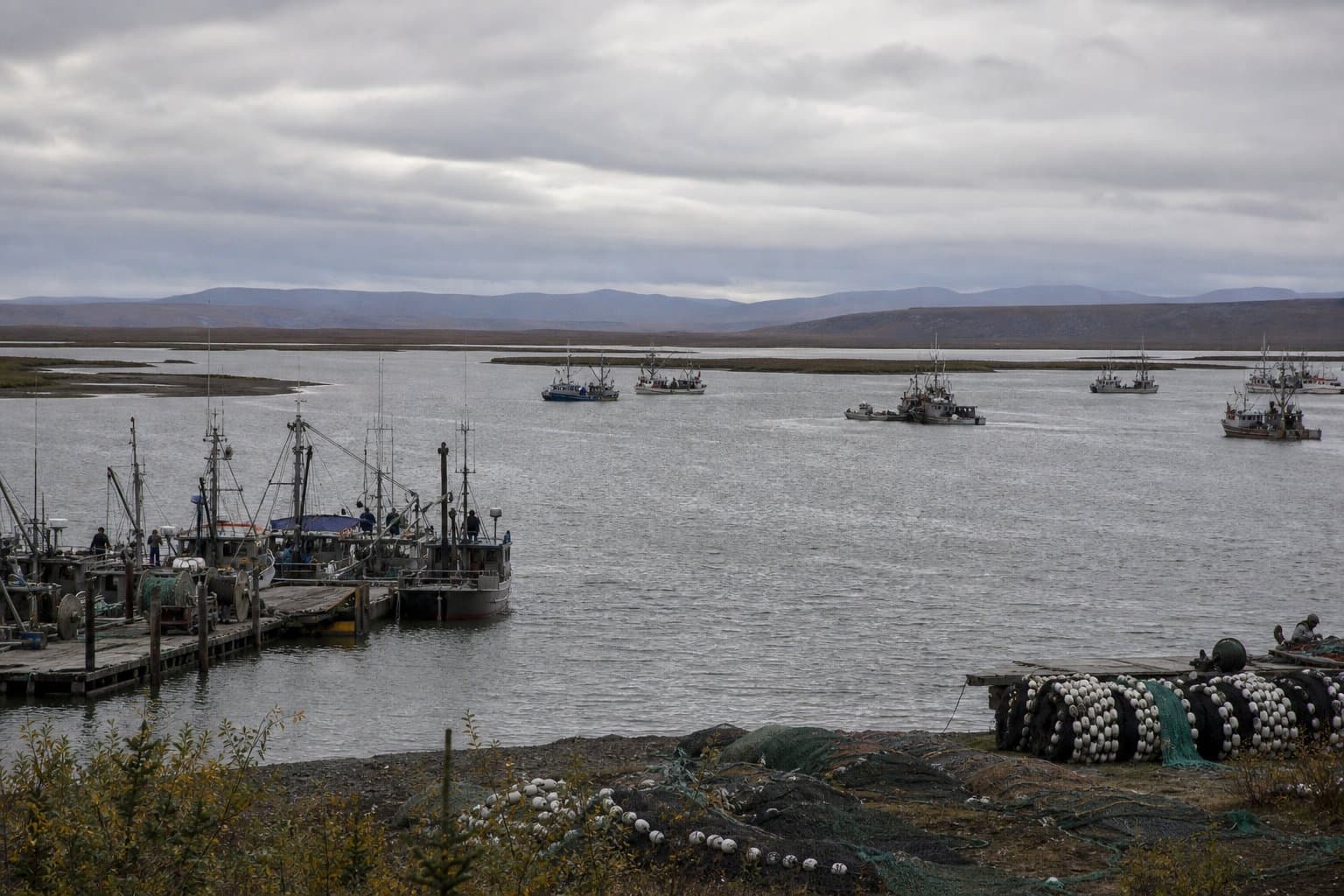
AI image
Bristol Bay's Nushagak opened late this year to protect its king salmon
Edited on September 17, 2026 at 11:52 am: This article was revised to remove unsupported claims about what the conservation plan assumed or failed to consider. The updated language focuses on the documented consequence: delaying the opening shifted economic risk toward the fishing fleet.
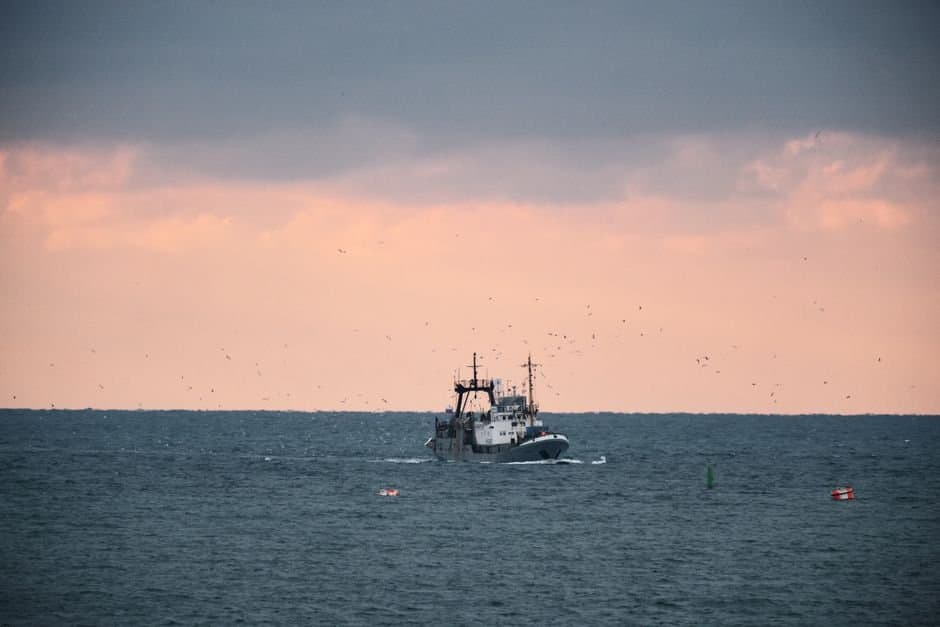
Bristol Bay's Nushagak District opened weeks late this season, and the reason was king salmon, not sockeye.
Through late June, every sockeye harvest in the bay was coming from two other districts, Egegik and Ugashik. The Nushagak stayed closed because of rules meant to protect its Chinook, a run the state has listed as a stock of concern since 2022.
That designation puts a management plan in force, and the Board of Fisheries tightened it last year. It raised the share of the sockeye run that has to show up before Nushagak fishing can start, from 6 to 8 percent on the Nushagak River and from 10 to 12 percent on the Wood River. Higher thresholds mean a later opening, on purpose. The same rules bar permit holders from keeping the kings they catch for their own use, requiring them to be sold or donated to a nonprofit or tribal group.
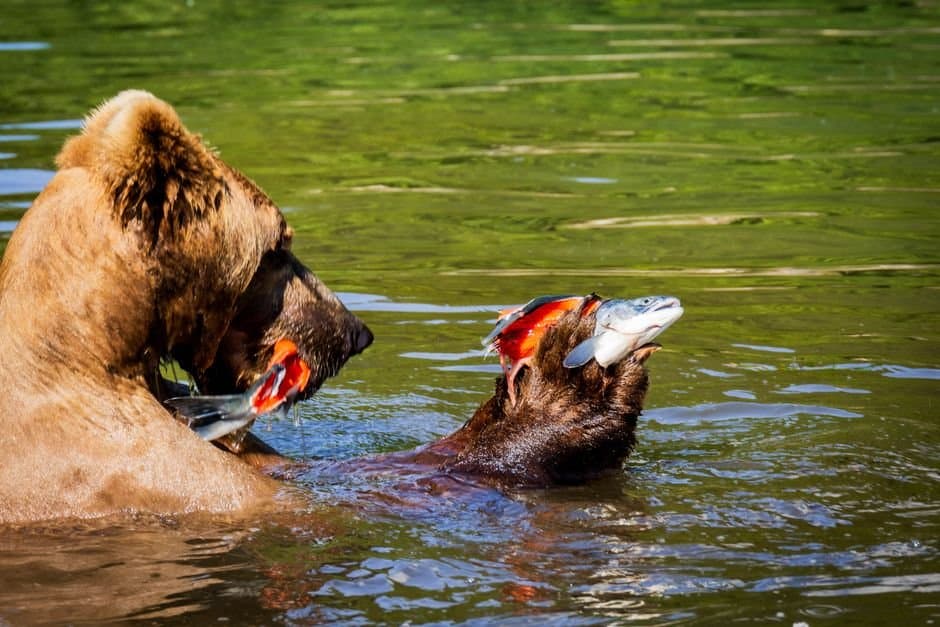
The state's case is that the delay protects a depleted king run while still allowing a sockeye fishery later on. And the Chinook run is in real trouble: the department projected about 38,600 kings would reach the river against a goal of 95,000, roughly 40 percent of it.
But the timing costs fishermen. The Nushagak took 16.6 million sockeye in 2025, the fourth-largest harvest since 2003, and the fleet counts on the first weeks of the run for much of its catch. By tying the opening to king-salmon thresholds, the conservation plan shifts some economic risk toward the fleet when those triggers delay access to the sockeye run. The conservation benefit and fishing cost collide in the same season.
Baywide, the sockeye harvest is running below expectations. The state's preliminary count puts Bristol Bay at 29.7 million sockeye, about 89 percent of the preseason forecast, and at the season's peak the catch ran 40 percent below the year before.
Source: Bristol Bay 2026 sockeye harvest reaches 29.7 million fish, 92% of preseason forecast.
Made by our human newsroom with AI. How humans and AI work here · Grow with our newsroom
Stay informed. Support what matters.
Free local news you can verify. Support Bill AlaskaNews and go ad-free.




Comments
Sign in to leave a comment.
No comments yet. Be the first to share your thoughts.