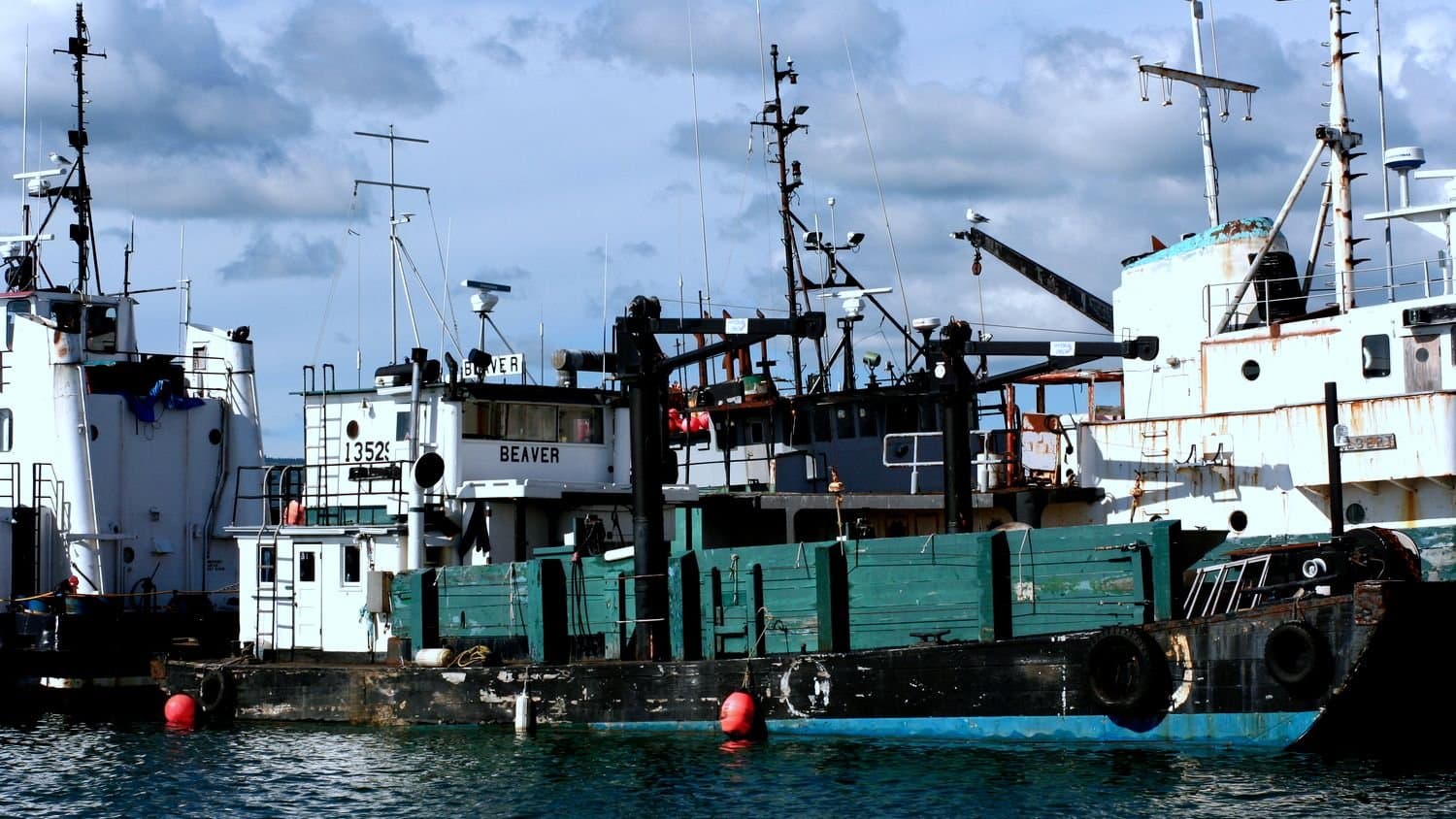
Photo: Isaac Wedin via Wikimedia Commons · Photo source · CC BY 2.0
Federal managers close Central Gulf cod to longline boats under 50 feet Monday
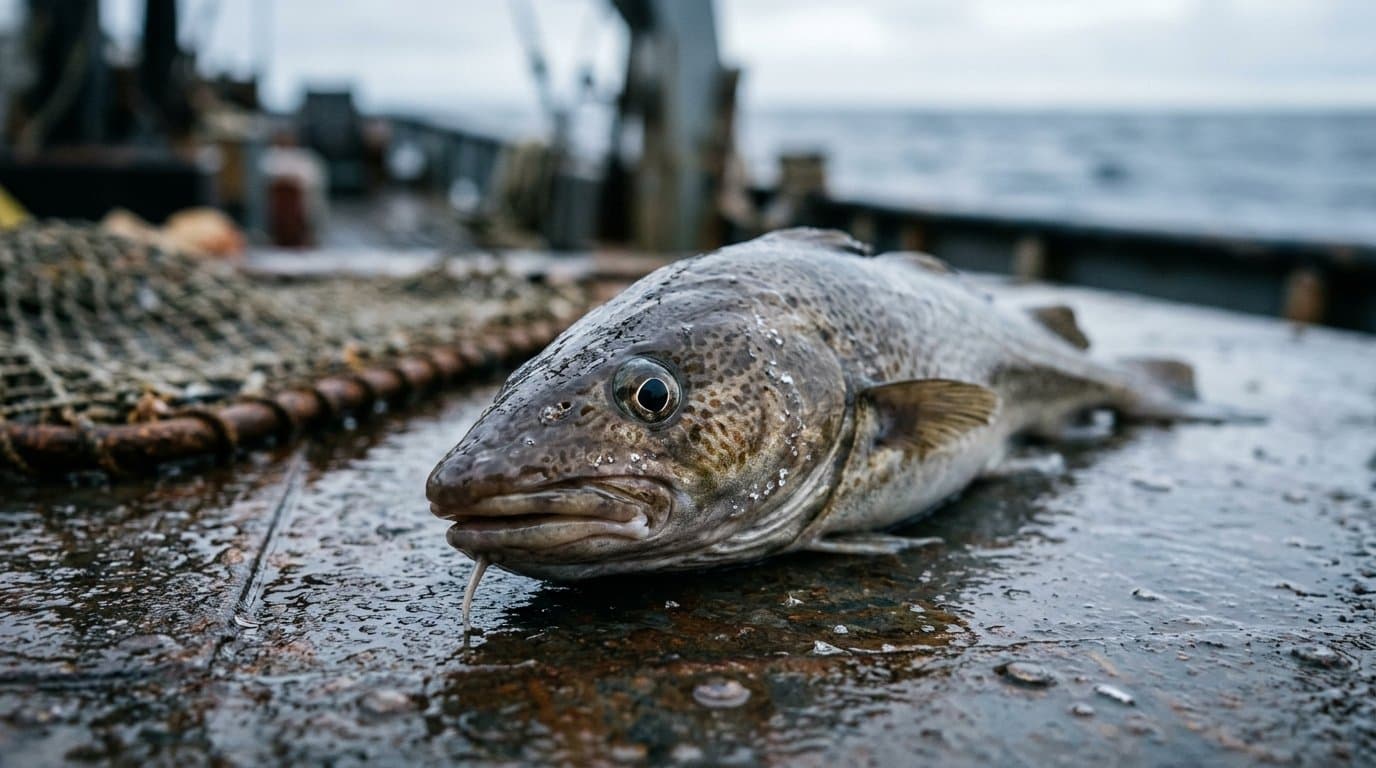
Federal fishery managers will close the Central Gulf of Alaska Pacific cod fishery to hook-and-line catcher vessels under 50 feet at noon Monday, Nov. 30.
The National Marine Fisheries Service said the closure is needed to keep the small-boat longline fleet from going over its 2026 catch limit. Its 2026 allocation was 3,021 metric tons of cod, about 6.7 million pounds: 1,927 tons in the A season and 1,094 tons in the B season. By Nov. 1 it had caught 2,708 tons, or 90%, according to the agency's year-end inseason report.
Thirty-nine small longliners targeted Central Gulf cod this year, up from 28 in 2025, the report shows. The fleet fishes out of Kodiak, Homer and other Central Gulf ports.
After the closure, those boats may keep cod only up to the maximum retainable amounts, a limited share of the other fish they catch on a trip, according to the agency's bulletin. State waters in Cook Inlet and Prince William Sound close to them at the same hour. The Alaska Department of Fish and Game runs parallel seasons there that open and close with the federal one.
Their next season opens Jan. 1. Under federal rules, the A season runs through June 10. Limits already in regulation give the fleet 1,495 tons for it, part of 2,343 tons for 2027, according to the 2026 harvest specifications. This year's A season closed Feb. 15.
The small boats are among the last Central Gulf cod fleets to close this fall. NMFS closed hook-and-line boats 50 feet and over on Sept. 1, pot boats on Oct. 7 and trawl catcher vessels outside the Rockfish Program on Oct. 21. All three stay closed through Dec. 31.
What the fleet gets for all of 2027 is not settled. A proposed rule for 2027 and 2028, set for publication Monday, would give the fleet 2,319 tons a year, about 23% below 2026. Most of that drop follows the proposal's lower Central Gulf limit of 16,717 tons, based on last year's cod assessment. The rest would come from a larger share for jig boats, 5% of the limit instead of 4%.
Scientists now recommend a Gulf cod ceiling about 30% higher than the one the proposal uses. Under that recommendation, the Central Gulf federal limit would be 21,765 tons in 2027, a little above this year's 21,549, according to council tables.
The North Pacific Fishery Management Council is scheduled to take up final limits Dec. 7 and 8 in Anchorage. The final rule, which NMFS expects in March, will replace the 2027 numbers the fleet starts the year with.
What did you make of this story? (no account needed)
Made by our human newsroom with AI. How humans and AI work here · Grow with our newsroom ·
Keep Alaska News free for everyone.
No paywall, ever. Members pay so everyone can read the meetings and records Alaska News covers.
Get Alaska News in your inbox
Create your free account and get the day’s top stories around 6 each morning, in a few minutes’ read.
Top stories, around 6 each morning.
Stories on what you follow, on Sundays.
Source: NOAA Fisheries Alaska Region information bulletins, Federal managers close Central Gulf cod to small hook-and-line boats at noon Monday, Nov. 30.




Comments
Sign in to leave a comment.
No comments yet. Be the first to share your thoughts.