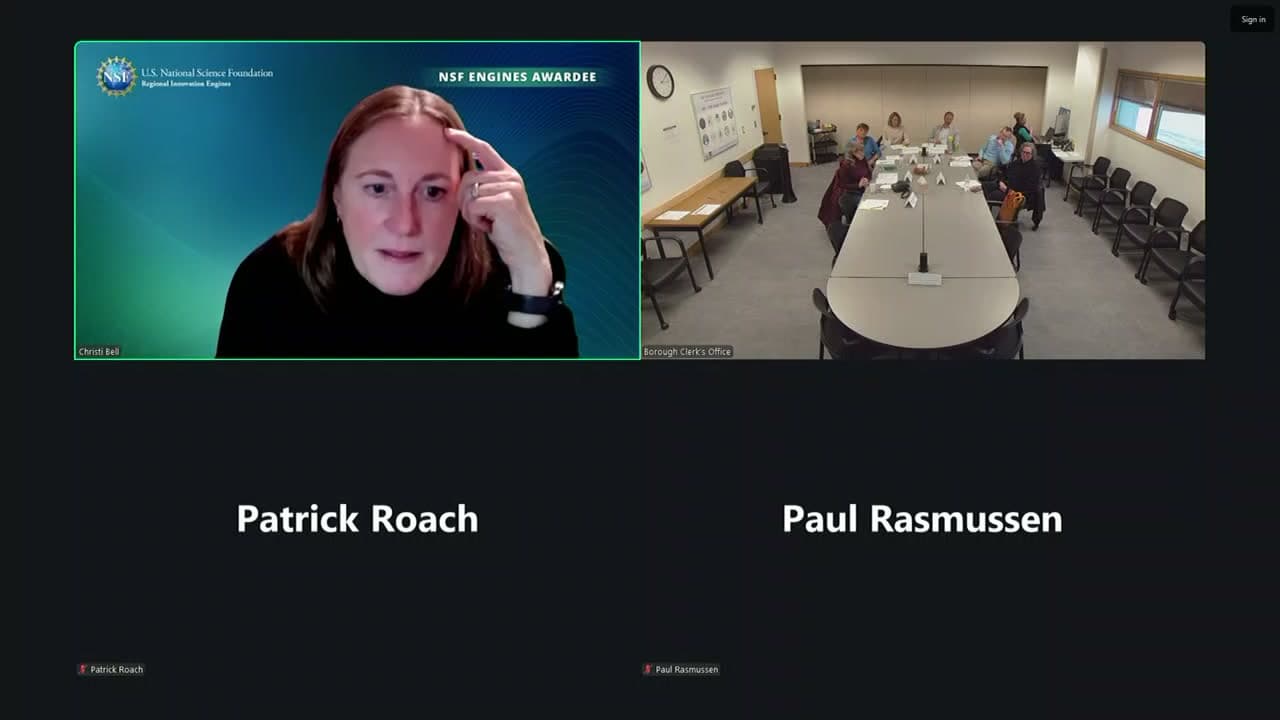
Frame from "Fairbanks Borough: Special Economic Development Commission Meeting, 2026-11-20" · Photo source
Fairbanks borough commissioners ask what UAF's minerals project gives back
Fairbanks North Star Borough commissioners asked Friday what the borough and the state get back from a University of Alaska Fairbanks minerals project that could draw up to $160 million in federal money.
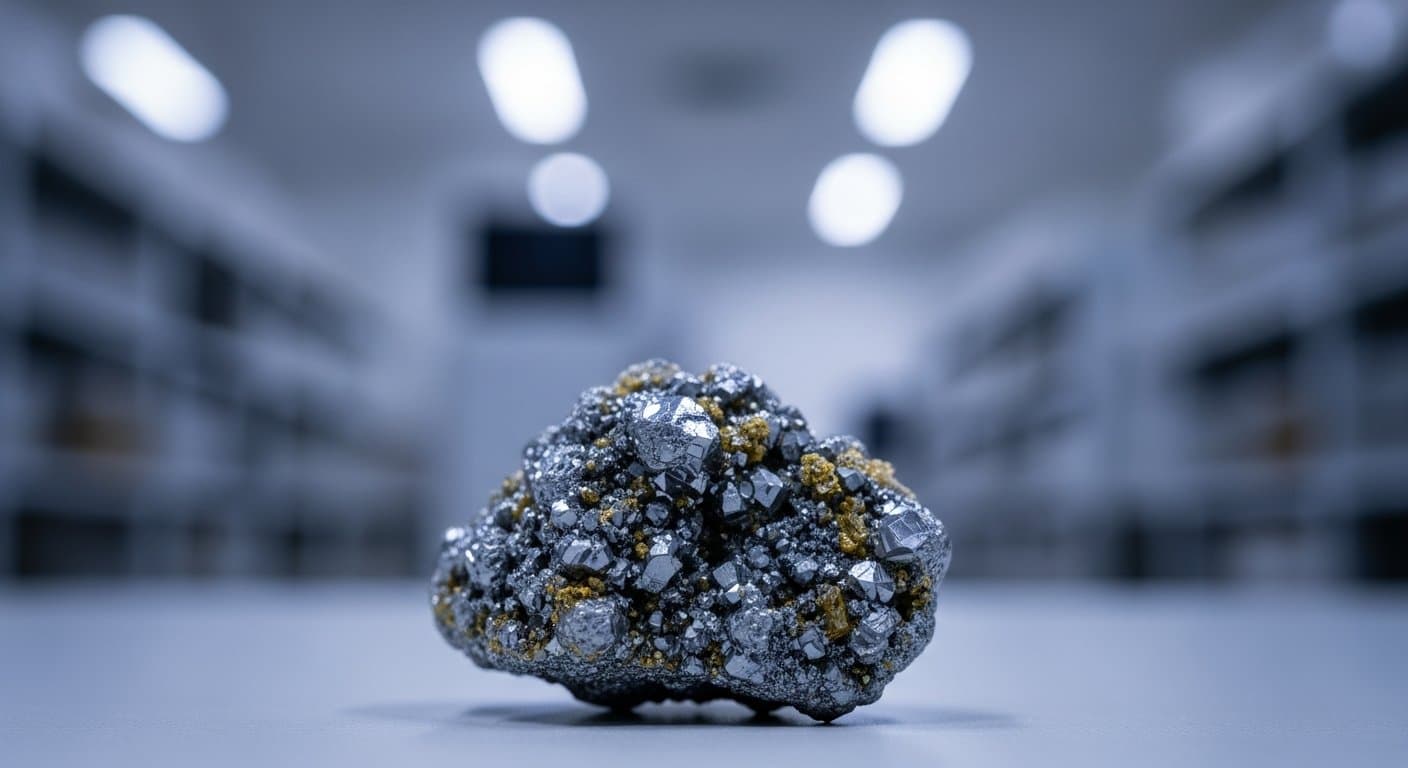
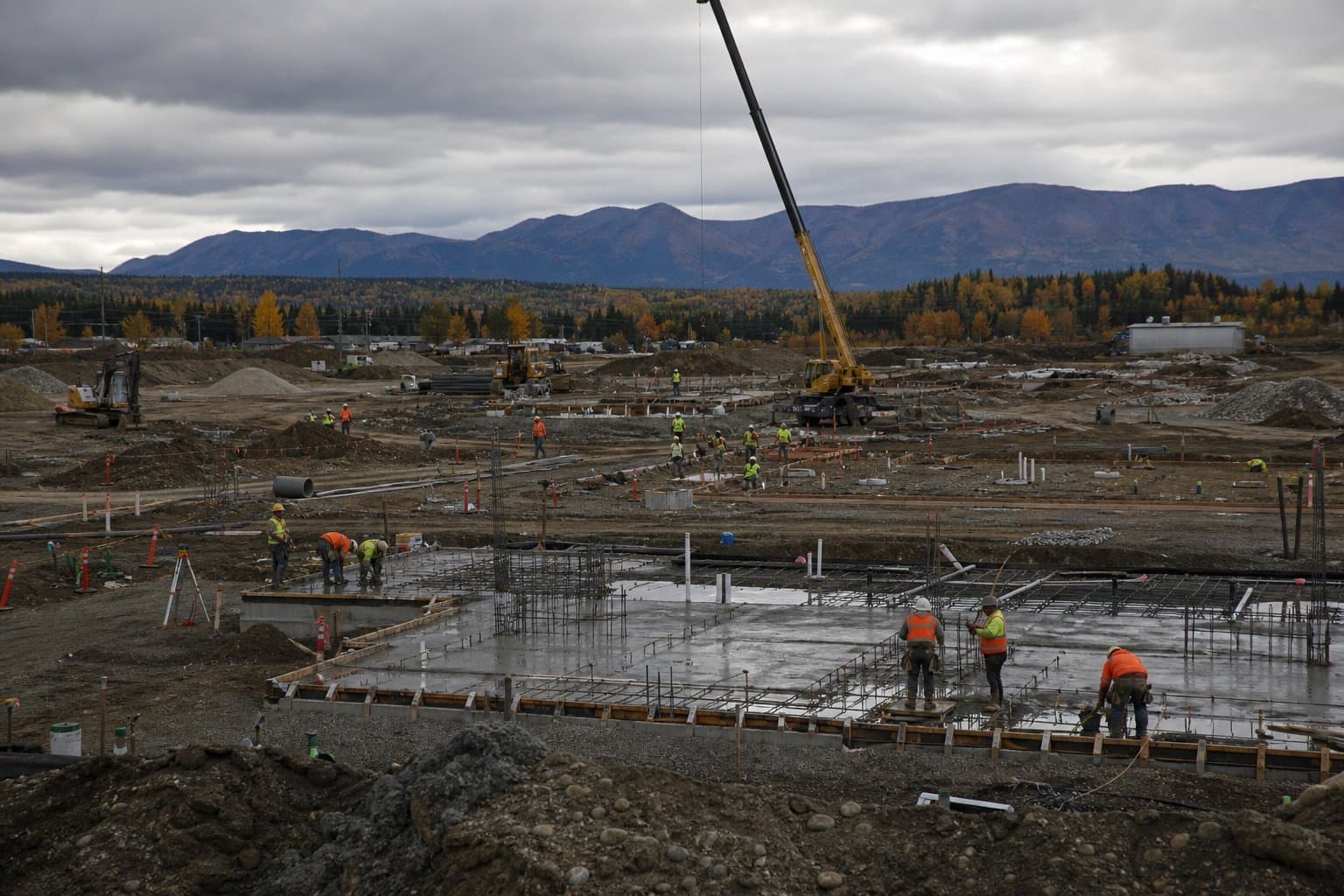
The project is one of the National Science Foundation's "innovation engines." This one works with mining companies to recover critical minerals such as antimony and germanium, mostly from mine waste. Christi Bell, the engine's chief operating officer, told the borough's Economic Development Commission that it will not open new mines. At Teck's Red Dog mine, she said, it is testing ways to extract germanium from waste material.
The money arrives in stages, Bell said: $7.5 million a year for the first two years, then $15 million a year in years three through five and $20 million a year in the final five. The later money comes only if NSF determines the engine has met milestones such as building a team and putting new technologies to use. NSF has ended some earlier engines, she said. The award, announced in July, runs from August 2026 through July 2036, according to the NSF award record.
Commissioner Sue Sprinkle, a Fairbanks City Council member, pointed to internationally owned miners such as Kinross. "If we're going to use tax dollars, you know, it just, it makes me itch when I think that some other international company is going to benefit from that," she said. Bell responded that while some partners are international, the ones the engine has worked with more directly "are very committed to building wealth here in Alaska."
Kinross is not on the engine's partner list, which includes Red Dog, Northern Star Resources, Nova Minerals, Graphite One and MDF Global. Bell said Kinross had not yet expressed interest.
The engine does not write checks to mines or go looking for them, Bell said; mines come forward with a problem and commit resources to solving it.
Sprinkle also raised the wear mine trucking puts on local roads and said the borough needs to be paid for it. Bell suggested the borough bring the problem to the engine as a project. She said she could not promise anything but proposed forming a small work group for the engine's third through fifth years.
On the university's own return, Bell said UAF adds a 55% facilities and administrative charge, its overhead, which brings in about $1 million to $1.7 million a year. She said the engine is tasked with returning 10 times the NSF money through new businesses and investment.
Vice Chair Kimberly McGinnis asked how many jobs would begin with researchers in the Interior. Bell said she did not yet have a firm answer. On job training, she said the engine's first two years focus on identifying mining jobs and career paths; later years bring additional funding for training the mines say they need.
What did you make of this story? (no account needed)
Made by our human newsroom with AI. How humans and AI work here · Grow with our newsroom · Transcript byLucas Brown
Keep Alaska News free for everyone.
No paywall, ever. Members pay so everyone can read the meetings and records Alaska News covers.
Get Alaska News in your inbox
Create your free account and get the day’s top stories around 6 each morning, in a few minutes’ read.
Top stories, around 6 each morning.
Stories on what you follow, on Sundays.
This article is based on a public meeting of Fairbanks North Star Borough — Fairbanks Borough: Special Economic Development Commission Meeting, 2026-11-20 ().
Watch key moments from the source meeting. Click to expand.





Comments
Sign in to leave a comment.
No comments yet. Be the first to share your thoughts.