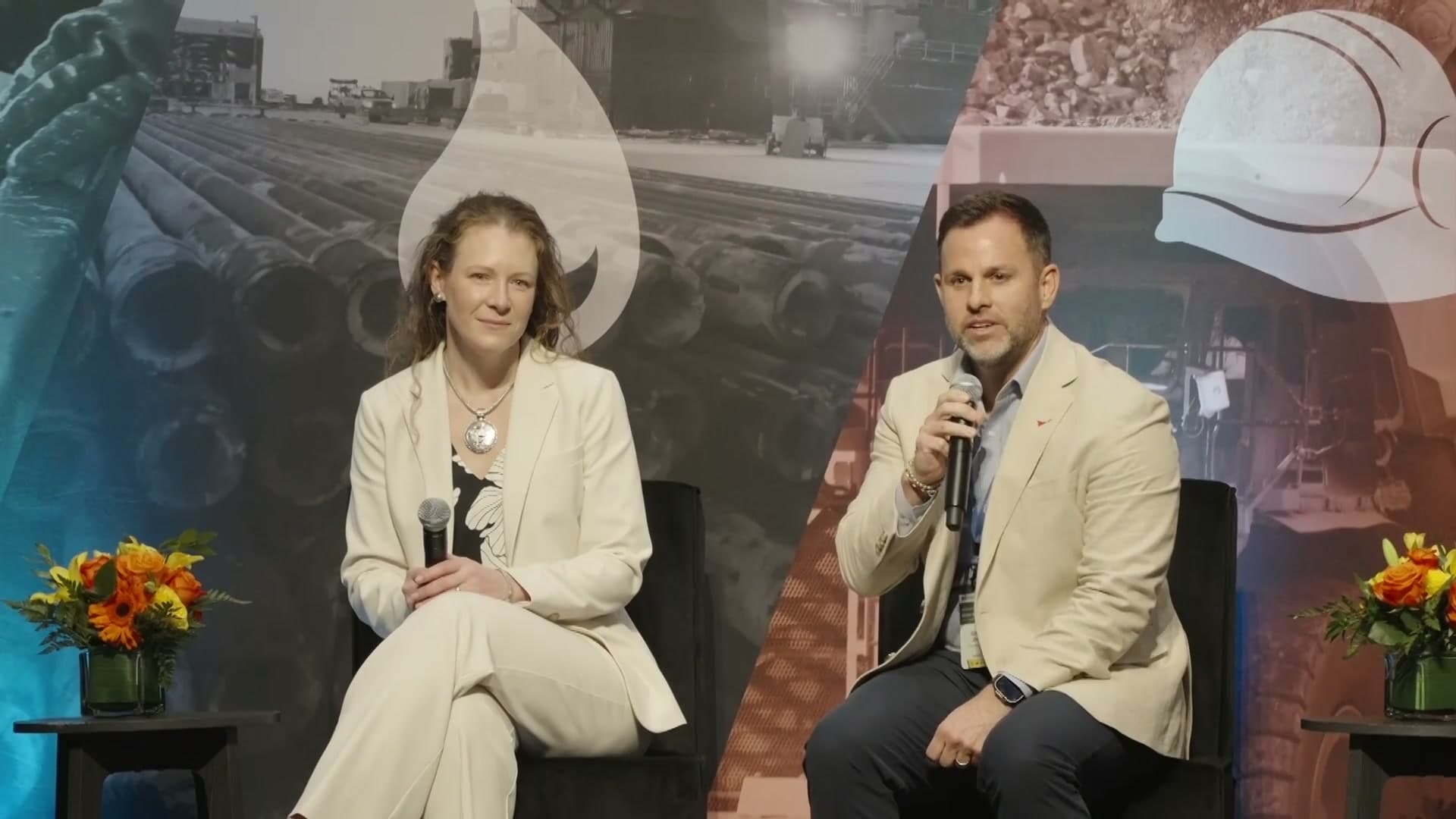
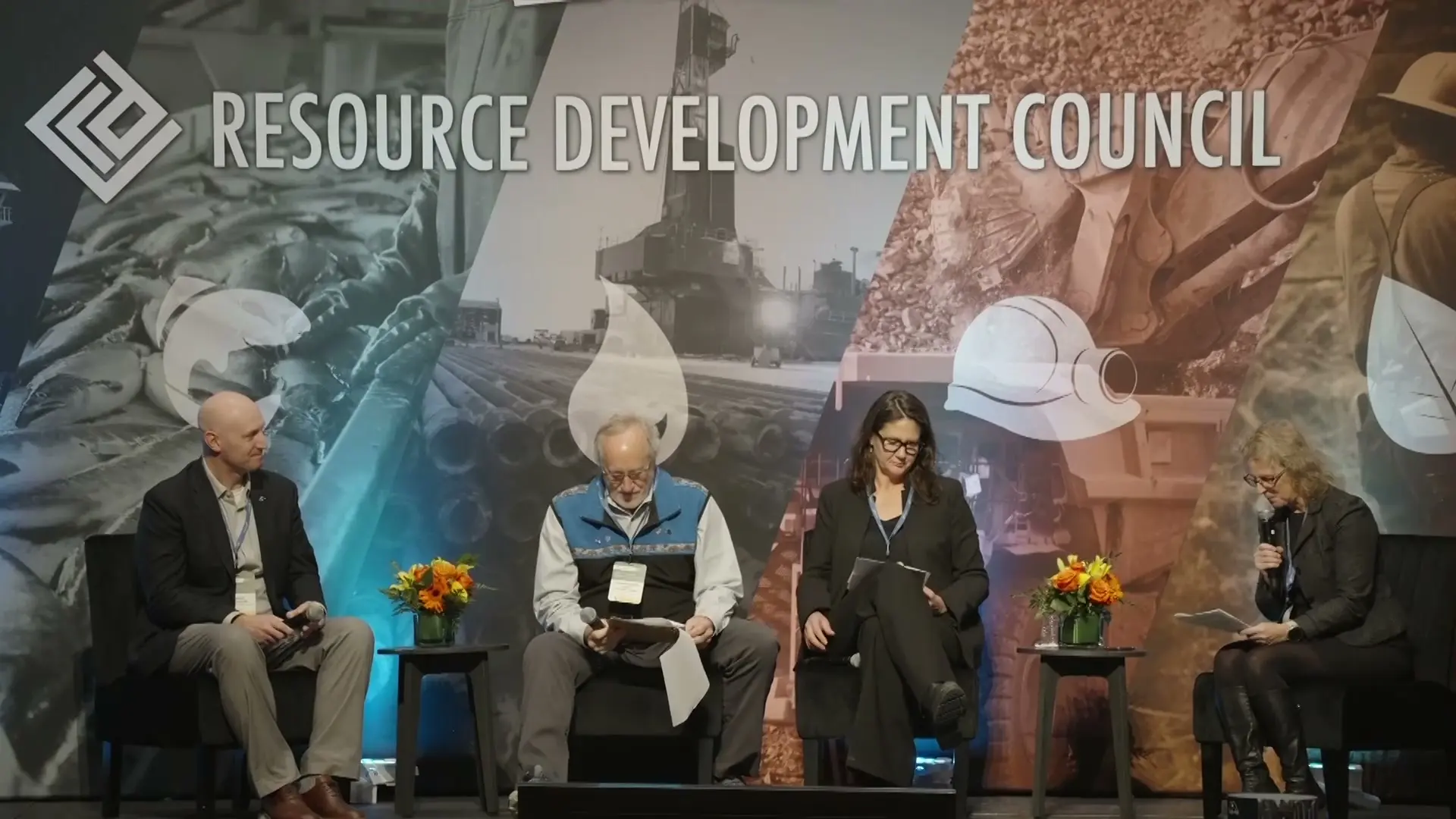
Frame from "RDC: AI Technology in Resources Panel.mp4" · Photo source
ConocoPhillips' Alaska tech chief says AI will change jobs, and that it should
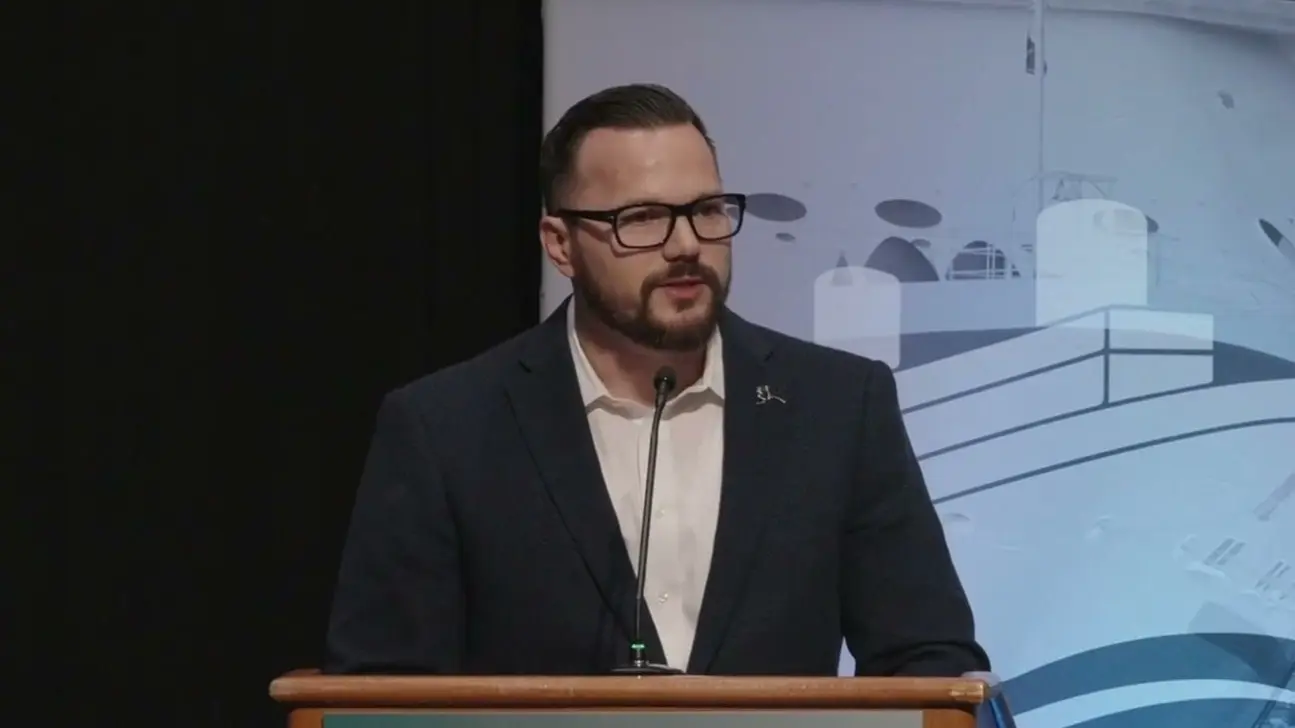
The chief information officer of ConocoPhillips Alaska told a resource industry conference in Anchorage on Nov. 11 that artificial intelligence is going to change jobs, and that it should.
Randy John brought up what he called "the elephant in the room," the worry that "AI is coming after my job." Things will change, he said, and "they should."
John said AI should take over work like writing reports. "You didn't go to engineering school, right, to write reports when you come in every morning," he said. "We want engineers to be engineers. We want a reservoir engineer engineering the reservoir." AI can't make judgment calls or safety calls, he said, and it can't build relationships.
John spoke on a panel at the Resource Development Council for Alaska's annual conference at the Dena'ina Center in Anchorage, with Shelly Thomas, AI program manager at ASRC Energy. Alaska struggles to produce enough people for all its needs, Thomas said, and workers put in long hours on tasks they know are "not the best use of their brain." John said AI "is going to change the game" on problems raised earlier at the conference, such as permitting and the lack of people.
The state labor department, in its job projections published in October, projects oil and gas employment rising 12.2% over the decade to 9,996 jobs in 2034. AI "will touch much of Alaska's labor force over the next decade," the department wrote, but it's "still too early to predict the magnitude of the change."
John came to Alaska from Houston about a year ago. He said people kept telling him there's no such thing as bad weather, only bad gear. Once his family got the gear, they ended up lying in the snow one night watching the northern lights. "AI is that gear," he said.
Data scares a lot of companies, he said. "If you wait for your data to be figured out, you will never get started because your data is never going to be perfect." Cleaning it up takes "a lot of time and it's a lot of money," he said. ConocoPhillips did that work in an effort it called NextGen, so that, for example, "Alaska," "alaska" and "AK" all count as the same thing. One AI project can run on messy data, he said, but not 20 or 40. "Nobody's out there clapping for data work," he said.
Both panelists said people have to check what AI produces. AI "is very confident that it is correct," John said, comparing it to a map app giving the wrong directions to Moose's Tooth, when "you're like, I know that's not how to get to Moose's Tooth." "You can't just have your AI working in a black box," Thomas said. Subject matter experts have to stay involved and watch the data closely to catch when things go wrong, she said.
Alaska companies should also plan for losing connectivity, John said, and anything critical or safety-related that runs on AI needs a backup plan. He said banning AI doesn't work, because employees will use it on their phones, "maybe they have to go out to the parking lot to do it," so companies should give them a secure platform instead. He also told companies to read their vendor contracts, because "a lot of your vendors" are using company data to build their own models.
What did you make of this story? (no account needed)
Made by our human newsroom with AI. Reviewed by Cale Green. How humans and AI work here · Grow with our newsroom · Transcript byWalter AlaskaNews
Keep Alaska News free for everyone.
No paywall, ever. Members pay so everyone can read the meetings and records Alaska News covers.
Get Alaska News in your inbox
Create your free account and get the day’s top stories around 6 each morning, in a few minutes’ read.
Top stories, around 6 each morning.
Stories on what you follow, on Sundays.
This article is based on a public meeting of Resource Development Council for Alaska — RDC: AI Technology in Resources Panel.mp4 ().
Watch key moments from the source meeting. Click to expand.











Comments
Sign in to leave a comment.
No comments yet. Be the first to share your thoughts.