AI image
Alaska hosts mining careers session as nonresident share of mine jobs hits a record
The Alaska Department of Labor and Workforce Development is holding an online session Nov. 24 for Alaskans curious about mining careers. Metal mining jobs pay nearly twice the statewide average, and a growing share of them go to nonresidents.
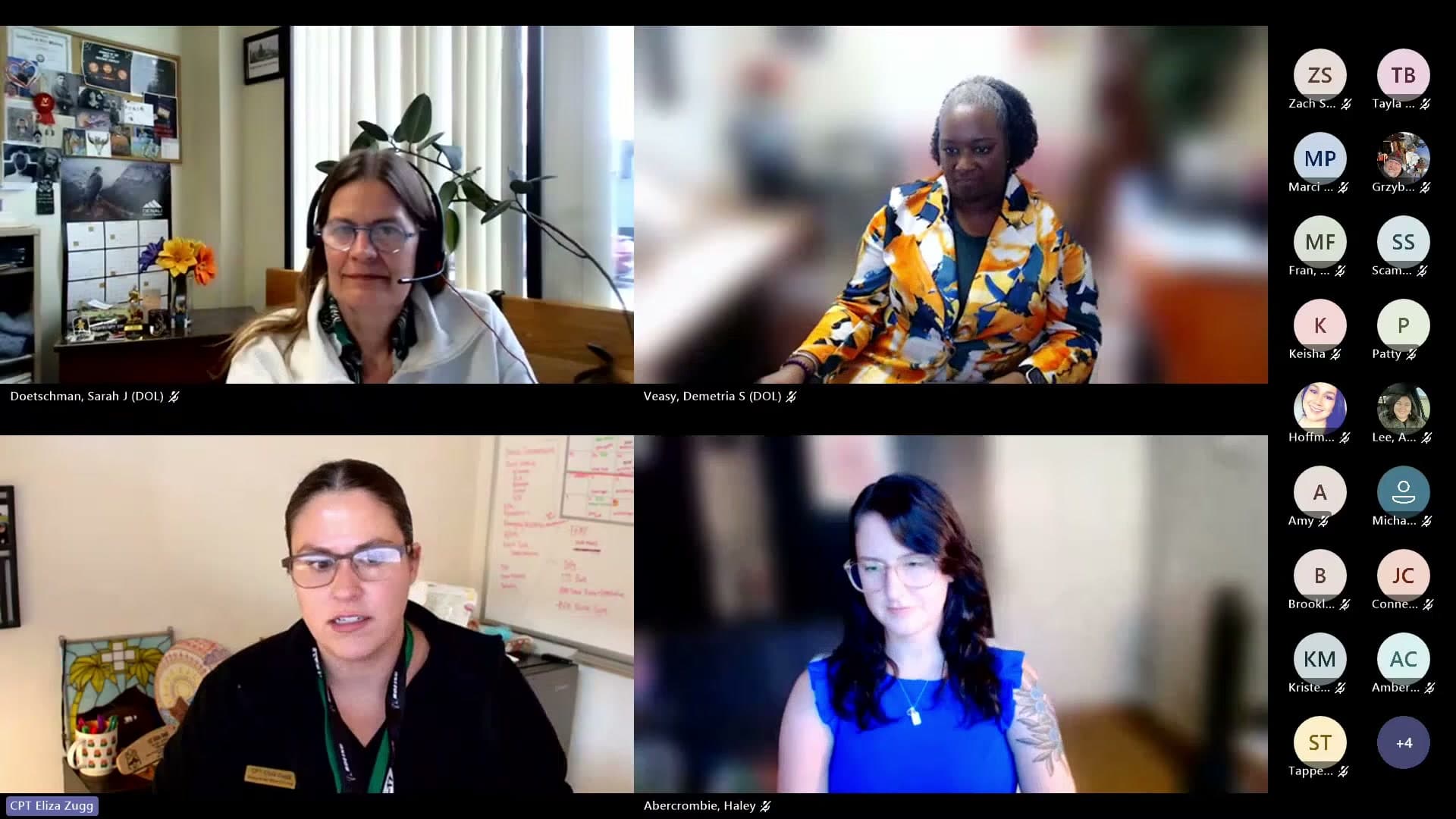
The Lunch & Learn runs from noon to 1 pm on Microsoft Teams. It covers jobs including underground driller, mining engineer, underground miner, heavy equipment operator and remote camp work, and participants can ask questions and meet people working in the industry, according to the department's flyer. It's listed on the department's job fairs and workshops page.
Alaska's metal ore mines averaged 3,501 jobs in 2025, with an average monthly wage of $11,445, according to the department's annual employment and wage data. The average across all Alaska jobs was $6,216 a month.
In 2024, 44% of Alaska's metal mining workers were nonresidents, a record for the fourth year in a row, according to the department's Nonresidents Working in Alaska report. Nonresidents earned about 43% of the industry's wages. The report counts workers as residents if they applied for a Permanent Fund dividend in either of the two most recent years, so people who recently moved to Alaska show up as nonresidents.
The industry added workers for an eighth straight year in 2024, but nonresidents accounted for the growth; the number of nonresident workers rose by 122 while the number of residents fell by 116.
The share varies by area. About 60% of metal mining workers were nonresidents in Juneau, home to the Greens Creek and Kensington mines, and in the Southeast Fairbanks Census Area, home to the Pogo and Manh Choh gold mines. In the Northwest Arctic Borough, home to the Red Dog Mine, it was 31%. In the Fairbanks North Star Borough, where the Fort Knox Gold Mine is, most mining workers are locals; 18% were nonresidents.
Several jobs on the session's list are mostly filled by nonresidents. About 72% of the industry's earth drillers, 58% of its mining and geological engineers and 52% of its underground mining machine operators were nonresidents in 2024. Among surface mining equipment operators, it was 23%.
The report says nonresidents are most common in jobs with remote work sites, unusual schedules or highly specialized skills. Across mining and oil and gas combined, nonresidents made up 41% of workers in 2024 and took home $713 million in wages.
In August, Hecla was hiring for six jobs at Greens Creek, from mining engineer to mill operator.
What did you make of this story? (no account needed)
Made by our human newsroom with AI. Reviewed by Cale Green. How humans and AI work here · Grow with our newsroom ·
Get Alaska News in your inbox
Create your free account and get the day’s top stories around 6 each morning, in a few minutes’ read.
Top stories, around 6 each morning.
Stories on what you follow, on Sundays.
Based on a press release from Alaska Department of Labor and Workforce Development.







Comments
Sign in to leave a comment.
No comments yet. Be the first to share your thoughts.