AI image
Commission that investigates Alaska judges is drafting a public records policy
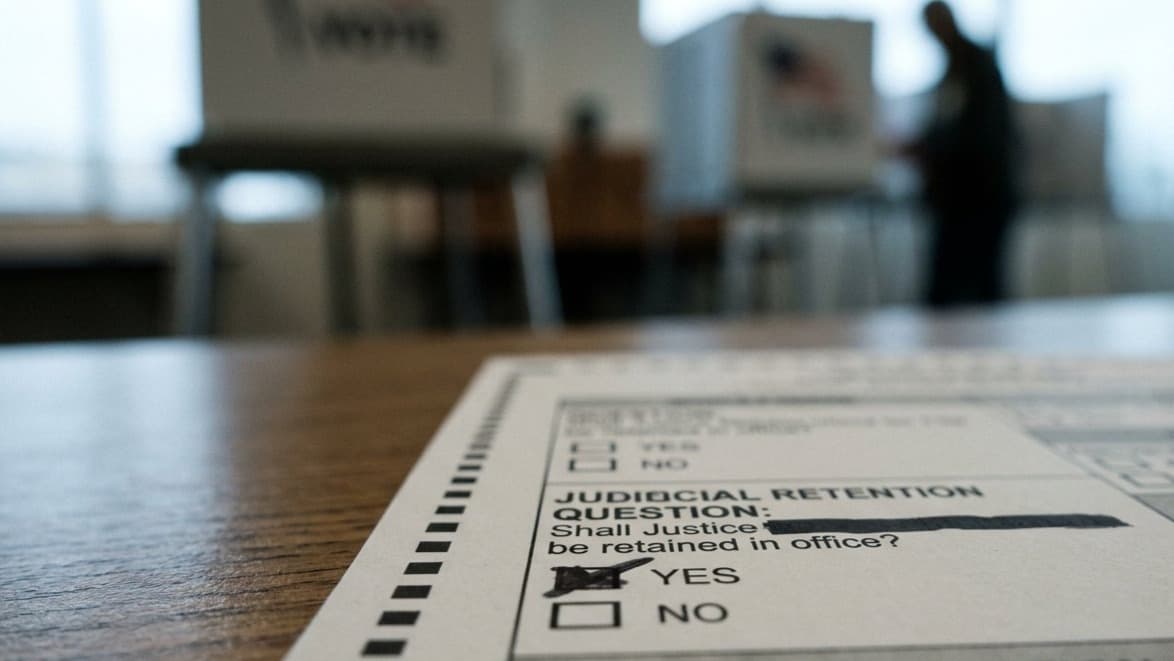
The state commission that investigates complaints against Alaska judges is writing a policy for how it answers public records requests, and the work is on its agenda for Friday, Dec. 4.
A committee of three commissioners has been writing it since September, and the meeting packet says it's still drafting.
State law keeps the Alaska Commission on Judicial Conduct's proceedings and records confidential, with a few exceptions. Once the commission files formal charges, only the charges, the hearing and its final decision become public.
Former Nome Superior Court Judge Romano DiBenedetto's case is one that became public. On Nov. 17, the commission voted unanimously to recommend the Alaska Supreme Court remove him; its filing says he admitted violating the judicial conduct code and agreed to accept that recommendation.
Executive Director Michael Schwaiger, who took over in June, proposed the records policy in a Sept. 18 memo. He wrote that records requests usually can be answered by pointing to public documents or existing rules.
"But recent informal statements to the commission and staff about public records and recent litigation over public records at the Alaska Judicial Council suggest a growing need for a specific rule or written policy," he wrote.
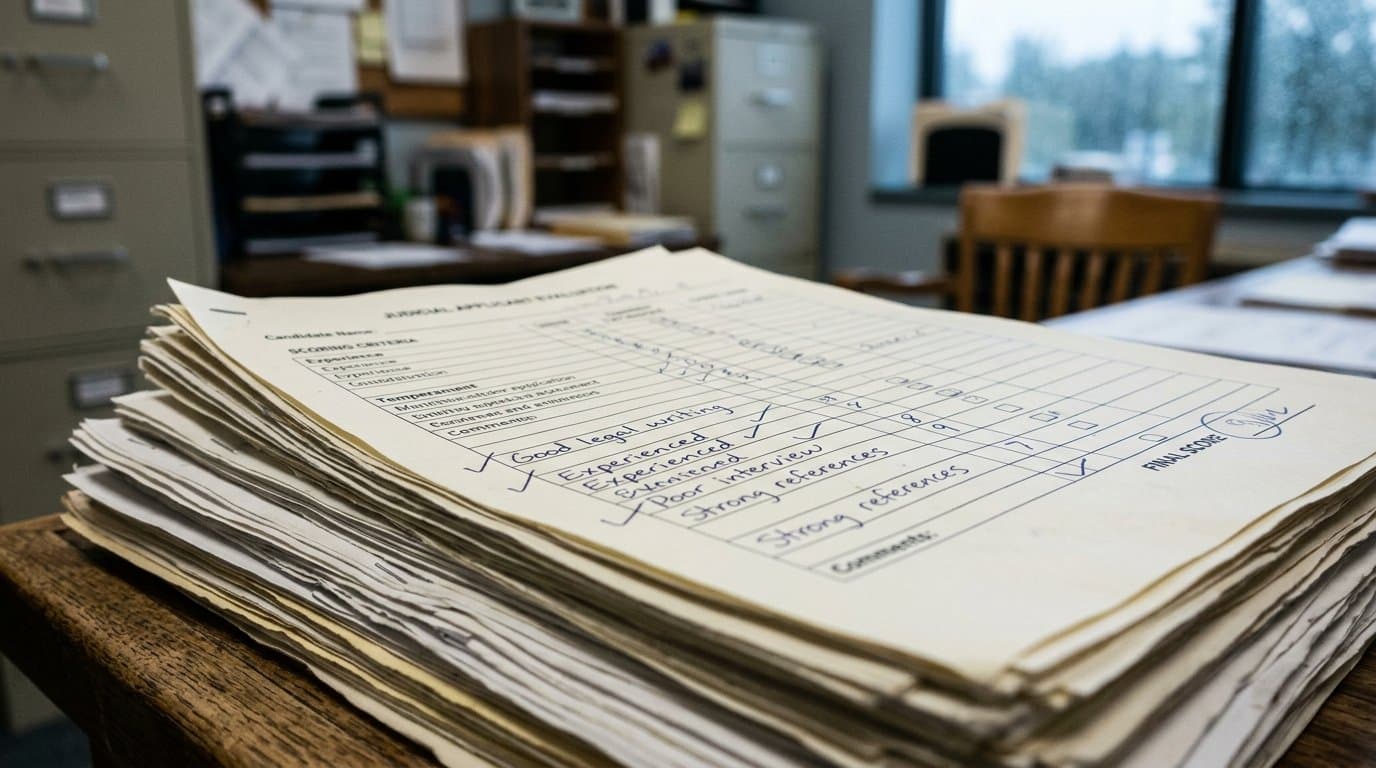
That litigation is a lawsuit America First Legal Foundation filed Sept. 2 seeking records on how the Judicial Council scores judicial applicants. The council, a separate body that screens applicants and nominates judges, has asked the court to dismiss it.
The commission set up the committee Sept. 21 with a judge, an attorney and a public member, as Schwaiger asked, draft minutes show. Those are the three groups that make up the nine-member commission.
Commissioners will also come back to two proposed rule changes from September. One would call what the public says at meetings "public comments" instead of "public testimony," because speakers swear no oath, Schwaiger wrote. The other would write into the rules that the public can attend by video or phone.
The commission already has the public take part only that way, and Schwaiger recommended keeping it. He cited travel costs for people outside Anchorage, security and not having to clear the room before closed sessions.
People who sign up by 4 pm Thursday, Dec. 3, can speak for three minutes each, though not about complaints against judges.
What did you make of this story? (no account needed)
Made by our human newsroom with AI. Reviewed by Cale Green. How humans and AI work here · Grow with our newsroom ·
Keep Alaska News free for everyone.
No paywall, ever. Members pay so everyone can read the meetings and records Alaska News covers.
Get Alaska News in your inbox
Create your free account and get the day’s top stories around 6 each morning, in a few minutes’ read.
Top stories, around 6 each morning.
Stories on what you follow, on Sundays.
Source: Alaska Commission on Judicial Conduct.









Comments
Sign in to leave a comment.
No comments yet. Be the first to share your thoughts.