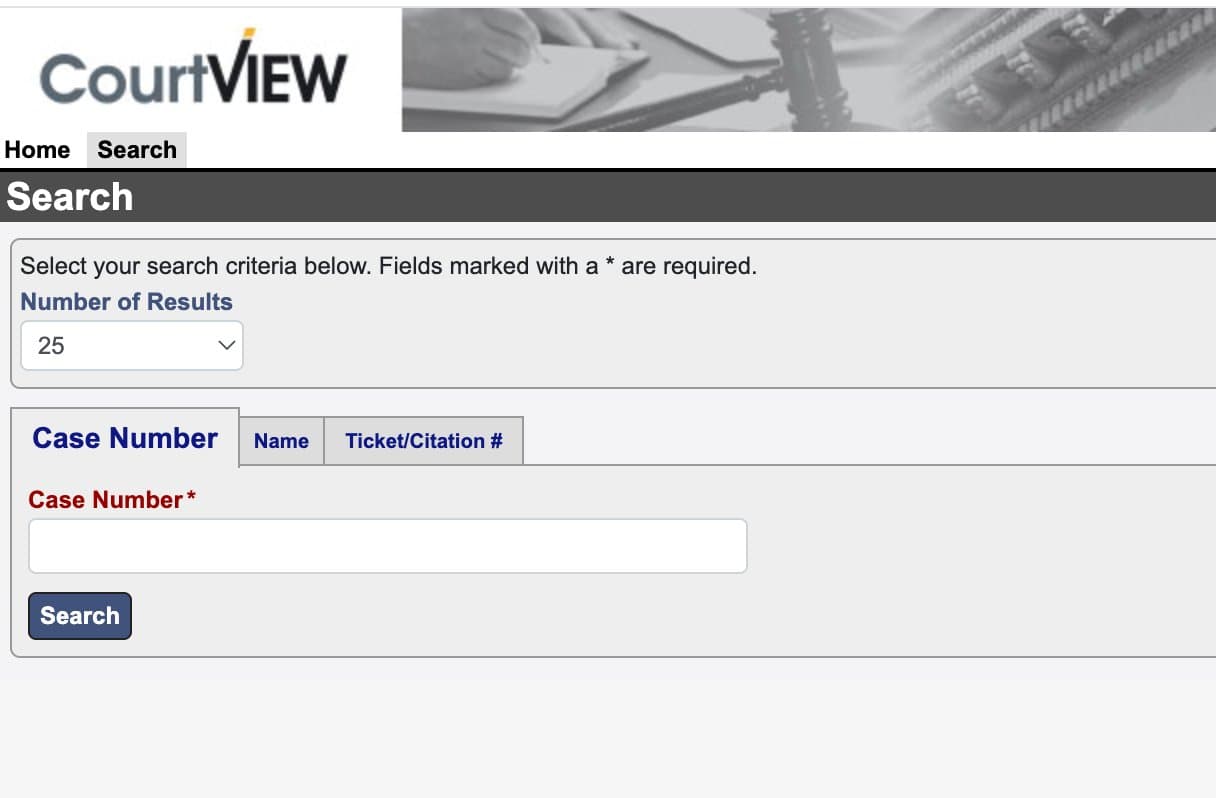
Alaska Supreme Court weighs taking more eviction cases off CourtView
Eviction cases would come off CourtView, the court system's public website for looking up cases, under a proposal the Alaska Supreme Court is weighing. The court is taking comments through Monday, Dec. 7.
The court system already keeps eviction cases off the site if they closed after Jan. 1, 2023, without a judgment of possession, the ruling that gives a landlord the property back. Under the proposal, a case that ended with that judgment would come off three years after it closes. The rule would also apply to cases that closed before 2023.
A case that closes without a judgment would come off 30 days after it closes. The current provisional rules, in Administrative Bulletin 98, set no waiting period for those cases. Two kinds of cases would stay online: one that has been reopened, and one with a writ of execution issued in the last five years. That is a court order to take property to pay a judgment.
The proposal covers only the index on the court system's website. Under current court rules, public court records are open to inspection during courthouse office hours. A 2024 report by the National Center for State Courts said eviction records hidden under the 2023 rules are available only if requested in person at the courthouse. The proposal does not address the court system's monthly list of eviction filings, which names the parties.
The court system's Access to Justice Services proposed the change. The court's notice relays a comment from an entity it does not name. That comment said a public eviction case can be a barrier to housing whatever its outcome, and that the punitive effect of a public eviction record exceeds the public's legitimate interest in it.
A second proposal would make permanent nearly the same requirements landlords have had under the bulletin since 2023. Landlords give tenants a court resource sheet with the notice to quit, the written warning before an eviction suit, and a second sheet after filing. They also give the court any phone numbers and email addresses they know for adult tenants, on a confidential form. In housing it owns, maintains and rents out, Alaska Housing Finance Corporation gives its own sheet at least seven days before filing.
A landlord who skips a sheet would have to explain why at the hearing. A judge could grant any remedy the law or court rules allow, including a delay of up to two days. The court's Civil Rules Committee voted unanimously for these requirements, the notice says. It reports no committee vote on the CourtView change.
The 2023 rules were written for an eviction diversion program the court system ran from July 2022 through June 2025 with a grant from the National Center for State Courts. The bulletin would be rescinded when the new rules take effect, but cases it already hides would stay hidden.
District courts logged 2,198 eviction and real property filings in fiscal 2025, a category that counts more than evictions.
The Alaska Supreme Court has not said when it will decide. The rules' effective date is to be added if the court approves them.
What did you make of this story? (no account needed)
Made by our human newsroom with AI. How humans and AI work here · Grow with our newsroom ·
Keep Alaska News free for everyone.
No paywall, ever. Members pay so everyone can read the meetings and records Alaska News covers.
Get Alaska News in your inbox
Create your free account and get the day’s top stories around 6 each morning, in a few minutes’ read.
Top stories, around 6 each morning.
Stories on what you follow, on Sundays.
Source: Alaska Court System, Alaska court rule would take eviction cases off CourtView within 30 days or three years of closing; comments due Dec. 7.










Comments
Sign in to leave a comment.
No comments yet. Be the first to share your thoughts.