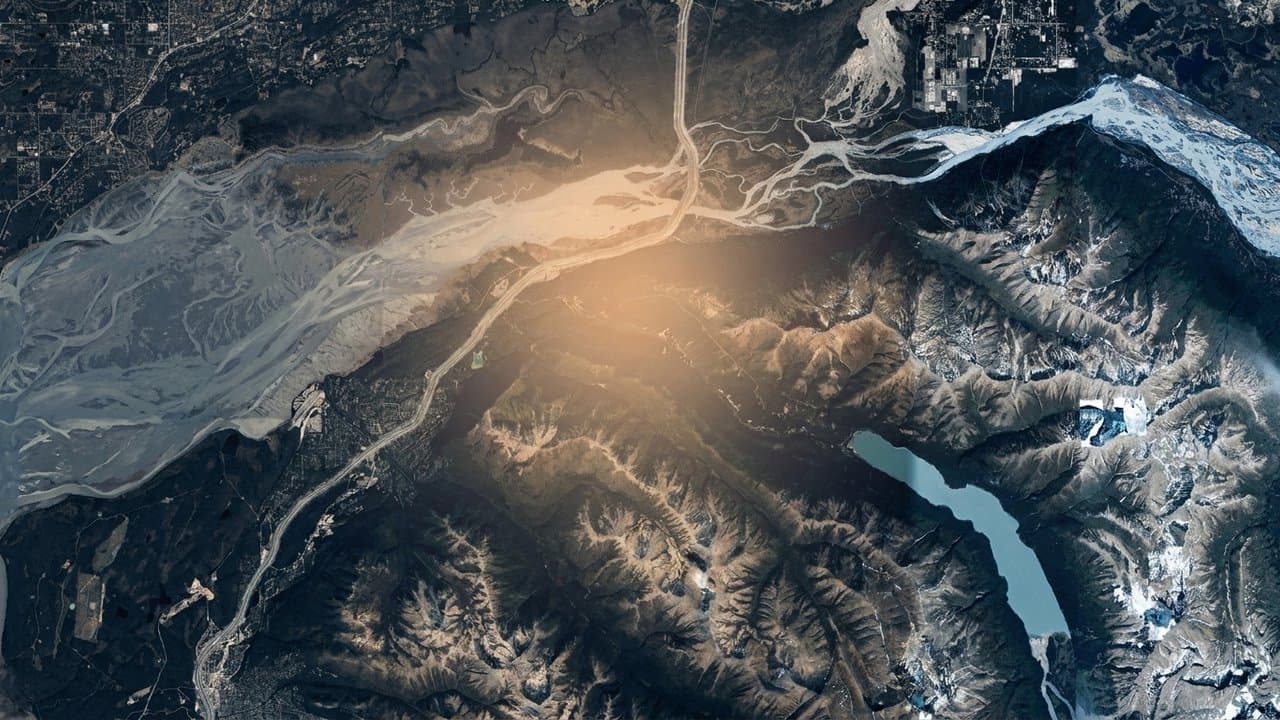
Editorial map (Gemini + Google Maps)
Anchorage Assembly and Eklutna tribe meet on restoring a river left largely dry
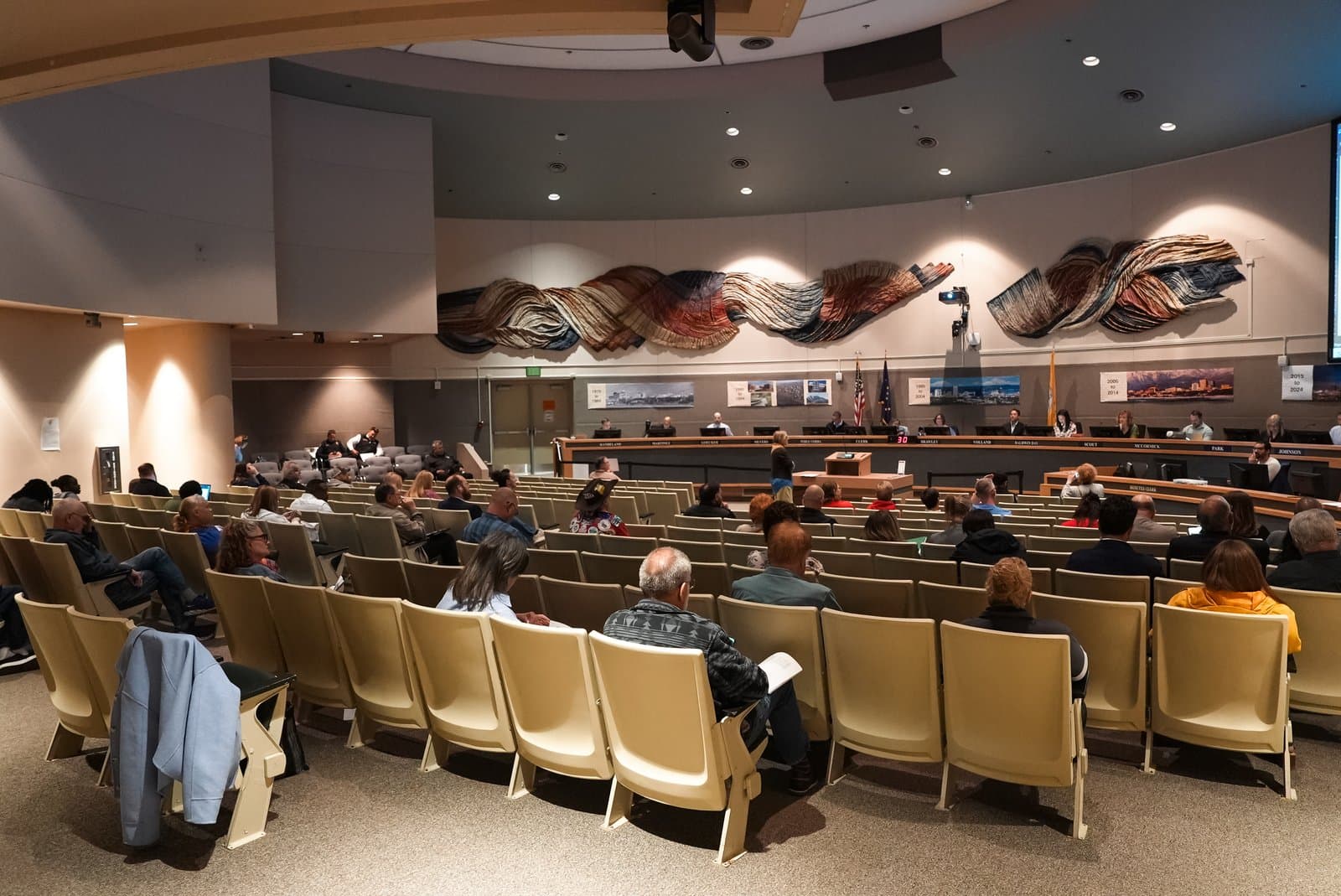
The Anchorage Assembly and the Native Village of Eklutna's tribal council meet Dec. 3 to talk about restoring the Eklutna River, which the two have named one of their top priorities.
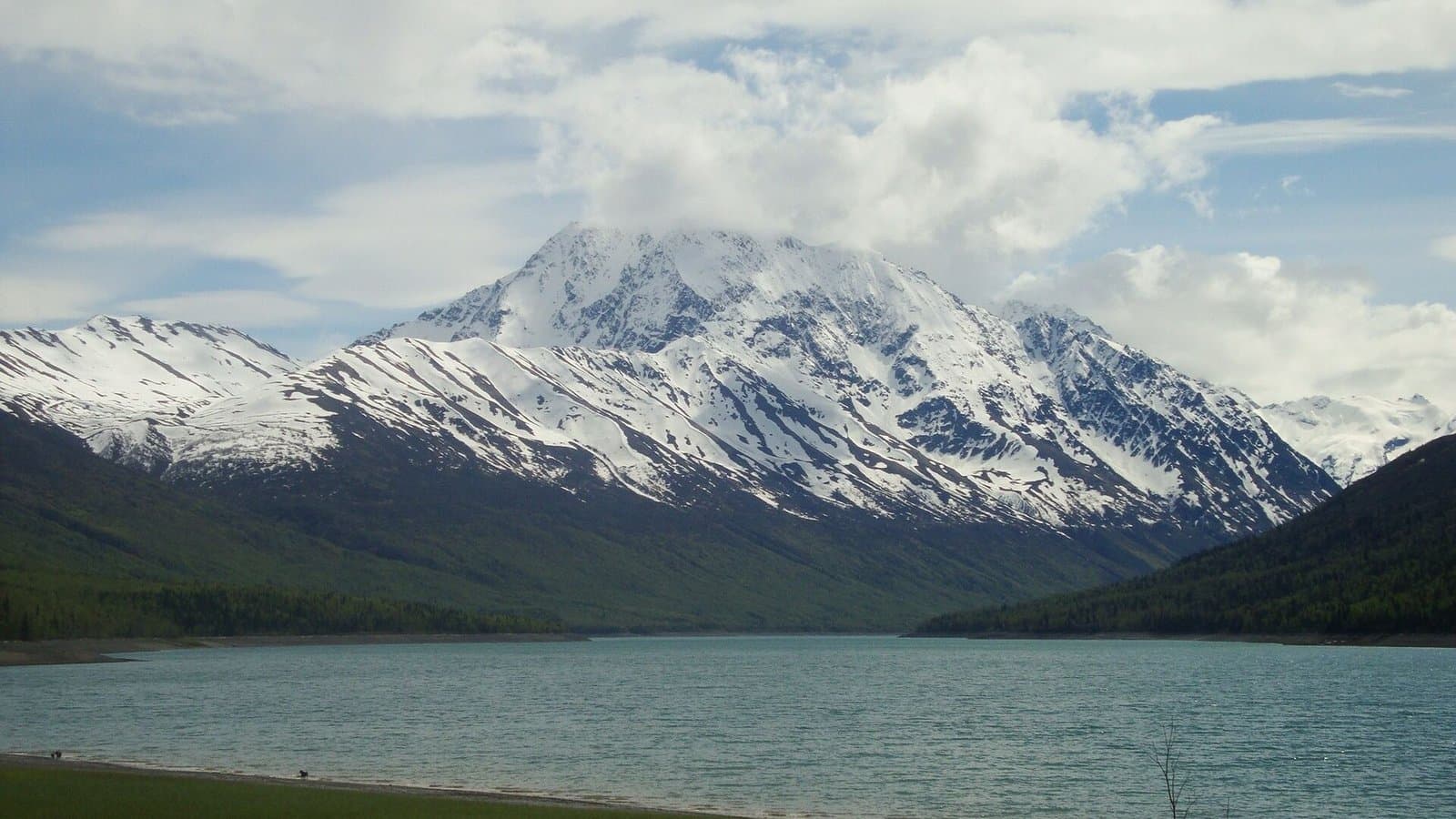
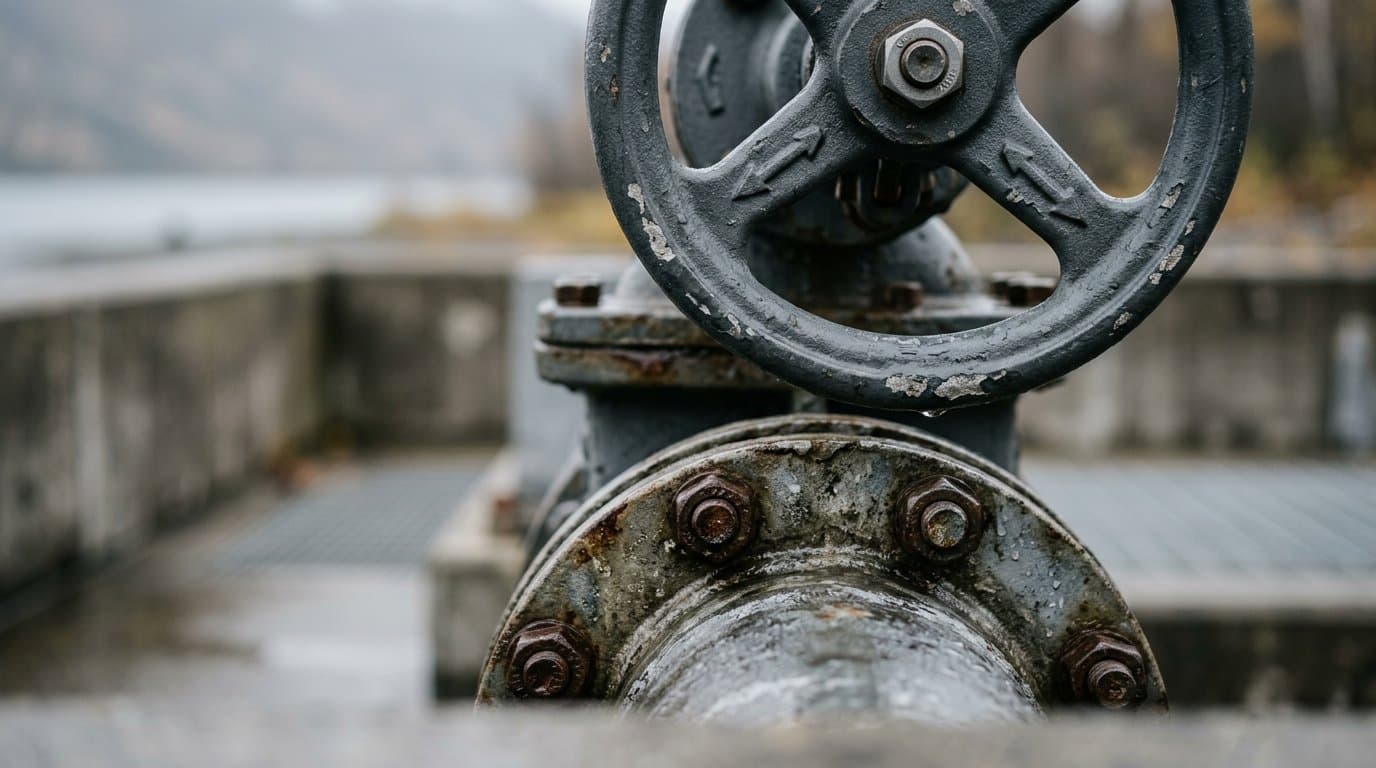
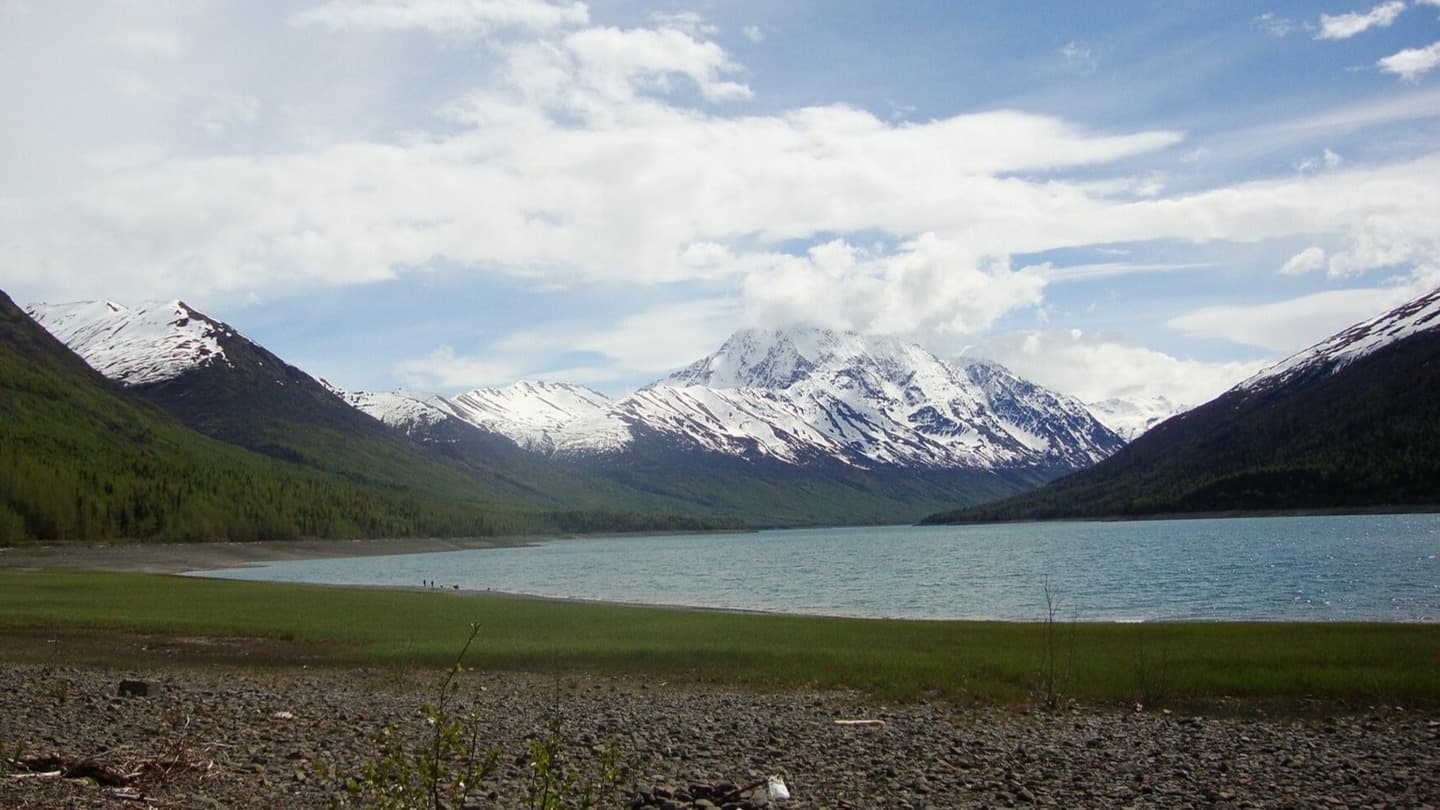
The river has run largely dry since the Eklutna Hydroelectric Project was built in 1955. Little to no water flows into it from Eklutna Lake, according to the Assembly's page on the river. About 90% of the lake's water runs the hydro plant, and 10% goes to Anchorage's drinking water and wastewater systems.
The lake supplies about 90% of Anchorage's public water. As of 2018, the plant produced enough electricity in a year to power more than 24,600 homes, according to the governor's 2024 decision on the river.
The river once held all five species of salmon, the Assembly's page says. Salmon still return to its last few miles, where Thunderbird Creek adds water. A lower dam on the river came out in 2018.
Chugach Electric, Matanuska Electric and the city agreed in 1991 to buy the hydro project from the federal government. That agreement required the governor to set a fish and wildlife program. The governor had to give equal weight to economical power production, energy conservation, fish and wildlife, recreation and the city's water supply, among other things.
Gov. Mike Dunleavy's program, set in 2024, calls for a new valve about a mile below the dam. It would release water year-round to 11 of the river's 12 miles and is designed to add spawning habitat for king, coho, pink and chum salmon. It "balances the eight factors I am required to consider," Dunleavy said.
The tribe says the agreement's main purpose was to restore sockeye salmon "that depend on free passage into and out of Eklutna Lake, their preferred spawning habitat." In 2024, it told the governor the owners' proposal failed to water all 12 miles and didn't let sockeye reach the lake. It also said the proposal put excessive costs on ratepayers and taxpayers. The Assembly joined the tribe in a 2024 resolution saying the plan would leave the mile below the dam dry.
Chugach and Matanuska Electric, which operate the project, said the new flows would improve habitat for the salmon already in the river. They said fish passage to the lake can be taken up later. A pump station alternative the tribe proposed would cost more and add risk to the project, they said. Removing the dam within 10 years, they said, wasn't feasible given foreseeable energy needs, the cost and the risk of damage downstream.
The U.S. Fish and Wildlife Service wrote in 2024 that "neither an engineering solution nor funding support" had been found that could meet every goal. It said it looked forward to exploring ways to reconnect the river and return a sockeye run.
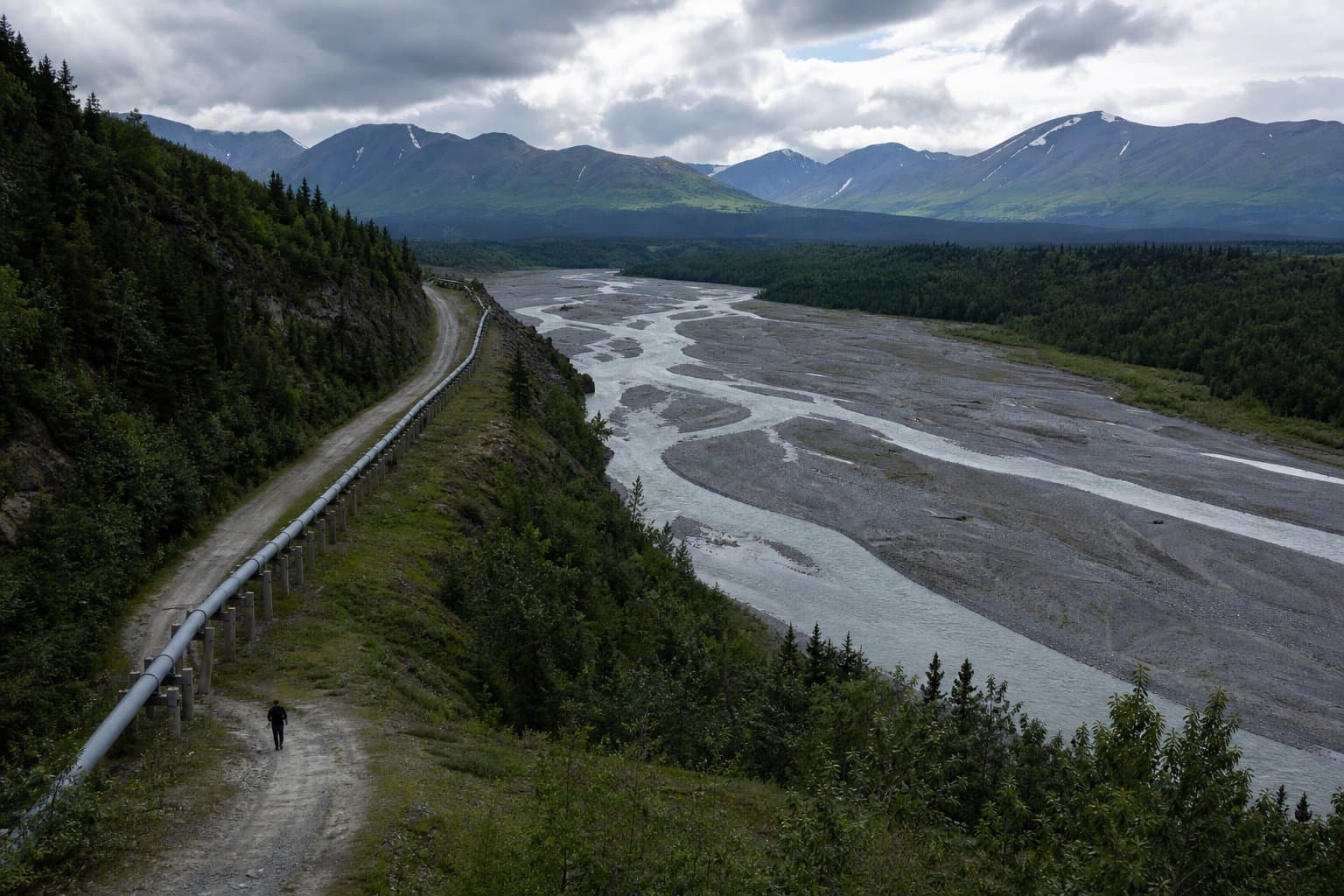
Putting water back also carries some risk for the water utility's pipeline in the canyon, buried in the 1980s when the river was nearly dry. "There's some risk, you know, anytime you rewater a river that's not been watered for a long time and you have critical infrastructure in there," utility general manager David Persinger told an Assembly committee this month.
The Assembly and the tribe also backed studying pumped storage hydropower as a possible way to restore flow to all 12 miles. It banks energy by pumping water uphill and running it back through turbines later. The governor's program includes that study. The city's hydropower utility has put the cost at $1.5 billion to $1.7 billion and said it could qualify for large federal tax credits.
The finished study goes in early 2027 to a committee that oversees the program, which includes the tribe. The governor's decision on pumped storage is expected around October 2027, Municipal Attorney Eva Gardner said.
In October, the Assembly approved agreements that would give the city's water utility the option to obtain priority water rights at the lake in 2055. They wouldn't take effect if the governor picks pumped storage. The tribe wasn't consulted on that round, Gardner said.
The Dec. 3 agenda lists the river and an update from the city's Anchorage Hydropower Utility, and includes time for public comment.
What did you make of this story? (no account needed)
Made by our human newsroom with AI. Reviewed by Cale Green. How humans and AI work here · Grow with our newsroom ·
Keep Alaska News free for everyone.
No paywall, ever. Members pay so everyone can read the meetings and records Alaska News covers.
Get Alaska News in your inbox
Create your free account and get the day’s top stories around 6 each morning, in a few minutes’ read.
Top stories, around 6 each morning.
Stories on what you follow, on Sundays.
Source: Anchorage Assembly.




Comments
Sign in to leave a comment.
No comments yet. Be the first to share your thoughts.