AI image
Bering Sea report documents toxic algae bloom near the Pribilofs for third straight year
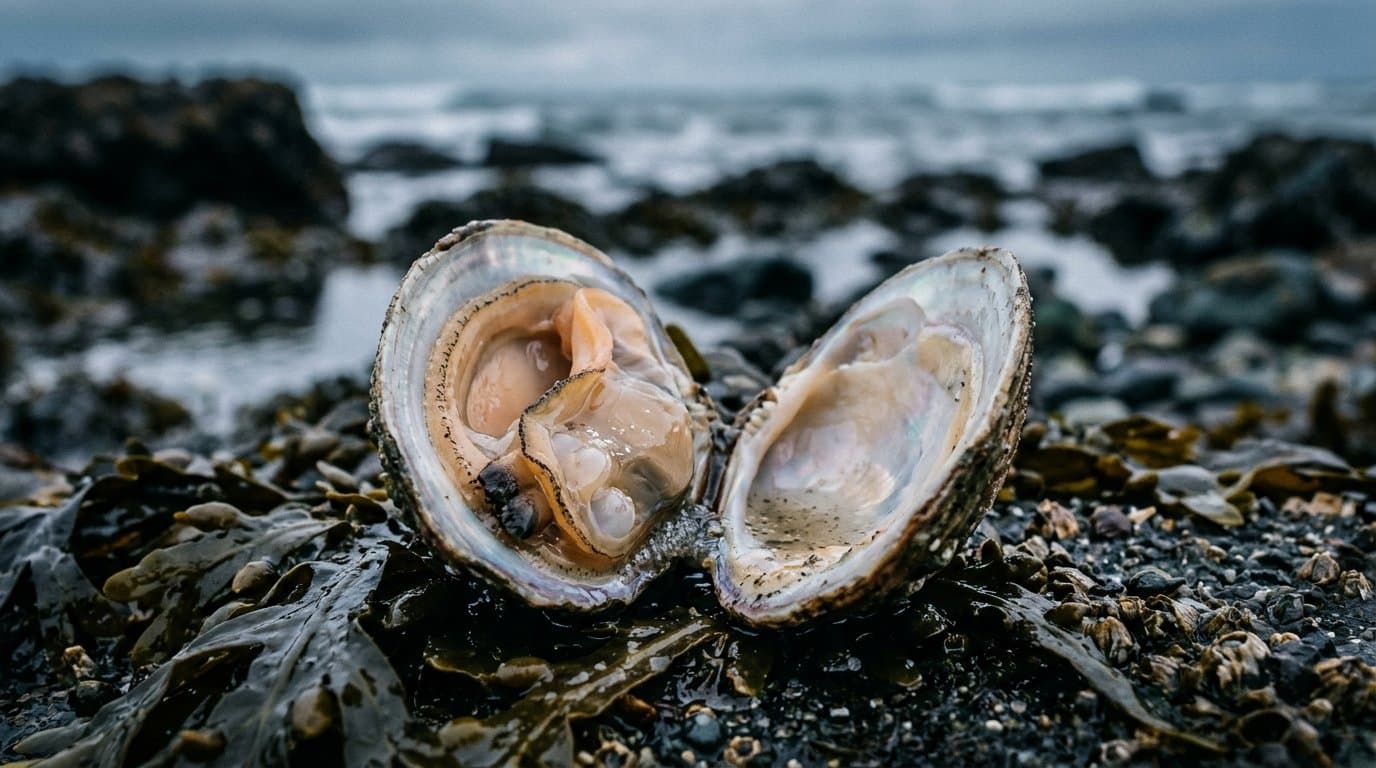
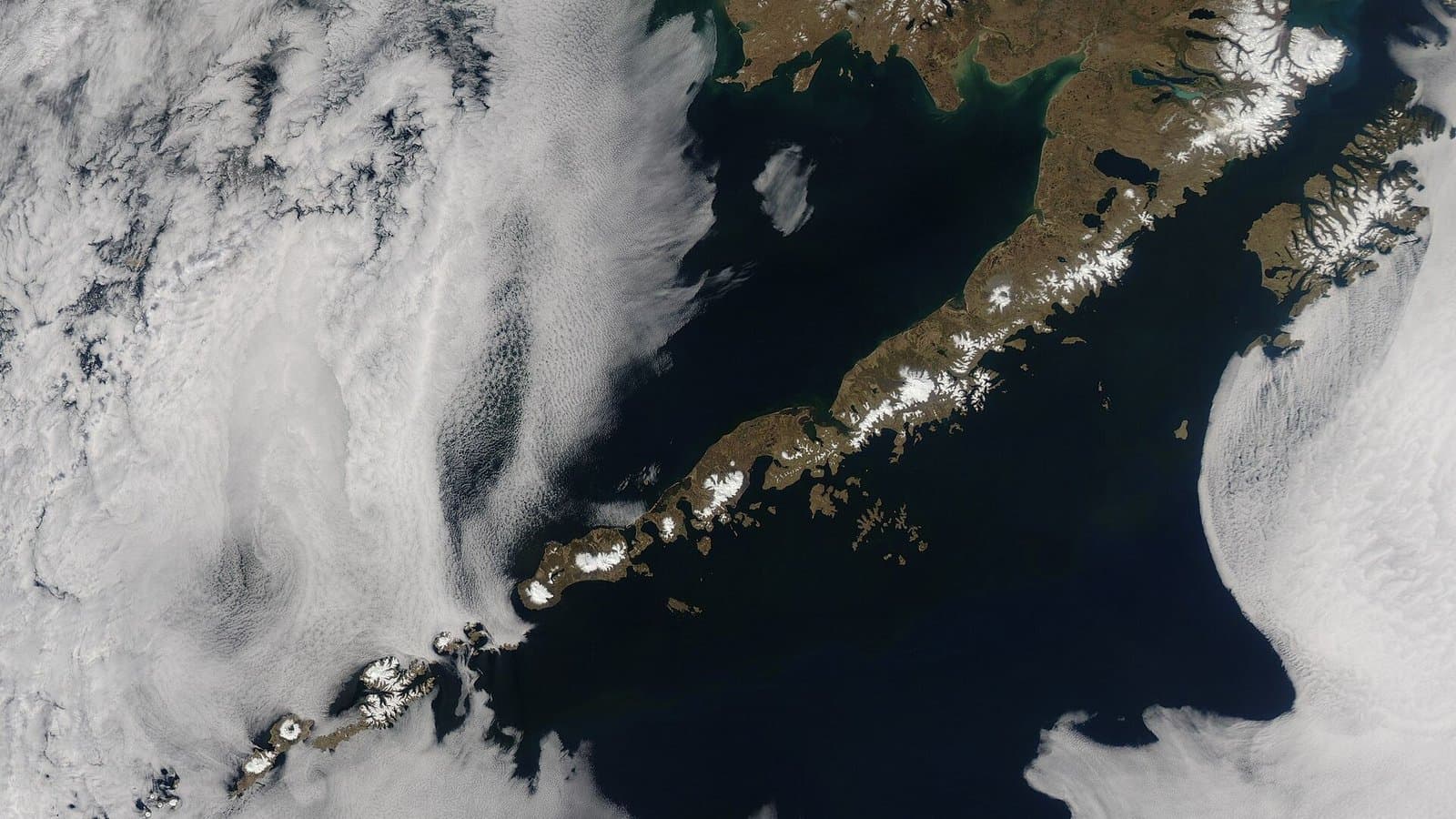
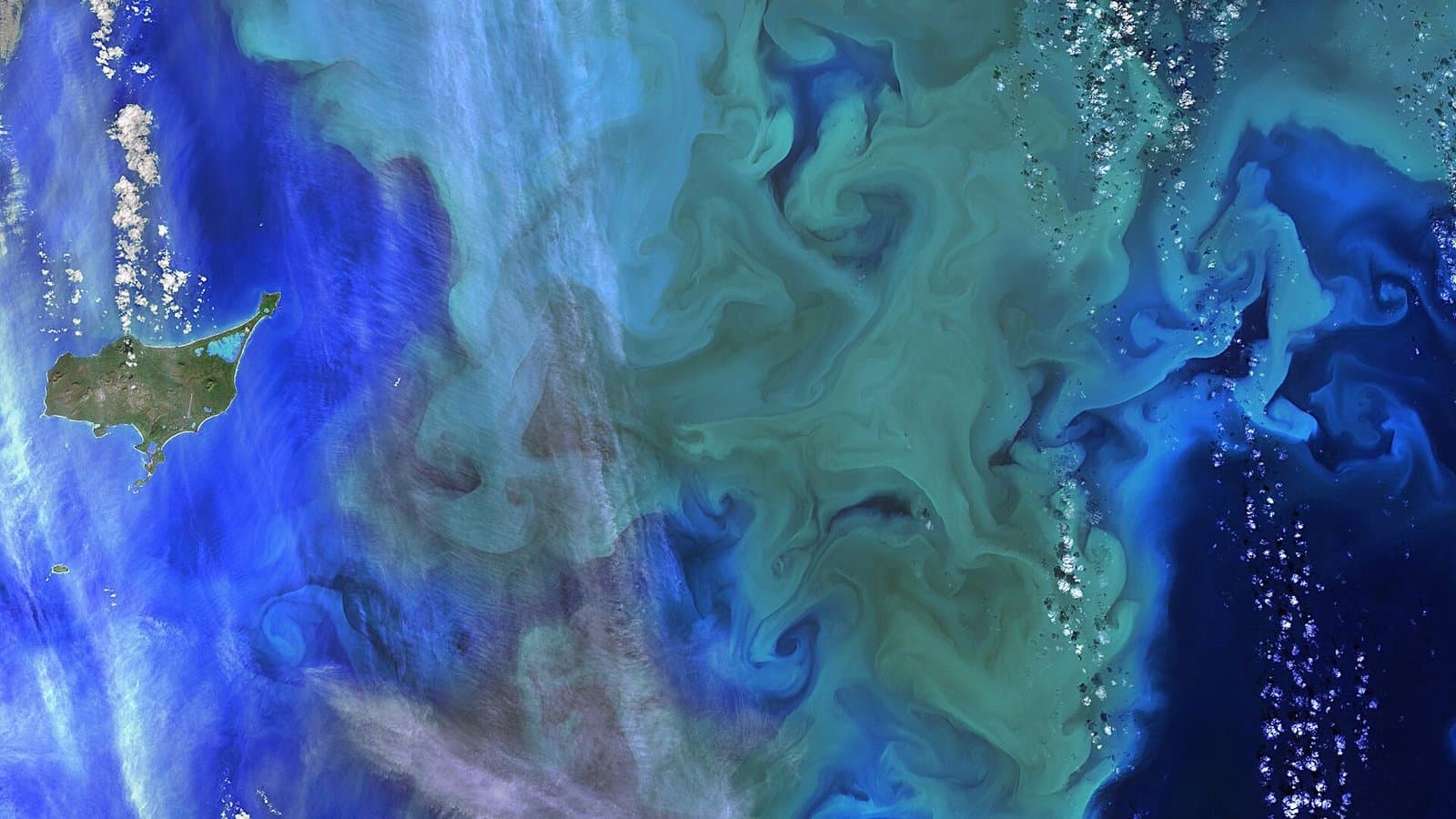
Scientists advising the North Pacific Fishery Management Council will review a report beginning Monday, Nov. 30, that documents a dense, widespread bloom of Alexandrium in the southeastern Bering Sea for the third year in a row. Alexandrium is an alga that produces saxitoxin, which causes paralytic shellfish poisoning.
The 2026 Eastern Bering Sea Ecosystem Status Report says these toxins affect many commercially valuable shellfish and finfish. They also reach marine mammals, seabirds and fish that coastal communities harvest for subsistence. The risks include human illness and death from eating seafood. Elizabeth Siddon compiled the report with contributions from more than 100 researchers.
This year's bloom started at low levels at the end of June. On June 21-22, plankton-imaging instruments on two vessels detected about 800 cells per liter roughly 130 miles east of St. Paul Island. That was not high enough to trigger a harmful algal bloom advisory. At the end of August, biologists aboard the R/V Oscar Dyson found very high concentrations, and a few days later the R/V Sikuliaq detected the same bloom. Both efforts put concentrations at an estimated 50,000 cells per liter, which the report calls "very high and potentially dangerous." A group of experts sent an advisory to communities, managers and researchers in the region.
The area has been surveyed this way since 2024, and a bloom has developed there every year since. The council's companion ecosystem reports say the repeat appearance suggests the bloom "may be a perennial feature of the southeast Bering Sea."
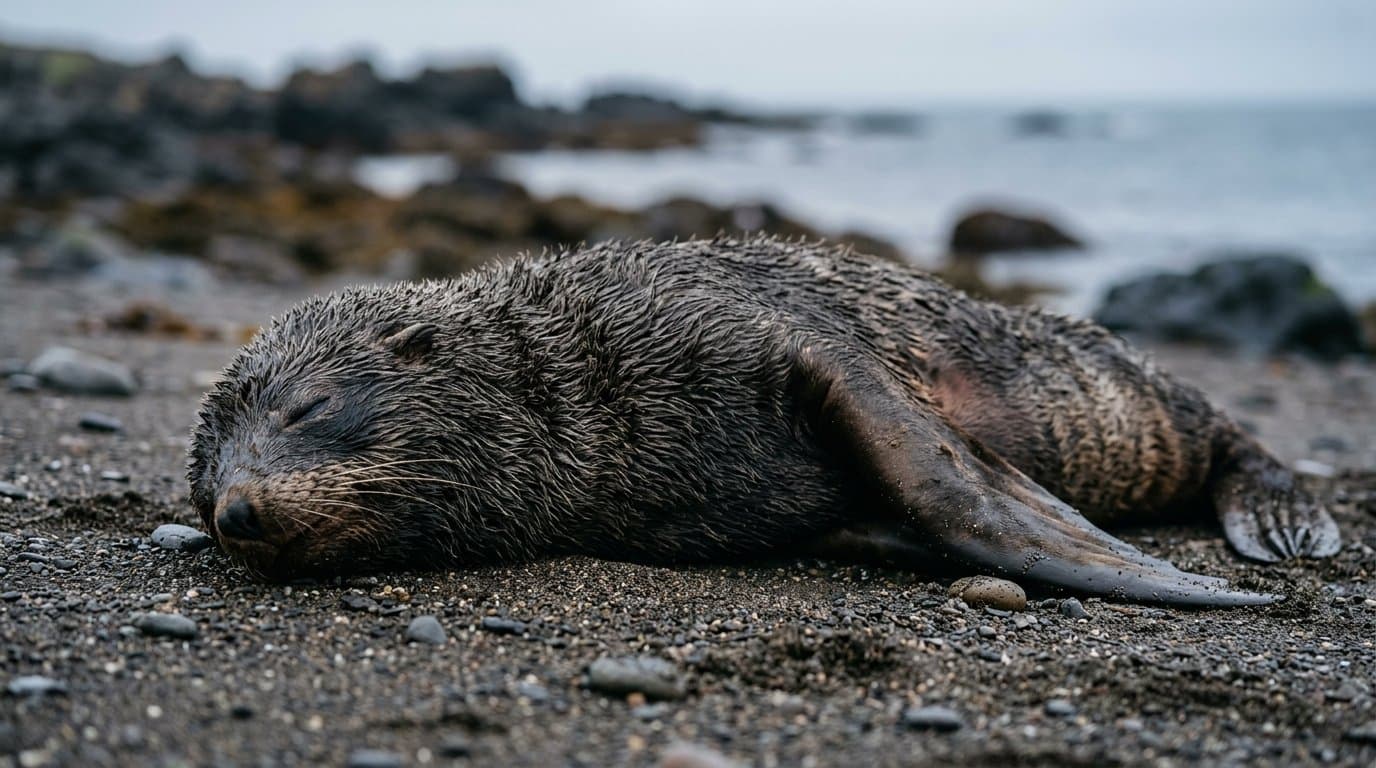
In 2024, the bloom was detected in early July. In early August, fur seals and fish died on St. Paul Island. A study led by Kathi Lefebvre, a research biologist at NOAA's Northwest Fisheries Science Center, linked those deaths to saxitoxin. Her team found the toxin in all five adult seals tested, in every sampled fish and clam, and in 93% of zooplankton and worms.
In 2025, high concentrations appeared in the same area in early August. About two weeks later, fur seals, seabirds and fish died on St. George Island. Twenty-one fur seals died there, and one carried the highest saxitoxin level ever recorded in the species.
No fur seal deaths on the Pribilofs were linked to the toxin this year. But the U.S. Geological Survey tested dead seabirds found on Round Island on Aug. 9 and found paralytic shellfish toxins were one cause of death. The report says 2026 was a cooler year overall, which likely explains a slight decrease in bloom events across Alaska.
A second Lefebvre-led study, cited in the report, found that toxin levels in bowhead whale feces over 19 years were directly linked to ocean heat flux. The report says Alexandrium cysts germinate and cells grow faster in warmer water. "As the Arctic Ocean ecosystem gets warmer, harmful algal blooms are becoming more frequent, getting stronger, and spreading further," Lefebvre said in a June 2025 NOAA feature.
What did you make of this story? (no account needed)
Made by our human newsroom with AI. How humans and AI work here · Grow with our newsroom ·
Keep Alaska News free for everyone.
No paywall, ever. Members pay so everyone can read the meetings and records Alaska News covers.
Get Alaska News in your inbox
Create your free account and get the day’s top stories around 6 each morning, in a few minutes’ read.
Top stories, around 6 each morning.
Stories on what you follow, on Sundays.
Source: North Pacific Fishery Management Council.





Comments
Sign in to leave a comment.
No comments yet. Be the first to share your thoughts.