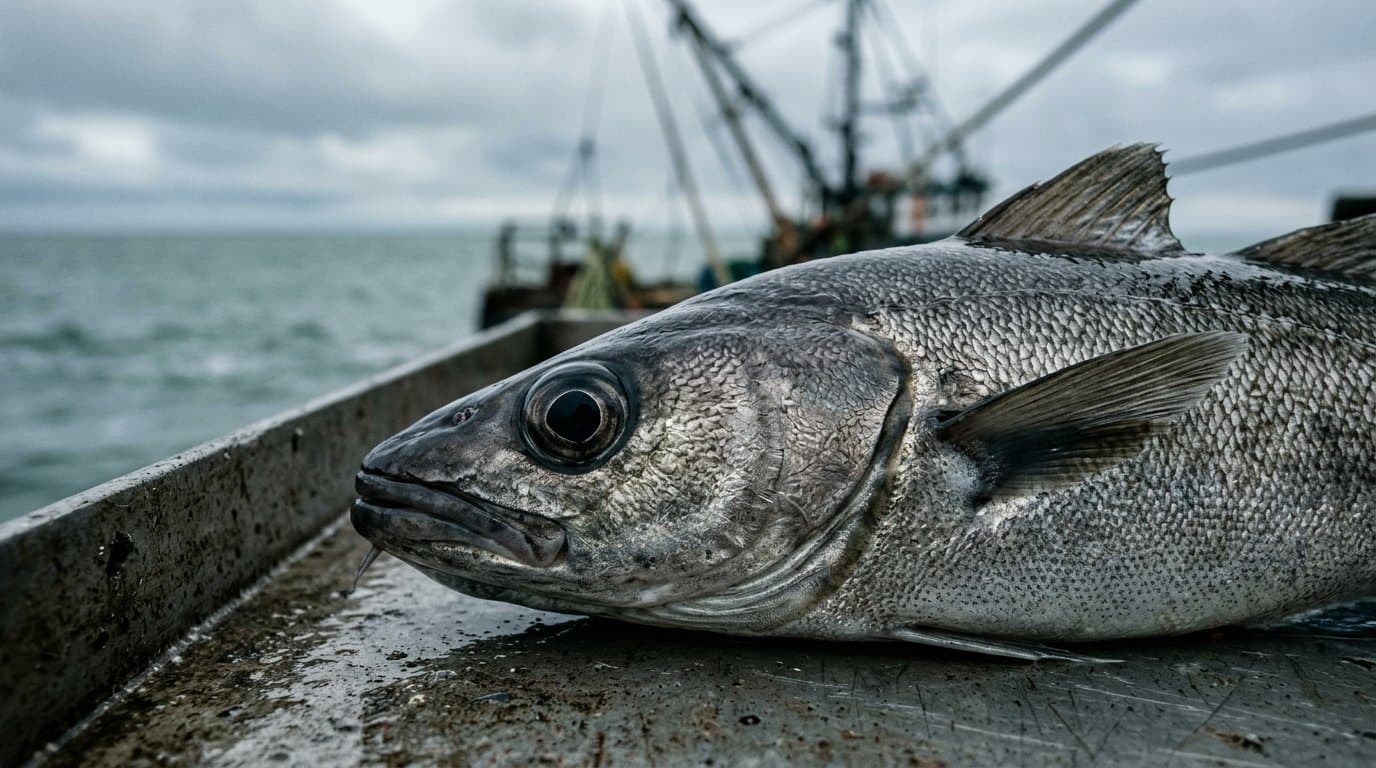
AI image
Bering Sea pollock fleet's 2026 non-Chinook salmon bycatch matched 2025, NOAA reports
The Bering Sea pollock fleet caught 151,697 non-Chinook salmon as bycatch in 2026, nearly matching the 151,457 it took in 2025, according to a year-end inseason report from NOAA Fisheries. The report lists no limit for those fish, and its data run through Nov. 6.
The bycatch rate was 0.117 salmon per metric ton of pollock, essentially unchanged from 0.116 in 2025. The count covers all non-Chinook salmon, so it does not show how many were chum or Western Alaska chum, or whether a proposed 45,000-fish cap on Western Alaska chum would have been reached.
The report's five-year figures show non-Chinook bycatch falling from 242,375 fish in 2022 to a low of 35,130 in 2024 before climbing back in 2025 and holding this year.
The North Pacific Fishery Management Council voted 8-3 on Feb. 11 for a cap of 45,000 Western Alaska chum, split among the four pollock sectors. A sector that reaches its share would have to close half of a fishing corridor for the rest of the June 10 to Aug. 31 period. The council has said about 80% of the chum caught as bycatch are not from Western Alaska, most of them Russian and Asian hatchery fish.
No federal rule for the cap has been proposed yet. As of October, it could be proposed as federal rules by the end of 2026 and would start in 2028.
Under current rules, the fleet's only chum limit closes the Chum Salmon Savings Area from mid-August to mid-October once bycatch hits 42,000 fish. Vessels under approved incentive plan agreements, the industry's voluntary salmon avoidance plans, are exempt.
Before the February vote, the Yukon River Inter-Tribal Fish Commission, which has 44 member Tribal governments, asked the council for a 100,000-chum hard cap across the Bering Sea plus a 50,000-chum corridor limit. "The Tribes on the Yukon are forced to deal with empty smokehouses, unfair, conservative, and restrictive measures and regulations in the watershed, vs. the lack of accountability in the high seas and limited-entry fisheries," Chair Robert Charles Wright Sr. wrote Jan. 30.
United Catcher Boats, which represents most catcher vessels in the fishery, supported only changes to the incentive plans and opposed hard caps and corridor closures. "Salmon bycatch management works best when vessels retain incentives and responsiveness to avoid high-risk areas rather than race against a fixed cap that would have minimal conservation benefits for WAK chum," Executive Director Andrea Keikkala wrote the same day.
Chinook salmon bycatch fell to 16,758 fish, 37% of the fleet's 45,000-fish limit, from 19,797 in 2025. The fleet caught 95% of its 1,389,500-metric-ton pollock quota.
The council takes up the report at its Dec. 4-9 meeting at the Egan Center in Anchorage. Written public comment is open through noon Nov. 27.
What did you make of this story? (no account needed)
Made by our human newsroom with AI. How humans and AI work here · Grow with our newsroom ·
Get Alaska News in your inbox
Create your free account and get the day’s top stories around 6 each morning, in a few minutes’ read.
Top stories, around 6 each morning.
Stories on what you follow, on Sundays.
Source: North Pacific Fishery Management Council, Bering Sea pollock fleet's 2026 chum bycatch matched 2025's, nine months after the council voted for a Western Alaska chum cap.




Comments
Sign in to leave a comment.
No comments yet. Be the first to share your thoughts.