AI image
High wind warnings for the northwest coast as Arctic logs warmest summer since 1950
Alaska's northwest coast is in for a rough few days. The National Weather Service in Fairbanks has high surf advisories out from the Western and Northwest Arctic coasts through Kotzebue Sound, the Bering Strait coast including Shishmaref, and the southern Seward Peninsula. Water is expected to run 2 to 5 feet above the normal high tide line from Wednesday into Saturday, with beach erosion possible in places.
Two high wind warnings cover the same ground. Along the Western Arctic coast, southwest winds of 30 to 45 mph with gusts to 65 are forecast from 4 am Thursday to 4 pm Friday. A second warning takes in Shishmaref, the Bering Strait coast, Diomede and St. Lawrence Island starting at 10 pm Wednesday. Both warn of property damage and power outages, and both ask people to tie down anything loose. A warning, unlike the watch it replaced, means forecasters expect this rather than think it possible.
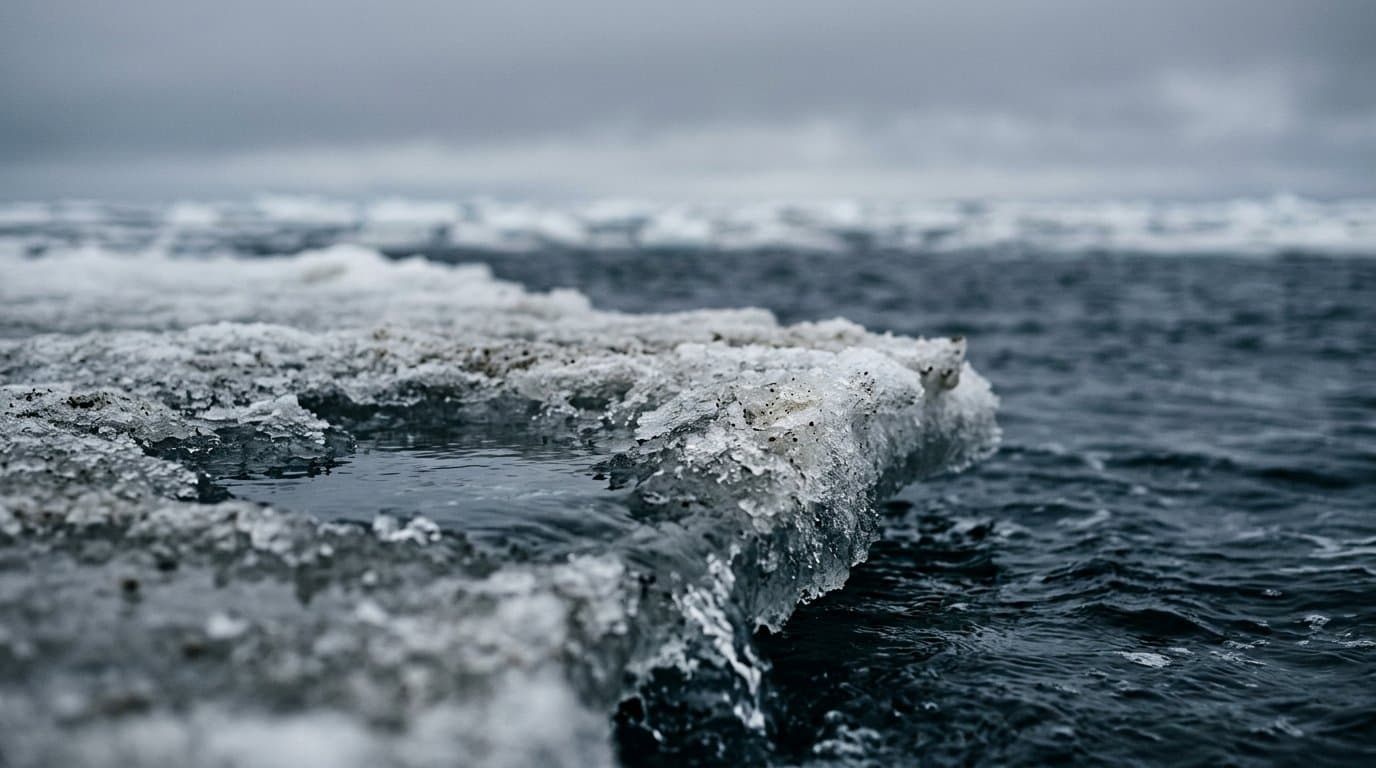
The water those winds are pushing has been unusually cold. Sea surface temperatures ran below normal this summer from the eastern East Siberian Sea east through the Chukchi and Beaufort, continuing a pattern of recent years that tracks largely with when the sea ice went out relative to its usual date.
That is the local exception to a warm year. The Arctic as a whole had its warmest summer since 1950, "edging out 2016 and 2023," climate specialist Rick Thoman wrote in the Arctic Summer 2026 Climate Review, published this week. Average Arctic summer temperature has climbed about 1.5 degrees Celsius since the 1980s. Roughly 12 percent of the Arctic had its warmest summer on that record. About 1 percent had its coolest, and all of that was over the Arctic Ocean.
Within about 1,100 kilometers of the North Pole it was the coolest summer since 2014, while northwest Siberia, central Siberia and Nunavut each set records. Beliy Island, off northwest Siberia, reached 83 degrees Fahrenheit on June 25, apparently the warmest reading ever taken that far north.
Rain came hard where it came at all. Extreme short-term downpours, some of them falling in one to five days, drove river flooding across parts of southcentral Alaska in July.
Source: Discovery cluster, 16 notices ().
AI-assisted. No editor review is on record for this article. Who is accountable.
Stay informed. Support what matters.
Free, permanent access to local news you can verify. Subscribe to support Maggie AlaskaNews and go ad-free.
Related Coverage
Water forecast 2 to 4 feet above normal high tide in Eastern Norton Sound
Alaska News · 6d ago
Wind watch upgraded to warning for the Western Arctic Coast and Shishmaref
Alaska News · 2h ago
Chukchi and Beaufort Seas carry most ice in decades, even as Arctic shrinks
Alaska News · 1mo ago
A tale of two Junes at the top of the world
Alaska News · 2mo ago
Storm to raise water up to 5 feet above the tide line, Golovin to Wainwright
Alaska News · 23h ago
Comments
Sign in to leave a comment.
No comments yet. Be the first to share your thoughts.