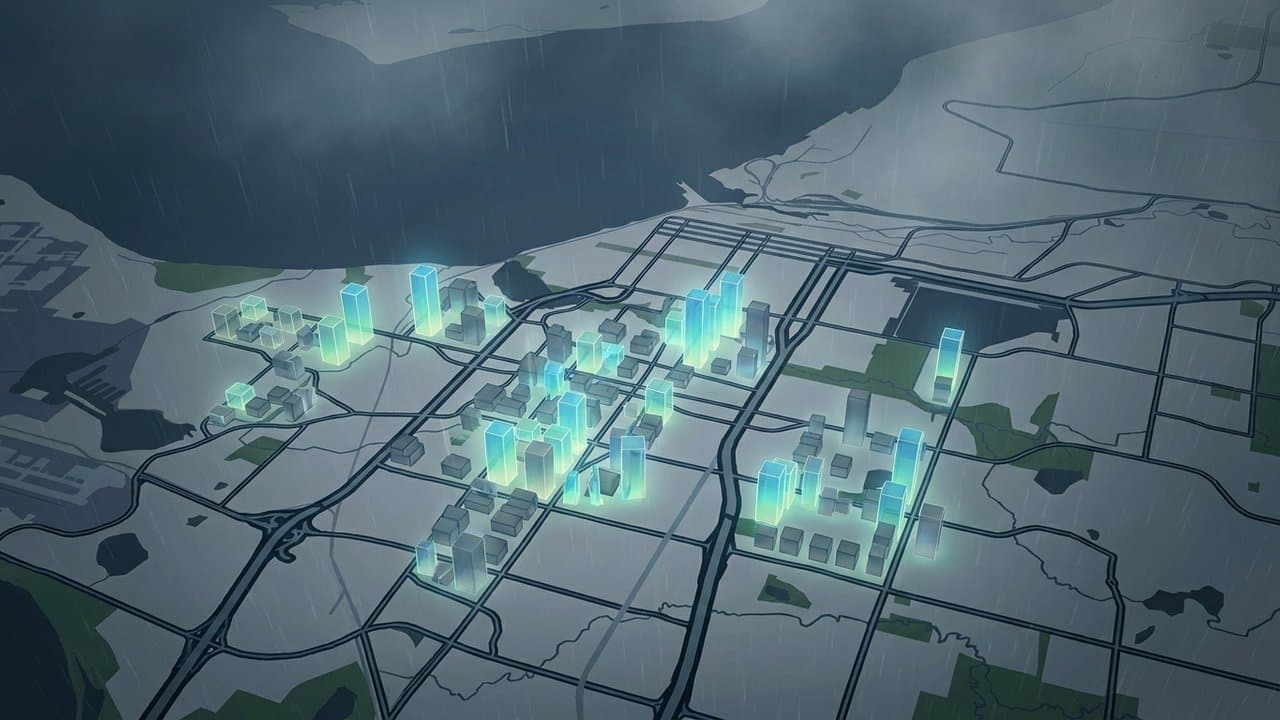
AI image
Anchorage planners find missing middle housing overlay fits city plan before vote
The Anchorage Planning Department has found that the proposed Missing Middle Housing Opportunity Overlay is consistent with the vision and goals of the city's comprehensive plan. The Assembly is set to take up the overlay Wednesday, Nov. 4.
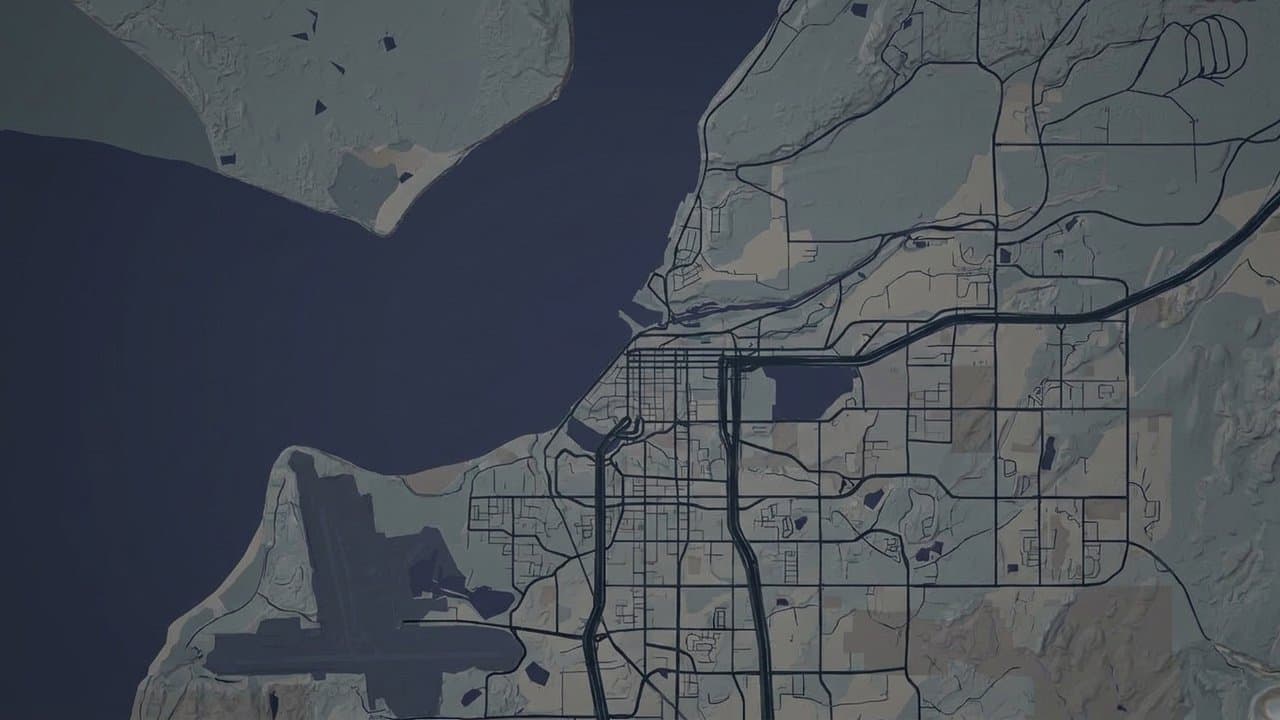
The finding came in an Oct. 5 memo answering questions Assembly Chair Anna Brawley of West Anchorage posed Oct. 2. The overlay, sponsored by Assembly Members Erin Baldwin Day of Midtown and George Martinez of East Anchorage and introduced June 9, would allow duplexes, triplexes, fourplexes and townhomes along transit corridors. It covers roughly 28,000 residential parcels, about 45% of all residential parcels in the municipality.
City code allows the Assembly to approve an overlay only if it is consistent with the comprehensive plan. The memo, from Long Range Planning Manager Daniel McKenna-Foster, says that consistency "is a factual determination made by the Assembly" (Information Request on AO 2026-85). The department said it cannot give legal advice and offered an interpretation based on professional experience. It wrote that the overlay puts into practical effect the plans' goals of accommodating growth, focusing on infill and giving residents more housing choices.
The proposal refines a 2025 Transit Supportive Development Overlay, which drew public comment and a Planning and Zoning Commission recommendation for approval with amendments before it was paused in October 2025.
The memo points to a recent rezone to show how the Assembly can read the plan more broadly than staff. A strict reading of the 2040 Land Use Plan map let staff recommend only R-3 zoning for the property. The commission backed R-4 instead, and the Assembly approved it Feb. 17.
The 2020 Comprehensive Plan and the 2040 Land Use Plan both contain internal contradictions, the department wrote. Its analysis found 47% of development since 2017 landed in areas the 2040 plan marked for little growth, and about 1% in areas marked for significant growth.
The department says the plan's required 10-year update is the place to fix confusing language. It aims to begin the commission process by the end of 2026.
Community councils are split. The Turnagain Community Council voted 18-0 on Sept. 3 to back amendments, led by leaving R-1 and R-2 neighborhoods out, that it says would add density consistent with both plans. The Rogers Park Community Council voted 37-5, with one abstention, on Sept. 29 to reject the overlay in its current form, citing higher height limits and reduced setbacks for single- and two-family properties. The Umed/Tudor Community Council voted 10-1 on Oct. 4 to support it.
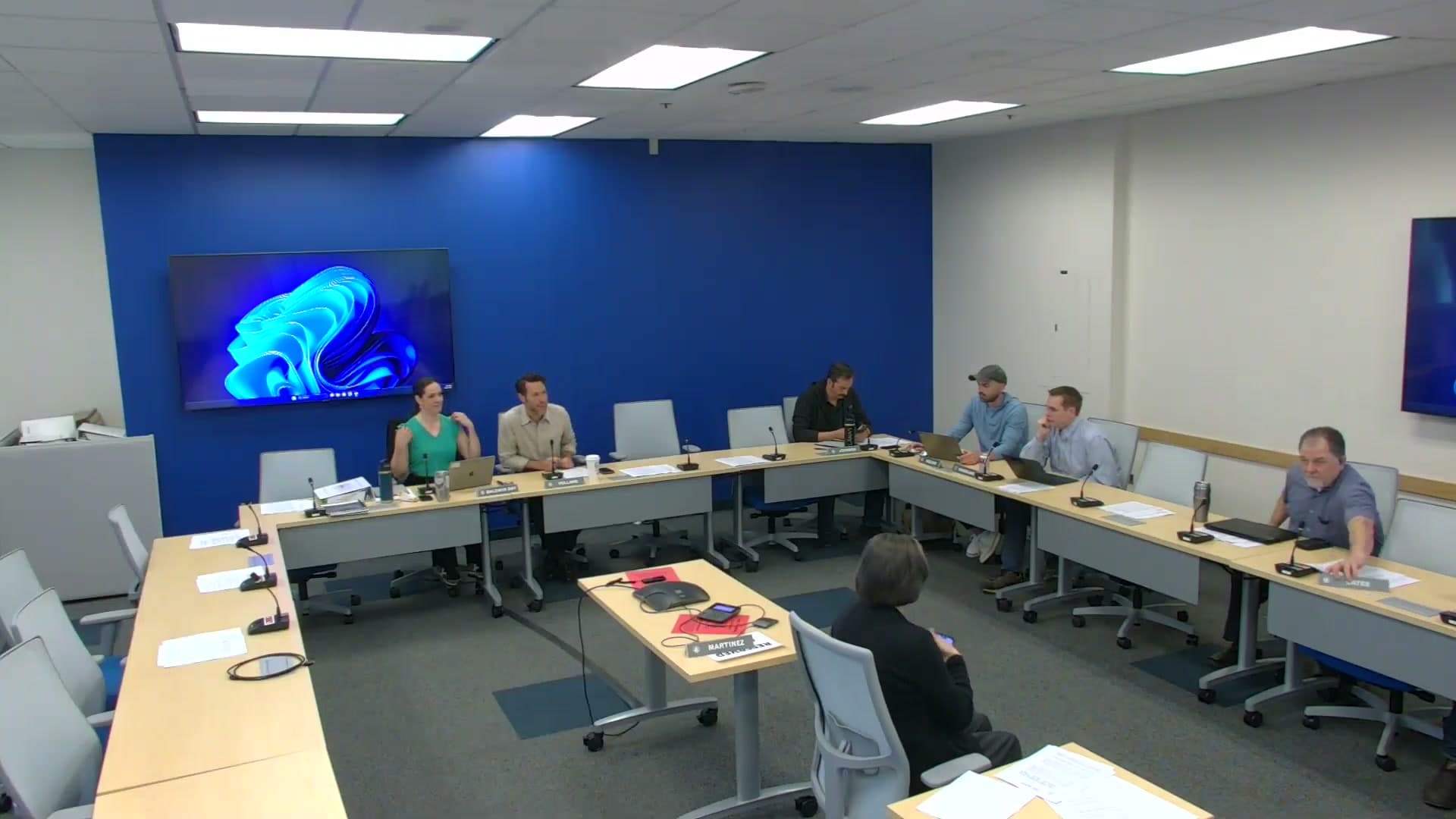
The Assembly closed its public hearing Oct. 7. Also pending is a substitute from Assembly Member Janice Park. It would cap heights at 30 feet in low-density zones, leave out seismic hazard zones 4 and 5 and end the overlay's entitlements after 10 years unless new housing in the overlay meets at least 30% of the city's 10-year housing targets for those areas and a municipal study finds infill has not impaired winter snow plowing or emergency vehicle access. Planners have said a 30-foot cap in R-1 zones would block the three-story buildings the overlay is meant to enable, Alaska News reported July 5.
Source: Anchorage Municipal Assembly.
Made by our human newsroom with AI. How humans and AI work here · Grow with our newsroom
Get Alaska News in your inbox
The day’s top stories, around 6 each morning, in a few minutes’ read. Free, and every email has a one-click unsubscribe.









Comments
Sign in to leave a comment.
No comments yet. Be the first to share your thoughts.